
Brad nail carton count verification should confirm the quantity a warehouse can identify, pick, and consume—not merely repeat a number printed on a label. Pieces can be lost to samples, broken strips, mixed inner packs, counting error, or a carton configuration that changed between quotations.
ProAirNails recommends verifying the carton as a controlled unit: identify the SKU, preserve the pack structure, select representative boxes, count or weigh with a declared method, and connect the result to the lot and receiving record.
Define what “count” means
State whether the requirement is pieces per carton, pieces per inner box, strips per inner box, or usable pieces after damaged and quarantined stock are removed. A nominal quantity and a usable inventory quantity are different fields. Do not let a full gross carton hide an incomplete inner pack.
Map the packaging hierarchy
| Level | Record | Why it matters |
|---|---|---|
| Piece | Gauge, length, finish, identity | Prevents mixed fasteners being counted together |
| Strip | Pieces, pitch, collation condition | Connects count to tool use |
| Inner box | Quantity, label, lot, seal | Controls picking and partial use |
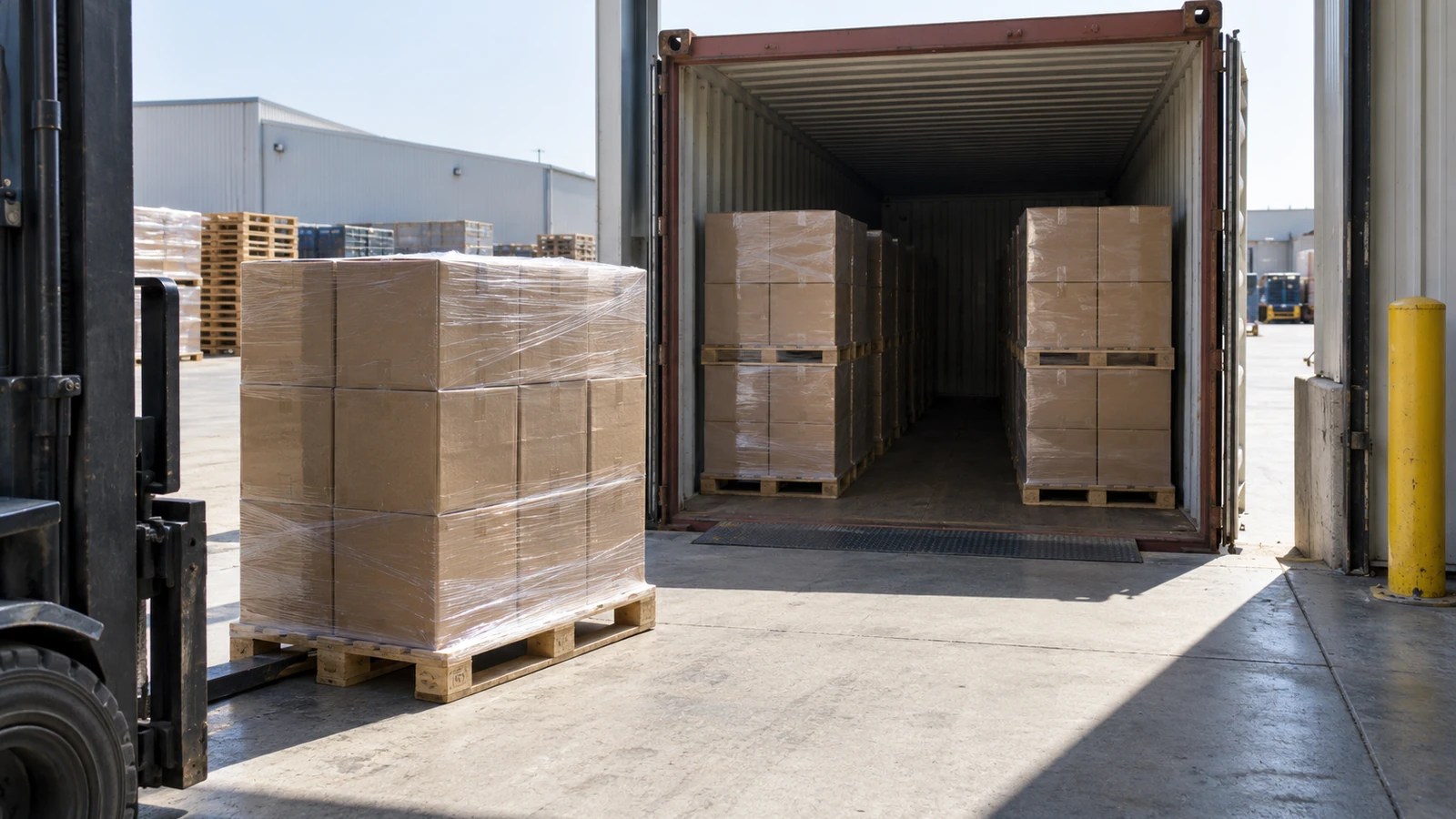
| Master carton | Inner-box count, gross mass, SKU | Supports receipt and pallet planning |
| Pallet | Cartons, layers, lot map | Preserves scope if a discrepancy appears |
Choose a count method that fits the product
Direct piece counting is useful for small inner boxes or a dispute sample. Weight-based estimation can be efficient for large quantities, but it requires a verified average piece mass, scale resolution, tare control, and an allowance for variation. Strip counting works only when every strip has a defined and confirmed piece count. Record the method and its limitation.
Protect the sample from selection bias
Do not open only the cleanest carton on top of the pallet. Sample upper, middle, lower, edge, and center positions across more than one carton. Record carton number, inner-box position, label, condition, and whether the box was sealed. Keep the sample intact until identity and count are documented.
- Photograph the label before opening.
- Record tare before a weight check.
- Separate damaged and quarantined pieces.
- Retain the original inner-pack arrangement.
- Link every result to the receiving lot.
Reconcile count with the label
Compare the physical result with the purchase order, approved sample, carton artwork, packing list, and barcode data. If the label says 20 inner boxes and the pallet map shows 18, the discrepancy is not solved by changing the warehouse spreadsheet. Hold the affected scope and identify where the difference entered.
Use sampling for a defined lot
The official ISO 2859-1:2026 page describes AQL-indexed lot-by-lot sampling by attributes. It does not choose the buyer's lot size, count method, defect class, acceptance number, or response. Define those fields before receipt. A passing sample is evidence for the stated plan, not proof that every carton has identical quantity.
Separate quantity from condition
A carton can contain the right number but still have bent strips, mixed lengths, damaged finish, or labels that cannot be scanned. Record quantity, identity, collation, carton condition, and usable status separately. This helps purchasing see whether a shortage is a packing error, damage loss, or an identity problem.
Use a discrepancy decision table
| Finding | Immediate control | Next evidence |
|---|---|---|
| Short inner box | Hold box and adjacent SKU | Expanded count and pack review |
| Weight outside band | Do not convert automatically to pieces | Direct count and scale verification |
| Mixed labels | Quarantine uncertain scope | Lot reconciliation and relabel authority |
| Damaged strips | Separate unusable quantity | Carton-position and handling investigation |
| Correct count, wrong SKU | Block release | Identity check against sample and PO |
Make the supplier inquiry count-ready
Send gauge, length, finish, collation, pieces per strip, inner-box quantity, master-carton quantity, pallet pattern, counting method, scale requirement, label fields, barcode, tolerance, and response to shortage. ProAirNails can discuss brad nails, pneumatic nails, the product range, and pack details through the inquiry page.
State the boundary
Count verification cannot prove future damage, tool compatibility, structural performance, or unsampled carton conformity. Weight estimates depend on the verified mass model. The buyer remains responsible for the lot definition, acceptance, inventory release, and final application decision.
For brad nail carton count verification, repeat the count after any repack, relabeling, or mixed-SKU correction. Retain the count sheet and original label so the discrepancy remains traceable.
Where a shortage affects a customer shipment, preserve the sampled carton, scale record, photographs, and disposition approval. This makes brad nail carton count verification useful beyond one receiving event.
For standards context, the active ASTM F1667/F1667M page provides driven-fastener terminology but does not set carton quantities or warehouse release rules.
ProAirNails recommends keeping the count record with the purchase order and the receiving photograph so a later reorder uses the same quantity basis.
For repeat orders, compare the first accepted carton with the next shipment using the same tare, count basis, and inner-pack definition. If the supplier changes carton size or pieces per inner box, reopen brad nail carton count verification before the new label is approved.
Receiving teams should also record who opened the carton, which scale or counter was used, and whether the inner pack was resealed. Those details prevent a later recount from being mistaken for the original result. If partial cartons return to storage, mark the remaining quantity and condition immediately. A visible handoff from receipt to picking keeps brad nail carton count verification connected to actual stock movement.
Use brad nail carton count verification to turn a printed quantity into traceable, usable stock.
FAQ
Should pieces or strips be counted?
Use the unit that controls the buyer's inventory and tool process, and record the relationship between strips and pieces.
Can weight replace direct counting?
Only with a verified piece-mass model, scale control, tare rule, and stated tolerance.
What is usable quantity?
It is the quantity remaining after samples, damage, quarantine, sorting, and known losses are separated.
Where should samples come from?
Use varied carton and pallet positions, not only the easiest top carton.
What if the label and count disagree?
Hold the affected scope, preserve evidence, reconcile records, and obtain a controlled disposition.
Does AQL certify every carton?
No. It manages sampling risk for a defined lot and plan.
Should damaged pieces be included?
Record them separately so gross count and usable count are not confused.
What should the carton label show?
Show SKU, size, finish, quantity, lot, barcode, destination, and any required handling fields.
When should the count method change?
Reapprove it after changes to pack size, piece mass, inner-box design, scale, or product identity.
What belongs in a supplier RFQ?
Include pack hierarchy, quantities, tolerance, count method, labels, pallet map, sampling, and shortage response.