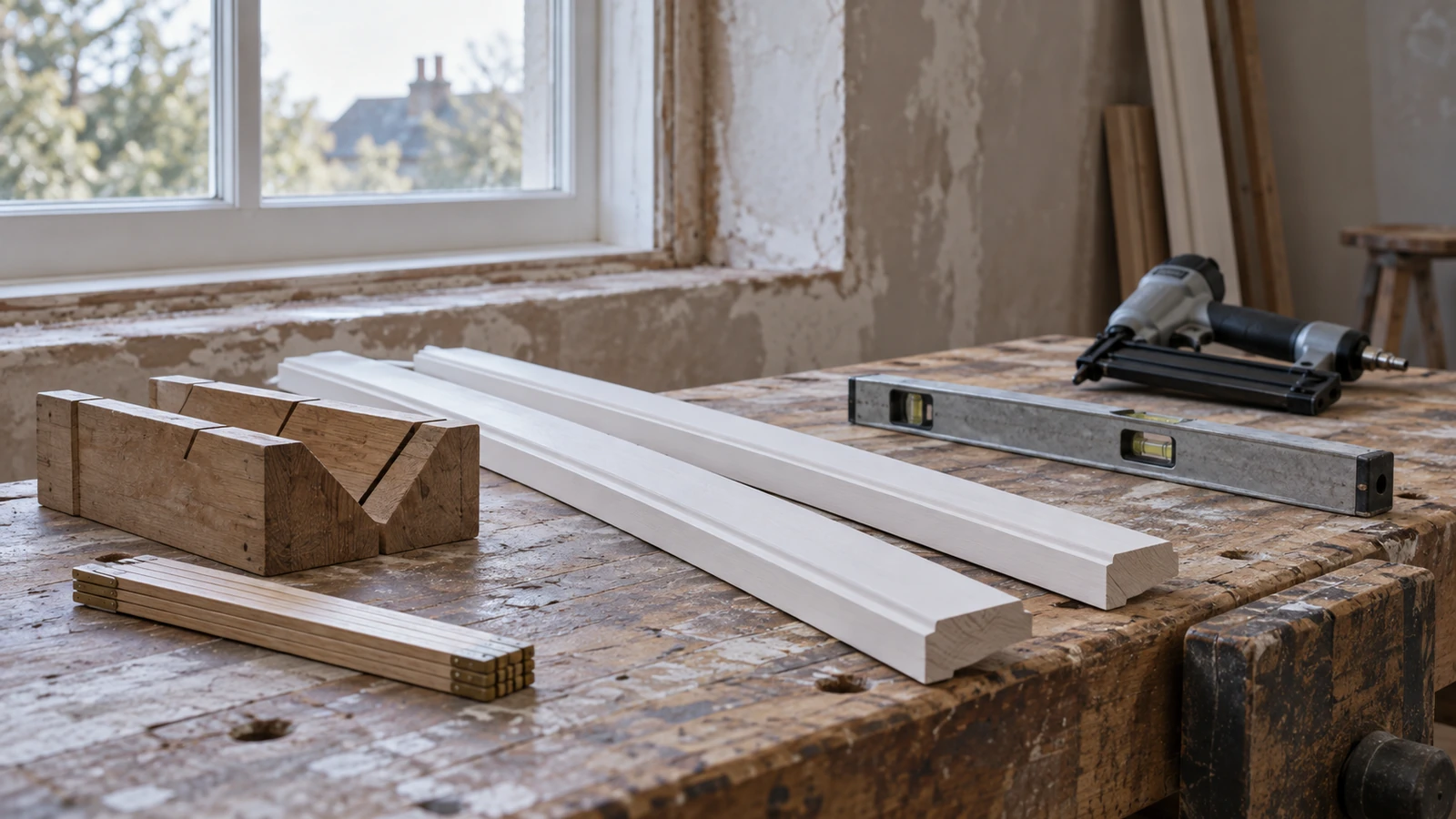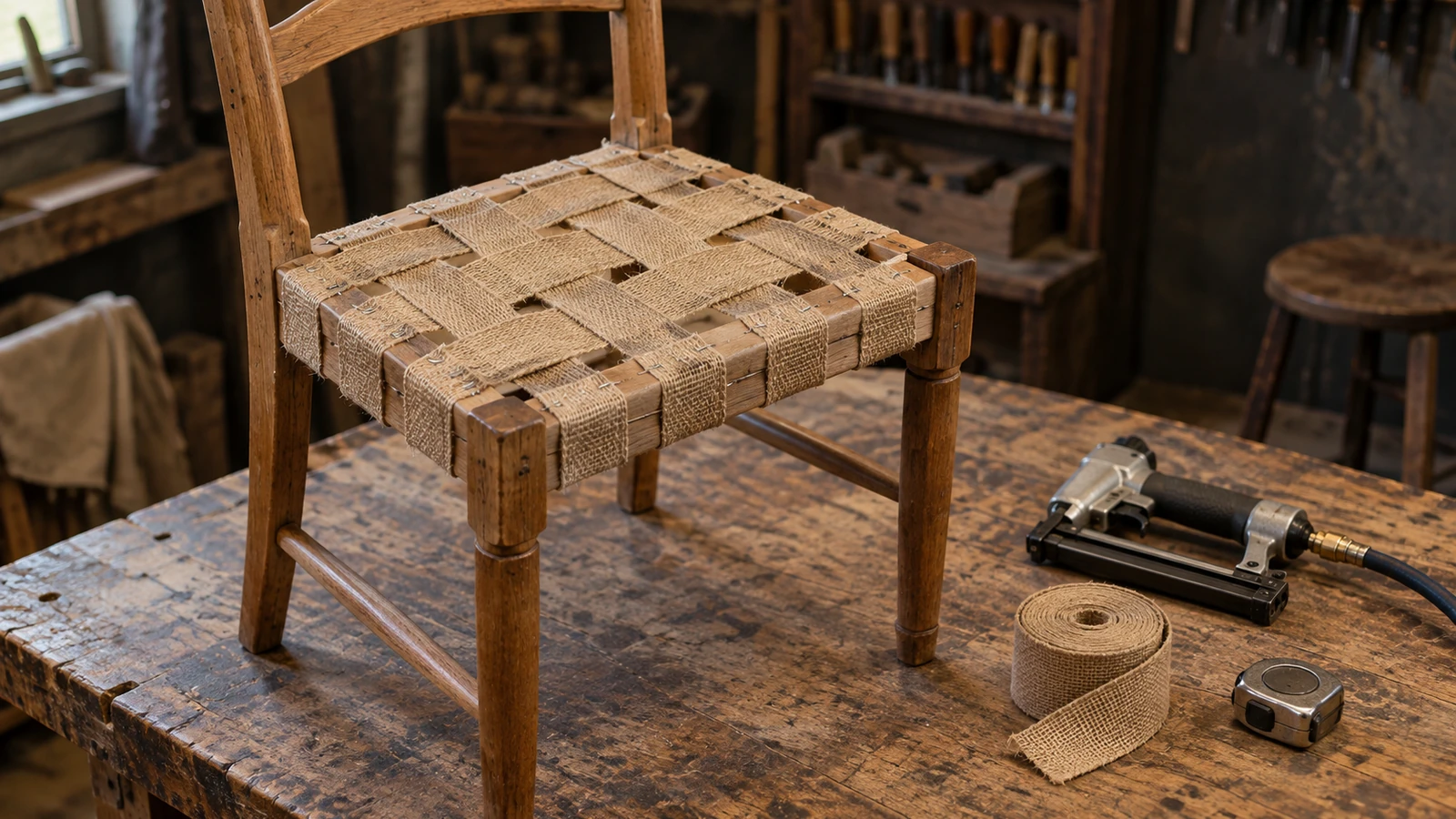

Approve brad nails for door casing against a measured reveal map, not against one ideal workshop corner. Jamb projection, wall flatness, casing profile, joint cuts, substrate position, and finish can change the result around the same opening.
ProAirNails recommends a full-door pilot that includes head and legs, both top corners, a floor termination, hinge and strike sides, and the least convenient tool position.
Map the reveal before selecting the fastener
Record the specified reveal at the head and both jambs, then measure the first openings. Mark proud and recessed jamb areas, wall waves, joint buildup, substrate location, casing thickness, finish stage, adhesive or caulk use, and accepted repair examples.
Separate opening conditions
| Zone | Condition to test | Visible consequence |
|---|---|---|
| Head | Level, wall wave, corner cut | Changing reveal |
| Hinge leg | Jamb movement and shims | Open casing edge |
| Strike leg | Hardware and substrate conflict | Deflected path |
| Floor end | Cut, flooring, moisture | Split or open joint |
Build the holding-path calculation
Document casing thickness at each entry point, non-holding layers, normal gaps, intended wood or framing support, and required safety margin. Compare relevant lengths in actual assemblies. Casing width alone does not establish safe engagement or hidden clearance.
Test angle, position, and finish together
| Variable | Trial range | Record |
|---|---|---|
| Position | Jamb edge and outer casing edge | Reveal and holding response |
| Angle | Normal and permitted access | Path, side exit, surface mark |
| Length | Relevant candidates | Engagement and clearance |
| Drive setting | Approved tool range | Seat, dent, repair |
Change one variable at a time, then confirm the chosen window at normal installation pace with more than one qualified operator.
Finish the pilot like production
Run accepted samples through filler, sanding, primer, paint, stain, or clear finish. Inspect under corridor light, side light, and normal standing distance. A tiny entry mark can become a repeated visual line once every opening is finished.
Keep adhesive and fastener roles explicit
State whether the brad locates the casing, closes a joint, resists spring-back, holds during adhesive cure, or provides the intended final attachment. Include real adhesive amount, open time, pressing, cure, and handling. Do not use extra drive depth to correct a jamb or wall condition.
- Retain one accepted complete corner.
- Record shims, caulk, filler, and repainting.
- Track casing splits and rejected lengths.
- Link tool and fastener lots to each pilot.
- Define the reveal limit that stops work.
Rehearse difficult tool access
Test the named tools and nosepieces near walls, hinges, floors, inside returns, and adjacent finishes. Count loading issues, skips, doubles, jams, incomplete drives, depth variation, nose marks, and damaged casing. Follow the tool manual and consult the NIOSH nail gun safety guide.
Scale the pilot across the door schedule
Include casing profiles, jamb materials, wall types, opening sizes, corner methods, finishes, flooring conditions, tools, and operator groups. State which side exit, exposed point, split, unstable jamb, or hidden-service concern blocks release.
A sample plan for brad nails for door casing should report drives, accepted openings, repairs, installation time, and retest rules.
Protect product identity through delivery
Specify gauge, length, head, shank, point, material, finish, collation, strip count, packing support, labels, and lots. Inspect ordinary strips from several boxes at receipt and repeat the highest-risk corner and floor-end conditions.
The ASTM F1667/F1667M page can support applicable fastener requirements, but it does not approve the complete door-trim assembly.
Price one accepted opening
Review usable strips, feed events, casing damage, filler, sanding, caulk, repainting, shimming, installation pace, packing, shortages, and callbacks. This keeps brad nails for door casing tied to cost per accepted opening rather than carton price.
Release a representative room
Inspect several production openings with different wall and jamb conditions before scaling. Check reveals before and after finishing, compare both legs and the head, and record repair locations, accepted opening count, time, tool events, installer, and reviewer authorization.
Assign ownership by defect source
Design owns reveal and finish criteria; door installation owns jamb position; wall trades own substrate condition; trim installation owns execution; quality retains samples; purchasing controls product and commercial exceptions. Each unresolved difference needs an owner, affected openings, due date, evidence, and disposition.
State the evidence boundary
The pilot cannot prove every wall, jamb, casing lot, hidden service, finish, operator, or future site condition. Preserve the approved opening, reveal map, photographs, specification, tool record, lots, and deviations; reopen affected checks after relevant change. Compare the first reorder and the first opening on each new site with this baseline. Record who reviewed the comparison, what differed, which openings are affected, whether work remains on hold, and what evidence closes the decision.
Request a ProAirNails door-casing trial
Review ProAirNails brad nails, related pin nails, and the pneumatic range. Send casing, jamb, wall stack, finish, tools, volume, packing, and criteria through the inquiry page.
Reliable brad nails for door casing preserve the reveal while controlling hidden path, finish repair, and installation yield.
FAQ
Why start with the reveal?
The reveal makes jamb position, wall variation, corner fit, and casing movement visible before fastening hides their source.
What belongs in a full-door pilot?
Include the head, both legs, corners, floor ends, real jamb and wall conditions, finish, tools, and access.
How should length be selected?
Calculate from the actual casing, gaps, non-holding layers, intended support, hidden clearance, and approved safety margin.
Should both casing edges be tested?
Yes. Jamb-edge and outer-edge positions can have different support, angles, appearance, and hidden-path risks.
What tool events matter?
Count loading problems, skips, doubles, jams, incomplete drives, depth variation, nose marks, and damaged trim.
How should repair be measured?
Track filler, sanding, caulk, repainting, rejected casing, labor, delay, and reinspection per accepted opening.
When should work stop?
Stop for uncertain support, hidden services, unsafe access, unstable jambs, side exits, splits, or reveal outside limits.
What changes reopen approval?
Review casing, jamb, wall, finish, adhesive, fastener, collation, tool, flooring, site, or acceptance changes.
Why repeat a receiving trial?
Shipping can damage collation, mix lots, bend strips, or create feed behavior absent from approved samples.
What supports a quotation?
Send door schedules, profiles, materials, wall and jamb stacks, finishes, tools, volume, destination, packing, and criteria.