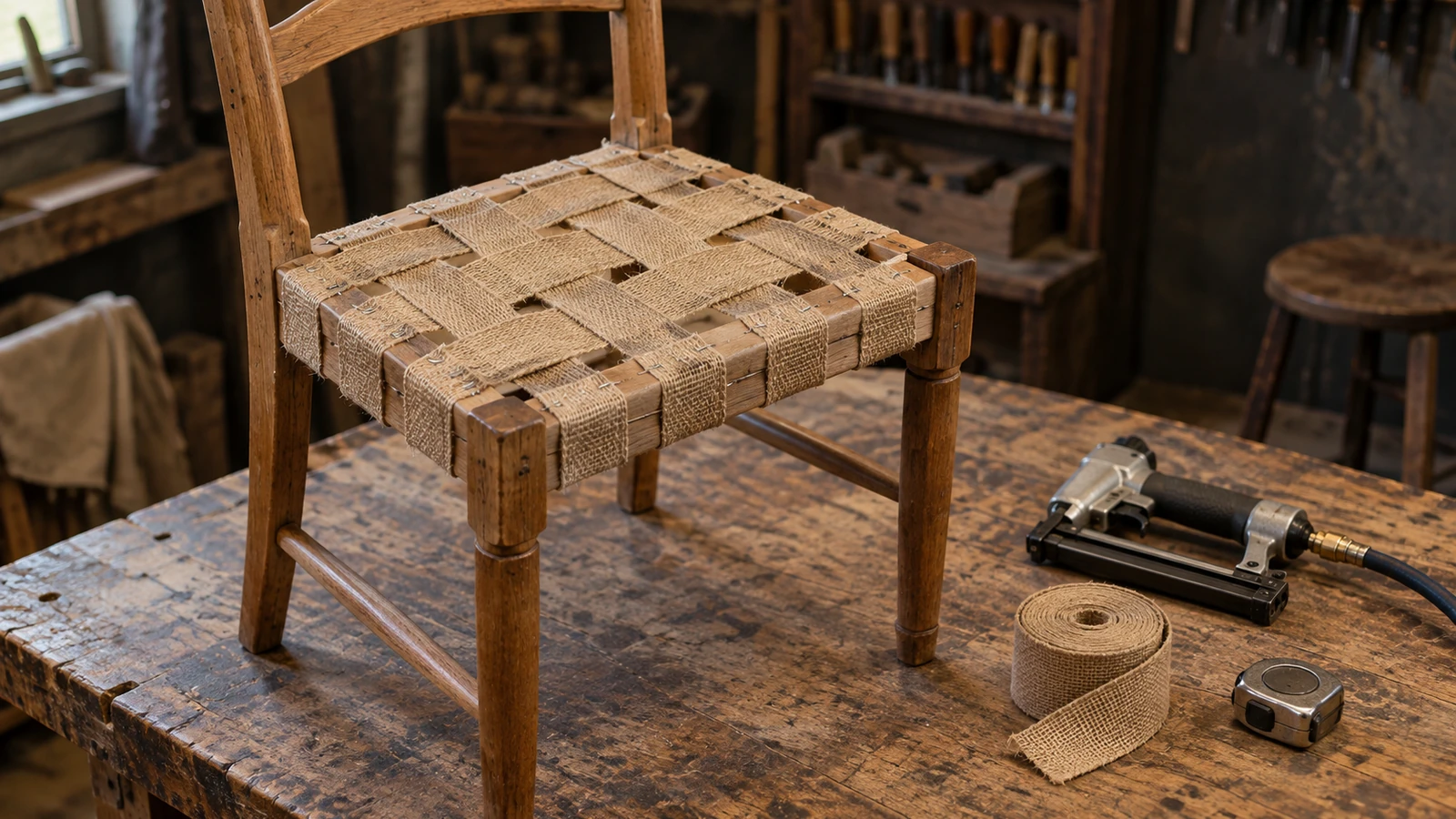

Select brad nails for furniture by starting at the touch-up bench and tracing every repair backward to the entry mark, head depth, tool contact, wood response, joint fit, hidden path, adhesive role, fastener identity, and production conditions. A low fastener price can be expensive when it creates filler, sanding, stain correction, rework, or rejected finished parts.
ProAirNails recommends recording repair evidence by application rather than combining all marks into one defect count. A visible rail, concealed back, narrow molding, and glued frame can accept different outcomes.
Collect the repair signal before changing settings
Record part, face, profile, wood or panel, finish stage, brad SKU and lot, length, tool, operator, entry direction, time, repair type, and final disposition. Retain representative accepted and failed pieces when practical.
Do not adjust pressure, depth, fastener, support, and filler method at once. Preserve the original condition so the next trial can isolate one variable.
Classify the visible symptom precisely
| Touch-up signal | Possible contributors | Evidence to compare |
|---|---|---|
| Large depression | Depth, tool contact, soft surface, movement | Entry profile and support condition |
| Raised fiber | Wood response, direction, dull or damaged product | Grain, entry angle, accepted sample |
| Split or edge breakout | Length, position, grain, narrow clearance, gap | Section, edge distance, joint fit |
| Finish crack or halo | Coating brittleness, depth, impact, sequence | Finished trial and cure condition |
| Visible head or proud brad | Tool recovery, material density, setup, wear | Event pattern by tool and pace |
A symptom suggests questions, not a single cause. Compare patterns across tools, lots, materials, profiles, shifts, and process stages.
Trace backward through the finishing sequence
Determine when the mark became unacceptable: immediately after driving, after filler, after sanding, after stain, after clear coat, after cure, or under final lighting. Record filler type and amount, sanding method, coating system, cure time, and viewing distance.
A small opening can darken under stain or telegraph through gloss. Conversely, excessive filler and sanding can enlarge a repair that began as an acceptable entry.
Trace backward to tool contact and depth
Inspect the tool nose, contact element, depth control, magazine, approved operating range, service status, and part support. Compare slow sample shots with normal pace and recovery. Note whether the mark follows one tool, operator technique, access angle, or unsupported profile.
Follow the tool manual and use the NIOSH nail gun safety guide as broader safety context. Do not bypass safety features or exceed approved settings to reduce a cosmetic defect.
Trace backward to the material path
| Path element | Record | Repair or failure risk |
|---|---|---|
| Top piece | Actual material and thickness | Different entry and remaining engagement |
| Receiving member | Species, panel, density, grain, voids | Bend, curl, poor hold |
| Joint fit | Gap, movement, support, adhesive | Deflection and variable depth |
| Edge and reverse face | Clearance and finish status | Split or side exit |
| Nearby features | Hardware, groove, wire, cutter route | Collision or later service issue |
Section representative samples where appropriate. Surface appearance alone cannot show whether a brad bent, curled, followed grain, or exited into a hidden zone.
Trace backward to length and profile selection
Compare shorter and longer candidates with the same tool, material stack, direction, support, and acceptance rule. More length may increase engagement but can also increase bending, splitting, side-exit, and hidden-face exposure. A finer profile may reduce repair while contributing less to the joint.
When evaluating brad nails for furniture, select the smallest controlled range that covers validated applications. Nearby lengths require distinct labels and line-clearance rules.
Trace backward to the joint and adhesive role
Write whether the brad positions during cure, supplements joinery or adhesive, attaches light trim, or carries a defined service load. If adhesive is used, control surface preparation, amount, open time, pressure or contact, cure condition, gap, and handling.
A brad should not conceal poor fit-up, missing adhesive, contaminated surfaces, or movement before cure. Repair data should include functional joint results, not only appearance.
Build a touch-up cost and frequency view
Track events per defined assemblies or drives, repair minutes, filler and abrasive use, delayed finishing, rejected parts, and repeated handling. Separate minor accepted touch-up from repairs that exceed the visual standard. This creates a comparable measure across candidates and lots.
Compare brad nails for furniture with the same repair categories and production denominator so a lower-volume trial does not appear better merely because it created fewer total marks.
- Entry-only repair with no functional issue
- Finish-stage repair discovered after coating
- Split, side exit, or hidden-path containment
- Tool interruption or repeated depth adjustment
- Rejected or reworked finished assembly
Run a repair-reduction trial
Choose one dominant repair signal and one controlled variable. Run bench comparison, limited production, and a pilot shipment using normal operators, pace, profiles, adhesive, finishing, and packing. Inspect after final cure and handling.
Keep approved samples for show faces, hidden faces, edges, and profiles. Define who may release a new combination and what changes trigger retesting.
Keep the method within its limits
Touch-up analysis identifies patterns and tests causes; it does not calculate joint capacity or guarantee every piece of wood. Apply qualified design and safety requirements. Relevant material, profile, tool, fastener, finish, or process changes should reopen the analysis.
The USDA Forest Products Laboratory's Wood Handbook resource provides broader context on wood and mechanical fastening, but it does not approve specific brad nails for furniture.
Send ProAirNails the repair evidence
Review ProAirNails brad nails, compare pin nails for finer positioning work, and browse the wider pneumatic nail range. Send tool, length, material stack, joint role, finish, repair signal, quantity, and trial plan through the ProAirNails inquiry page.
The right brad nails for furniture reduce repair without losing control of the hidden path or the joint's intended role.
FAQ
Why start furniture brad selection at touch-up?
Touch-up reveals the real cost and visual consequence of entry marks, depth, wood response, finishing, and process variation.
What should a touch-up record include?
Record part, face, material, finish stage, fastener and lot, length, tool, direction, symptom, repair time, and disposition.
Why can a small brad mark darken after stain?
Open fibers, filler, sanding, absorption, coating contrast, and directional lighting can make the repaired entry more visible.
Can a longer brad reduce furniture repair?
Not automatically. It may increase engagement but also bending, splitting, side exit, and hidden-face risk.
How do I check a hidden brad path?
Use representative sections or another qualified method and record entry direction, materials, joint fit, tool, length, and result.
Should brads be used with adhesive?
Many furniture assemblies use both, but the design must define what positions, supplements, or carries service load.
What makes a repair-reduction trial valid?
Hold other variables constant, use real materials and finishing, include normal pace, and inspect after cure and handling.
How should similar brad lengths be controlled?
Use distinct SKUs and labels, physical separation, approved application matrices, and line clearance at changeover.
When should the furniture brad trial be repeated?
Repeat after relevant changes to fastener, tool, material, profile, joint, adhesive, finish, support, direction, or acceptance criteria.
What should I send for a furniture brad quotation?
Send tool models, lengths, materials, joint roles, visible-face limits, hidden-path evidence, repair data, quantity, and packing.