
The real cost of bulk brad nails is the cost per usable fastener after receiving damage, strip breakage, misfeeds, sorting, downtime, and rework are counted. A low carton price can lose its advantage when production rejects several strips or operators stop repeatedly to clear the tool. ProAirNails recommends approving the order with a small receiving-and-use trial that measures yield instead of relying on a perfect sales sample.
This method is for furniture, cabinet, trim, frame, molding, distribution, and private-label buyers. It does not replace tool instructions or joint-performance requirements; it turns purchasing evidence into a comparable cost decision.
Define one usable brad before calculating yield
A usable brad is not merely present in the carton. It belongs to the ordered SKU, remains straight and properly collated, loads into the approved nailer, feeds without abnormal interruption, drives to the accepted depth, and produces an acceptable joint and surface result. Write that definition before samples arrive.
Also define the test material, tool model, approved pressure range, brad length, finish, strip orientation, shot pace, and rejection rules. Otherwise one supplier may be tested in clear softwood at a slow pace while another is tested on a dense finished profile during production.
Turn a receiving sample into a yield number
| Sample event | Count separately | Why it changes cost |
|---|---|---|
| Correct, intact strips | Pieces available for the controlled tool trial | Establishes the usable starting quantity |
| Broken or loose collation | Pieces requiring handling or disposal | Adds sorting and feed risk |
| Mixed length or SKU | Affected strips and boxes | Can create rework or hidden substitution |
| Tool interruption | Jams, skips, doubles, and clearing time | Converts product variation into labor loss |
| Rejected drive | Bends, side exits, proud or overdriven heads | Adds material, repair, and inspection cost |
Sample boxes from different master-carton positions, not only the top. Record the package condition before opening. Use an agreed number of strips across representative materials, and keep failed strips in sequence where possible.
Calculate the cost of a thousand usable drives
Start with the delivered cost per thousand pieces. Divide by the measured usable-yield percentage, then add the estimated cost of tool clearing, sorting, material damage, inspection, replacement freight, and line delay. The result is not a universal accounting standard, but it gives purchasing and production one common comparison.
| Offer | Delivered cost per 1,000 | Measured usable yield | Operational effect |
|---|---|---|---|
| Lower-price box | Lowest quoted cost | Must be measured | May require sorting or more interruptions |
| Stable approved box | Possibly higher quoted cost | Consistent trial result | May reduce downtime and rework |
| Unknown source | Attractive initial offer | No representative evidence | Risk remains unpriced |
Do not use invented downtime values to force a preferred answer. Use the buyer's real labor, line, and material costs, or label the exercise as a sensitivity comparison.
Inspect the box as part of the fastener system
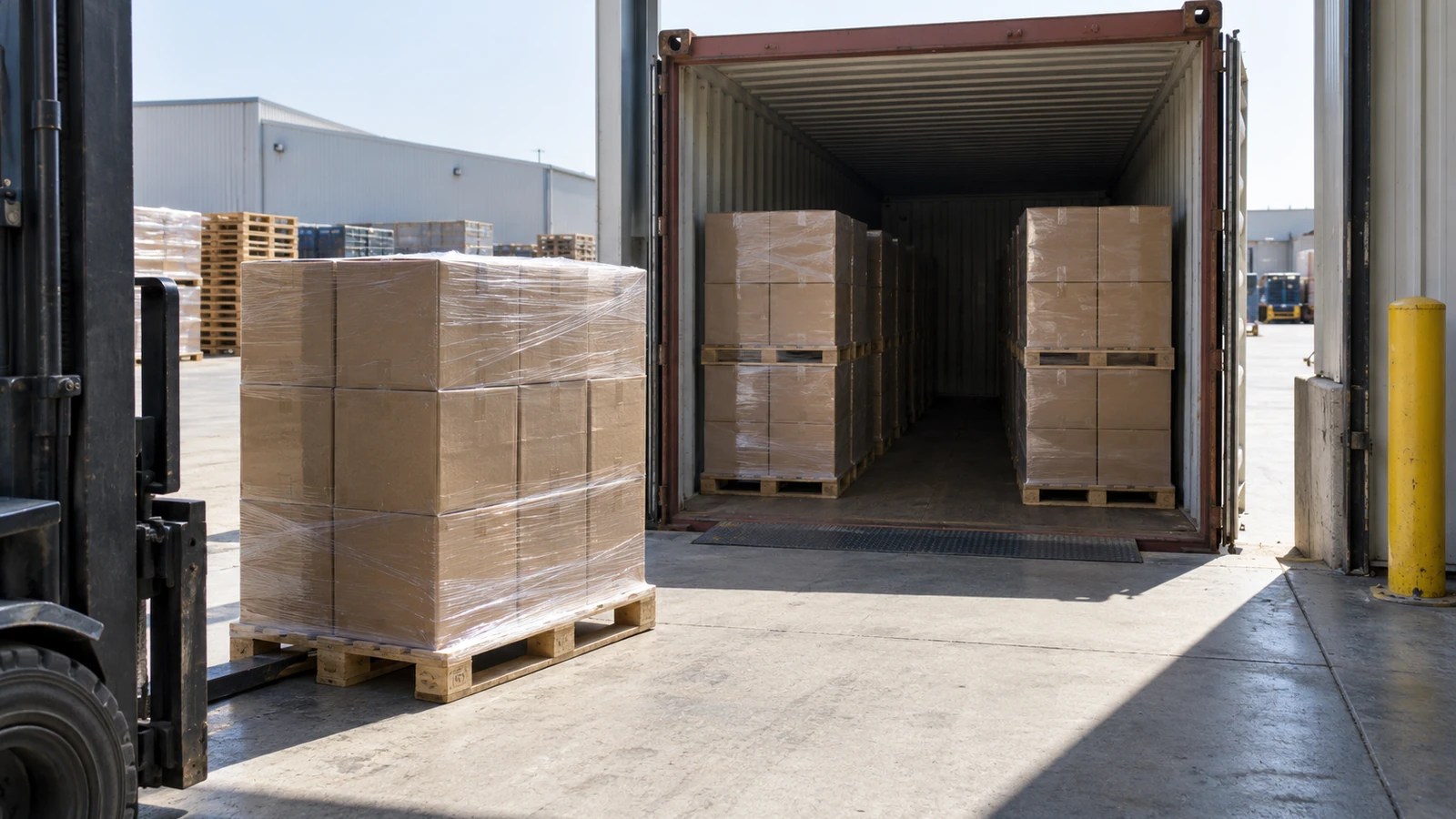
For bulk brad nails, carton design affects whether approved strips survive delivery. Confirm pieces per strip and box, inner support, box orientation, master-carton count, pallet pattern, moisture protection, lot identity, barcode, and separation between similar lengths. Weigh or count representative boxes when count accuracy affects inventory planning.
Photograph crushed corners, loose strips, corrosion evidence, open seams, and label mismatches before material is moved. The receiving record helps distinguish transport damage, packing weakness, and product variation.
Use the tool trial to identify where yield is lost
Keep the nailer, operator, material, support, direction, pace, and setting controlled. Record whether failures follow a strip position, carton position, material zone, rapid firing, one tool, or one operator. A pattern is more actionable than a single complaint that the nails “do not work.”
Follow the nailer manufacturer's procedures and use the NIOSH nail gun safety guide as safety-program context. Do not alter safety mechanisms or operate outside the approved range to make a sample pass.
Set reorder triggers before approving the first shipment
- Minimum usable yield or maximum interruption rate
- Accepted brad dimensions, finish, collation, and sample code
- Pieces per strip, box, carton, and pallet
- Lot and shipment traceability fields
- Receiving sample and retained-control requirements
- Changes that require documents, samples, or renewed line testing
- Complaint response, replacement, and containment timing
A good first shipment is not enough if the next order can change without notice. Connect the accepted result to a controlled specification and a retained supplier and buyer sample.
Know what the calculation cannot prove
Usable yield does not by itself establish structural capacity, corrosion durability, standard compliance, tool safety, or suitability for every material. The ASTM F1667 standard page can support a specification discussion when its actual scope and edition apply, but it does not approve an individual carton or supplier.
Send ProAirNails a yield-ready request
Review the ProAirNails brad nail range, compare the broader pneumatic nails category, and consider pin nails when the visible mark needs to be smaller. Send tool models, lengths, materials, annual demand, box and pallet plan, destination, and sample method through the ProAirNails inquiry page.
When bulk brad nails are priced by usable output, purchasing can compare what reaches the joint instead of what merely appears on the invoice.
FAQ
What does usable yield mean for bulk brad nails?
It is the percentage of received fasteners that remain correctly identified, intact, tool-compatible, and acceptable after the defined loading and drive trial.
How many boxes should I sample?
Set the sample by shipment size, supplier history, packaging layout, product risk, and quality plan. Include different cartons and pallet positions rather than one convenient box.
Should broken strips count as unusable?
Count them separately. Some operations may safely use partial strips under approved procedures, while others treat them as a feed and handling risk.
Can a lower-priced carton still be the better choice?
Yes, if representative trials show acceptable yield, downtime, appearance, joint results, packing, traceability, and repeat-order control.
Why test actual production material?
Wood density, grain, profile, thickness, finish, support, and edge distance can change bending, splitting, head seating, and visible marking.
What should be recorded during tool clearing?
Record tool model, strip position, failure type, time, retained fastener, settings, material, operator, and the approved clearing procedure used.
Does carton weight prove piece count?
It can support a count-control method when product weight variation is understood, but the supplier and buyer should agree on the method and verification.
When should a reorder be retested?
Retest after relevant changes, recurring complaints, long supply gaps, new tools or materials, or when receiving data moves outside the approved range.
Can ProAirNails quote private-label bulk brads?
Private-label boxes, barcodes, languages, SKU layouts, quantities, and artwork approval can be discussed for the specific order and must be confirmed in the quotation.
What information produces the fastest useful quotation?
Provide tool models, gauge or series, lengths, material and finish needs, quantities, packaging, destination, artwork, current sample, and approval method.