
A factory tour can look efficient while leaving the buyer's central question unanswered: will the next shipment run like the approved sample? When evaluating a China brad nails manufacturer, importers need to follow one product from wire and forming through collation, inspection, packing, tool trials, and retained records.
The review should begin with the customer's application. Cabinet trim, furniture components, decorative molding, and light woodworking may use similar-looking brads but expose different problems with entry marks, bending, splitting, finish, and drive depth.
Trace the approved specification to the production floor
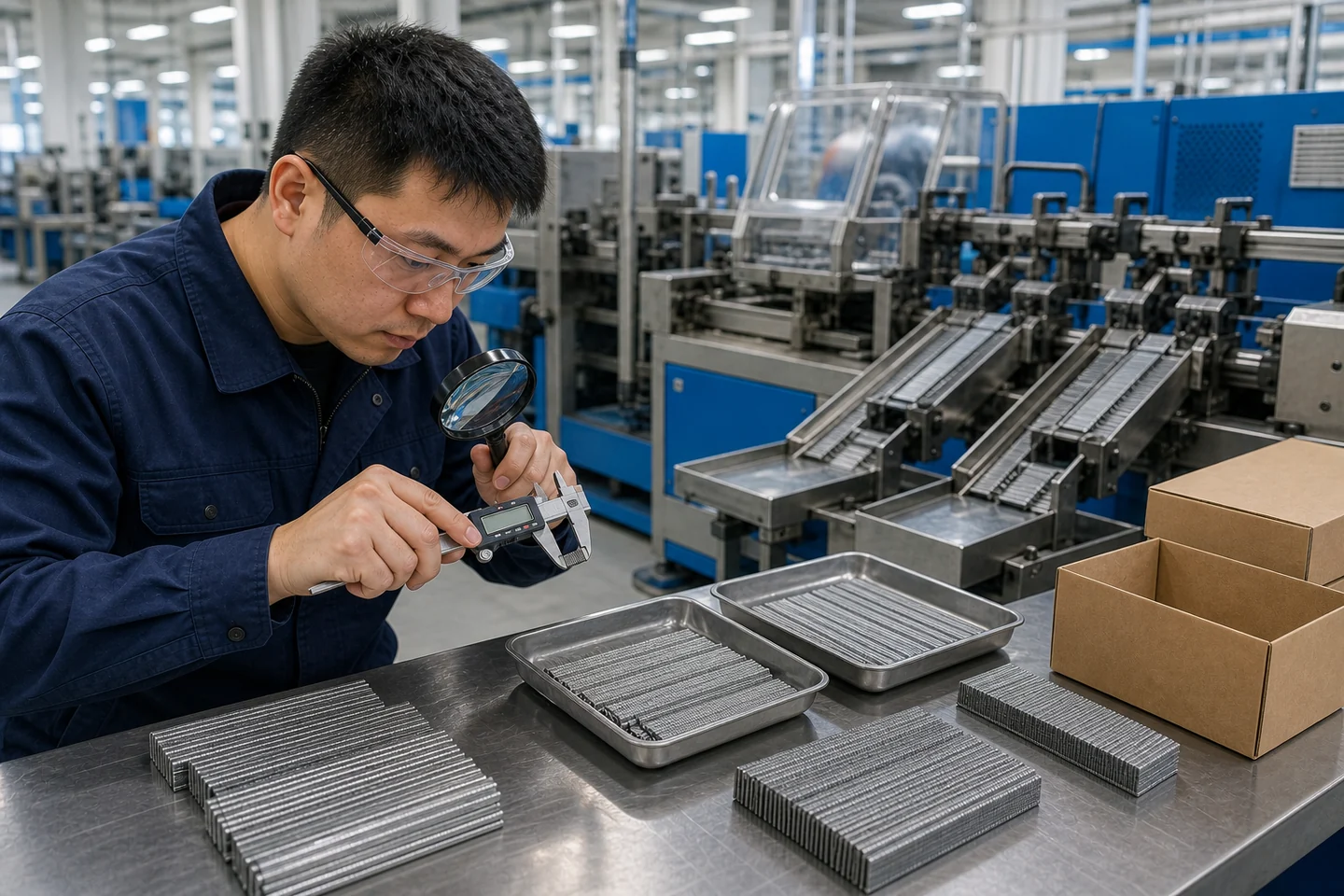
Confirm how gauge, length, head, point, finish, strip angle, and strip quantity are defined. Ask which measurements are made during production, what tools are used, how often checks occur, and where the results are recorded. A drawing without a practical inspection method is only half a control plan.
Wire condition and forming consistency affect straightness. Collation adhesive and alignment affect feeding. Finish may affect appearance, corrosion expectations, and how the strip behaves during driving. The review should connect each important characteristic to the problem it prevents.
Run the brads in real nailers and real material
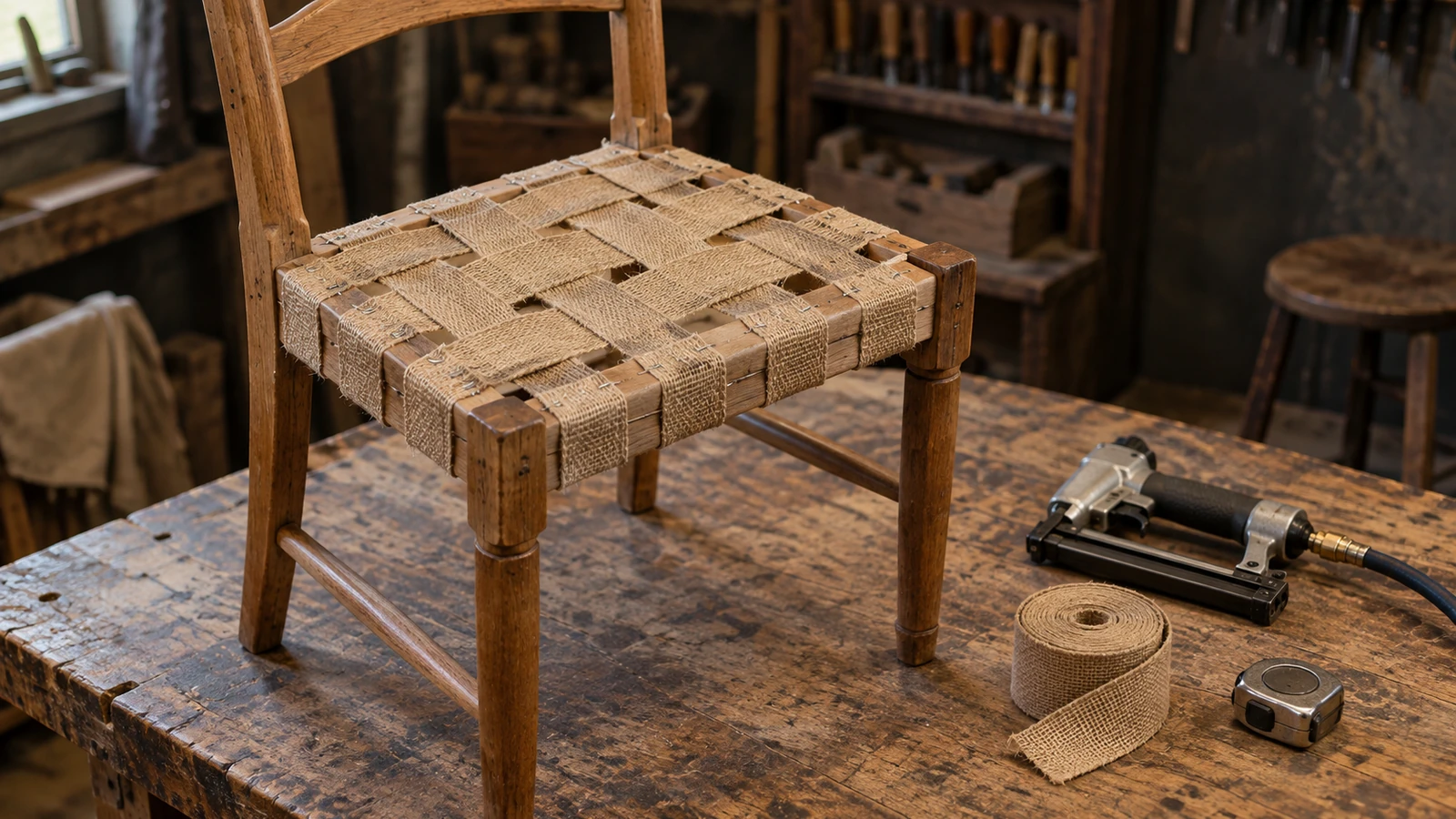
Calipers cannot reveal a dragging strip, repeated dry fire, driver damage, or a brad that follows the grain near an edge. Use the intended nailer models, production air setting, and representative timber or board. Include dense pieces, thin trim, and visible surfaces where an entry mark matters.
Do not stop after a few good drives. Run several strips, change operators when practical, and inspect the final brads in each strip. Record misfeeds, bent fasteners, proud heads, splitting, and any adjustments made to the tool.
Packing is part of feed reliability
Brad strips can leave production within tolerance and arrive broken after a rough journey. Inner trays or boxes, strip orientation, master-carton strength, moisture protection, pallet pattern, and carton weight should be approved with the product.
For private-label programs, verify artwork revision, dimensions, quantity, barcode, language, warnings, and carton marks. Similar lengths need obvious identification to prevent warehouse and customer errors.
Ask how repeat orders are kept connected
A dependable China brad nails manufacturer should link the purchase order to the approved drawing, sample, finish, tool trial, packing file, and inspection plan. When material, process, or packaging changes, the buyer needs a clear review point rather than discovering the difference at the customer's bench.
ISO's overview of quality management standards explains the value of documented, repeatable processes. Buyers still need product-specific evidence and their own acceptance criteria.
How ProAirNails supports importer verification
ProAirNails is a China brad nails manufacturer serving distributors, importers, furniture producers, woodworking brands, and industrial buyers. Customers can share the nailer, current brad, timber, finish, lengths, monthly demand, private-label file, and packing target before samples are approved.
Explore Brad Nails, compare the wider Pneumatic Nails range, or read About ProAirNails.
FAQ
What should importers ask a China brad nails manufacturer to measure?
Confirm gauge, length, head, point, straightness, finish, strip alignment, angle, strip quantity, and any application-specific acceptance points.
Why are tool trials necessary when dimensions are correct?
Tool trials reveal magazine fit, collation behavior, feeding, driving, depth, bending, splitting, and surface marks that dimensional inspection cannot show.
What packing details protect collated brad nails?
Review inner-box support, strip orientation, quantity, moisture protection, master-carton strength, labels, pallet pattern, and mixed-load arrangements.
Share your brad nail program through the ProAirNails inquiry page.