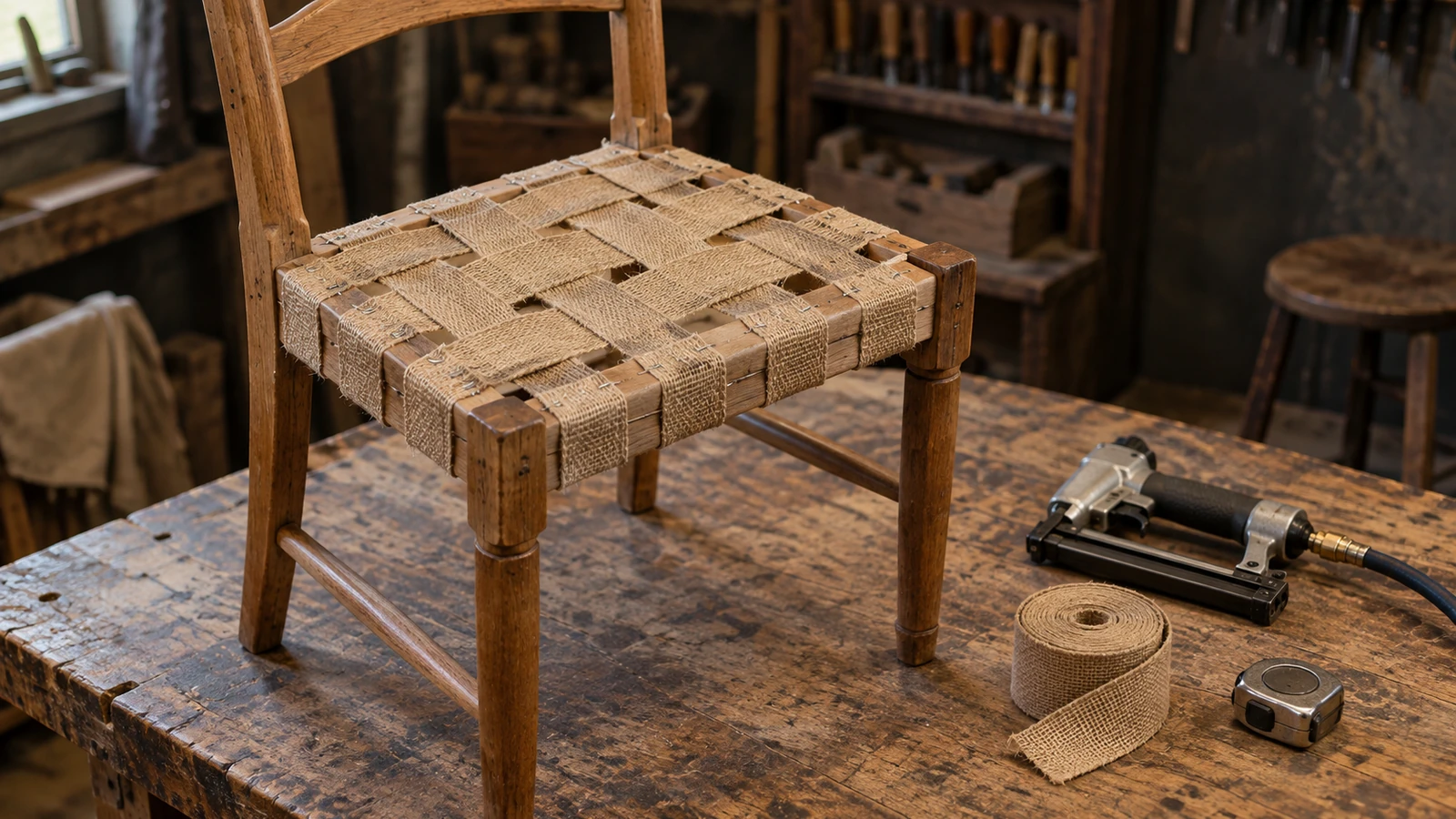

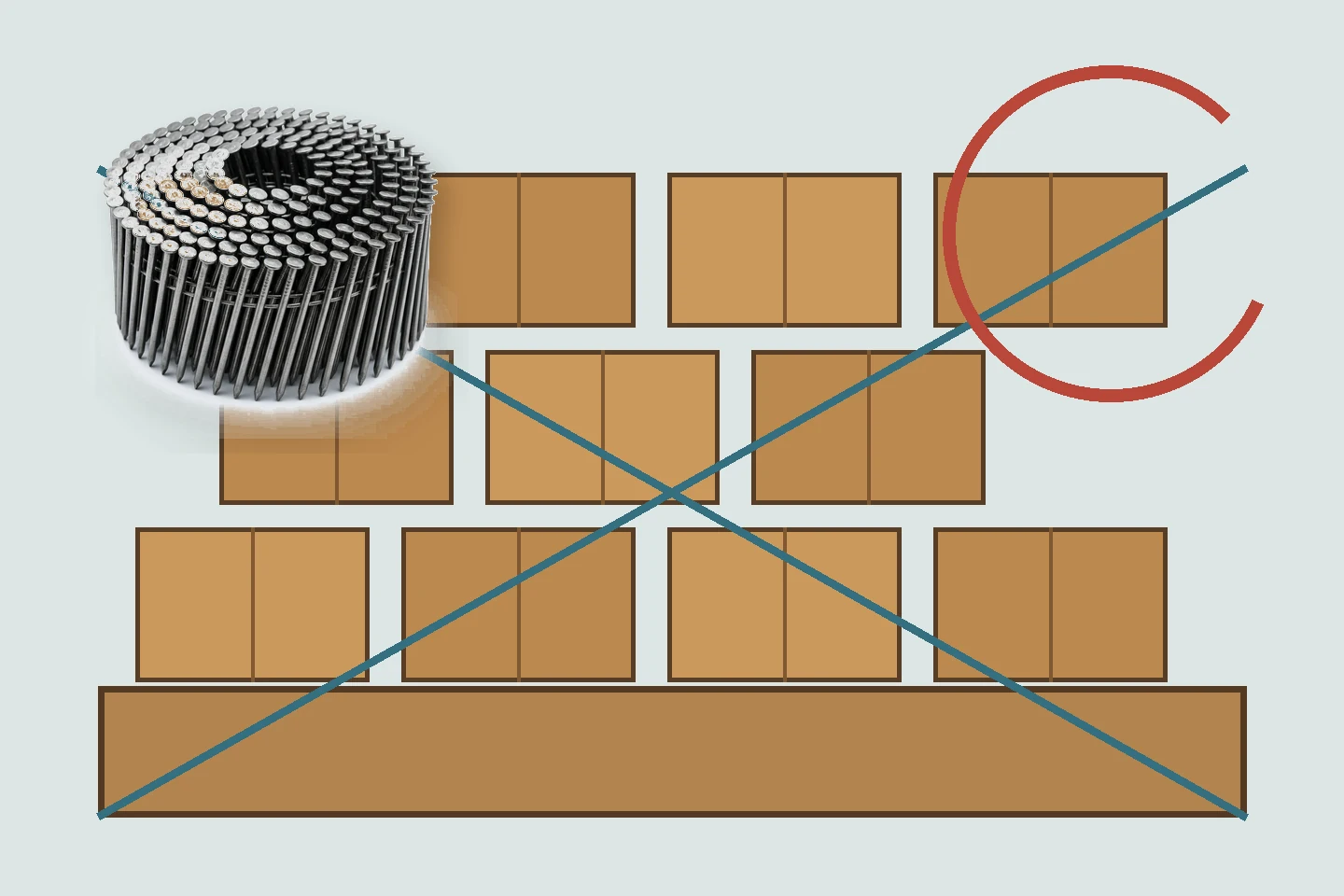
A coil nail pallet loading pattern for export must keep dense cartons inside a stable footprint, distribute compression, protect coil geometry, preserve labels, and survive the actual handling route. A neat warehouse photograph is not enough if the bottom layer crushes, the load shifts, or receiving cannot find the affected lot.
ProAirNails recommends designing from the innermost coil support outward, then confirming the pallet as a handled unit rather than treating stretch wrap as the entire packaging system.
Start with the route, not the drawing
Map factory movement, staging, truck transfer, port handling, container loading, ocean or land transit, destination unloading, storage, and final picking. Record forklift type, pallet entry, stacking, transfer count, expected climate, route duration, and whether cartons will be broken down before the buyer's inspection.
Convert the SKU mix into physical loads
For every SKU, record pieces per coil, coils per inner box, inner boxes per master carton, net and gross mass, carton dimensions, coil orientation, and void space. Similar-size cartons can have very different density. Mixed pallets need a layer-by-layer map so a lighter carton does not become an unsupported base.
| Input | Design question | Evidence |
|---|---|---|
| Carton mass | What compression reaches the bottom layer? | Measured gross mass by SKU |
| Footprint | Does any carton overhang the deck? | Layer dimensions and photographs |
| Coil orientation | Can vertical load distort the collation? | Inner-pack drawing and opened samples |
| SKU mix | Can receiving isolate one identity? | Layer and label map |
| Handling route | Where can impact or tilt occur? | Transfer and equipment review |
Choose a layer logic that can be repeated
Compare column stacking, interlocking, and hybrid layers. Column stacks can align carton strength but may slide without adequate restraint. Interlocking may improve unit cohesion yet place load over weaker carton areas. A hybrid can preserve vertical paths while changing selected layers. Record each orientation and prohibit improvised gaps.
Keep every carton inside the pallet footprint
Overhang exposes corners to impact and reduces supported area. Excess underhang can waste container space and invite irregular filler. Set a verified footprint, deck condition, entry direction, maximum height, and center-of-mass expectation. Do not allow a short mixed layer to float without a designed support or divider.
Design restraint as several cooperating parts
Stretch film, straps, edge protectors, top frames, slip sheets, anti-slip material, and pallet blocks perform different functions. Film containment does not replace vertical compression strength, and a tight strap can crush carton edges. Define wrap start, overlap, number of passes, tension basis, strap location, corner protection, and tail security.
- Keep straps away from unsupported carton centers.
- Protect readable labels from wrap glare and abrasion.
- Block sharp pallet projections.
- Record the completed pallet mass and height.
- Photograph all four sides and the top before loading.
Run a route-representative handling trial
The proposed coil nail pallet loading pattern for export should be lifted from every intended entry, moved through realistic turns, staged, and inspected after controlled handling. Where justified, a qualified packaging laboratory can design vibration, shock, compression, or distribution-cycle work. The ASTM D4169 page describes performance testing of shipping containers and systems, but the buyer must select an appropriate assurance level, distribution cycle, samples, and acceptance rules.
Inspect the product after the pallet, not only the pallet
A unit load can remain upright while inner boxes soften, coil circles distort, wires protrude, labels rub away, or cartons transfer moisture. Open selected upper, middle, lower, corner, and center cartons. Compare coil diameter, collation stability, visible finish, count, strip or coil freedom, and a controlled tool sample where risk warrants it.
Make identity visible through every layer
Use pallet ID, lot, SKU, quantity, gross mass, destination, carton sequence, and handling information consistently. The official ISO 780 page covers graphical symbols for handling and storage of packages. Symbols support communication but do not replace the SKU map, restraint specification, or destination-language requirements.
Use a loading map and exception rule
| Event | Required record | Decision |
|---|---|---|
| Planned mixed layer | SKU positions and quantities | Approve only defined combinations |
| Short carton count | Gap location and approved filler | Rebuild or use controlled support |
| Damaged base carton | Photos, lot, product check | Replace and inspect adjacent scope |
| Shift after handling | Movement, wrap, strap, layer condition | Redesign before shipment |
| Wet or soft packaging | Exposure and carton positions | Hold affected pallet and inspect inward |
Connect loading to container and receiving plans
Specify pallet orientation, load sequence, blocking, door clearance, weight distribution, desiccant or moisture strategy where applicable, and unload sequence. Provide receiving with photographs and the pallet map before arrival. ProAirNails can review coil nails, related pneumatic nails, the product range, and packing details through the inquiry page.
Put the pattern into the purchase order
Send carton dimensions and mass, pallet standard, allowed SKUs, layer diagram, maximum height and mass, wrap and strap instructions, label positions, moisture controls, photographs, trials, acceptance, and deviation authority. A controlled coil nail pallet loading pattern for export should be a released packing document, not a preference remembered by one loading team.
Recognize the model's limits
No pallet trial represents every port impact, climate cycle, container condition, forklift operator, or long-term storage route. Product conformity must still be sampled. ProAirNails can prepare agreed packing evidence, while carriers, packers, and buyers retain responsibility for safe loading, legal mass limits, route requirements, and final acceptance.
Use the coil nail pallet loading pattern for export as a physical traceability map: every layer supports the one below it, and every exception remains visible at receipt.
FAQ
Why are coil nail cartons difficult to palletize?
They can be dense, sensitive to edge compression, and vulnerable to inner coil or collation distortion even when the outer load looks upright.
Is interlocking always stronger?
No. It may improve cohesion but can interrupt vertical compression paths, so carton construction and layer testing matter.
Should cartons overhang the pallet?
They generally should remain inside the verified footprint to preserve support and reduce edge impact exposure.
Can stretch film prevent crushing?
No. Film provides containment; carton strength, stack geometry, edge protection, and load distribution control compression.
What belongs on a mixed-pallet map?
Show every layer, SKU, quantity, orientation, filler, label face, lot, and approved exception.
What should be checked after a handling trial?
Inspect load shift, corners, wrap, straps, pallet deck, carton softness, coil condition, labels, and selected product samples.
Do handling symbols replace written instructions?
No. They support recognition but do not define the full packing, identity, restraint, or acceptance plan.
How should a short layer be handled?
Rebuild it or use an approved support and restraint method; do not leave an improvised unsupported gap.
Which photographs should ship with the record?
Keep all four sides, top, labels, pallet ID, layer changes, restraints, container position, and any exception.
What should receiving compare first?
Compare pallet ID, seal and shipment records, visible condition, layer map, carton counts, labels, and damage locations before breakdown.