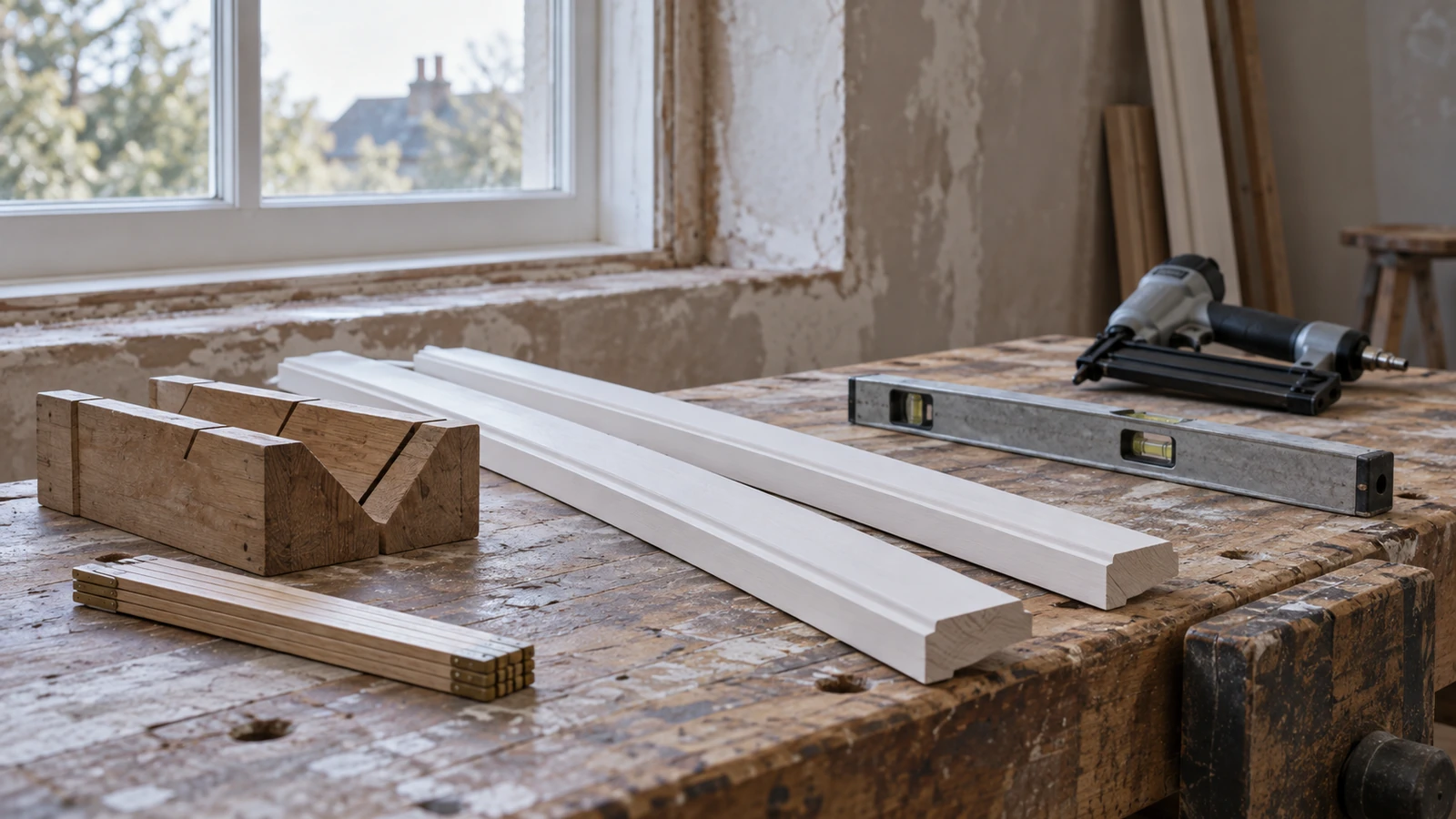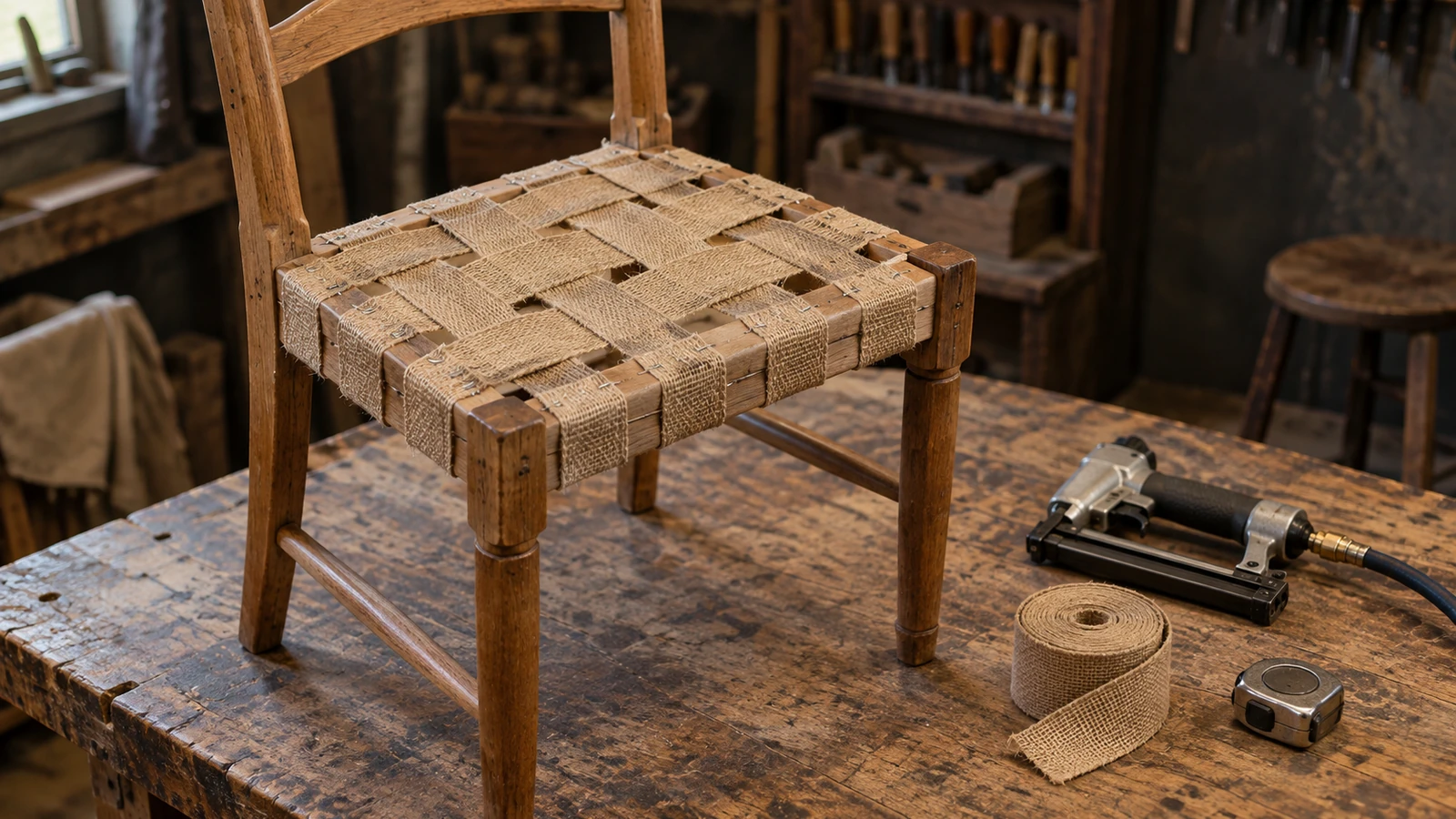

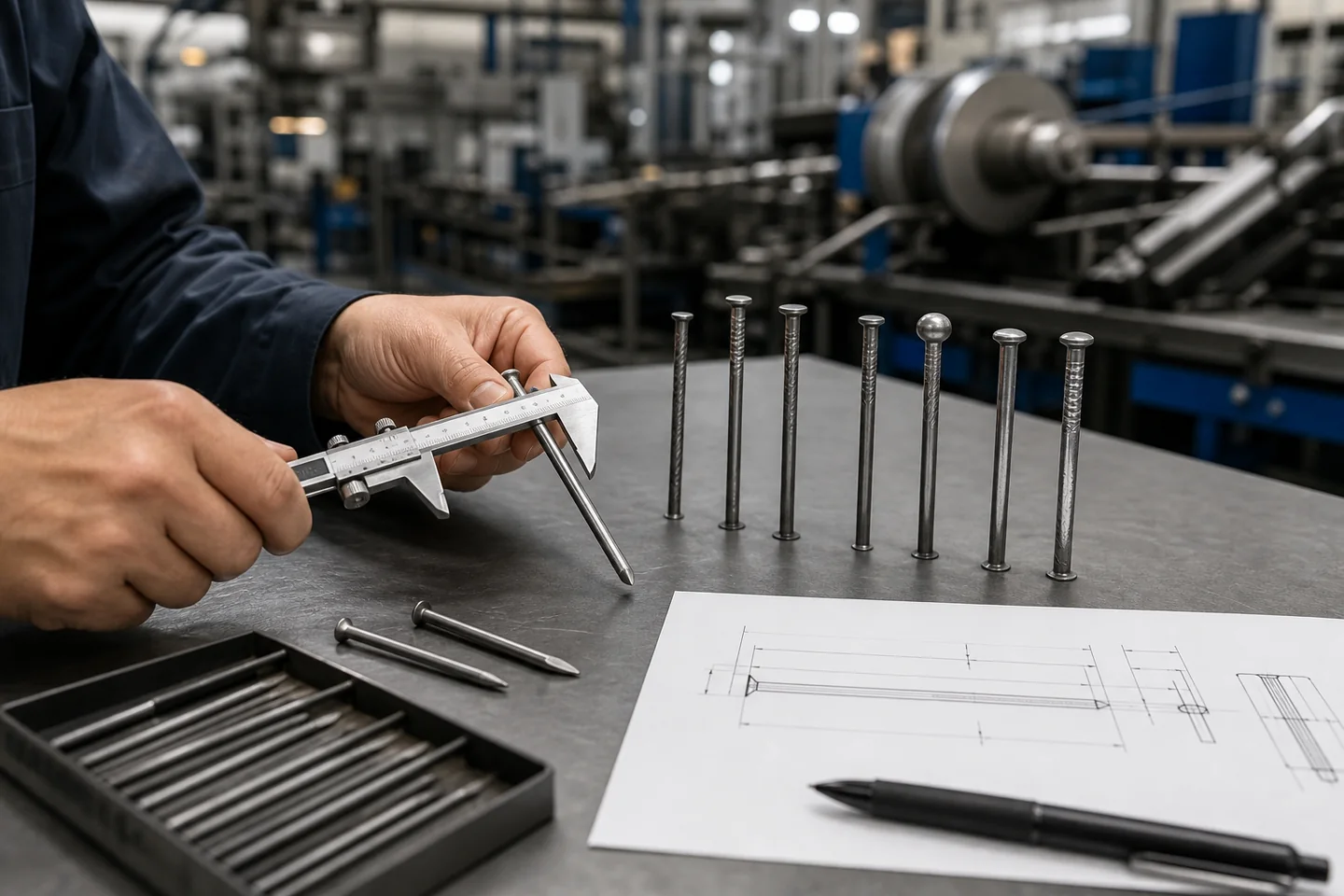
A custom nail often begins with something surprisingly ordinary: an existing sample, a marked-up drawing, a tool model, or a production problem that standard products do not solve. Turning that starting point into a repeatable fastener takes more than copying dimensions.
A capable custom nails manufacturer connects the nail with the application, material, tool, packing, inspection method, and order volume. The goal is not simply to make a different nail. It is to create a product that can be manufactured, tested, shipped, and reordered with confidence.
The application gives meaning to the drawing
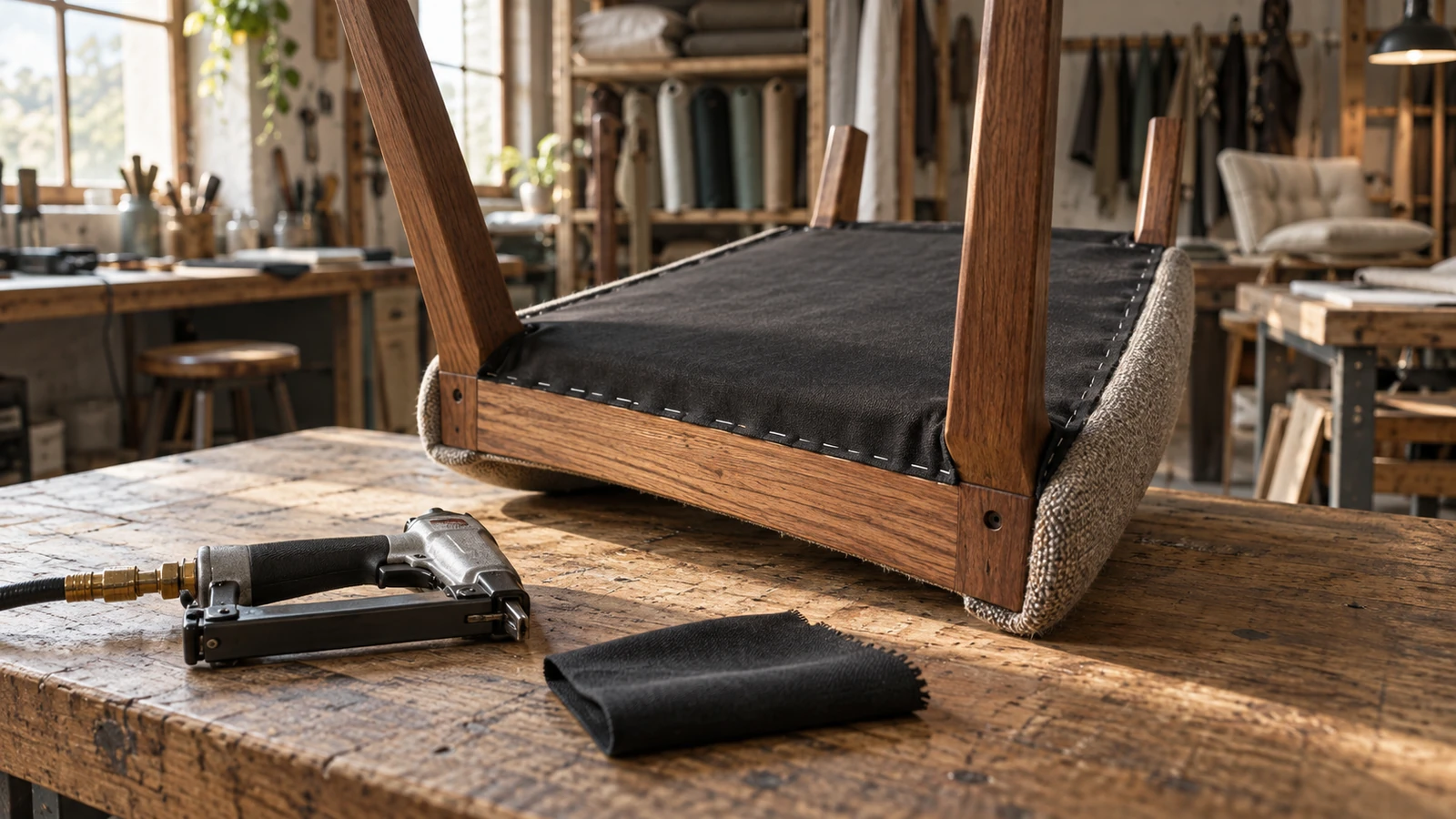
Dimensions tell the factory what the nail looks like. The application explains why those dimensions matter. A nail used in a pallet line may prioritize feed speed and holding power. A furniture nail may place more emphasis on surface marks and bending. A special assembly may depend on a particular point, head, shank, or material.
When buyers share the failure they are trying to prevent, the development conversation becomes much more useful. The manufacturer can distinguish critical features from details that may be adjusted for stable production.
A sample is the beginning of evidence, not the end
The first sample answers basic questions about dimensions, appearance, and feasibility. It does not automatically prove performance. A responsible custom nails manufacturer still expects collated or pneumatic nails to be tested in the intended tool, and all custom nails to be evaluated in the real material and joint under realistic working conditions.
Useful feedback is specific: where the nail bent, how it fed, what mark it left, how the joint behaved, and whether the packing protected the samples. Clear observations help the next sample improve for the right reason.
Tool trials turn a prototype into a production candidate
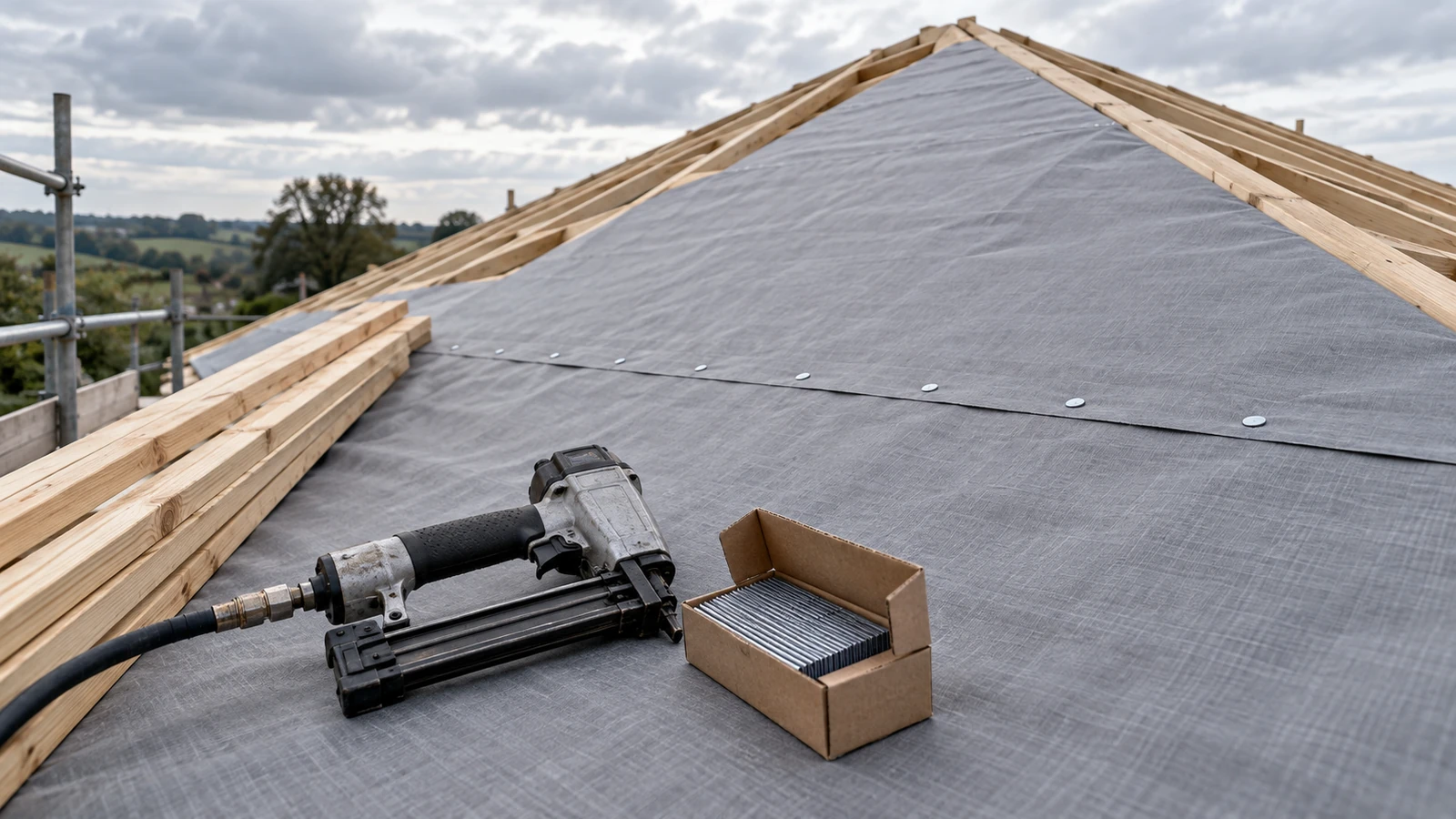
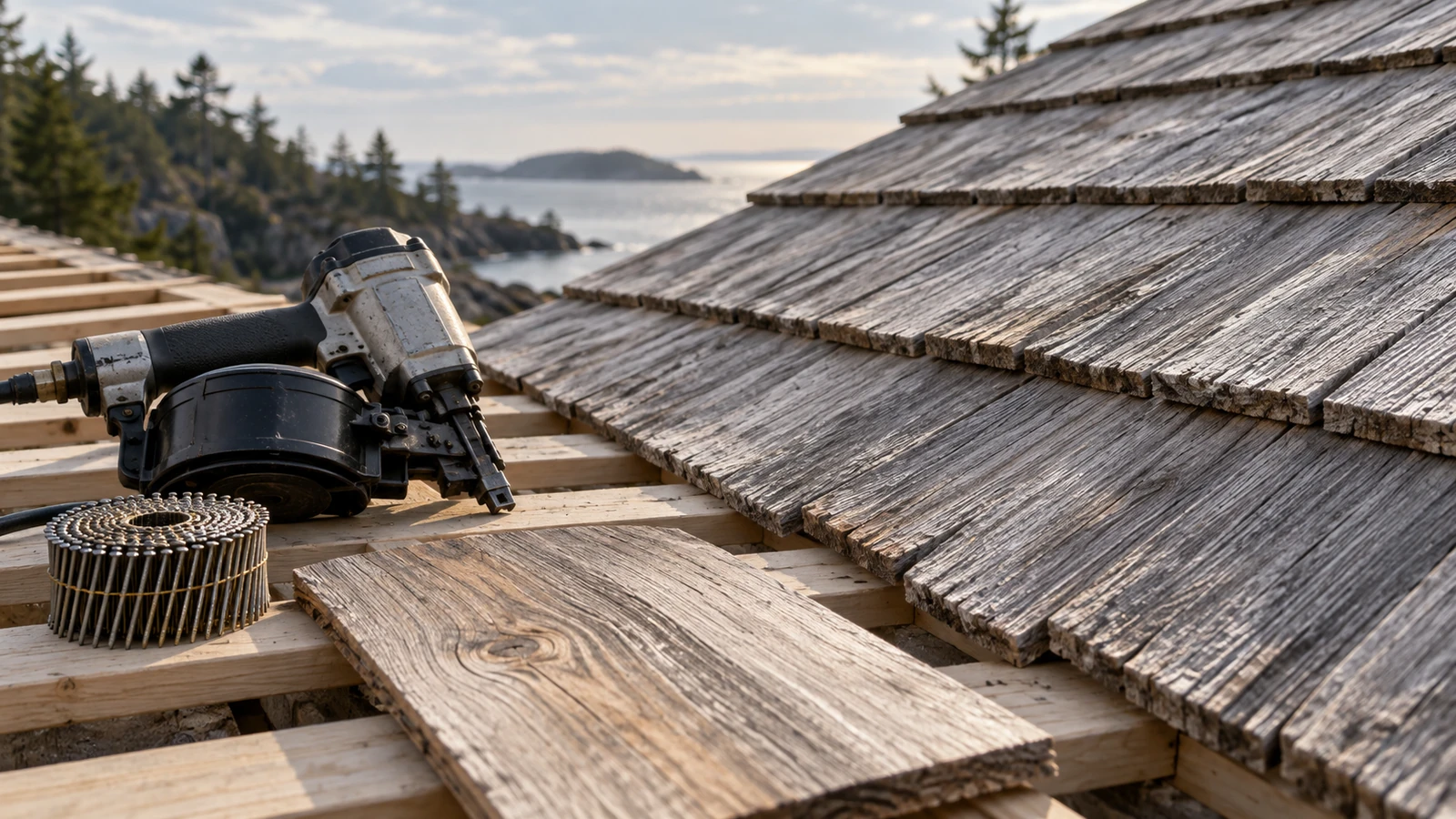
For pneumatic fasteners, the tool is part of the system. Gauge, angle, collation, magazine fit, and release behavior all need to work together. A nail that meets a drawing but feeds poorly is not production-ready.
A longer trial also reveals consistency. Several strips or coils show more than a handful of carefully selected pieces. That evidence supports a sound approval decision before the project reaches full volume.
Packing is part of the product customers receive
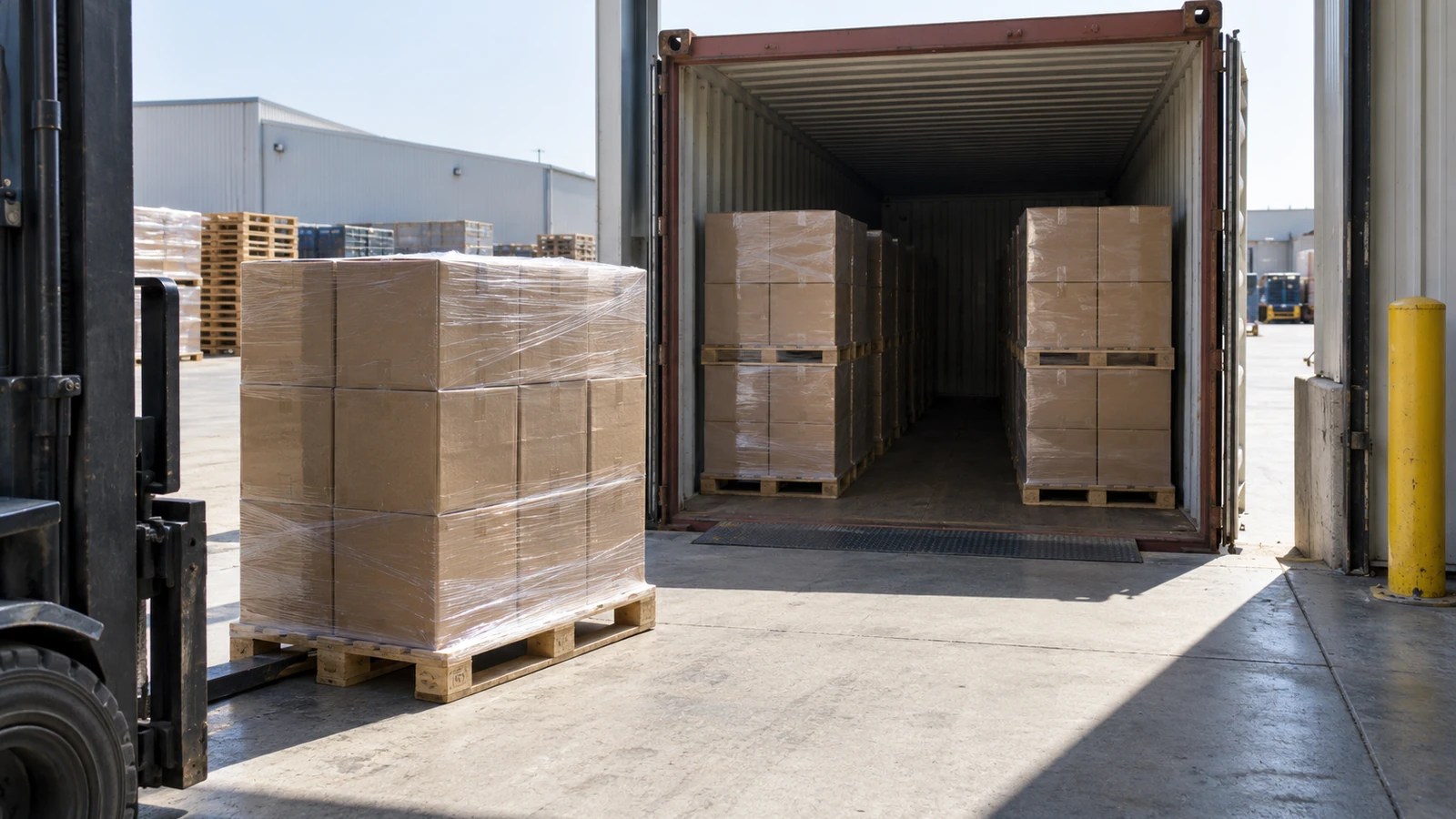
Private labels, barcodes, inner-box quantities, master cartons, and pallet protection should be approved alongside the nail. A technically correct fastener can still create commercial problems if labels are unclear, cartons fail in transit, or warehouse teams cannot distinguish similar versions.
Revision control keeps the project stable. The approved drawing, sample, artwork, and packing file should share a clear reference so future orders do not depend on memory.
What ProAirNails brings to custom fastener projects
As a custom nails manufacturer, ProAirNails works with importers, distributors, factories, and brand owners sourcing pneumatic nails, brad nails, coil nails, pin nails, staples, screws, and related tools. This wider product perspective helps us discuss custom requirements in the context of the customer's complete fastening program.
Buyers can review Pneumatic Nails, explore Coil Nail, or read About ProAirNails. ISO provides a useful overview of process consistency through ISO 9001 quality management.
FAQ
What is the best starting point for a custom nail project?
A drawing plus an existing sample is ideal, supported by the application, tool model, material, annual volume, and the problem the design needs to solve.
Why are tool trials important for custom pneumatic nails?
They confirm magazine fit, collation, feeding, driving, and consistency under conditions similar to real production.
Can ProAirNails support private-label packing?
Yes. Buyers can discuss artwork, barcodes, box quantities, master cartons, pallet protection, and repeat-order file control.
Start a custom fastener discussion through the ProAirNails inquiry page.