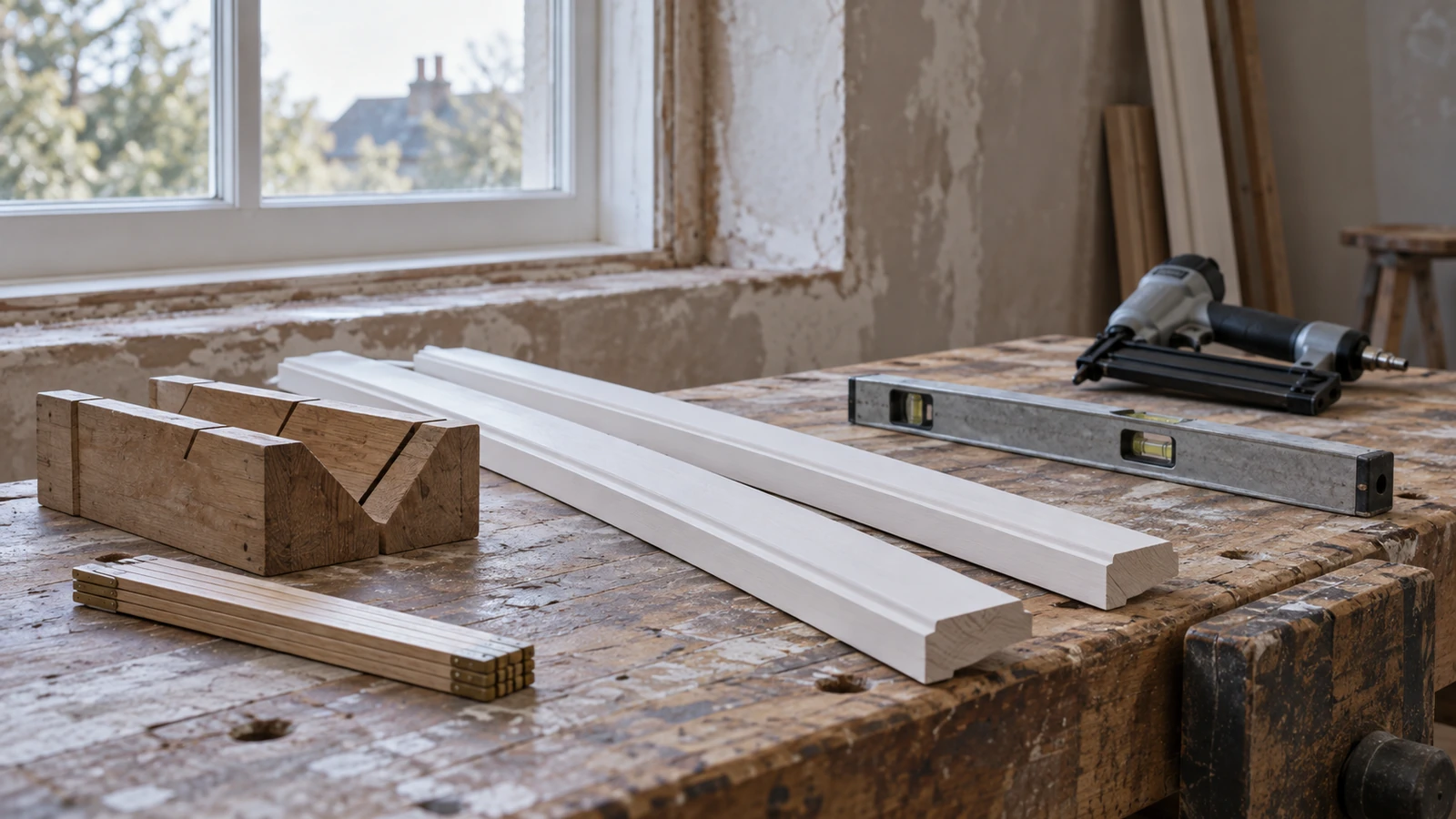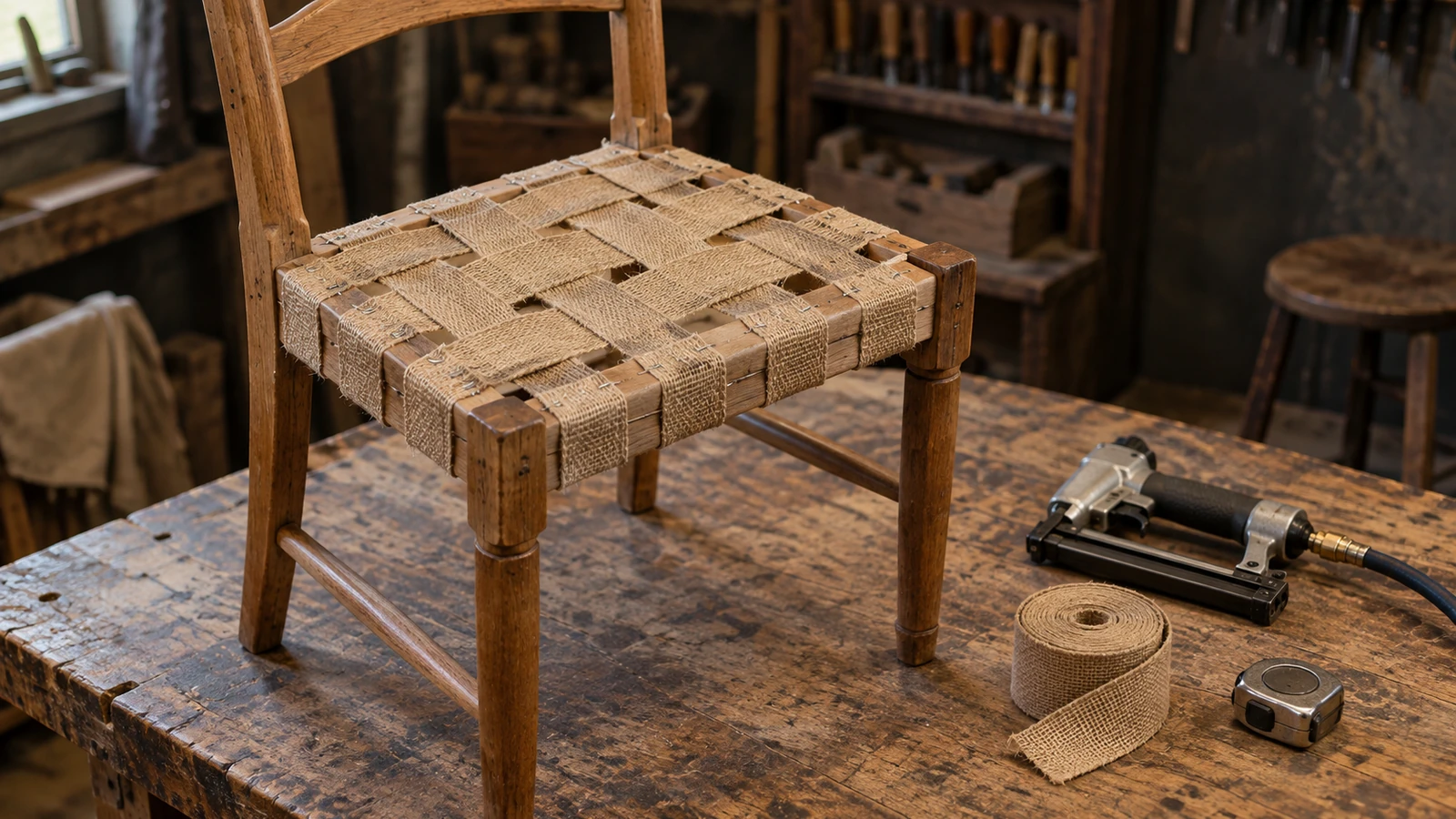

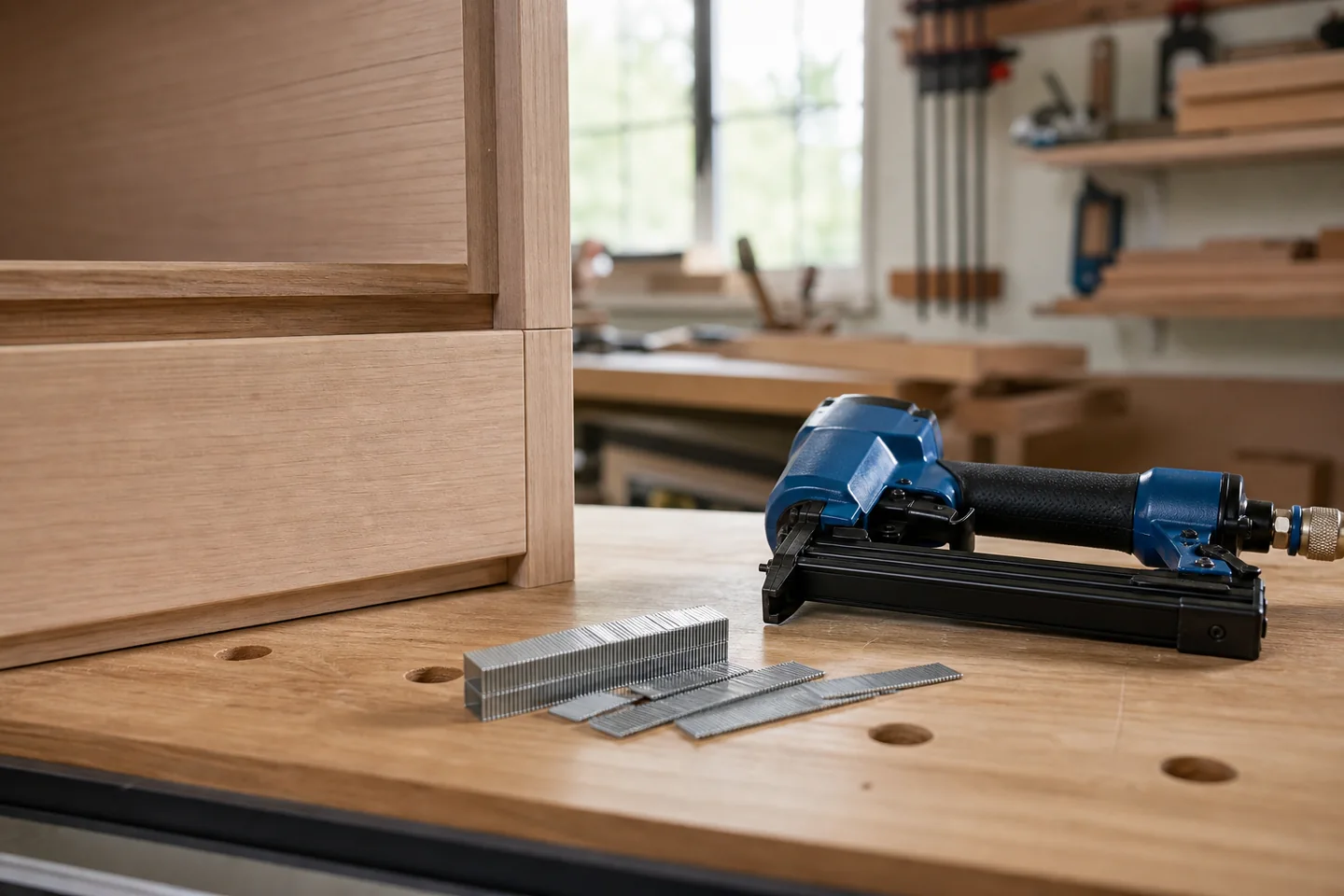
Picture a narrow oak molding running along the edge of a cabinet door. The grain is clean, the finish is already looking good, and one large nail mark would pull the eye straight away. This is the kind of job where galvanized pin nails make sense.
A pin nail is not trying to be a screw or a heavy brad. It has a quieter role. It keeps a small part from wandering, gives a glued joint time to settle, and leaves the woodworker with far less evidence to hide afterward.
The smallest mark can protect the biggest design idea
Furniture and interior products are viewed from arm's length, sometimes closer. No customer asks to inspect the hidden fasteners, yet a cracked profile or an obvious filled hole is easy to spot. A fine pin lets the line of the timber continue without interruption.
Cabinet trim, glazing beads, picture frames, decorative profiles and small moldings are familiar examples. So are awkward pieces that seem determined to slide the moment adhesive is applied. A few well-placed pins can hold the alignment while the glue does the lasting work.
Galvanized does not mean one solution for every environment
The galvanized finish can be useful during storage and for normal interior service, but it is not a passport into every damp or exposed environment. Humidity, treated timber and the final coating all change the conversation. An indoor cabinet and an outdoor assembly simply do not ask the same thing from a tiny steel pin.
Length deserves equal attention. Too short, and the piece can still move. Too long, and the pin may follow the grain before appearing where nobody wanted it. For detail work, extra length is not automatically extra security.
What good pin nails feel like on the bench
The first strip may behave perfectly. The tenth is more revealing. Good collation feels uneventful: the strip loads, the tool feeds, and each pin reaches a similar depth. There is no need to stop and pick fragments from the magazine or rescue bent pins from a finished edge.
That uneventful rhythm is valuable. It keeps attention on alignment and surface quality, where a skilled operator's time is better spent. For a factory or distributor, dependable cartons matter more than one flawless hand sample.
How ProAirNails supports detail-focused woodworking
For ProAirNails, an inquiry about galvanized pin nails usually begins with the finished piece, not a carton count. Importers, distributors and furniture producers can bring us the nailer model, a troublesome joint or a target size. From there, the discussion can cover pin nails, brads, tools and packing without separating details that affect one another.
Buyers can explore Pneumatic Nails, compare related Brad Nails, or learn more about the company at About ProAirNails. For material and coating terminology, ASTM International provides widely used standards resources.
FAQ
Are galvanized pin nails mainly used for visible woodwork?
They are often selected for detail-focused work because their small entry mark helps reduce filling and touch-up, but suitability still depends on the joint and tool.
Can pin nails hold a joint without adhesive?
They can provide light holding power, but many fine woodworking applications use them to stabilize parts while adhesive develops strength.
What should buyers provide when requesting pin nails?
The most useful details are the pin nailer model, gauge, required lengths, finish, wood type, application, order quantity, and packing expectations.
Discuss your next pin nail order through the ProAirNails inquiry page.