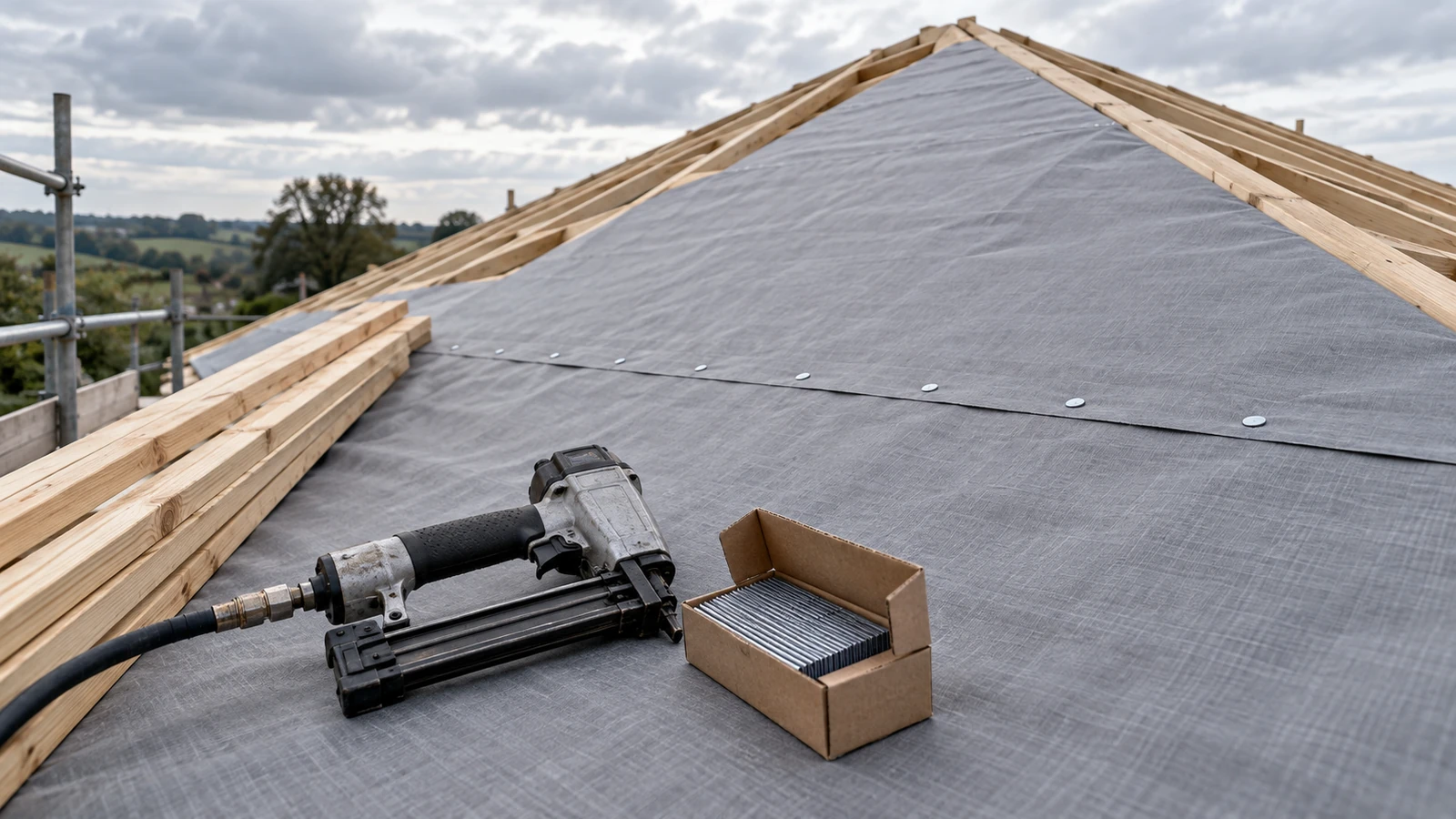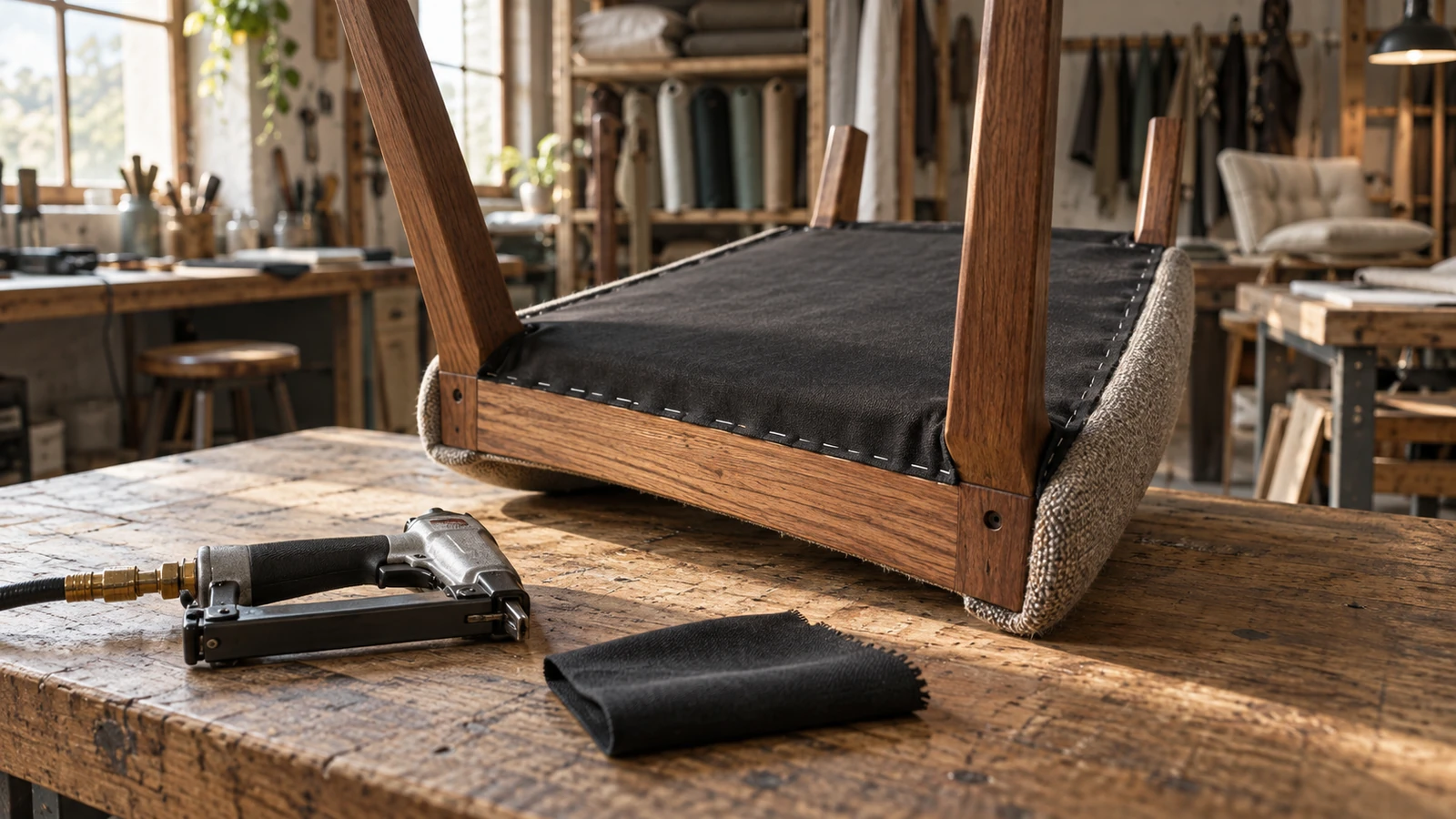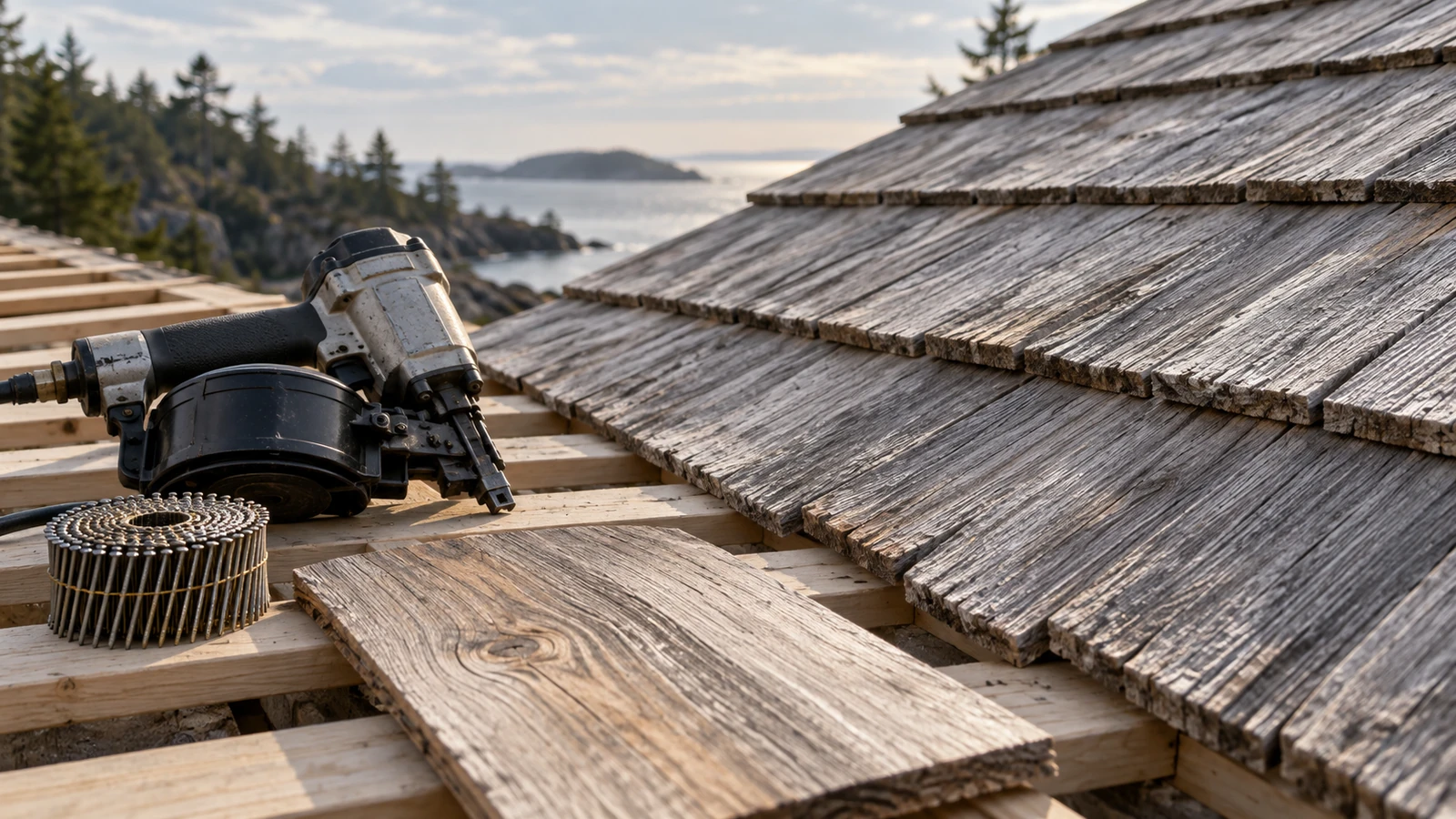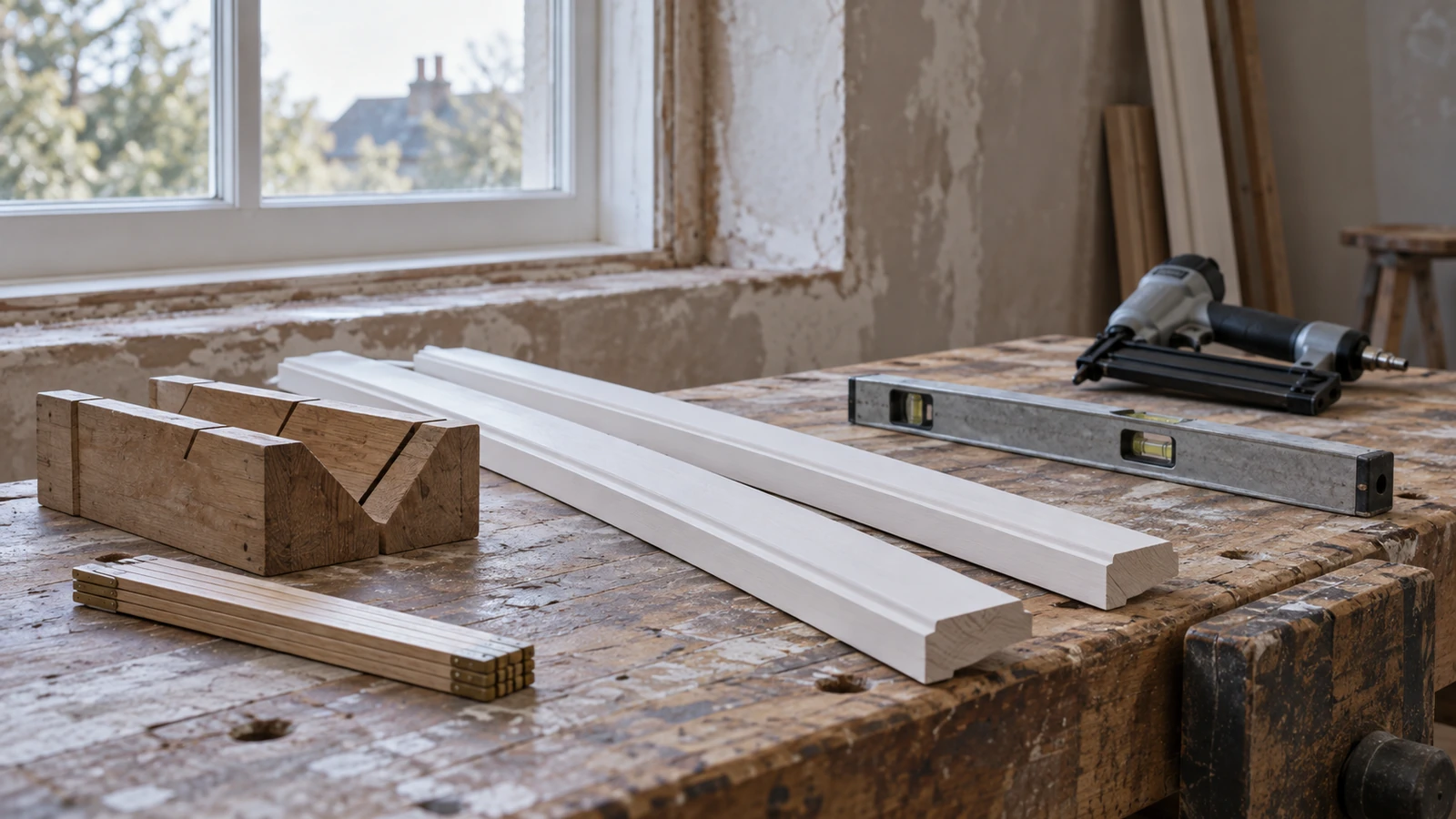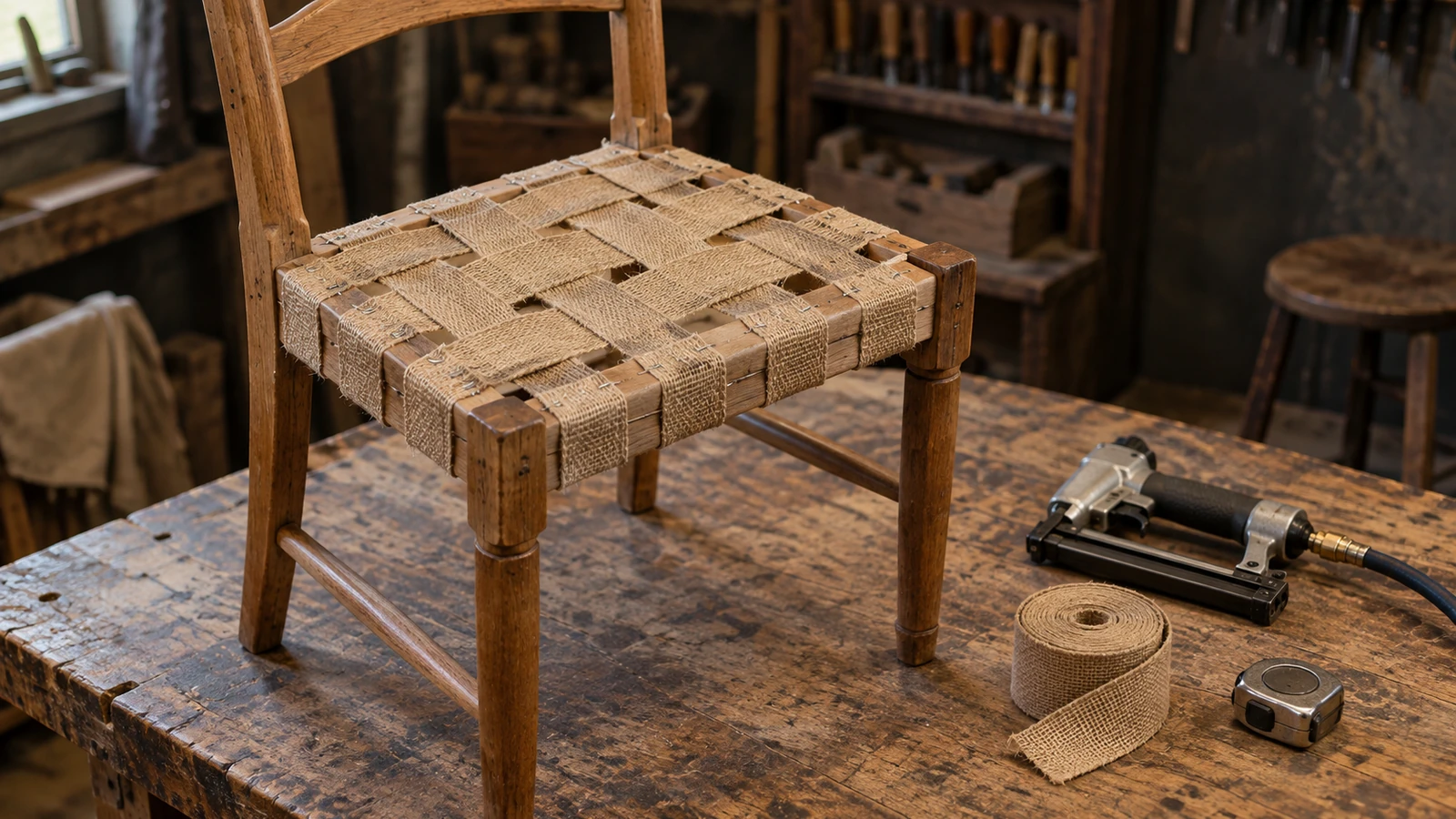

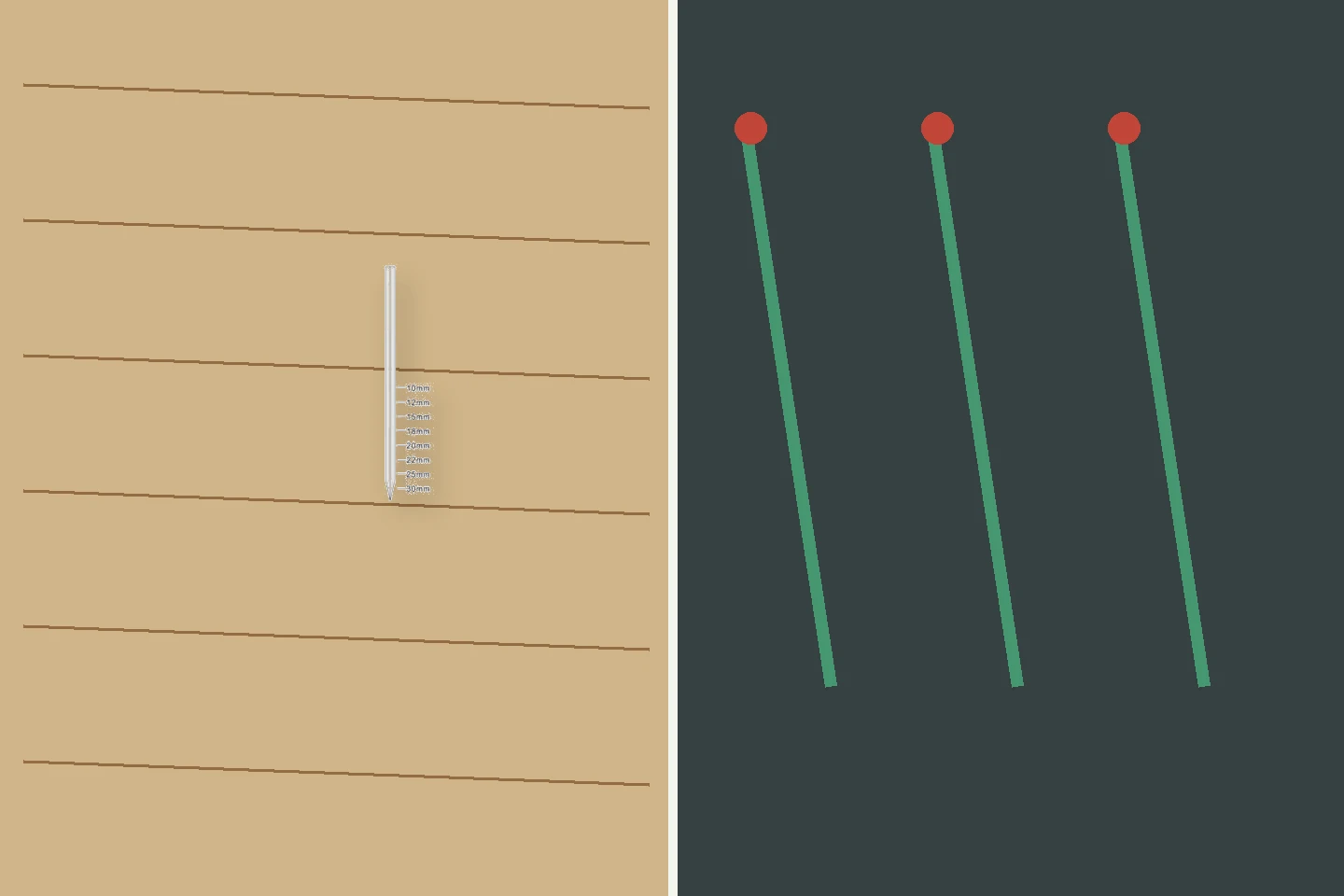
Approve a headless nails supplier only after two separate verdicts: the surface verdict covers the entry mark and finished appearance, while the hidden verdict covers path, holding contribution, material response, and repeatability. One result cannot stand in for the other.
ProAirNails uses this split because a nearly invisible entry point may hide a deflected pin, and a secure mock-up may still require unacceptable filling or refinishing. The buying decision needs evidence from both sides of the workpiece.
Verdict one: define an acceptable surface
Write the appearance rule before testing. Name the viewing face, material, coating stage, lighting, viewing distance, allowable witness mark, filler allowance, sanding allowance, and rejection rule. Photograph accepted and rejected examples beside a scale and sample ID.
Do not describe the target only as “invisible.” A raw hardwood edge, painted molding, veneered panel, and clear-finished cabinet part reveal different marks.
Build the surface score from observable causes
| Surface signal | Record | Possible contributors |
|---|---|---|
| Entry mark | Width, shape, raised fiber | Pin profile, driver blade, grain |
| Depth | Proud, flush, controlled recess | Pressure, depth setting, support |
| Tool contact | Dent, scuff, nose imprint | Nose condition, angle, force |
| Finish response | Crack, chip, discoloration | Coating, brittleness, sequence |
Keep tool contact damage separate from the fastener entry mark. This avoids blaming a pin lot for a worn nosepiece or inconsistent operator pressure.
Verdict two: expose the hidden path
Use transparent substitutes only for early observation; confirm the final decision in the real material stack. Section representative joints or use another controlled method to inspect deflection, breakout, splitting, penetration, and proximity to edges or visible faces.
Record the role of adhesive and clamping. Headless pins often locate or hold parts while adhesive develops strength, so the test must reflect the intended assembly rather than imply that the pin alone carries every load.
Compare both verdicts on one trial matrix
| Variable | Surface verdict | Hidden verdict | Decision |
|---|---|---|---|
| Pin length | Mark and depth | Penetration and breakout | Approve by joint |
| Entry direction | Grain disturbance | Deflection direction | Fix work instruction |
| Tool setting | Recess consistency | Complete drive | Define operating window |
| Material lot | Finish sensitivity | Density and splitting | Test relevant variation |
Change one controlled factor at a time. Use enough drives across operators, tools, and normal material variation to distinguish a pattern from an isolated event.
Ask the sample to represent future production
Require size, profile, material, finish, collation, strip count, proposed production route, sample reference, and date. The headless nails supplier should state whether the sample came from normal equipment and whether any process or material will differ in the order.
- Test every named tool model and approved setting range.
- Use actual joint geometry, edge distance, support, adhesive, and pace.
- Count loading issues, skips, doubles, jams, incomplete drives, and rejects.
- Retain labeled accepted strips and assembled samples.
- Define which changes require notification and reapproval.
Protect the verdicts during packing and shipment
Inspect strip straightness, broken collation, mixed sizes, count, inner support, carton labels, lot identity, moisture protection, and pallet separation. Repeat loading and application checks after representative transport handling. A good factory trial cannot approve damaged delivered strips.
Where international delivery applies, use the ICC Incoterms rules resource to specify the rule, named place, and version, then assign inspection and damage responsibilities explicitly.
Release receiving with a short confirmation test
At receipt, match purchase order, carton, box, strip, and product identity. Sample critical dimensions under the agreed method, review packing condition, then repeat a limited surface and hidden-path trial against the approval baseline. Quarantine unexplained differences before production use.
Ask the headless nails supplier to reference that receiving baseline on the purchase order and shipment record.
Follow each tool manual and use the NIOSH nail gun safety guide as broader safety context. Never bypass safety features to force a sample through.
Use standards without overstating them
The ASTM F1667 standard page may inform driven-fastener discussions where its scope and edition apply. It does not approve a supplier, guarantee tool compatibility, or replace testing in the buyer's joint.
The limitation of the two-verdict method is that it describes tested combinations. It cannot prove every future wood lot, coating, tool condition, operator, or production lot will behave identically.
Send ProAirNails a two-sided application brief
Review ProAirNails pin nails, related brad nails, and the broader pneumatic fastener range. Send materials, finish, joint, tools, quantity, packing, destination, and both acceptance rules through the ProAirNails inquiry page.
A capable headless nails supplier helps the buyer reach an explicit surface verdict and an equally explicit hidden verdict before bulk release. Record both decisions beside the approved sample so purchasing, receiving, quality, and production apply the same boundary on every reorder.
FAQ
Why are two verdicts necessary for headless pins?
The visible entry result and the hidden path or holding result reveal different risks, so neither can safely represent the other.
What should a surface acceptance rule include?
Define face, material, finish stage, lighting, viewing distance, allowable mark, repair allowance, and rejection examples.
How can a buyer inspect a hidden pin path?
Use controlled sectioning or another validated inspection method on representative joints, then document deflection, breakout, penetration, and splitting.
Should adhesive be included in the trial?
Yes, when adhesive is part of the real joint, because pins may locate components while the adhesive develops its intended strength.
How many tools should be tested?
Test every model intended for approval, including relevant normal variation in condition, settings, operators, and production pace.
What makes a supplier sample traceable?
It needs product identity, configuration, production route, date, sample or lot reference, and a link to the proposed order.
Why repeat tests after transport handling?
Handling can bend strips, break collation, mix sizes, or change feed behavior even when the original factory sample passed.
What should trigger reapproval?
Relevant changes to material, dimensions, finish, collation, equipment, site, packing, tool, joint, or acceptance rule should trigger review.
Can a standard prove suitability for furniture work?
No. A relevant standard can support specification discussion, but application evidence must cover the actual material, finish, joint, and tool.
What should I send for a quotation?
Send pin specifications, tools, materials, joint drawings, finish requirements, volumes, packing, destination, schedule, and acceptance criteria.