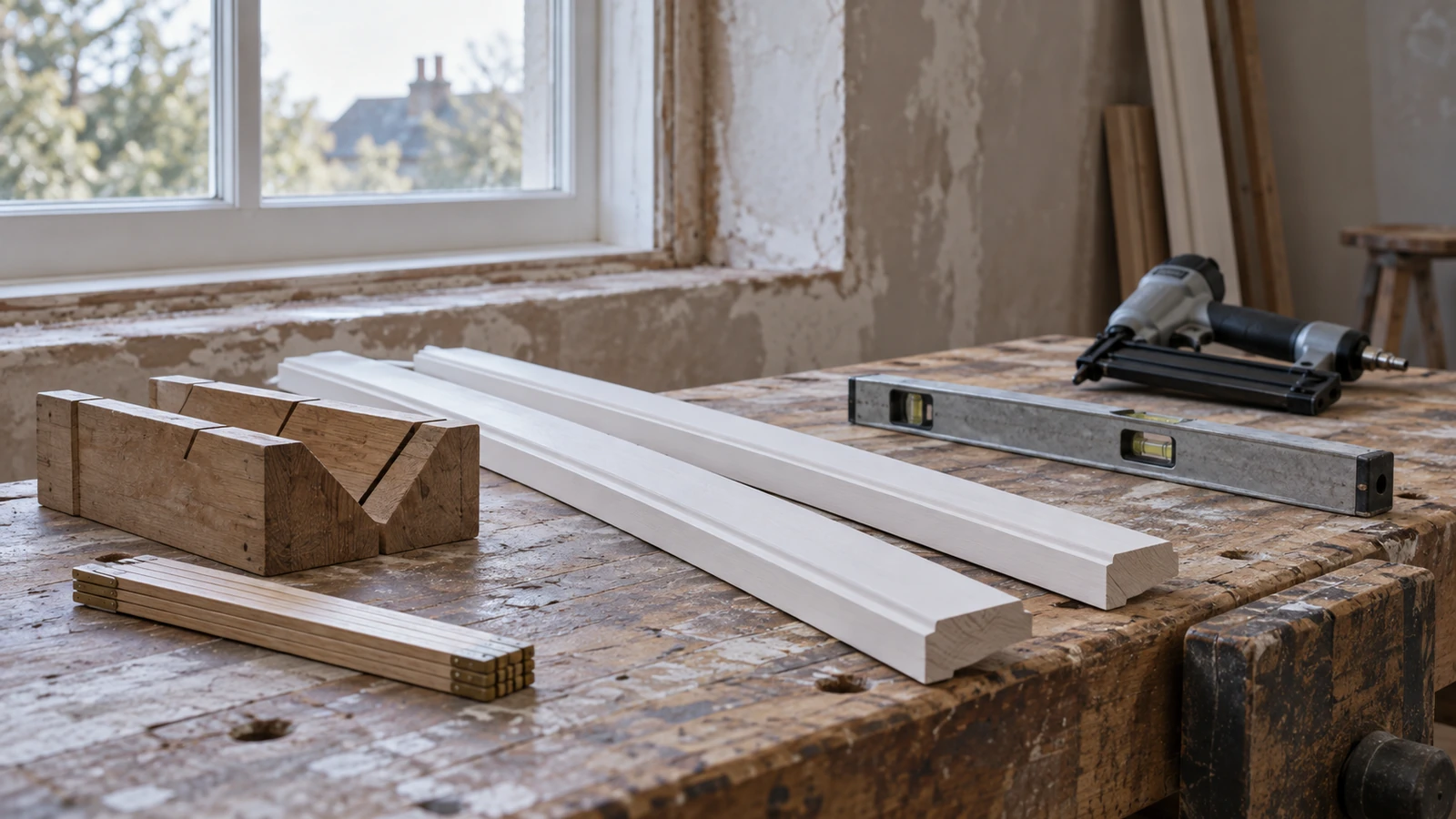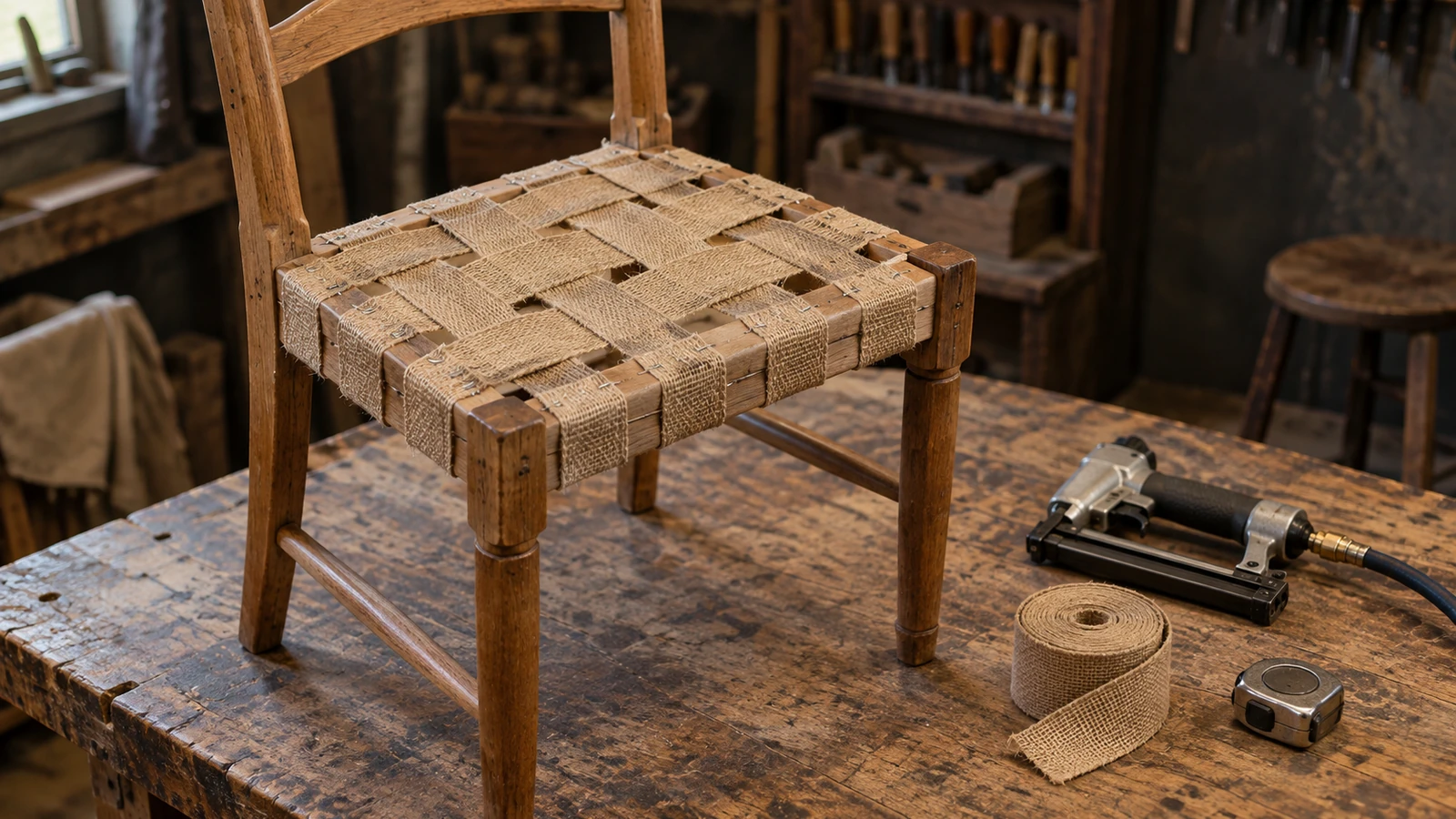

Approve pin nails for decorative wall molding under the lighting and viewing angles that reveal shadow-line changes, not only under flat workshop light. A small entry mark, raised fiber, profile movement, or side exit can become obvious when repeated across a feature wall.
ProAirNails recommends one finished mock-up that includes long runs, intersections, narrow profiles, corners, returns, and the actual wall stack.
Freeze the visual design before fastening
Record molding profile, material, dimensions, finish stage, layout, spacing, intersections, corners, wall finish, substrate, adhesive, reveal, lighting direction, viewing distance, and acceptance examples. Mark pin locations on a removable template or hidden surface.
Build the shadow-line inspection
| View | Observe | Acceptance |
|---|---|---|
| Front light | Entry mark and color | Defined repair limit |
| Raking light | Raised fiber and profile movement | No repeated ridge |
| Side view | Gap and edge swelling | Approved reveal |
| Distance view | Pattern consistency | No visible defect rhythm |
Photograph accepted and failed areas with fixed light, angle, scale, and sample identity. A close-up alone cannot represent the wall-level pattern.
Inspect the hidden path
Section representative joints or use another validated method to inspect penetration, deflection, side exit, splitting, and clearance from visible edges or hidden hazards. Confirm the wall substrate and approved entry route before installation.
Compare position, angle, and length
| Factor | Trial condition | Record |
|---|---|---|
| Position | Center, edge, intersection | Mark and profile response |
| Angle | Normal and permitted access | Path and side exit |
| Length | Relevant candidates | Engagement and margin |
| Spacing | Drawing range | Fit and visible rhythm |
Change one factor at a time, then confirm the chosen window with normal operators and installation pace.
Keep adhesive and pin roles clear
State whether the pin locates molding, resists spring-back, holds during cure, or contributes to the final joint. Include real adhesive amount, open time, pressing or clamping, cure time, and handling. Do not imply that the pin alone proves long-term wall-system performance.
- Retain accepted and failed profile sections.
- Track filler, sanding, coating, and replacement.
- Record tool, settings, operator, and fastener lot.
- Inspect after the final lighting setup.
- Define which changes reopen approval.
Count tool and feed events
Test each named tool within its approved operating range. Count loading problems, skips, doubles, jams, incomplete drives, depth variation, nose marks, and broken collation. Follow the tool manual and consult the NIOSH nail gun safety guide for broader safety context.
Scale the sample to wall consequence
Include every profile family, intersection, corner, return, wall substrate, finish, lighting direction, tool, operator group, and normal setting range. Increase coverage when a side exit could contact services or when repeated marks would require broad wall repair.
A sample plan for pin nails for decorative wall molding should state failure counts, hold boundaries, retest rules, and release authority.
Protect production supply
Control dimensions, point, material, finish, collation, strip count, packing support, labels, lots, and production route. At receipt, inspect ordinary strips from several boxes and rebuild a short shadow-line confirmation.
The ASTM F1667 page may support applicable fastener requirements, but it cannot approve a decorative wall assembly.
Use installed cost for reorders
Review accepted wall length, feed events, repairs, damaged profiles, filler, sanding, repainting, installation pace, packing, shortages, and callbacks. Compare the first order and reorder with the approved mock-up.
This keeps pin nails for decorative wall molding tied to cost per accepted installation rather than box price.
Release the first wall in three views
Before scaling production, inspect the first installed area close up, at the specified normal viewing distance, and from the strongest expected raking-light direction. Record full-wall photographs, detailed defects, repaired locations, tool events, accepted length, and the names of the installer and reviewer. A wall passes only when all defined views meet the standard.
Assign owners to visible and hidden evidence
Design or the product owner controls layout and appearance; installation controls wall verification and execution; quality retains mock-ups and release records; purchasing controls product and commercial exceptions; receiving protects lot identity. Every unresolved difference needs an owner, due date, affected area, evidence required, and disposition.
Compare lighting after occupancy setup
Where practical, repeat the accepted inspection after permanent fixtures, curtains, adjacent finishes, or other planned elements are installed because they can change shadow direction and contrast. Record whether the approval remains valid or whether a specific viewing condition becomes an exception. This step keeps development lighting from becoming the only evidence.
State the evidence boundary
The mock-up cannot prove every wall, hidden condition, lighting scheme, profile, finish, or future lot. Preserve the approved sample, photographs, specification, tool record, lot data, and exceptions; reopen affected checks after relevant change. Date and authorize the complete baseline record.
Request a ProAirNails wall-molding trial
Review ProAirNails pin nails, related brad nails, and the pneumatic range. Send profiles, wall stack, finish, tools, volume, packing, and criteria through the inquiry page.
Reliable pin nails for decorative wall molding preserve both the close detail and the full-wall shadow line.
FAQ
Why inspect under raking light?
Low-angle light reveals raised fibers, dents, uneven profiles, gaps, and repeated marks hidden by flat light.
What belongs in a wall mock-up?
Include profiles, intersections, corners, returns, wall stack, finish, adhesive, tools, lighting, and viewing conditions.
How is hidden pin travel checked?
Use controlled sectioning or another validated method on representative real assemblies and preserve sample identity.
Should adhesive be tested?
Yes, when used in production, because pin role, open time, cure, spring-back, and handling are connected.
What tool events matter?
Count loading issues, skips, doubles, jams, incomplete drives, depth variation, contact marks, and rejected output.
How should repair be measured?
Track filler, sanding, touch-up, repainting, replaced profile, labor, delay, and reinspection per accepted wall length.
Why repeat receiving trials?
Transport can damage collation, bend strips, mix sizes, remove identity, or change feed performance.
When should installation stop?
Stop when wall construction, substrate, services, hidden hazards, safe access, or approved entry route is uncertain.
What triggers reapproval?
Review changes to molding, finish, adhesive, wall stack, pin, collation, site, tool, lighting, pack, or criteria.
What supports a quotation?
Send layout, profile, material, finish, wall stack, adhesive, tools, volume, packing, destination, and acceptance examples.