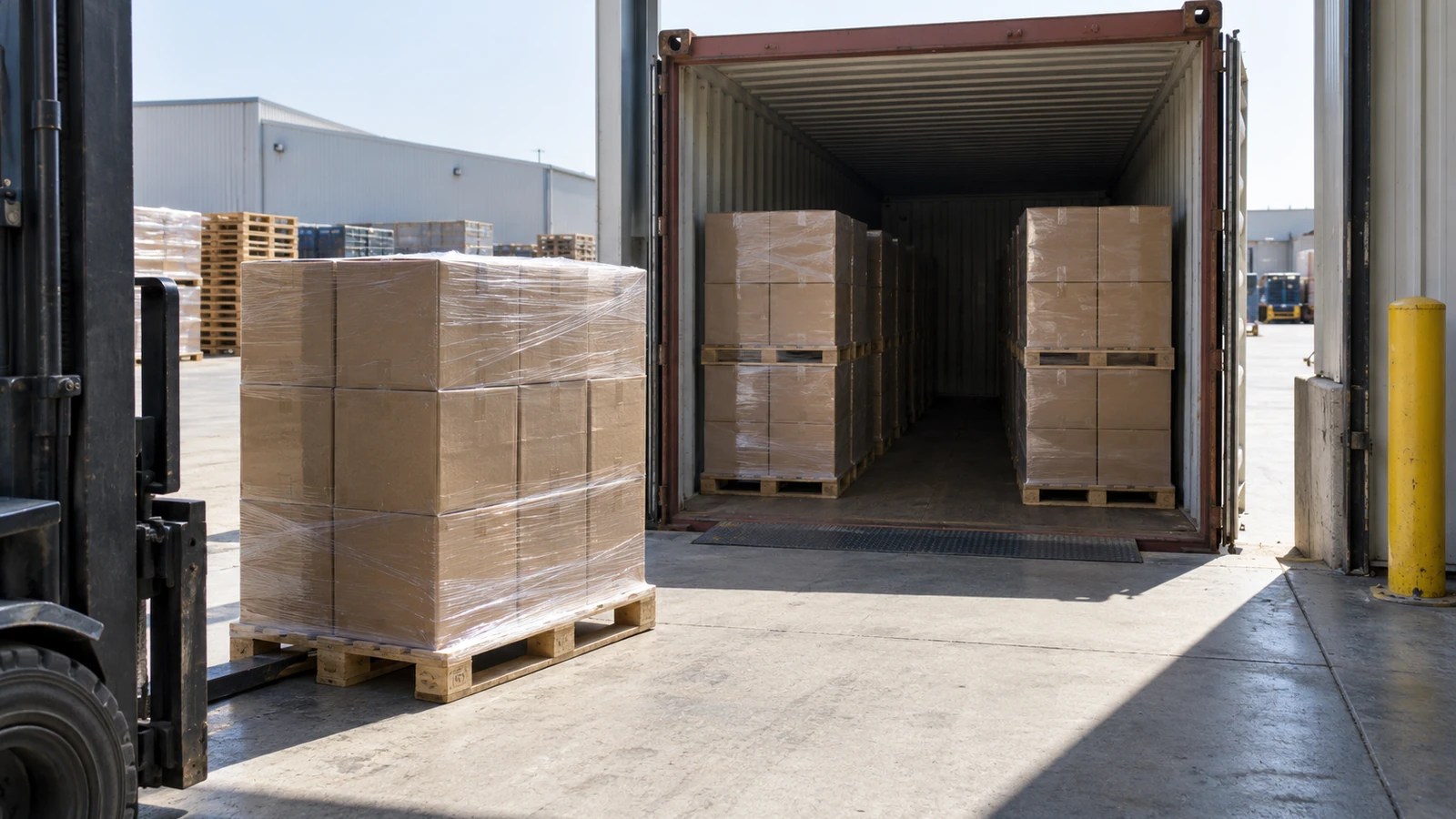

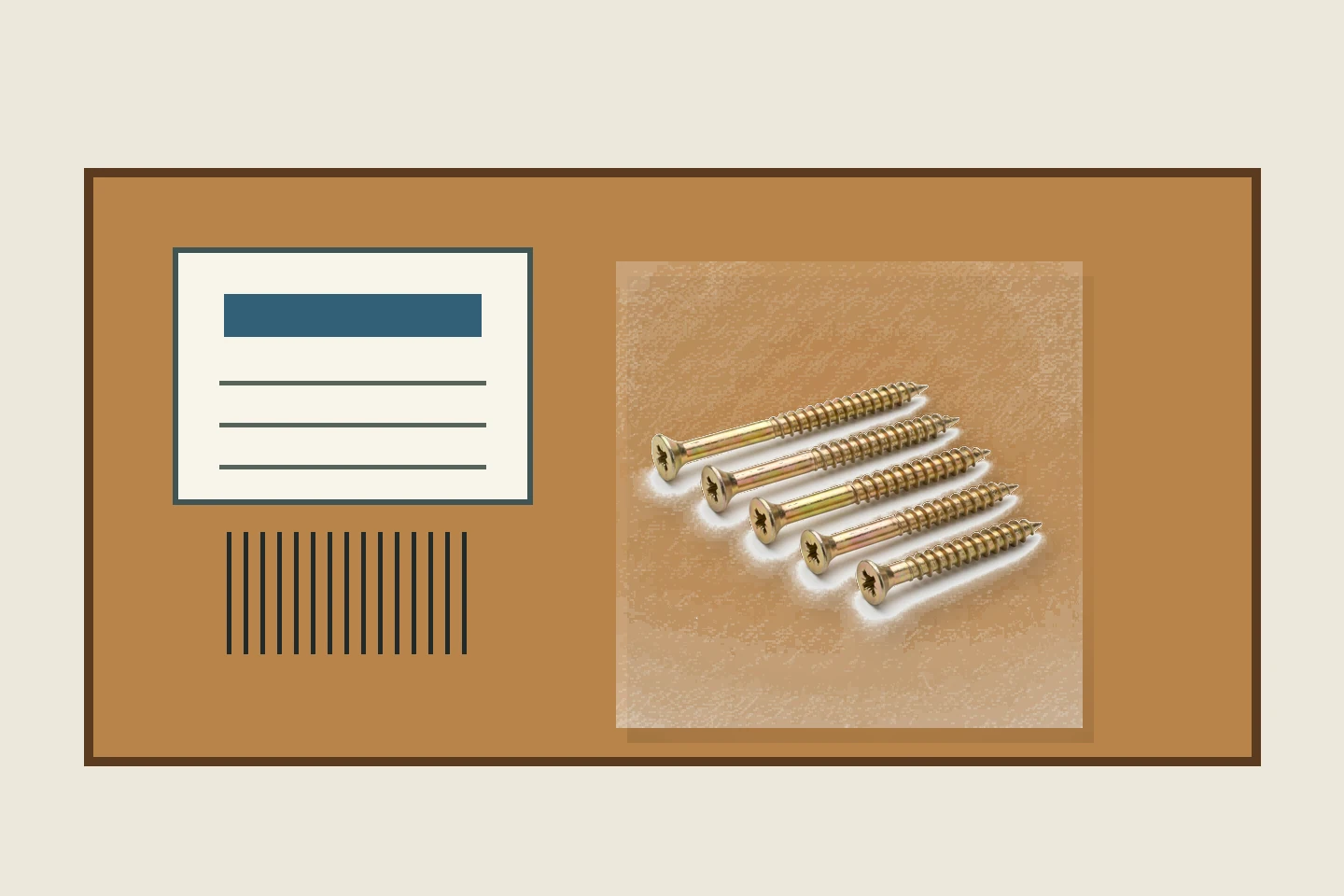
Pneumatic fastener carton labeling should let a receiver identify, scan, count, quarantine, and route a carton without opening it or guessing which revision was shipped. The label is part of the quality and traceability system, not decoration added after packing.
ProAirNails recommends approving label fields, placement, durability, language, barcode rules, carton sequence, and pallet map together with the sample and packaging drawing.
Start with the receiving workflow
Map the receiving scan, manual check, warehouse location, inspection hold, line issue, and claim route. Then decide which fields must be human-readable, which must be scannable, and which must appear on the pallet label as well as the carton.
Use a label decision table
| Label field | Receiving purpose | Failure to prevent |
|---|---|---|
| SKU and revision | Matches PO and approved spec | Wrong product release |
| Size, finish, collation | Confirms tool and application | Line misfeed or sorting |
| Quantity and carton sequence | Supports count and pallet map | Short or mixed shipment |
| Lot and production date | Enables containment | Unbounded hold |
| Destination and handling | Routes the carton safely | Storage or delivery error |
Separate human-readable and scan fields
Use plain language for the fields a receiver needs when a scanner is unavailable. Use the agreed barcode or data format for the system fields. The two layers should describe the same SKU, lot, quantity, and carton sequence; they should not become separate sources of truth.
Make the fastener identity specific
Show gauge or diameter, length, head, point, material, finish, collation, angle, coil or strip format, count, and packaging unit. Avoid a label that says only “pneumatic nails” when several sizes or finishes share the same carton style.
Protect label readability
Approve print contrast, font size, adhesive, surface, barcode quiet zone, moisture resistance, abrasion resistance, and placement. Test labels after pallet wrap, handling, condensation, and ordinary receiving abrasion. Photograph the approved label on the actual carton, not only on a flat artwork file.
Map cartons to pallets
| Mapping item | What to record | Why it matters |
|---|---|---|
| Carton sequence | 1 of N, row, layer, pallet ID | Speeds counting and claim scope |
| Lot split | Lot by carton or pallet | Controls targeted containment |
| SKU split | Mixed or single SKU pallet | Prevents receiving mix-ups |
| Handling marks | Stack, keep dry, orientation | Protects product and pack |
The ISO 780 handling and storage reference can help frame package marks where applicable. Use marks that match the actual carrier, warehouse, and receiving instructions rather than adding symbols that no one follows.
Control changes and reprints
Assign an artwork revision, approval date, owner, and obsolete-label block. A changed carton count, finish, lot format, language, barcode, or destination should trigger a label review. Reprinting a label after a packing error needs a documented reconciliation so old and new identities cannot circulate together.
- Keep the approved label beside the packing instruction.
- Scan a first-off carton before bulk packing.
- Verify label fields against the PO and data sheet.
- Record damaged or replaced labels by lot.
- Keep carton and pallet labels synchronized.
Link labels to quality evidence
A label should point to the same lot, inspection, material record, and sample approval as the fastener. The ISO 9001 quality-management overview is a useful reference for documented information and nonconforming output. It does not define your specific label fields or barcode system.
Price the label as process control
Compare artwork, label stock, scanning, receiving labor, sorting, claims, and repacking with the cost of a wrong release. Keep pneumatic fastener carton labeling connected to accurate inventory and containment speed, not simply the cost of ink or a printed sticker.
Put the requirement in the RFQ
Specify fields, language, barcode format, placement, durability, carton sequence, pallet map, photo approval, and change notification. ProAirNails can review pneumatic nails, staples, and coil nails through the inquiry page.
State the evidence boundary
A label cannot prove the product inside is conforming. It identifies the intended contents and supports routing, inspection, and containment. Preserve the label approval, carton photo, scan result, lot match, and packing record. Reopen review after any product, pack, system, or destination change.
Use the pneumatic fastener carton labeling record as a bridge between the data sheet, quality plan, warehouse, and shipment documents. That makes one carton answer the same identity question at every handoff.
Run a first-carton release
Before bulk packing, ask the warehouse or quality reviewer to scan one finished carton, read the human-readable fields, compare the label with the purchase order, and verify the carton sequence against the pallet map. ProAirNails can record the approved label photograph, scan result, print revision, and exception owner with the pneumatic fastener carton labeling release. If the label is replaced because of damage, retain the old and new identifiers and reconcile the quantity. For private-label or export shipments, repeat the check after artwork, language, barcode, or destination changes. This short first-carton exercise catches swapped SKU, stale revision, unreadable barcode, and missing lot fields before dozens of cartons enter a warehouse or a container. It also gives receiving a concrete example to compare against the shipment.
FAQ
What must be human-readable?
At minimum, show SKU, revision, dimensions, finish, collation, quantity, lot, carton sequence, and destination in the buyer's agreed format.
Should every carton have a barcode?
Use barcodes when the receiving system requires them, but keep the critical identity fields readable if scanning fails.
Why show the lot on the carton?
Lot identity enables targeted inspection, containment, and claims instead of placing every shipment on hold.
What is a carton sequence?
It identifies the carton position in the shipment or pallet, such as 3 of 24, and helps counting and reconciliation.
How should mixed pallets be labeled?
Show pallet ID and map each SKU, lot, and carton range so a receiver can separate products without opening every box.
How is label durability tested?
Check print and adhesion after ordinary handling, wrap, moisture, abrasion, and the receiving route used by the buyer.
What triggers a label revision?
Changes to SKU, size, finish, count, lot format, language, barcode, destination, or packing arrangement should trigger review.
Can a label replace inspection?
No. It supports identity and routing; product conformity still needs sampling and quality evidence.
What is a useful RFQ request?
Ask for a label artwork sample, field list, barcode rules, carton photo, pallet map, scan proof, and change-control contact.
Who owns label approval?
Assign one owner with quality, purchasing, warehouse, and production review so the label works across the entire route.