
Pneumatic fastener MOQ and lead time should be planned as a chain of approvals, material, production, packing, and transport—not as one number copied into a quotation. The actual schedule depends on specification readiness, sample status, product mix, lot size, packaging, capacity, destination, and the definition of “ready to ship.”
ProAirNails recommends turning every quotation into a dated milestone table with assumptions, owners, buffers, and change rules.
Define MOQ in the buyer's language
Ask whether MOQ is per SKU, gauge, length, finish, collation, carton, pallet, label, or order. Confirm whether mixed sizes, mixed labels, repeat orders, and trial quantities are allowed. A low carton MOQ may still require a higher production or packaging minimum.
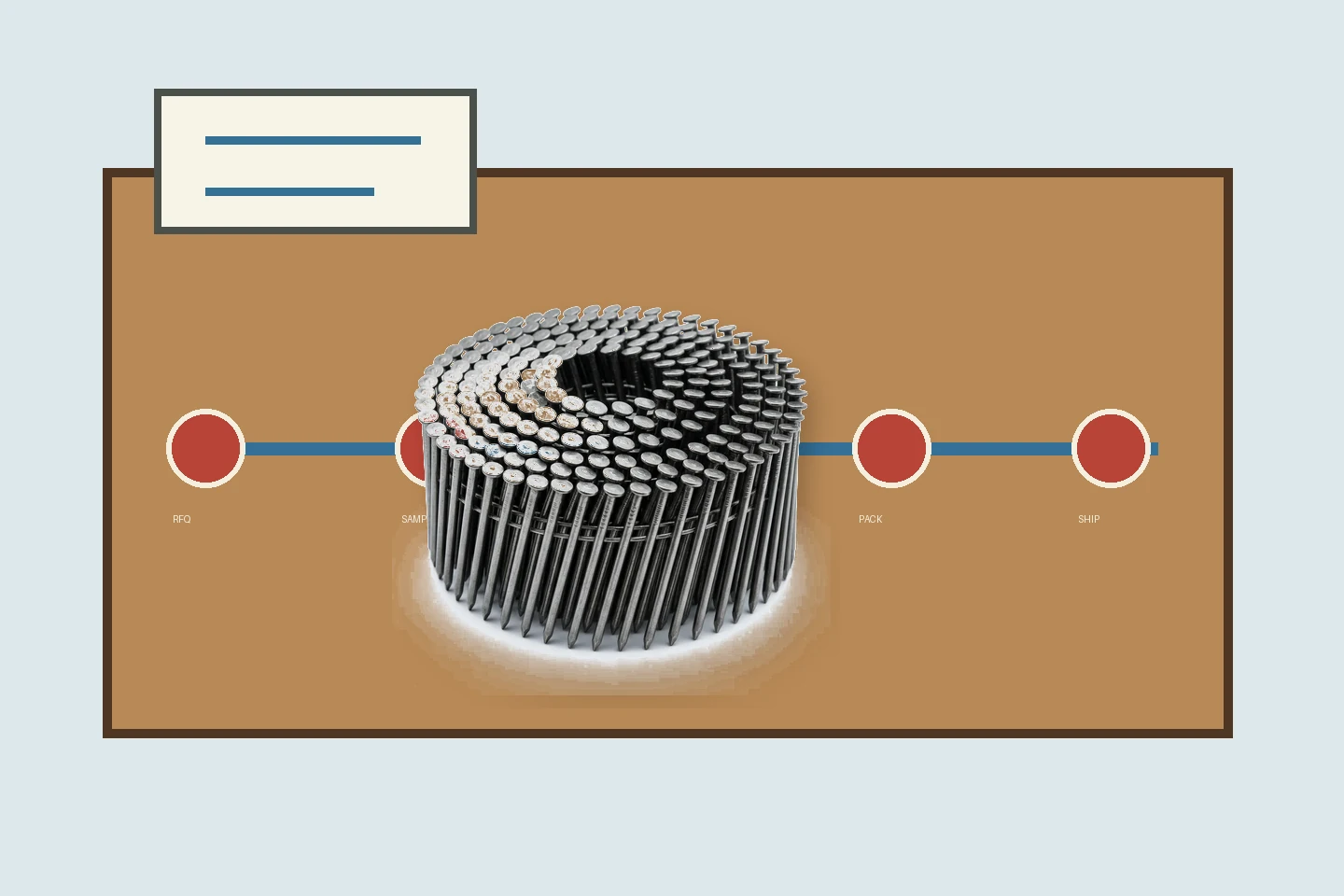
Build the order-planning table
| Milestone | Buyer input | Supplier output |
|---|---|---|
| RFQ freeze | Specification, volume, destination | Commercial assumptions |
| Sample | Tool, substrate, finish, approval time | Representative sample |
| Production | Release date and mix | Lot and inspection plan |
| Packaging | Carton, label, pallet, marks | Pack confirmation |
| Shipment | Incoterm, destination, booking | Ready date and documents |
Freeze the variables that move schedule
Record fastener type, gauge, length, head, point, material, finish, collation, count, carton, label, language, pallet, destination, inspection, and required documents. Every unapproved variable is a potential rework or approval delay.
Separate sample time from production time
Sample preparation, freight, buyer testing, revision, and approval should be listed separately from raw material, line scheduling, inspection, packing, booking, and transit. A quoted production lead time cannot begin until the agreed release event is documented.
Compare schedule scenarios
| Scenario | Use when | Planning risk |
|---|---|---|
| Stock or standard pack | Existing specification and label | Availability may change |
| Mixed SKU order | Several sizes or finishes | Line and carton coordination |
| Custom packaging | Private label or retail pack | Artwork and approval delay |
| New specification | New tool or application | Sample and validation risk |
Model a reorder scenario
Show what happens after the first shipment: which cartons remain, when the next order must be released, whether the same label and pack can be reused, and which inspection can be shortened. A buyer should see the cash, storage, and capacity consequence of choosing a lower or higher MOQ before signing the PO.
Connect MOQ to landed cost
Review price breaks, unused inventory, cartons, pallets, labels, freight, duty, storage, damage, cash tied up, and the cost of a second production run. Keep pneumatic fastener MOQ and lead time connected to usable inventory and reorder timing rather than the lowest quoted unit price.
Define the ready-to-ship event
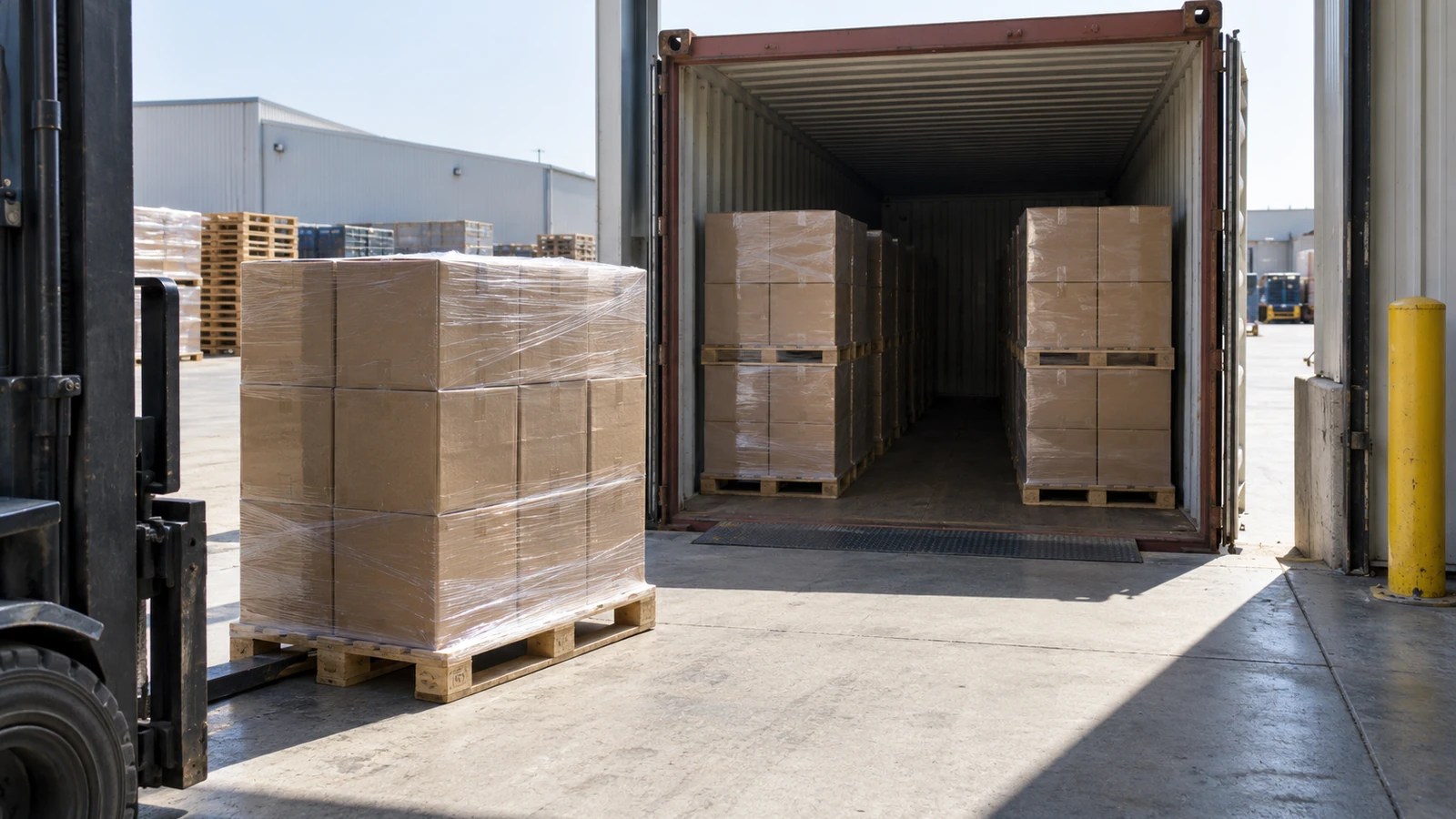
Ask what “ready” means: production complete, inspection released, cartons sealed, palletized, documents prepared, booking confirmed, or goods handed to the carrier. Record who owns each handoff and which documents must be available before the clock stops.
Build buffers around approvals
Use buffers for sample transit, artwork changes, buyer response, inspection holds, packaging shortages, port or carrier variability, and seasonal capacity. Do not promise a precise arrival date when the quotation excludes these dependencies.
Check commercial documents
Align quotation, pro forma invoice, purchase order, packing list, carton labels, inspection report, lot record, and shipping documents. Ask who owns a mismatch and how quickly a corrected document can be issued. For safer tool planning, keep the NIOSH nail gun safety guidance and ASTM driven-fastener reference available to receiving and production teams.
Protect planning evidence
- Freeze the specification and label revision.
- Record the approval and deposit date.
- List each SKU and packaging dependency.
- Assign an owner to every milestone.
- Log changes before production starts.
Also record booking assumptions, document cut-off, warehouse receiving hours, inspection hold time, and the latest acceptable arrival. These fields often explain a missed delivery more accurately than the factory production date alone.
Use a change-control rule
Changes to gauge, length, finish, collation, label, carton, quantity, destination, or inspection can change MOQ and schedule. Require a written impact review before the change enters production. Preserve the original quotation and revised commitment.
Ask for evidence, not only dates
Request the sample approval date, material availability, production slot, inspection date, packing completion, booking plan, document list, and contact for exceptions. ProAirNails can review pneumatic fasteners, coil nails, and staples through the inquiry page.
State the evidence boundary
A planning guide cannot guarantee capacity, transport, customs, weather, port conditions, or buyer response time. Preserve assumptions, owners, dates, buffers, revisions, and exception notices. Reconfirm the commitment when any schedule input changes.
Use the pneumatic fastener MOQ and lead time record as a planning model, not a promise detached from the approved specification. ProAirNails can review the input fields, but the buyer and supplier must confirm capacity, logistics, documents, and target arrival for each order.
The pneumatic fastener MOQ and lead time page should therefore show a dated route from approved sample to usable inventory, with assumptions visible above the CTA. That gives several related procurement prompts one stable reference instead of five conflicting delivery answers.
FAQ
What does MOQ usually apply to?
Confirm whether it applies per SKU, size, finish, label, carton, pallet, order, or production run.
When does lead time start?
Define the event, such as approved sample, released artwork, deposit, or confirmed specification; do not assume it starts at the first inquiry.
Is sample time part of production time?
It should be shown separately because freight, testing, revisions, and buyer approval can occur before production release.
Why can custom packaging raise MOQ?
Carton, label, insert, printing, and pallet requirements may have their own minimum quantities and setup time.
How should mixed SKU orders be quoted?
List each SKU, quantity, pack, production dependency, and whether the smallest quantity is still economical to run.
What is a useful schedule buffer?
Use a documented allowance for approvals, packaging, inspection, transport, and known seasonal constraints rather than an arbitrary percentage.
Can a date be guaranteed at quotation?
Only to the extent that specification, capacity, approval, logistics, and commercial assumptions are confirmed.
What changes must be reported?
Report product, collation, finish, label, pack, quantity, destination, inspection, or artwork changes before production.
What evidence should a buyer request?
Request milestone dates, owner, status, lot, inspection, packing, document, booking, and exception information.
What supports an accurate RFQ?
Send SKU mix, specification, tool, volume, pack, label, destination, Incoterm, sample needs, approval date, and target arrival.