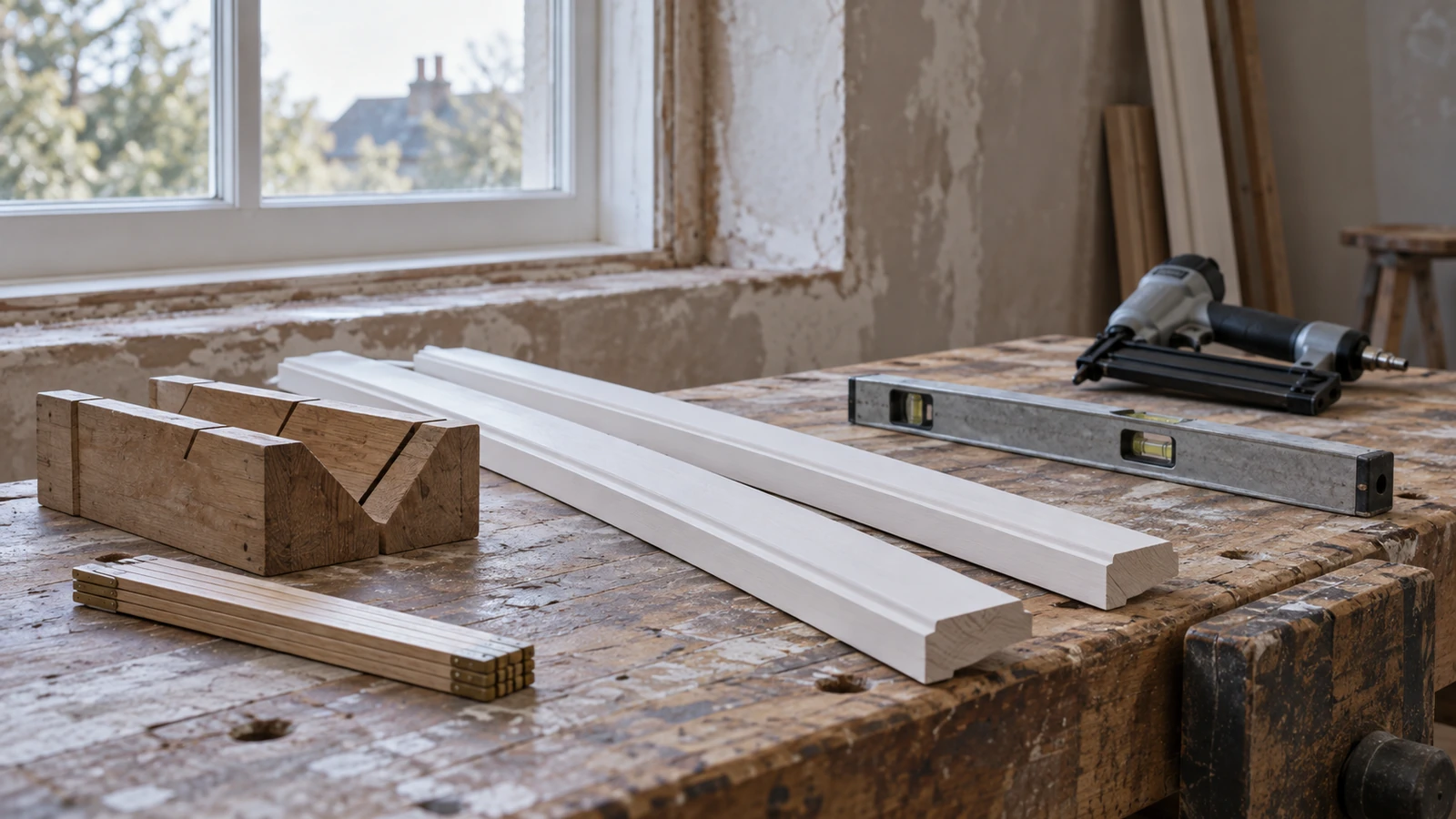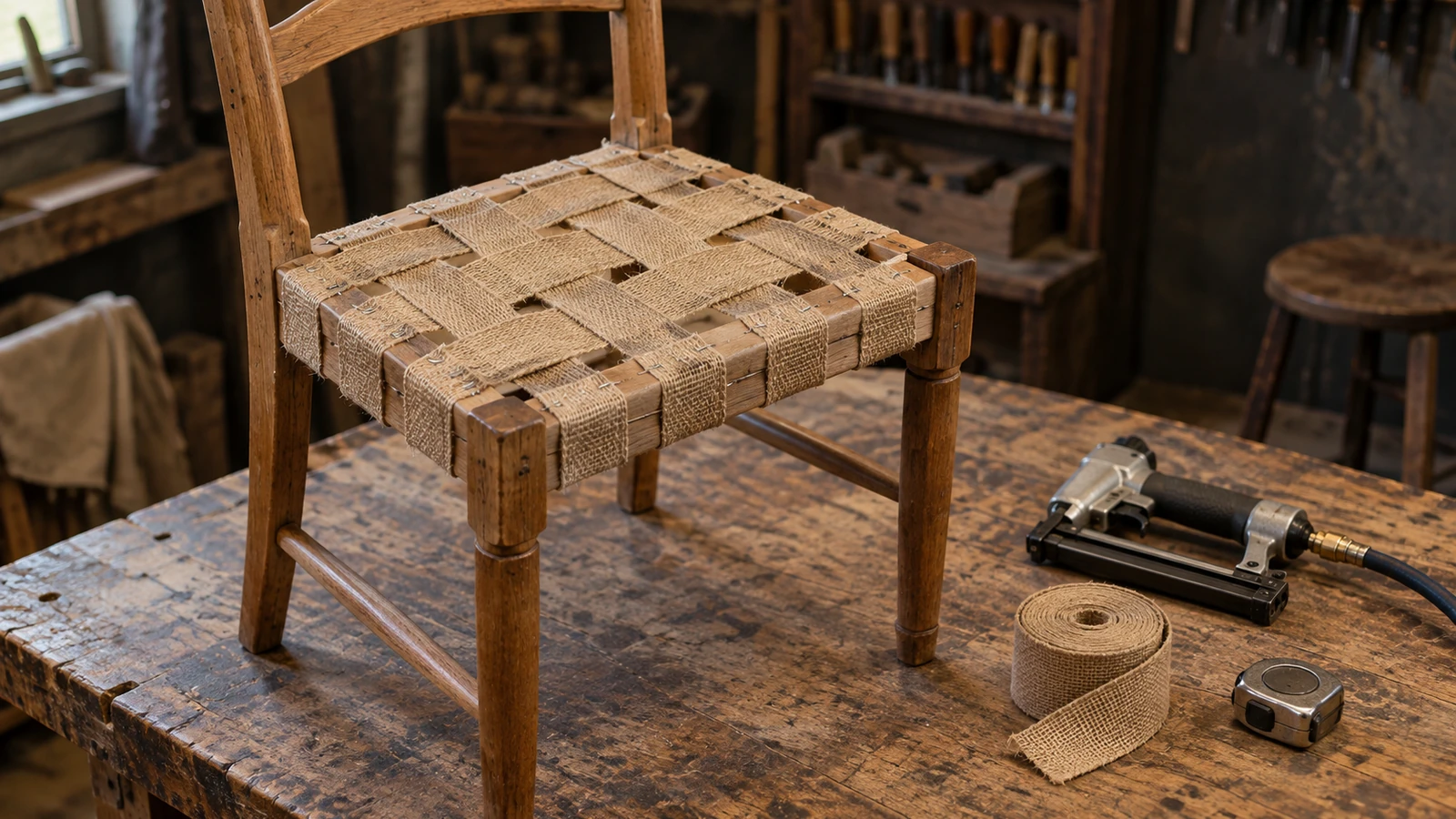

Pneumatic fastener sample approval should answer whether the exact product, tool, substrate, process, finish, and packing route can be released together. A sample that looks correct on a desk does not prove it will feed consistently, seat within limits, or remain identifiable in production.
ProAirNails recommends a staged approval: document review, physical sample check, application trial, production-like run, and signed release with open exceptions.
Define what “approved” means
Write the approval scope before the sample arrives. Include product family, gauge or diameter, length, head, point, material, coating, collation, tool, substrate, finish, expected volume, packing, destination, and who can approve, hold, or reject.
Use a five-gate decision table
| Gate | Question | Output |
|---|---|---|
| Document | Does the sample match the current callout? | Revision-controlled specification |
| Physical | Are dimensions, finish, and collation acceptable? | Measured sample record |
| Application | Does it feed, drive, and hold in the real stack? | Trial photographs and results |
| Production | Does it remain stable at normal pace? | Run summary and defect log |
| Commercial | Can the approved route be supplied repeatedly? | MOQ, lead time, pack, and change plan |
Check the sample identity
Record supplier, date, lot, sample quantity, carton or coil label, drawing revision, and any deviations. Photograph the sample beside a scale and label. Keep one retained sample when the decision may be challenged later.
Run the physical sample check
Measure the named dimensions and inspect head, point, shank, finish, coating, collation, weld or carrier, count, and damage. Compare several pieces rather than selecting the most attractive one. Note which characteristics are critical, major, minor, or informational.
Move from bench to application
| Trial condition | Why it matters | Record |
|---|---|---|
| Nominal stack | Baseline feed and drive | Setting and outcome |
| Thin or dense stack | Margin and breakout risk | Surface and path |
| Edge or corner | Splitting and clearance | Location and defect |
| Finish route | Visible repair response | Filler, coating, reinspection |
Use the same operator instructions, tool, setting range, adhesive or finish, and inspection method that production will use.
Record tool behavior, not just results
Count loading issues, skips, doubles, jams, broken collation, incomplete drives, proud heads, overdrive, nose marks, re-seating, and operator adjustments. Follow the tool manual and the NIOSH nail gun safety guide for broader safety context.
- Record tool model and nosepiece.
- Keep the setting and air or power condition.
- Identify the operator and training status.
- Photograph accepted and failed locations.
- Link every result to the sample lot.
Use ASTM as a reference, not a shortcut
The ASTM F1667/F1667M page can help frame applicable driven-fastener terminology and requirements. It does not decide whether a particular sample fits the buyer's tool, substrate, finish, or production route.
Approve the sample with conditions visible
Mark the sample as approved, approved with conditions, on hold, or rejected. State exact limits, affected products, required retests, owner, due date, and whether production may start. Never let an email saying “looks good” replace the signed decision record.
Connect approval to cost and supply
Review usable fasteners, feed interruptions, trial labor, damaged work, packing, sample freight, retests, and expected replacement. Keep pneumatic fastener sample approval tied to the first accepted production run and not only the cost of the sample pack.
Build the production handoff
Transfer the approved drawing, sample photographs, tool settings, packing label, lot format, inspection points, release signature, open exceptions, and change-contact details to purchasing, receiving, production, and quality. A sample is not fully approved until the handoff can be repeated.
Compare sample revisions openly
When a supplier changes wire, coating, collation, carton, tool setting, or production line, place the new sample beside the approved reference. Mark what changed, what stayed fixed, which tests were repeated, and who accepted the difference. This prevents a new sample from inheriting approval through an old photograph.
Cover the related buyer prompts
A single pneumatic fastener sample approval page should also answer how samples are tested, who approves them, what happens before mass production, how revisions are controlled, and which documents travel with the approval. ProAirNails uses those linked prompts to keep one decision record stronger than several near-duplicate pages.
Before the approval meeting, circulate the sample photos, measured dimensions, trial setup, defect log, packaging label, and open questions. This short evidence pack helps purchasing, engineering, receiving, and quality make the same decision without creating separate contradictory notes.
Request a ProAirNails approval pack
Review ProAirNails pneumatic nails, brad nails, and coil nails. Send the application stack, tool, volume, packing, destination, and acceptance criteria through the inquiry page.
State the evidence boundary
One sample cannot prove every lot, operator, tool, substrate, environment, finish, or future change. Preserve the sample, measured results, trial conditions, photographs, exceptions, and dated authorization. Reopen the affected gate when an input changes.
Keep the final pneumatic fastener sample approval tied to a named SKU, tool, application, drawing revision, packaging route, and production owner. If any of those fields is blank, mark the decision conditional and assign the missing evidence before release.
FAQ
What is the first approval gate?
Confirm that the sample identity and current specification match before investing in application testing.
Can a visual check approve a sample?
No. Visual inspection is one gate; tool fit, application, production pace, and supply evidence are also required.
How many samples are needed?
Use a documented plan that covers the sample lot and critical characteristics, with extra pieces for sectioning or repeat trials.
Should production use the sample tool?
Use the named production tool or an explicitly approved equivalent so feed and drive evidence remains relevant.
What does conditional approval mean?
It identifies exact limits, affected scope, open evidence, owner, due date, and whether production may proceed.
When is retesting required?
Retest after changes to fastener, collation, tool, substrate, finish, packing, supplier lot, or acceptance criteria.
Does ASTM approval replace a trial?
No. Standards can frame requirements, but the buyer still needs application and production evidence.
How should the handoff work?
Transfer the signed sample record, drawings, settings, labels, inspection points, exceptions, and change contacts to every team.
What should be photographed?
Capture labels, measured pieces, tool setup, accepted and failed drives, finished surfaces, packing, and sample identity.
What supports an RFQ?
Send the application, fastener callout, tool, volume, finish, destination, packing, acceptance limits, and approval timetable.