
A pneumatic fastener traceability system should answer three questions quickly: what was made, where was it shipped, and which other product may share the same risk? The system can be a disciplined set of records rather than an expensive software project, provided each handoff keeps the same lot and revision identity.
ProAirNails recommends building the chain from approved specification to wire, line, inspection, carton, pallet, shipment, and application feedback, then testing the chain with a mock complaint.
Define the traceability boundary
Decide whether the buyer needs one-way tracking from material to shipment, two-way tracking from complaint back to material and forward to customers, or both. Set the retention period, responsible teams, permitted manual records, and response time for a lot inquiry.
Map the identity chain
| Stage | Identity to retain | Question answered |
|---|---|---|
| Specification | SKU, drawing, revision, approved sample | What should be made? |
| Material | Wire, heat, coil, supplier lot | What went into it? |
| Production | Line, machine, date, shift, operator | Where was it made? |
| Inspection | Results, defects, release, inspector | What was accepted? |
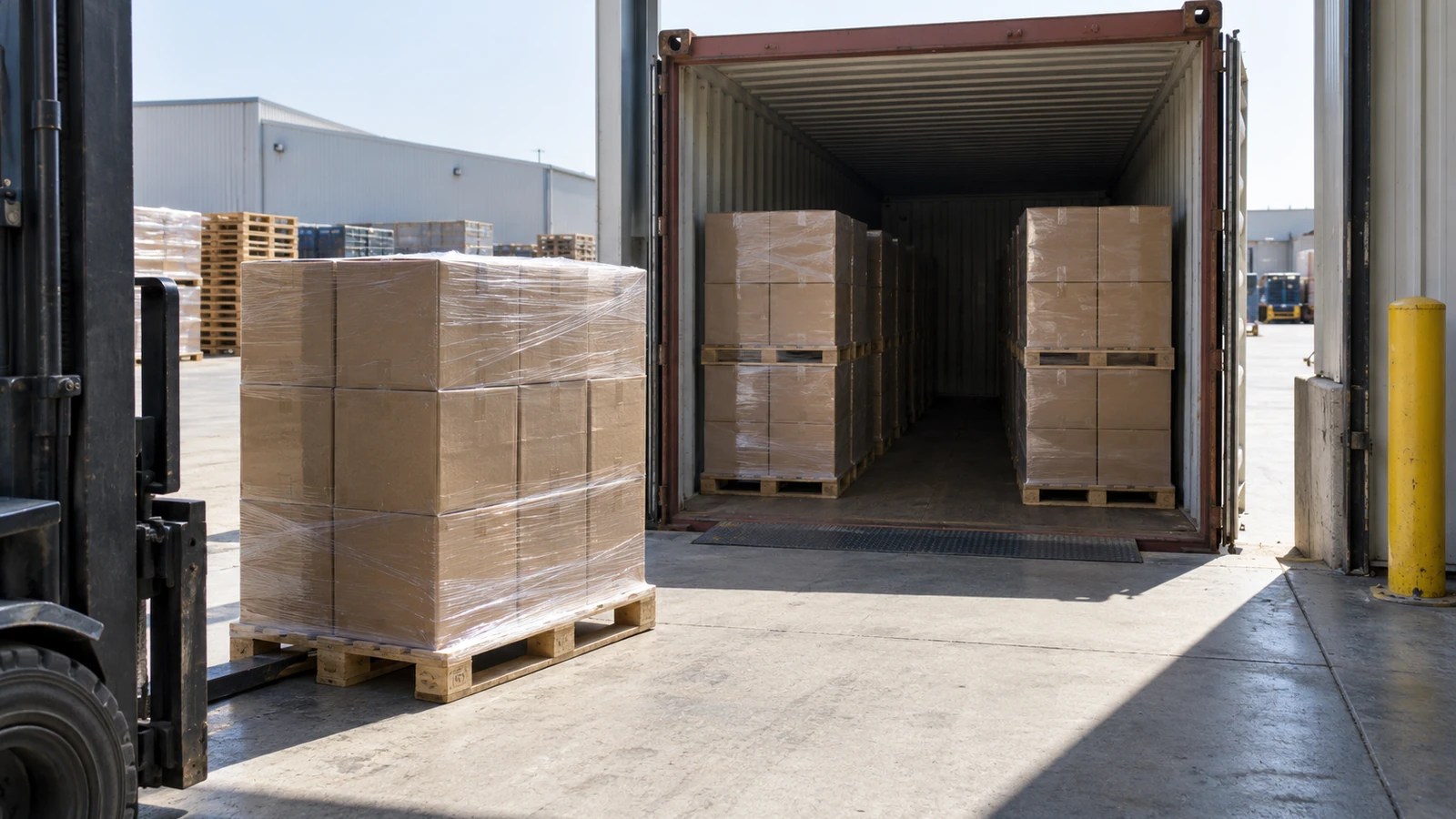
| Shipment | Carton, pallet, PO, destination | Where did it go? |
Use one lot format everywhere
Make the lot code short enough for a carton and precise enough for a record. Define capitalization, separators, date meaning, line or shift code, and whether a repack creates a new identity. The lot on the carton, inspection report, certificate, packing list, and invoice should match exactly.
Connect material to production
Record which wire or material lot was issued to which line, machine, date, and shift. If one material lot feeds several SKUs, retain the allocation so a later complaint can identify the affected scope without holding unrelated products.
Connect production to inspection
Link dimensions, finish, collation, count, tool-feed trials, application tests, and nonconformities to the production lot. Record sampling method, result, disposition, corrective action, and release authority. A pass/fail mark without the sample or lot is not enough for targeted containment.
Test the system with a decision table
| Mock complaint | Trace backward | Trace forward |
|---|---|---|
| Collation failure | Tool, line, shift, carrier, wire | Cartons and customers from the lot |
| Finish issue | Coating source, date, inspection | Shipments using the same finish lot |
| Wrong label | Artwork revision, pack line, operator | Pallets and destinations affected |
| Material concern | Certificate, heat, supplier, production | All products consuming the material |
Keep packaging in the chain
Link carton, pallet, and shipment records to the production lot. The ISO 9001 quality-management overview can help frame documented information, supplier control, and nonconforming output. Packaging guidance such as the ISO 780 handling and storage reference can support the handoff marks, but your lot mapping remains the controlling requirement.
Make records searchable
Use consistent field names for SKU, revision, lot, wire, line, inspection, carton, pallet, PO, and destination. Store a photograph or scan of labels beside the structured record. Avoid separate spreadsheets that use different lot spellings for the same shipment.
- Run a mock backward trace from a carton.
- Run a forward trace from a material lot.
- Measure the time to identify affected scope.
- Record missing or conflicting fields.
- Assign corrective actions and retest the chain.
Connect traceability to cost
Compare the cost of records, scanning, retained samples, and review with sorting, broad holds, replacement freight, and customer downtime. Keep pneumatic fastener traceability system decisions tied to the size and speed of containment, not to the number of database screens.
Put the requirement in the RFQ
Ask suppliers to show lot format, material link, production fields, inspection record, carton label, pallet map, retention period, complaint contact, and mock-trace response. ProAirNails can review pneumatic nails, coil nails, and staples through the inquiry page.
State the evidence boundary
A traceability system cannot prove a product is conforming, improve a missing or inaccurate record, or identify an affected scope when lots are mixed without allocation data. Preserve the approved revision, material record, production record, inspection, label, shipment, and complaint evidence together.
Use the pneumatic fastener traceability system as a repeat-order control. Revalidate it after software, lot format, supplier, production line, label, packing, or warehouse changes.
Make the mock trace part of supplier approval
Ask a supplier to trace one finished carton backward to the wire or material record and forward to every carton and destination that shares the lot. ProAirNails can review the response for matching codes, response time, missing fields, and clear containment ownership. Keep the pneumatic fastener traceability system test result with the supplier file and repeat it after a new line, warehouse, label format, or software workflow is introduced. A short quarterly exercise is often more revealing than a long policy because it shows whether a warehouse operator can find the pallet map and whether customer service can identify a shipment without asking the factory to rebuild the history. Record the gaps, assign actions, and test the same path again after correction.
FAQ
What is the first traceability field?
Start with a controlled SKU and revision, then use one lot format from material receipt through shipment.
Does traceability require special software?
No. Consistent records and disciplined handoffs can work, although software may improve search and audit speed.
What is two-way traceability?
It traces backward from finished product to material and forward from a material or process lot to affected shipments.
Why link cartons and pallets?
Packaging identity is what receiving and claims teams can see, so it must connect to production and inspection records.
How should a mock trace work?
Choose a carton or material lot, time the backward and forward searches, record gaps, and correct the process.
What if one wire lot serves several SKUs?
Keep an allocation record so the shared material risk can be scoped without holding unrelated products.
How long should records be kept?
Set retention from product risk, customer contract, regulatory need, and likely complaint or warranty period.
What belongs in a complaint record?
Capture product, carton, lot, PO, application, tool, defect, photos, containment, affected scope, and corrective action.
Who owns the trace?
Assign a process owner and backups across quality, production, warehouse, purchasing, and customer service.
What should an RFQ request?
Request lot format, sample records, material link, label example, retention, mock-trace timing, and complaint escalation route.