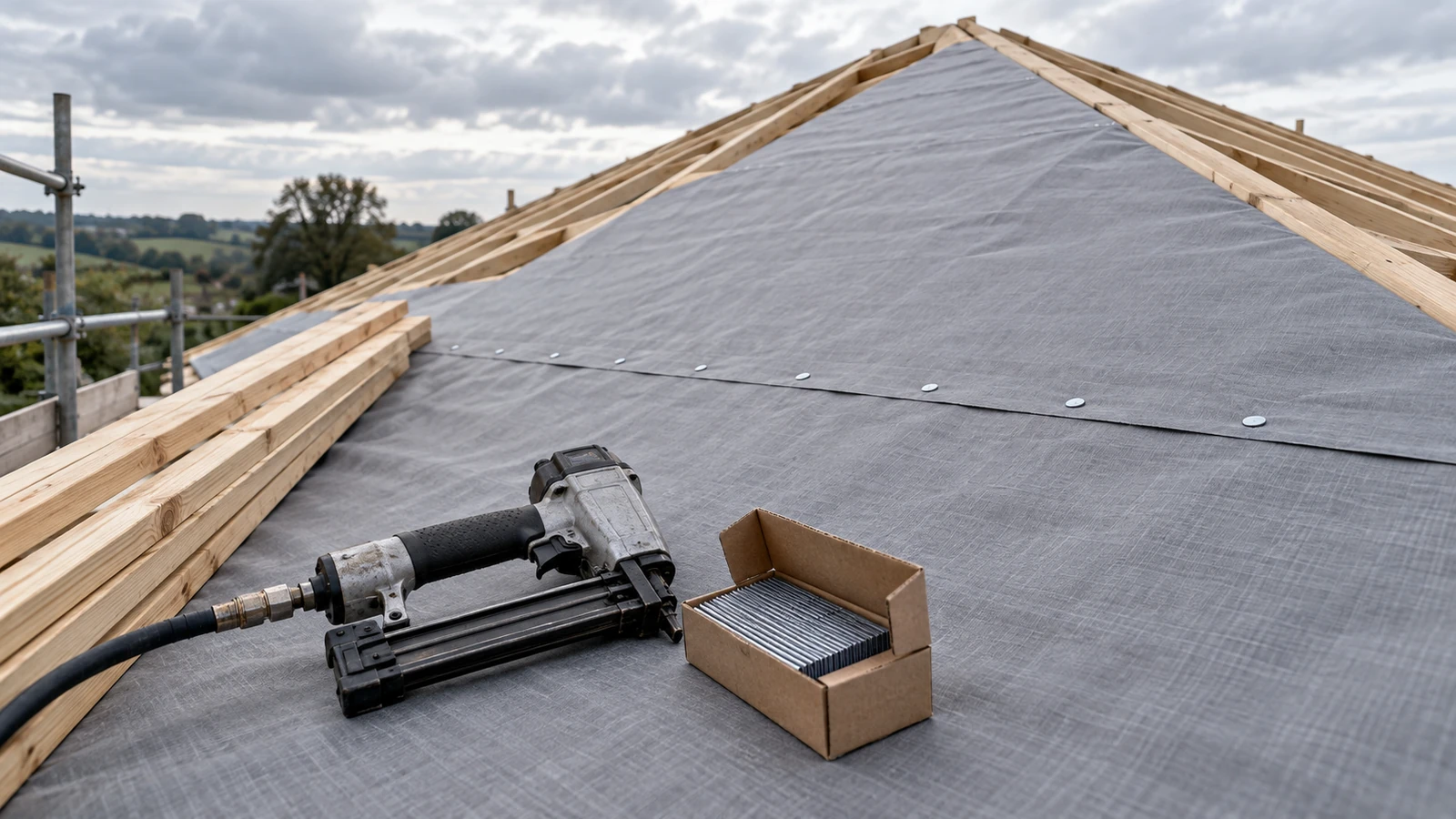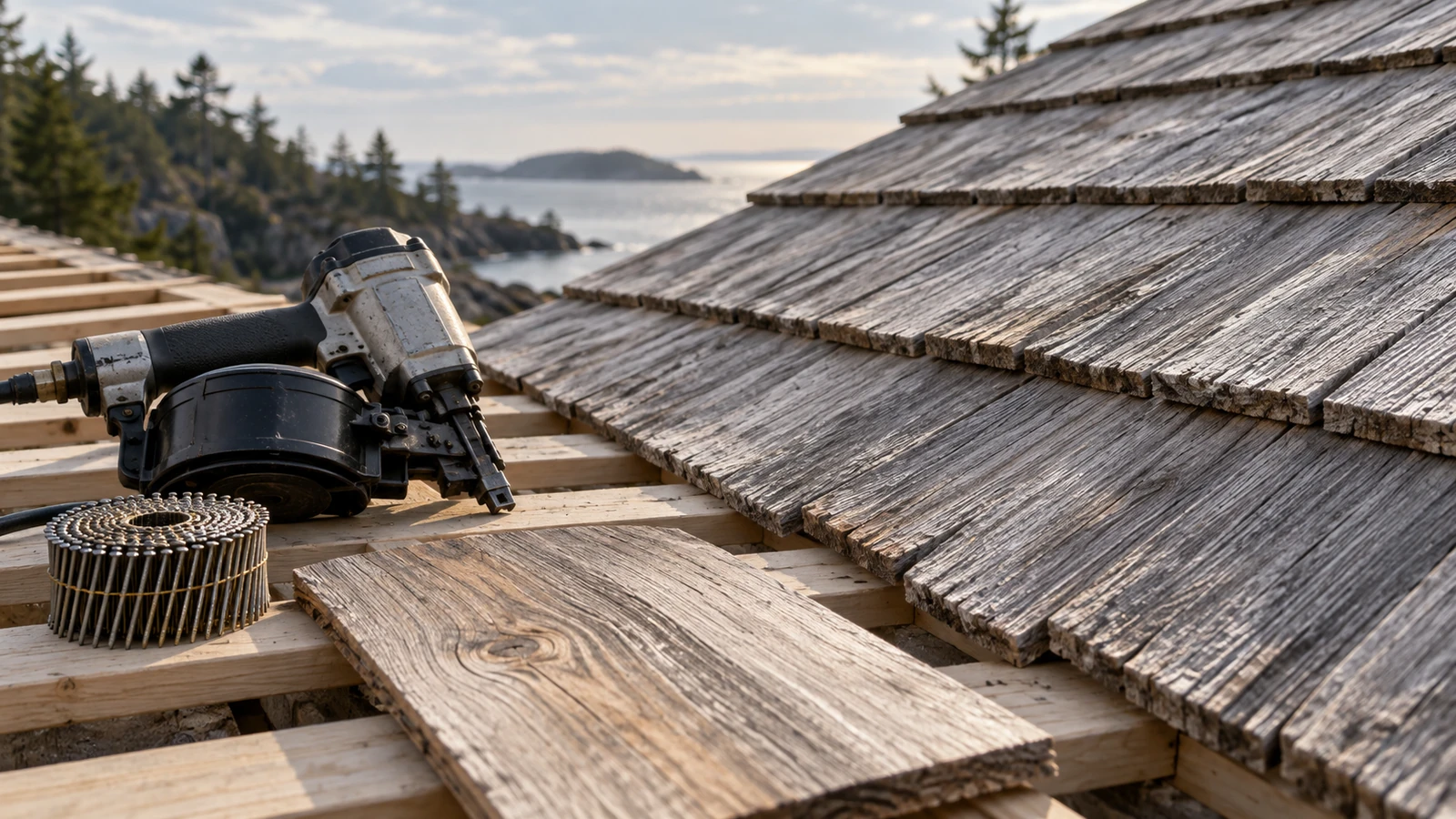


Pneumatic nails corrosion resistance is an exposure-and-evidence question, not a finish name alone. A galvanized or stainless description may be a useful starting point, but the buyer still needs to define moisture, salt, chemicals, storage, substrate, visible-finish expectations, and the duration of service.
ProAirNails recommends selecting the finish against the actual route, then using representative samples, documented storage, and an agreed test or field plan before a corrosion-sensitive order is released.
Define the exposure before the finish
Record indoor or outdoor use, wet-dry cycling, salt or coastal exposure, treated wood, chemicals, condensation, temperature, storage duration, and whether red rust, white corrosion product, staining, or loss of holding function is the critical failure. The same nail may be acceptable in one route and unsuitable in another.
Use an exposure decision table
| Exposure question | Evidence to request | Release decision |
|---|---|---|
| Moisture route | Storage, transport, installation, drying cycle | Finish and pack match the route |
| Substrate | Wood species, treatment, chemicals, contact metals | Interaction risk reviewed |
| Visible surface | Stain, white product, red rust, repair limit | Appearance limit defined |
| Service demand | Duration, load, maintenance, replacement access | Evidence level is proportionate |
| Storage | Humidity, carton barrier, warehouse time | Pack and receiving controls set |
Compare common finish routes carefully
Compare plain, galvanized, coated, and stainless options by the defined exposure and cost. Do not assume a thicker-looking finish or a darker color proves better protection. Ask how the finish is applied, which surfaces are covered, how the point and cut edges are treated, and how the finish interacts with collation and tool feed.
Choose a test method with limits
The ISO 9227:2022 page describes neutral, acetic acid, and copper-accelerated salt spray procedures and notes that exposure periods and interpretation belong to the relevant product specification. The current ASTM B117 page likewise describes a controlled salt-spray environment and cautions against treating it as a stand-alone prediction of natural service.
Write the test plan before testing
| Plan field | Buyer should state | Why it matters |
|---|---|---|
| Specimen | Fastener, coating, cut edge, installed or loose | Controls what the result represents |
| Condition | Exposure type, chamber, duration, checks | Enables comparison |
| Acceptance | White product, red rust, staining, function | Turns observations into a decision |
| Replicates | Pieces, lots, positions, controls | Shows variability and lot risk |
Inspect the finished fastener
Check coating continuity, cut edges, point, head, shank, collation, weld or carrier, and visible contamination. Test pieces from multiple cartons or pallet positions. Record the lot, storage condition, photographs, and timing so an apparent corrosion issue can be separated from packaging moisture or handling damage.
Do not ignore storage and packaging
Fasteners can arrive with corrosion risk already established by wet cartons, condensation, salt contamination, or extended warm storage. Review the ISO 780 handling and storage reference where package marks are relevant, and define barriers, desiccant, pallet wrap, warehouse rotation, and receiving hold checks.
Connect corrosion to tool and application
A finish can change friction, carrier behavior, feed, drive energy, surface marks, or the ability to use a nailer at the planned settings. Run representative application trials and inspect the installed surface. For equipment handling context, keep the NIOSH nail gun safety guide available to production teams.
- Record exposure, substrate, finish, storage, and lot before testing.
- Photograph the initial surface and each defined corrosion endpoint.
- Keep control pieces and replicate pieces with the same label.
- Separate chamber observations from natural-service expectations.
- Link the result to tool and application approval.
Price protection as accepted service
Compare finish price with rejected work, staining, rework, replacement access, claim freight, inspection effort, and service exposure. Keep pneumatic nails corrosion resistance tied to the cost of an accepted installation over its intended route, not to a coating label without a defined environment.
Put the claim in the RFQ
Ask suppliers to state base material, finish, application limit, storage assumptions, test method, specimen, acceptance criteria, pack, lot, and change notification. ProAirNails can review pneumatic nails, coil nails, related brad nails, and finish options through the inquiry page.
State the evidence boundary
Salt spray or another accelerated test cannot guarantee every natural environment, substrate, installation, storage condition, or service duration. Preserve exposure assumptions, test plan, samples, lot identity, photographs, and application results. Reopen the review when the finish, substrate, or environment changes.
Use the pneumatic nails corrosion resistance record to align product, finish, packaging, test, and application decisions. That prevents a generic “rust resistant” phrase from becoming the only evidence in a buyer's release file.
Close the corrosion review with a buyer decision
Summarize the chosen finish, exposure boundary, test method, specimen, acceptance limit, storage requirement, and approved lot. ProAirNails can keep the pneumatic nails corrosion resistance conclusion beside the sample photos and carton record so a repeat order does not inherit an old claim without checking the current wire, coating, and route. If the buyer accepts a conditional result, write the limitation, owner, due date, and next review. This makes the decision visible to purchasing and receiving, where a changed carton or storage period can otherwise erase the original corrosion assumptions. A clear conclusion also helps sales answer a new RFQ without promising that one accelerated test predicts every outdoor or chemical environment.
FAQ
Is galvanized always corrosion-proof?
No. Protection depends on finish, exposure, substrate, storage, installation, and the defined acceptance limit.
What should be tested?
Test representative fasteners and finishes under conditions that reflect the buyer's route, including cut or exposed areas when relevant.
Does salt spray predict outdoor life?
Not by itself. ISO 9227 and ASTM B117 describe controlled tests; product specifications and field evidence set interpretation.
What is white corrosion product?
It is a visible corrosion product that may appear on some coated surfaces; define whether it is acceptable for the application.
Should packaging be part of the corrosion plan?
Yes. Moisture, condensation, salt contamination, and long storage can affect the fastener before installation.
Can finish affect tool feed?
It can change friction or surface behavior, so include tool loading and driving in the approval trial.
How many lots should be checked?
Use a risk-based plan covering the lots and pallet positions that could be released to the application.
What belongs in a corrosion claim?
State environment, finish, substrate, storage, test method, acceptance limit, lot, and service boundary.
When should the review be repeated?
Repeat it after changes to finish, wire source, substrate, treatment, packaging, storage route, or service environment.
What does an RFQ need?
Send exposure, finish preference, application, pack, test, acceptance criteria, destination, and required evidence.