
When Fastening Volume Becomes the Real Problem
A pneumatic nails manufacturer is rarely evaluated only on the nail itself. Buyers usually discover that the real issue is production flow: how fast the collated nails feed, whether the coil or strip holds together in transit, and how reliably the fastening system keeps moving once the line or crew gets busy. In framing, roofing, pallet assembly, and other high-volume wood fastening work, a small feeding problem can slow an entire job. That is why purchasing teams tend to look at nails and nail tools as a system, not separate items.
This matters because downtime is expensive in ways that are easy to underestimate. A few malformed collations, a weak magazine feed, or inconsistent packaging can create jams, rework, and tool wear. For sourcing managers, the question is not just “what nails are available?” but “which supplier can keep the fastening process stable at scale?”
What the Product Setup Suggests
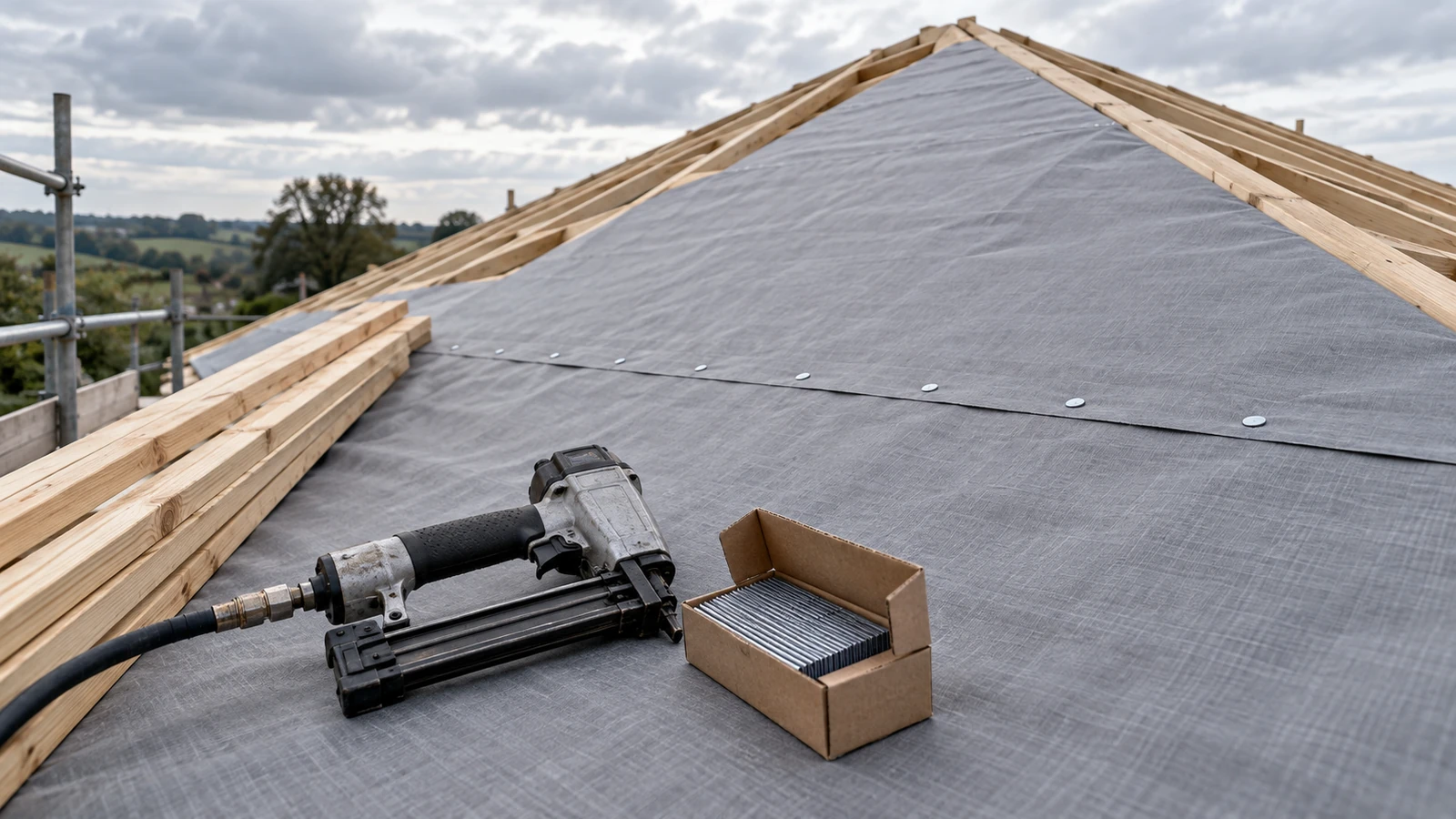
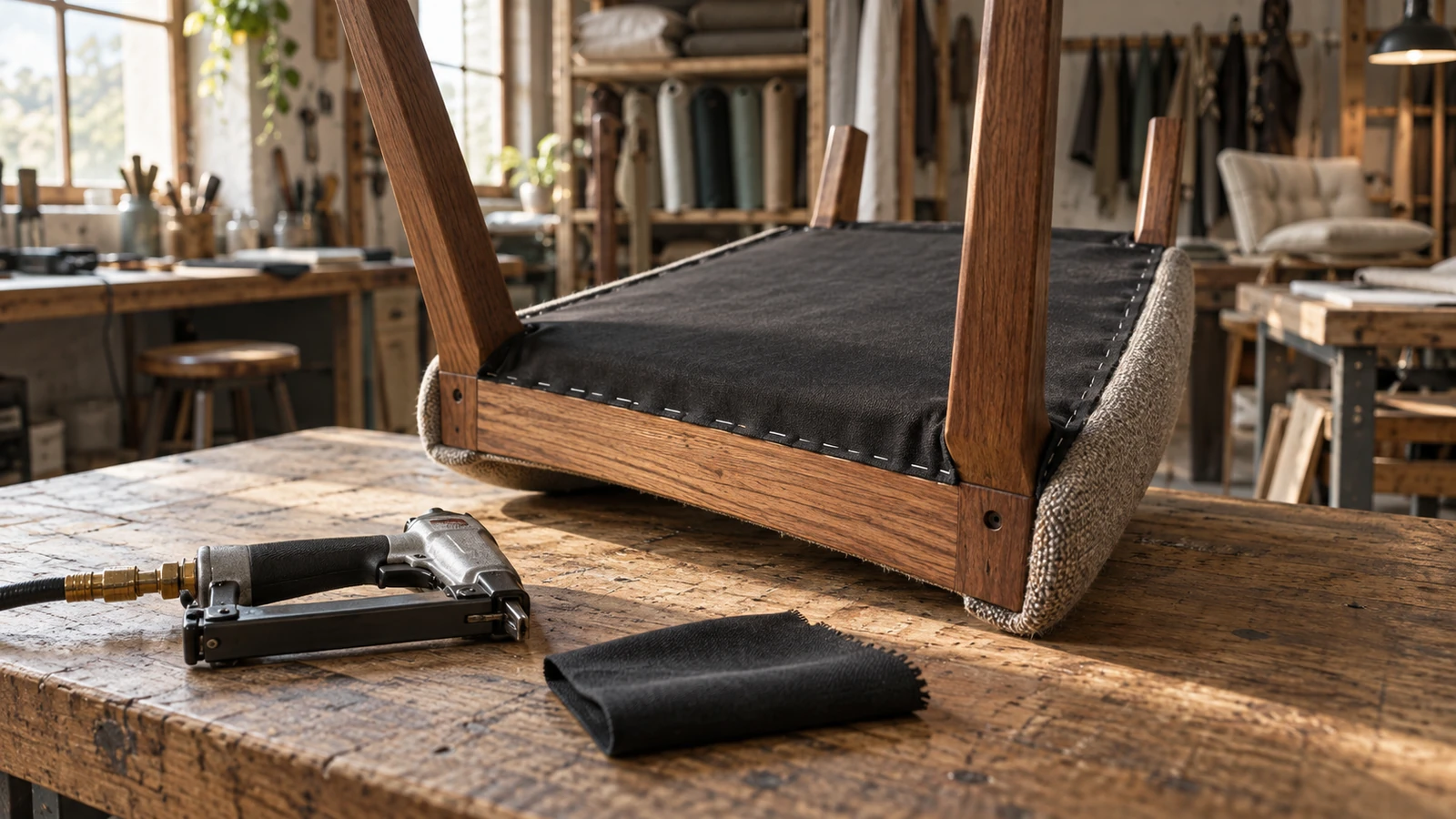
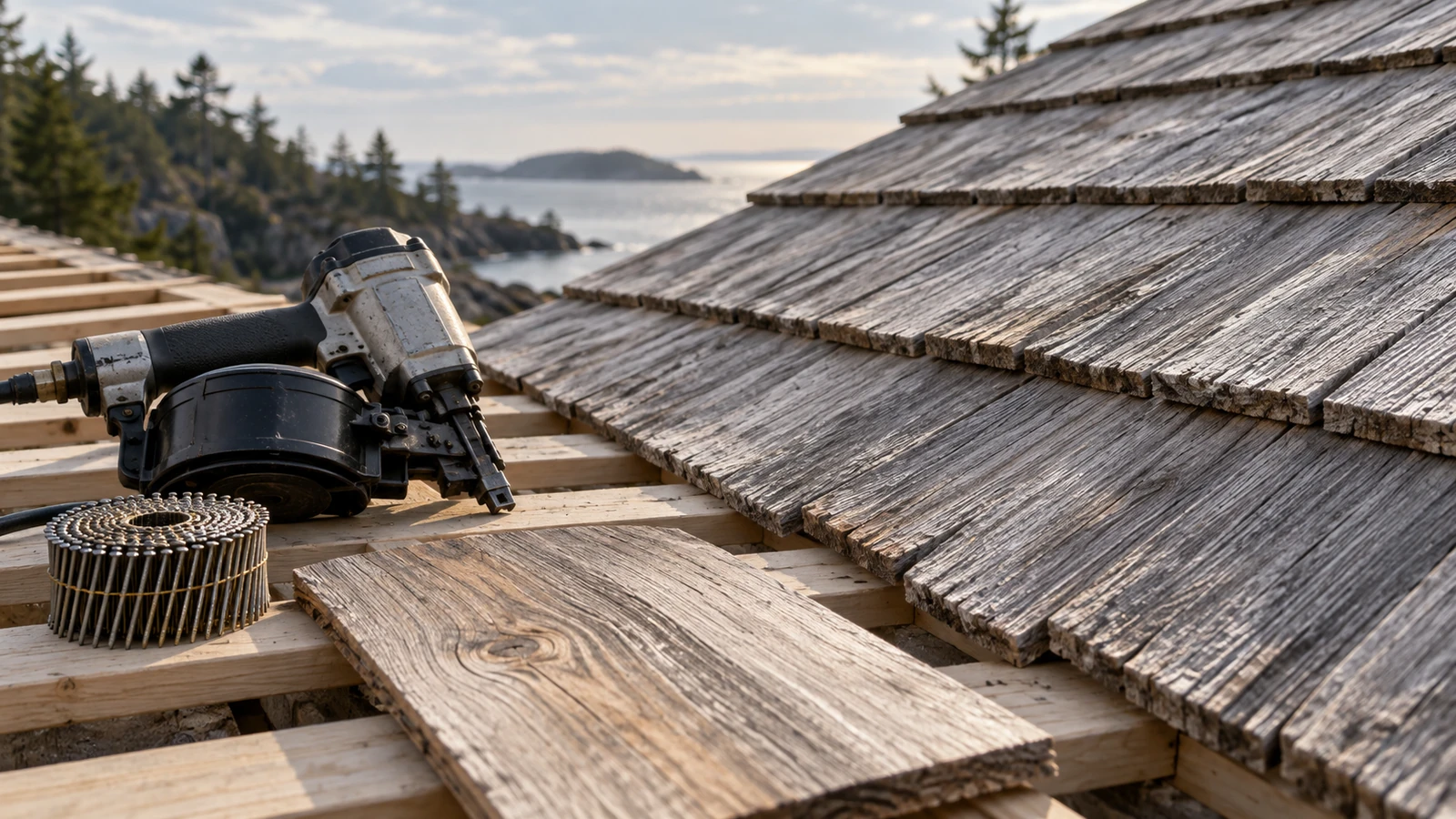
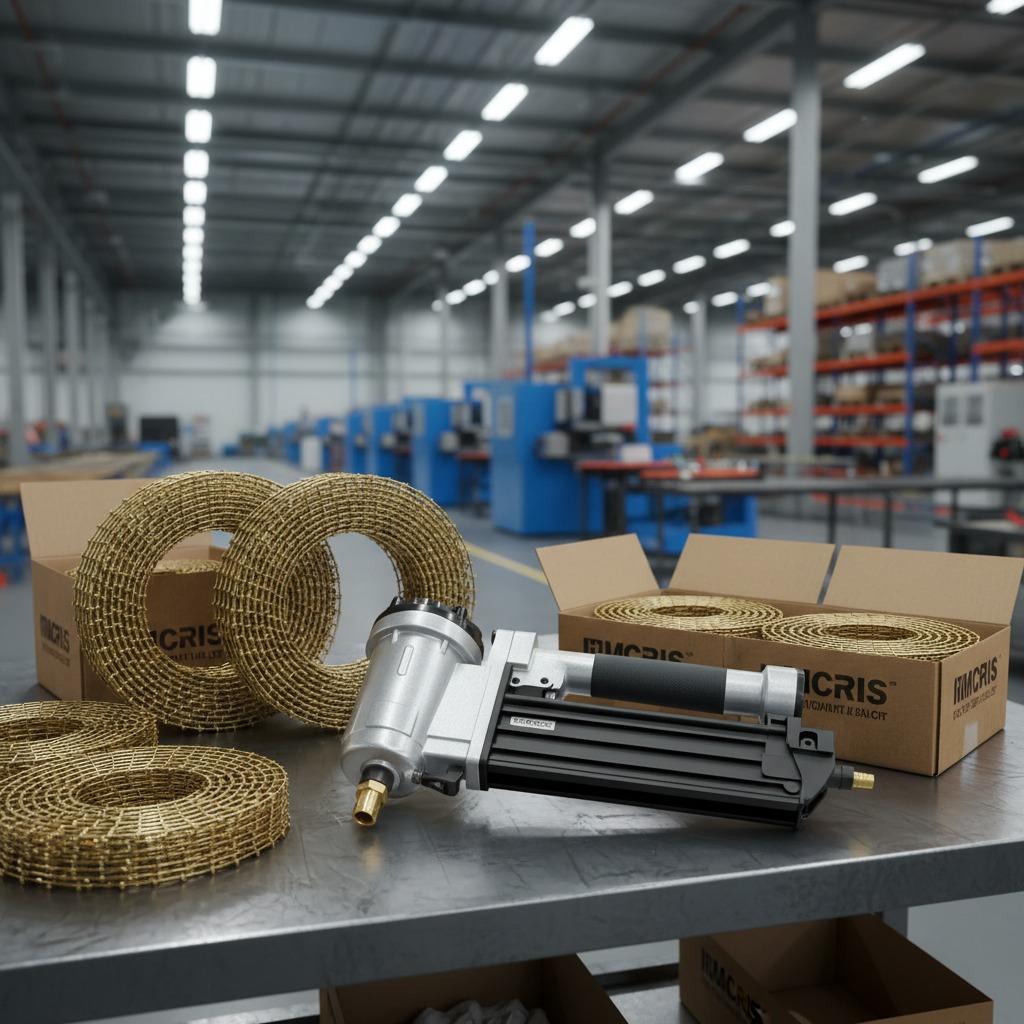
The visible product setup here is straightforward: collated pneumatic nails packaged in bulk, alongside a pneumatic nail gun or coil nailer assembly. The nails appear metallic with a bright finish, arranged in circular coil reels and strip bundles with collation material visible between rows. The tool has a metal body, black grip and magazine area, and a rear air inlet fitting. Nothing in the supplied data supports assumptions about exact nail dimensions, coatings, or tool specifications, so it is better to stay close to what can actually be seen.
From a buyer’s perspective, that is enough to tell an important story. This is a fastening setup designed for continuous work. The collated format reduces reload interruptions, and the magazine-fed tool supports repeated driving in wood or similar materials. That combination is the reason coil and strip collations remain common in trade applications where speed matters more than delicate handling.
Case Study Lens: What Buyers Usually Need From a Supplier
In a typical sourcing scenario, a production team or contractor is not searching for novelty. They want consistency. The most practical criteria usually include feed reliability, packaging quality, availability in bulk, and the supplier’s ability to handle repeat orders without changing the feel of the product from lot to lot. A pneumatic fasteners manufacturer that serves industrial users should understand that a slight variation in collation integrity can be enough to cause trouble in the field.
Common decision points
Buyers often compare coil-packed nails against strip-packed nails based on tool design, job type, and reload frequency. Coil formats may suit continuous fastening where higher capacity helps, while strip formats can fit other tool setups and handling preferences. The point is not that one format is universally better, but that the fastening system should match the work pattern.
For procurement teams, packaging also matters more than it first appears. The supplied image shows cardboard box packaging, which is a practical reminder that transport protection and warehouse handling can affect the final quality seen on site. Damaged collation strips or deformed coil reels may not look dramatic on arrival, but they can create friction during feeding.
How OEM and Bulk Supply Change the Conversation
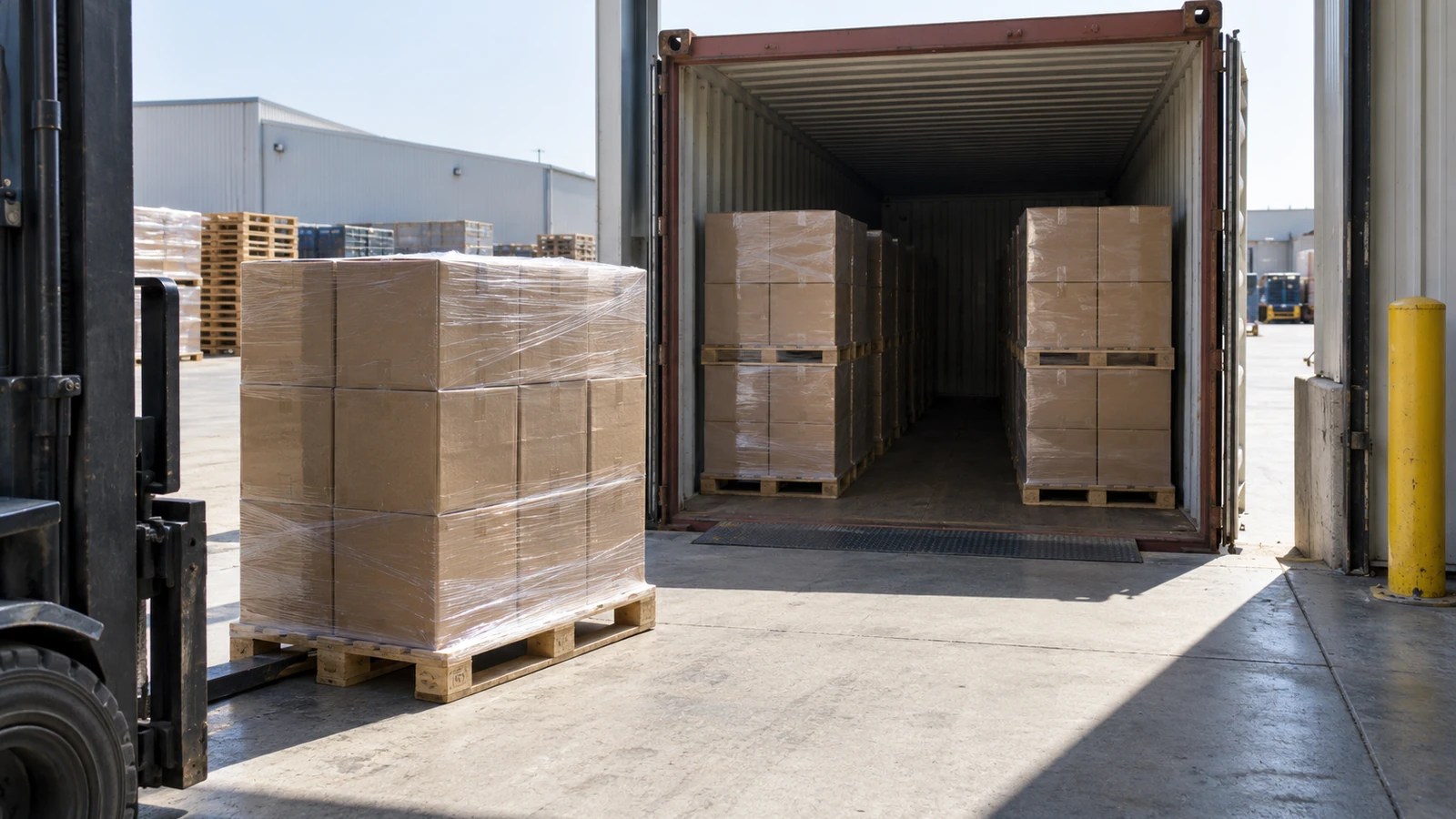
Once a buyer moves from spot purchases to program buying, the discussion shifts toward OEM support and repeatable supply. An OEM pneumatic nails manufacturer is usually judged on its ability to maintain product consistency while accommodating customer requirements around packaging, branding, or order volume. Likewise, a bulk pneumatic nails supplier is expected to understand warehouse logistics, palletization, and the reality that these fasteners are often consumed quickly in high-throughput environments.
The phrase pneumatic nails wholesale supplier matters because wholesale buyers are not simply chasing the lowest unit cost. They are trying to avoid disruption. A modest price difference can disappear fast if the nails do not feed cleanly or if shipments arrive in packaging that is too fragile for industrial handling.
Practical Buyer Advice
If you are evaluating suppliers, ask for the details that actually affect production: collation type, packaging format, tool compatibility guidance, and whether the supplier can support repeat orders with the same spec. Avoid assuming that all collated nails behave the same just because they look similar in a box. In fastening operations, “close enough” has a habit of becoming expensive later.
It also helps to test the nails in the actual tool and material combination you use on site. Framing lumber, sheathing, pallets, crates, decking, and fencing each place slightly different demands on the fastening system. A product that runs smoothly in one setting may be less forgiving in another.
What This Case Study Really Shows
The main lesson is simple: when the job depends on speed, a good pneumatic nails manufacturer is not just selling metal fasteners. It is helping protect uptime, feed consistency, and packaging integrity across the whole fastening process. That is the standard most industrial buyers should use when they compare suppliers.
If you are building a sourcing shortlist, start with the collated format you need, confirm the tool fit, and review how the supplier handles bulk packaging and repeat orders. From there, it becomes much easier to separate a true production partner from a vendor that only looks suitable on paper.
FAQ
Are coil and strip collated nails used for the same jobs?
Not always. They can overlap, but the choice usually depends on the tool design and the fastening workflow.
Why does collation quality matter so much?
Because poor collation can cause feeding problems, jams, or inconsistent driving performance.
Should I buy only by price?
That is risky. In high-volume fastening, stability and supply consistency often matter more than a small unit-cost difference.
If you are comparing manufacturers now, the next step is to request product details, sample packaging photos, and tool compatibility notes before placing a bulk order.