
What a pneumatic nails manufacturer is really solving for
A pneumatic nails manufacturer is not just making bits of metal with pointy ends and a decent attitude. They are helping builders, trim crews, framing contractors, and distributors keep air tools fed with fasteners that drive cleanly, stack reliably, and do not turn a jobsite into a jammed-tool comedy sketch. For buyers, the real question is rarely “Can you make nails?” It is “Can you make nails that cycle well in the tool, hold in the substrate, and arrive consistently enough that nobody has to babysit a pallet of product?”
That is why sourcing from the right pneumatic nail manufacturer matters. The wrong fastener profile can slow a crew, damage a nailer, or create finish problems that only show up after the room is painted and the customer has already noticed the shadow line. Not ideal.
Fastener types buyers usually compare first
In this category, the naming can get a little messy because people use trade terms loosely. A pneumatic nail manufacturer may supply different product families for different tools and applications, including framing, finishing, and general air nailer use.
Pneumatic framing nails
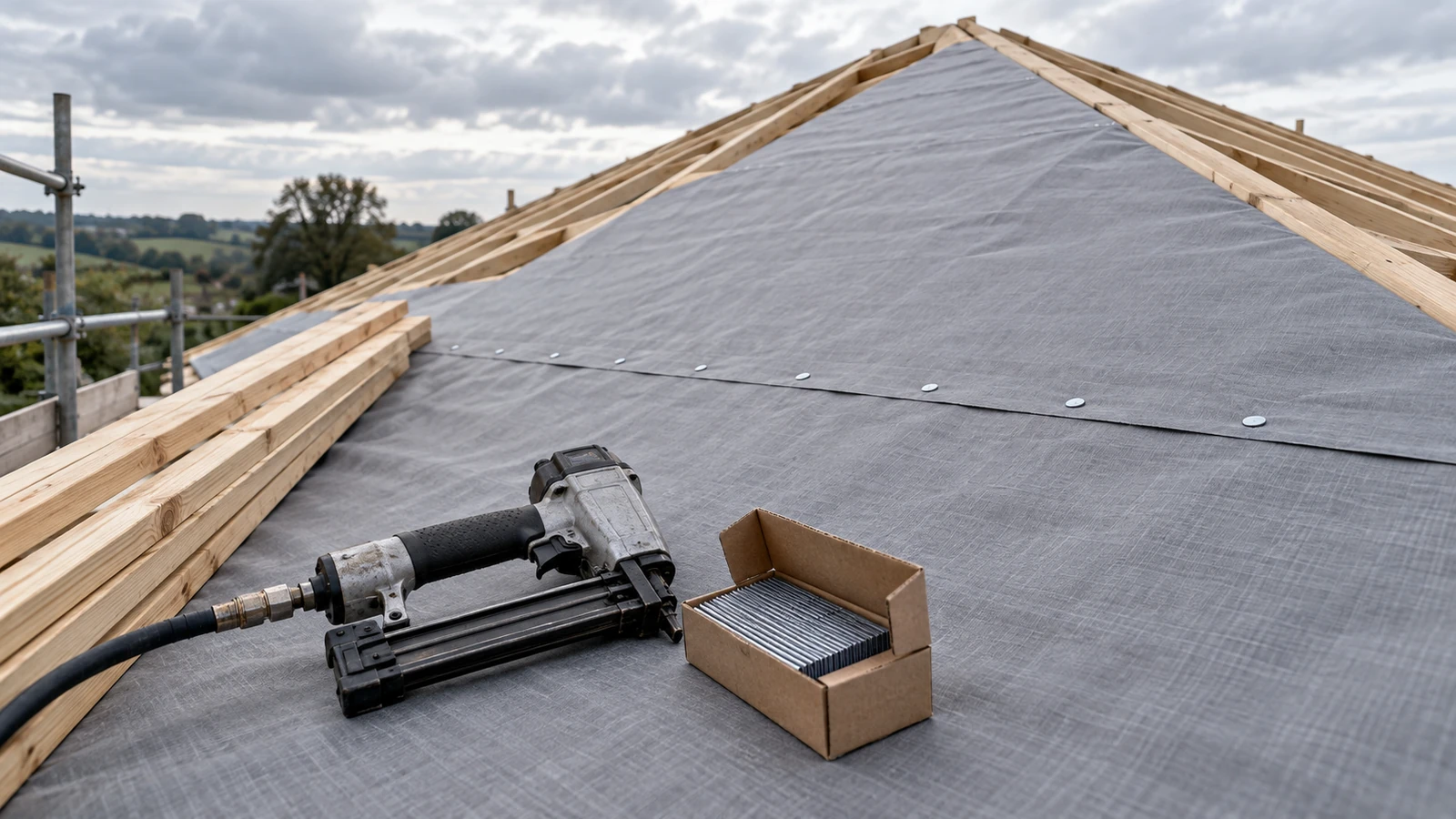
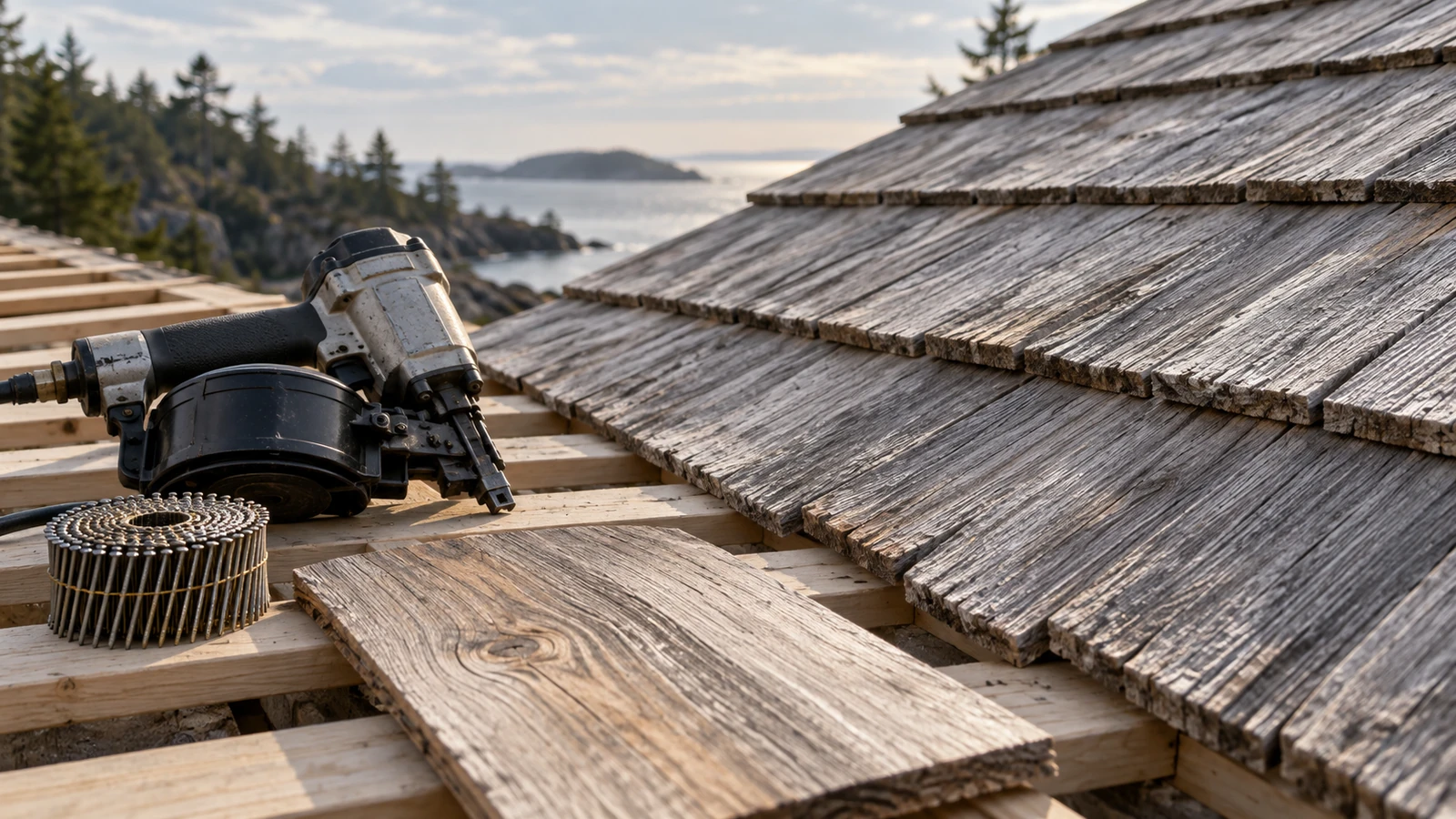
These are the workhorses for structural and heavy construction tasks. Buyers usually care about shank style, collated strip consistency, and whether the nails feed smoothly under fast cycling.
Pneumatic finishing nails
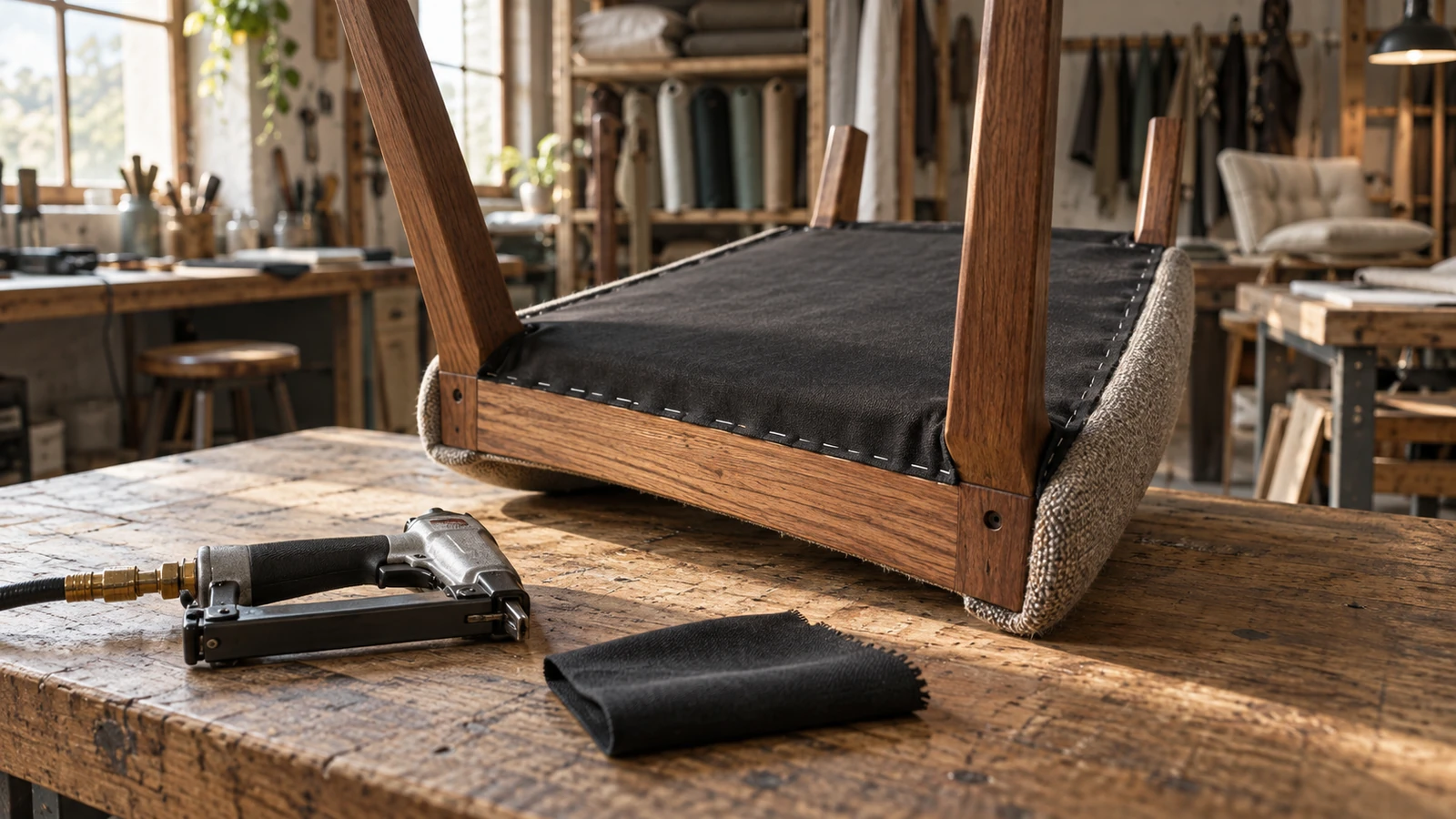
These are more about appearance and controlled penetration. In trim work, a nail that sets too aggressively is a nuisance; a nail that does not seat cleanly is an even bigger one. Small details matter here, especially for cabinet, molding, and interior finish jobs.
General air nailer nails
This is the broader bucket, and it often includes nails for mixed-use pneumatic tools. Distributors often want packaging and collating that reduce confusion at the counter, because a jobsite is no place for guesswork.
What to look for before placing a purchase order
The practical buyer criteria are usually more important than the brochure language. Start with compatibility: nail length, gauge, head style, shank type, and collation angle all need to match the tool and application. If any one of those is off, the fastening system becomes a very expensive paperweight.
Then look at consistency. A good pneumatic nail manufacturer should be able to hold dimensional uniformity across lots and keep collation stable enough for the nailer to feed smoothly. Coating choice also matters, though the best option depends on whether the application needs corrosion resistance, easier driving, or compatibility with a specific substrate.
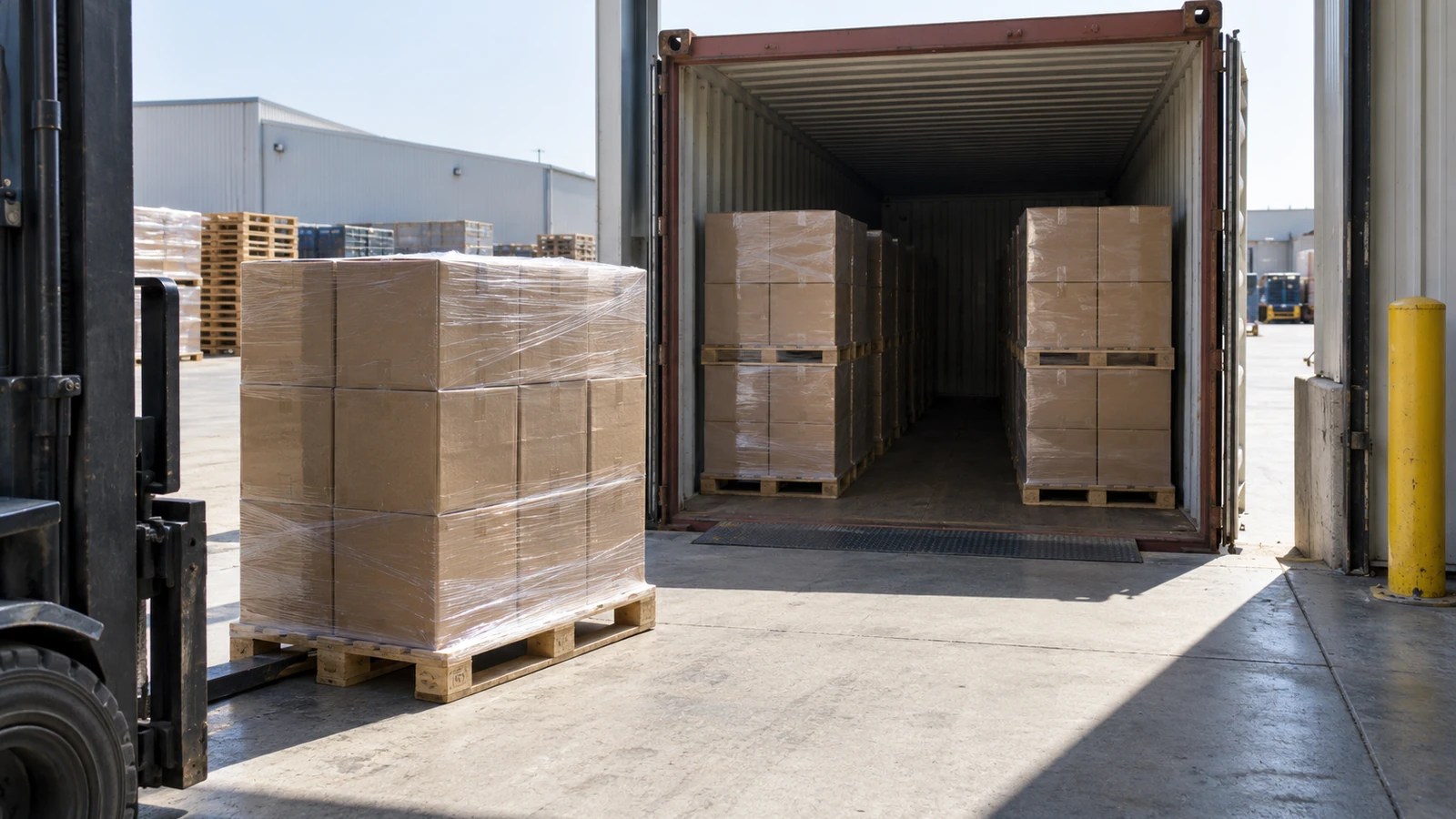
Packaging is another detail that gets underestimated. Contractors notice damaged strips, loose collated nails, and cartons that do not survive shipping. None of that is glamorous, but it affects real-world productivity.
Where buyers can get tripped up
One common mistake is treating every nail specification as interchangeable. It is not. Framing nails and finishing nails may both be “pneumatic,” but they live in very different neighborhoods. Another mistake is assuming the lowest unit price is the best deal. If the nails jam the tool, waste labor, or create rework, the savings disappear fast.
There is also a packaging trap. A supplier may make the right nail but fail at collating or carton protection, which creates problems long before the fastener reaches the wall.
Why dense pin-field components are worth mentioning here
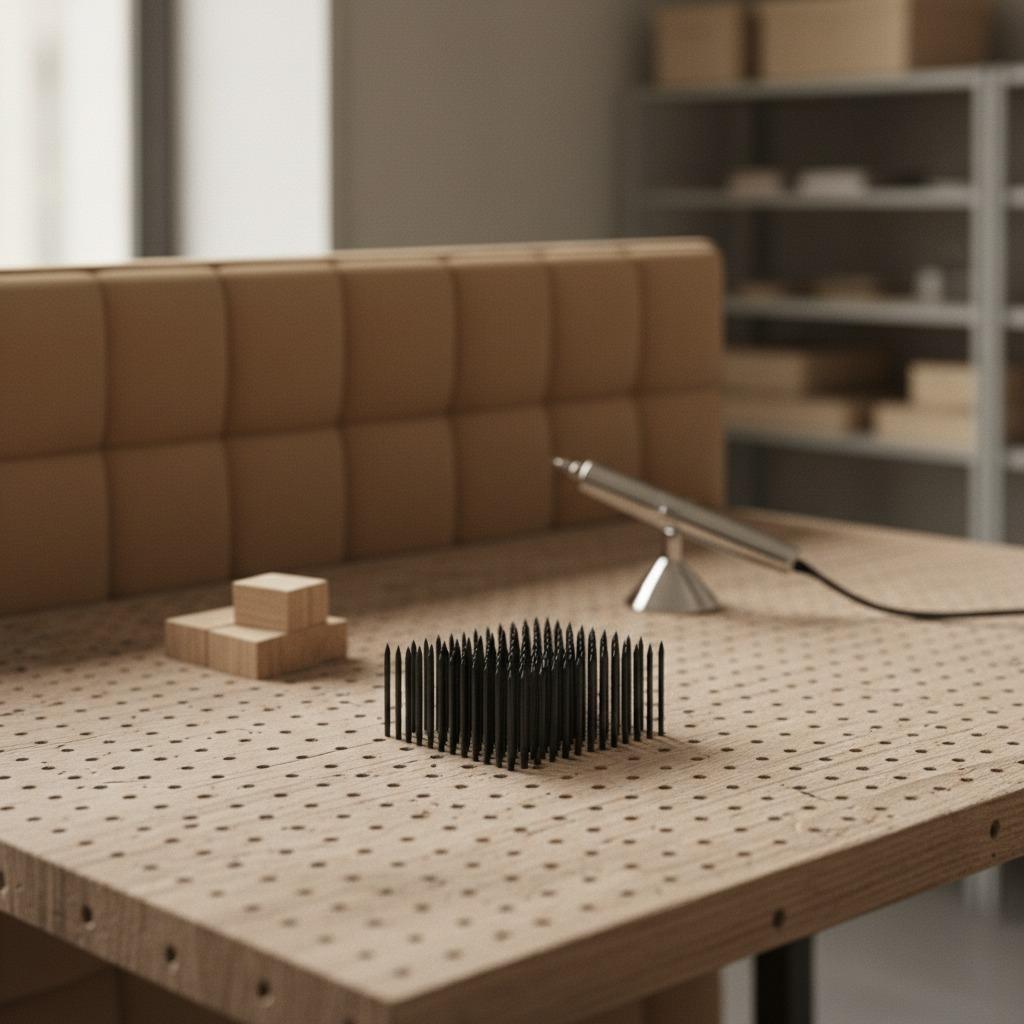
The product image provided shows a compact rectangular array of closely spaced vertical metal pins. It does not look like a finished consumer fastener; it looks more like a tooling or fixture component, possibly related to pin-field surface work, indexing, holding, or patterning. That kind of geometry points to the broader reality of manufacturing: precision metalwork often serves a hidden function long before a jobsite sees the final result.
For a pneumatic nails manufacturer, the same discipline applies in a different form. Clean geometry, repeatable spacing, and stable metal forming are what separate a dependable supply chain from a bin of headaches.
Quick buyer checklist
Before selecting a pneumatic nail manufacturer, ask for the exact product family, tool compatibility, collation format, and coating options. If you are sourcing for multiple crews or regions, confirm whether the supplier can support more than one fastener format without mixing specifications. That sounds obvious until somebody ships the wrong collated strip to a framing crew at 6 a.m.
Also, request sample packs before committing to volume. A few test boxes in the right nailer usually tell you more than a polished sales deck ever will.
FAQ
What is the main benefit of working with a specialized pneumatic nails manufacturer?
Better compatibility, steadier quality, and fewer feeding problems in the tool.
Are all pneumatic nails the same?
No. Framing, finishing, and general air nailer nails serve different applications and should be matched carefully to the tool.
What should I test first?
Tool feeding, drive performance, and packaging integrity. If those three behave, you are usually in better shape.
Next step
If you are comparing suppliers, start with the specification sheet, then ask for samples, then test them in the actual nailer on the actual material. That sequence saves time, and a fair amount of embarrassment. A competent pneumatic nails manufacturer will welcome that process. The flaky ones usually prefer you not ask too many questions.