
What buyers really mean when they search for a pneumatic nails manufacturer
When sourcing a pneumatic nails manufacturer, most engineers and purchasing teams are not just looking for a factory that can make metal fasteners. They are usually trying to solve a production problem: how to keep fastening operations consistent, reduce manual labor, and avoid stoppages on the line. In a plant that runs pallet assembly, crate building, woodworking, packaging, or other repetitive fastening work, the tool and the fastener are part of the same system. If either one is poorly matched, the result is waste, rework, or downtime.
That is why the buying decision is broader than price. A pneumatic fasteners manufacturer may be able to supply coil-fed nails or related fastening products, but the real question is whether the supply matches your tool path, feed format, material requirements, and production rhythm. A buyer usually needs a supplier who understands industrial fastening, not only a catalog of parts.
Why the product format matters more than it first appears
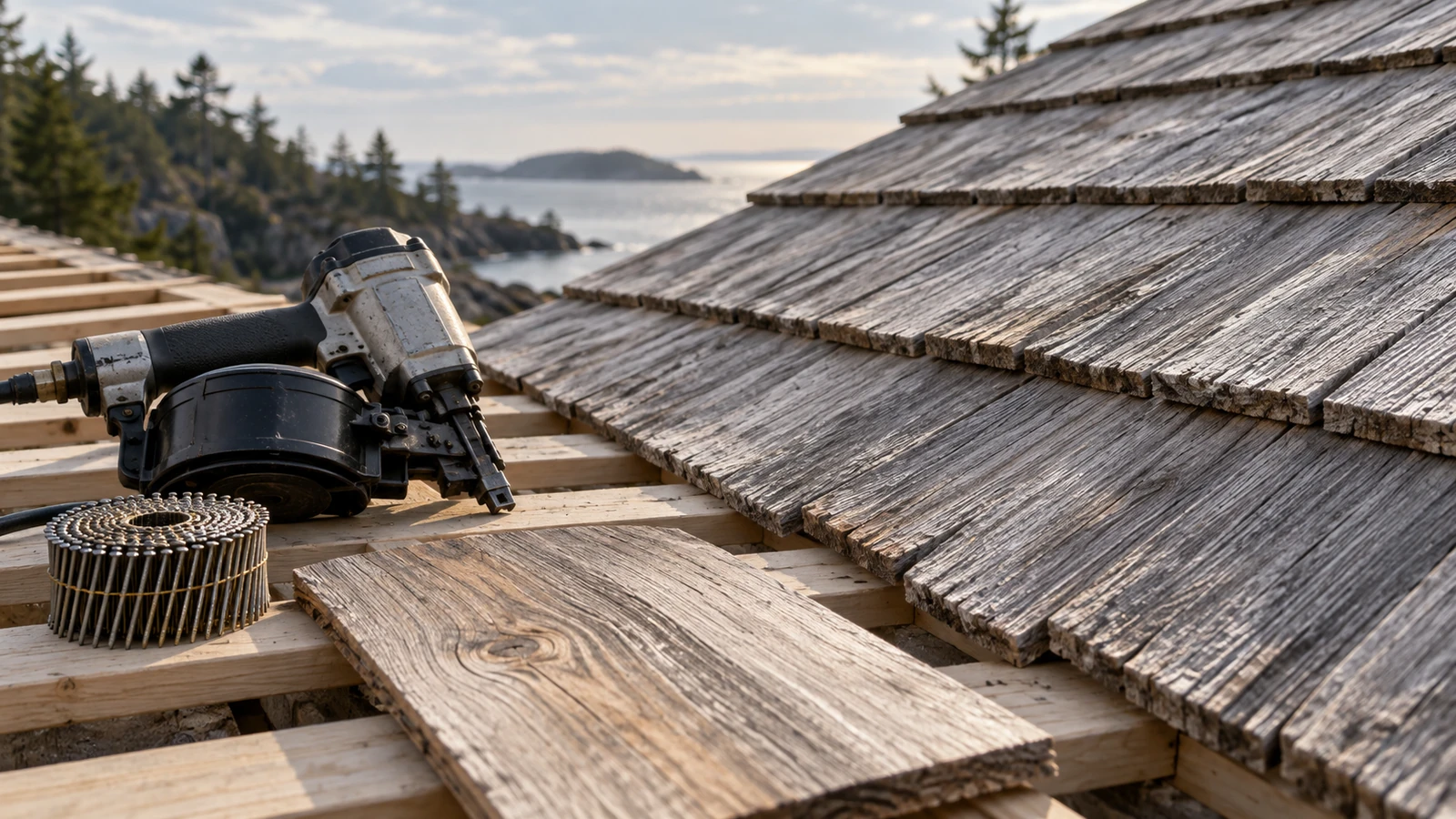
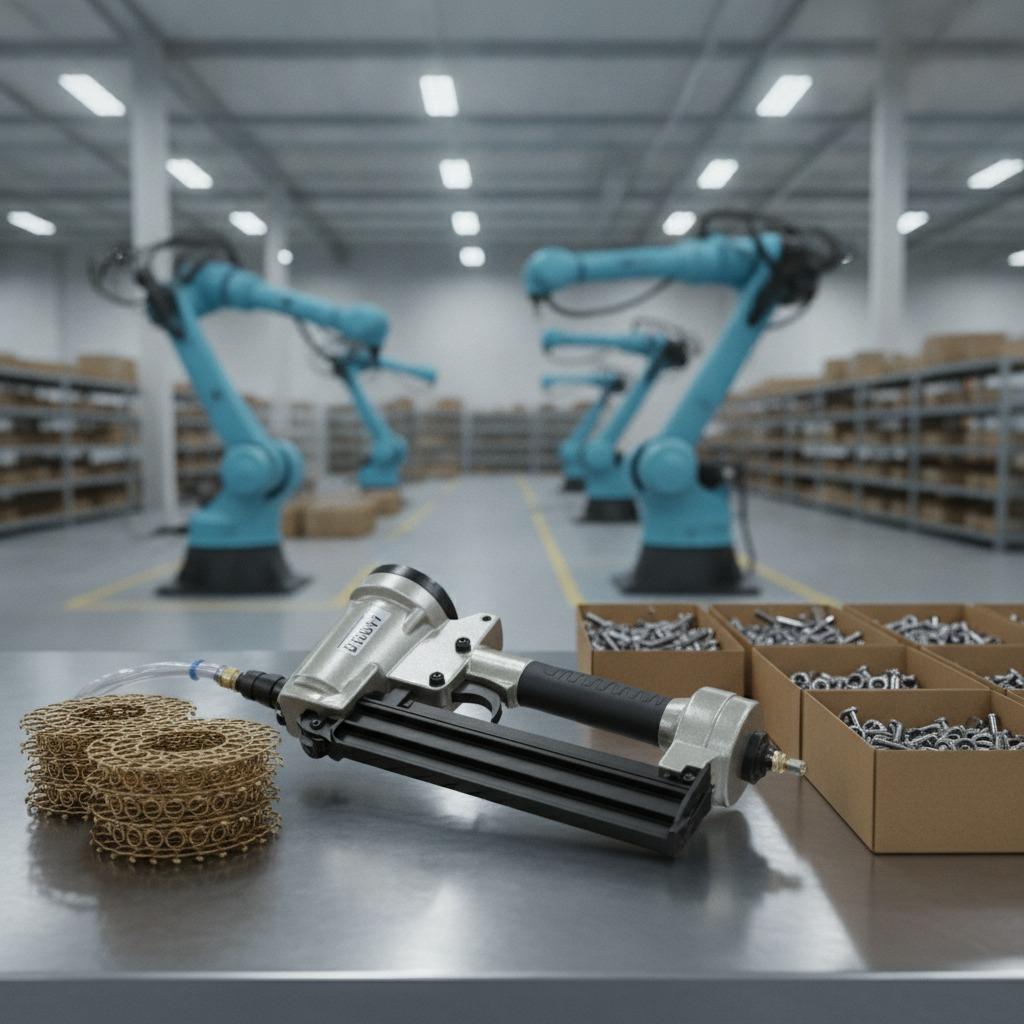
The visible product reference here points to an industrial pneumatic nailer or stapler tool, likely a coil-fed nailer used for repetitive fastening. That matters because coil-fed systems are chosen for throughput. They reduce reload frequency and suit line-side or workshop operations where workers need to drive many fasteners in quick succession. For a factory manager, that means less interruption. For a sourcing manager, it means the fastener supply must be stable and compatible with the tool’s feed format.
In practical terms, the wrong fastener geometry can cause jams, inconsistent driving, or premature wear on the tool. That is why a pneumatic fasteners manufacturer is often evaluated alongside the air tool environment itself. The buyer is really checking a chain: compressor air supply, hose connection, feed mechanism, magazine style, and the material being fastened.
Quick reference: what to compare before placing an order
If you are comparing a pneumatic nails wholesale supplier against an OEM pneumatic nails manufacturer, the differences are usually in control and flexibility.
Wholesale suppliers are often useful when you need standard products quickly and in volume. OEM manufacturing is more relevant when you need a custom fastener profile, branded packaging, or a product built around a specific tool platform. A bulk pneumatic nails supplier may be the most practical choice when the main objective is uninterrupted consumption on a production floor.
That said, the lowest-cost option is not always the best option. Fasteners that look similar on paper can behave differently in a coil-fed tool. Small differences in coating, shank shape, strip collation, or strip angle may not look important in a sales sheet, but they can become expensive once production starts.
What the tool image suggests about industrial use
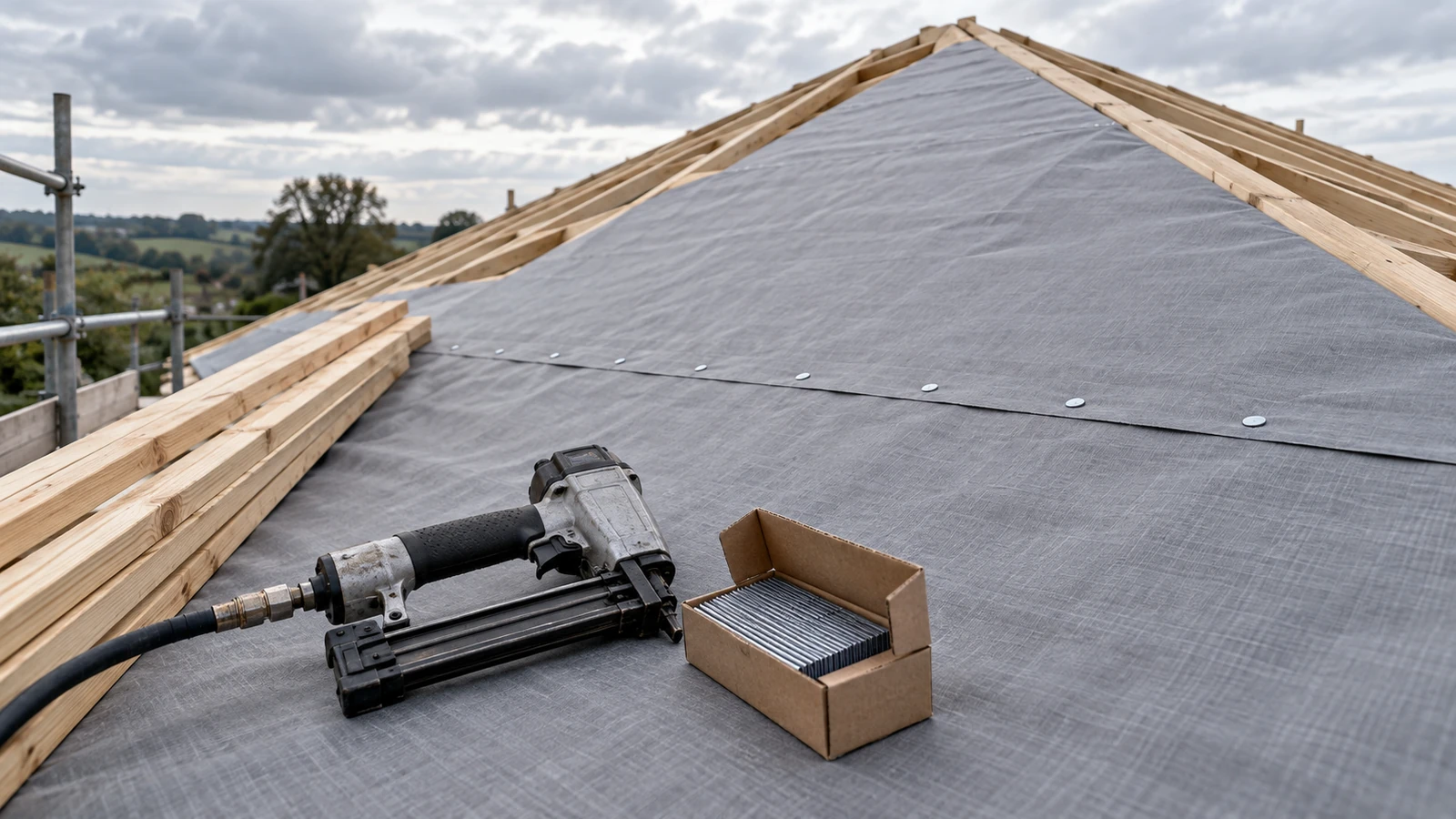
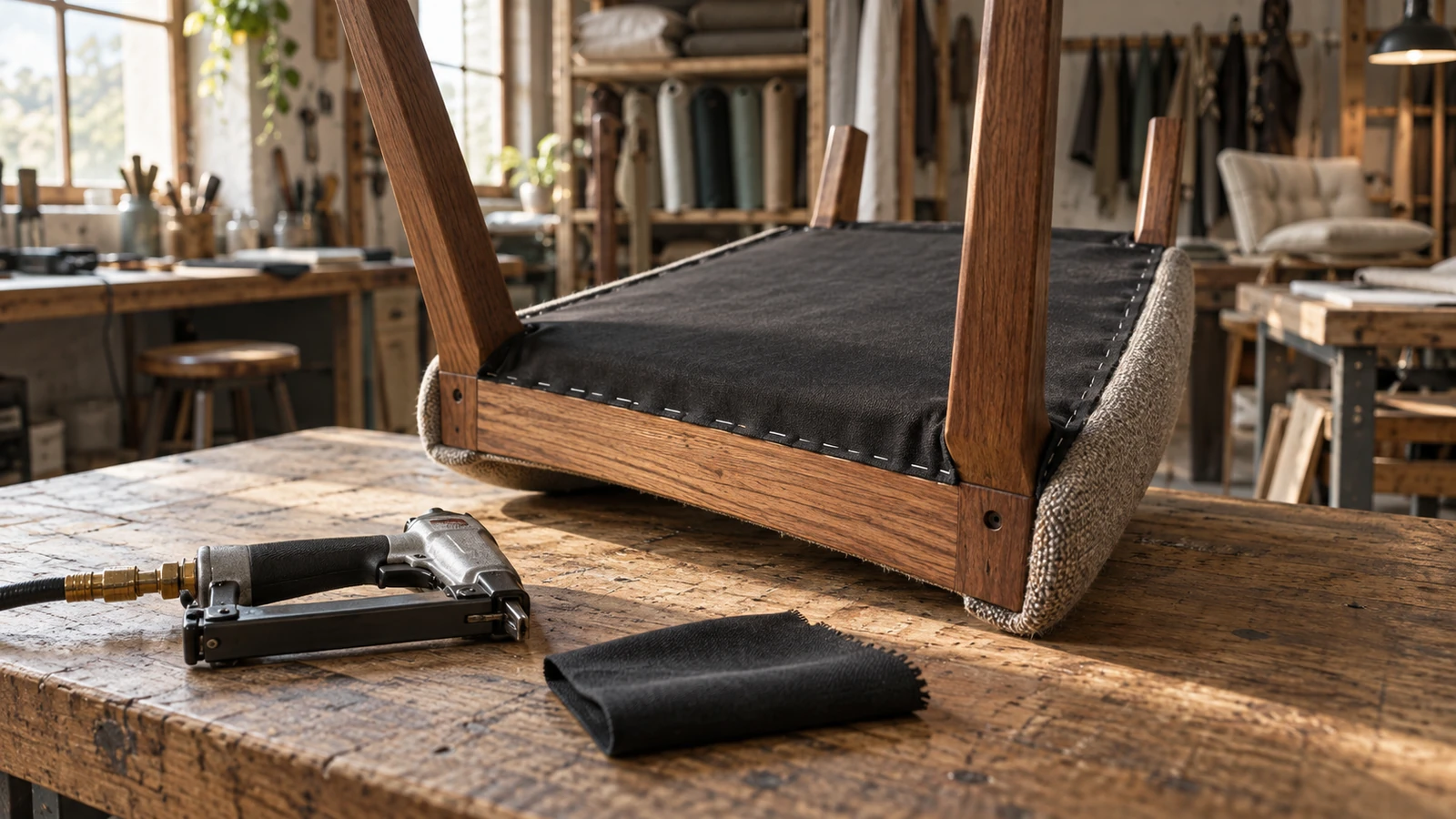
The tool shown has a handheld pistol-grip body, a trigger, a long magazine, and a visible air fitting connected to a coiled hose. Those are classic signs of compressed-air fastening equipment built for repeated use. The brushed metal housing and black grip suggest a rugged shop-floor tool rather than a light-duty consumer product. The coiled fastener feed also points to high-capacity operation, which is typical in pallet, crate, furniture, or general assembly settings.
For buyers, this matters because the tool ecosystem usually determines procurement priorities. A line that uses coil-fed fastening equipment needs steady replenishment and predictable supply. If the plant is moving away from hand nailing or irregular manual fastening, the supplier should be able to support that shift without creating new bottlenecks.
Selection criteria that engineers tend to care about
Compatibility first
Fasteners must fit the intended tool and application. That sounds obvious, but in practice it is the first place projects go wrong. Ask whether the fastener is intended for coil-fed pneumatic use, and confirm the collation style before you order in bulk.
Material and finish
Industrial buyers usually want enough corrosion resistance for the working environment, but they do not always need an overly complex coating system. The right finish depends on storage conditions, the substrate being fastened, and whether the assembly will be exposed to moisture. If the supplier cannot explain the finish in plain terms, that is a warning sign.
Consistency across lots
A factory does not want one batch that feeds smoothly and another that jams. Ask how the supplier controls repeatability. Even if exact test data is not available in an early discussion, a credible manufacturer should be able to explain process controls and packaging discipline.
Common mistakes in pneumatic fastener sourcing
The most common mistake is buying by nominal size alone. Another is assuming all coil-fed products are interchangeable. They are not. Buyers also sometimes focus on the tool and forget the fastener, or focus on the fastener and ignore the compressed-air setup. Either way, a mismatch shows up on the floor, not in the purchase order.
A practical caution: if the procurement team is comparing multiple suppliers, ask for sample packs before committing to a large run. That is especially useful when the application is production-critical. One short test on the real tool is worth more than a polished brochure.
FAQ buyers usually ask
Is an OEM supplier better than a general wholesaler?
Not always. OEM makes sense when you need customization or tighter alignment with a specific tool or process. Wholesale makes sense when the priority is standard supply and speed.
Should I source the tool and fasteners from the same place?
It can simplify compatibility, but it is not required. What matters is documented fit, feed performance, and dependable replenishment.
What is the safest next step?
Define the application first: pallet, crate, woodworking, packaging, or line-side assembly. Then check tool format, feed style, and expected consumption before negotiating price.
What to ask a supplier before you move forward
Ask for application fit, collation format, packaging details, and whether the supplier works as a pneumatic nails manufacturer, a pneumatic nails wholesale supplier, or an OEM pneumatic nails manufacturer. That distinction tells you a lot about what they can realistically support. If your operation depends on continuous fastening, the right bulk pneumatic nails supplier is the one that can keep your line moving without forcing unnecessary changeovers.
For buyers building a new sourcing shortlist, start with technical compatibility, then look at supply reliability, then commercial terms. That order saves time and prevents the familiar headache of discovering a fastener mismatch after the warehouse is already full.