
Why buyers still specify pneumatic nail tools for production work
Anyone sourcing a pneumatic nails manufacturer is usually solving a practical problem, not shopping for a catalog feature. The real question is whether the fastening operation needs speed, consistency, and enough durability to keep pace with a line, a cell, or a packaging station. In pallet shops, crate assembly, and other wood-based production environments, the case for pneumatic fastening remains strong because compressed air can support repeated drives with less fatigue than manual nailing.
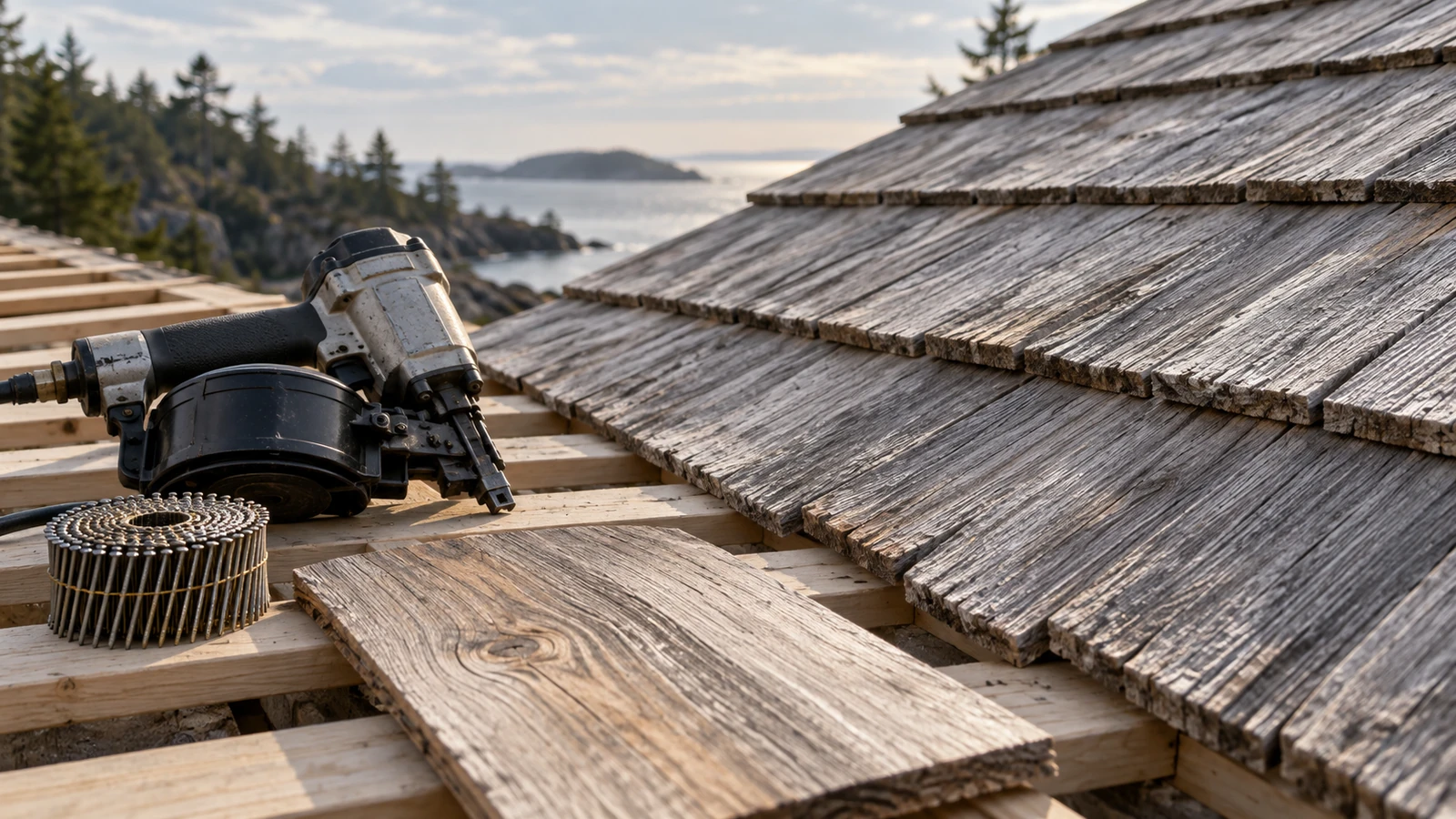
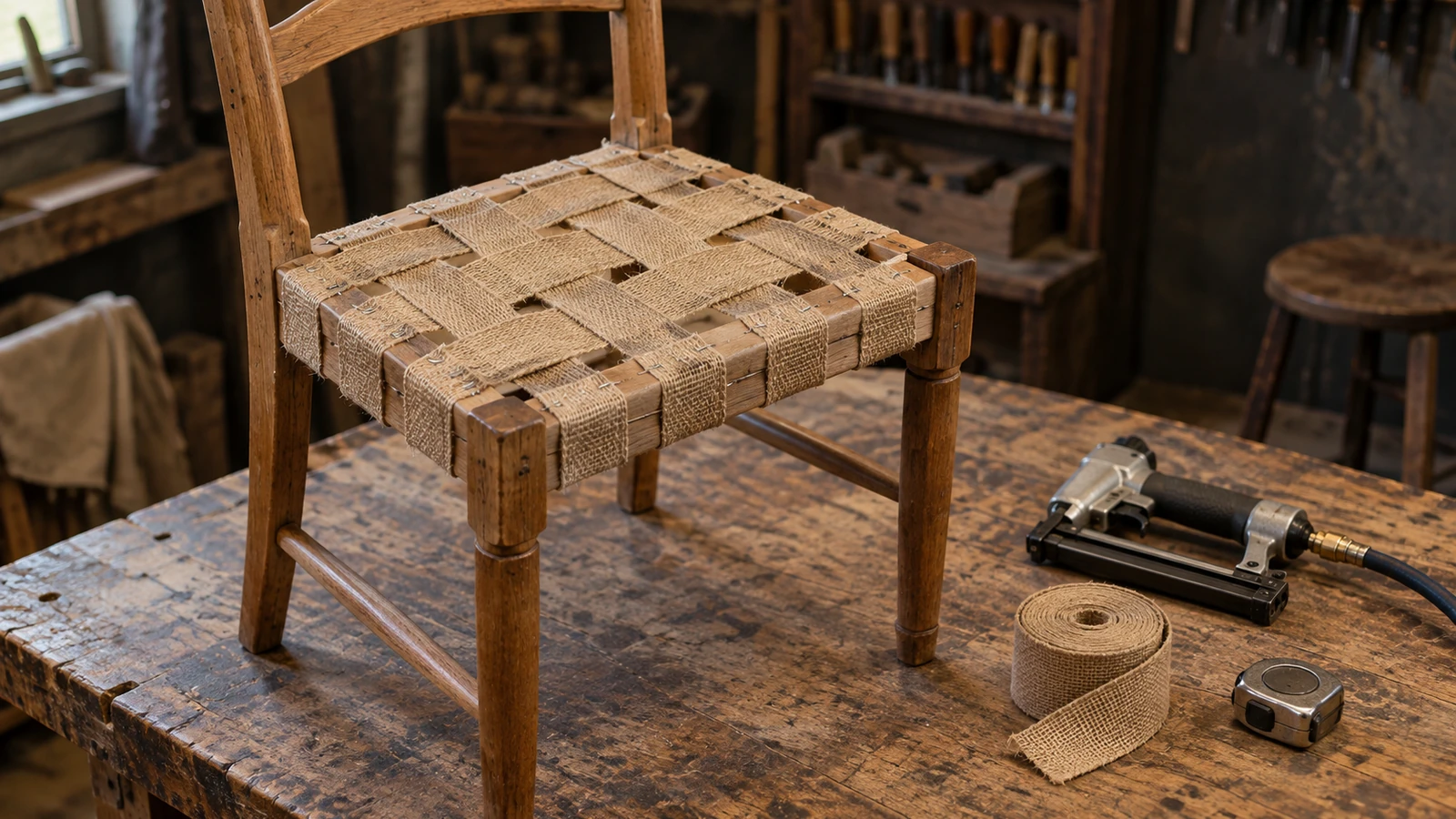
The tool shown here fits that industrial pattern: a pistol-grip pneumatic coil nailer with a visible air connection, a long magazine, and a front nosepiece for rapid fastening. That layout matters. High-capacity coil feeding reduces reload interruptions, while the air-powered drive helps maintain a steady rhythm when the work is repetitive. For buyers, that translates into throughput, not just convenience.

What this product category is really for
Pneumatic nail tools are not interchangeable with every fastening task. A factory that builds wooden packaging, pallets, and shipping components needs a different balance of speed and robustness than a trim shop or a furniture line. A coil-fed tool is often selected when the operator has to place a high number of nails with fewer pauses. That is why a bulk pneumatic nails supplier is often evaluated alongside the tool itself; the fastener format and the feeder design should work as a system.
In practical terms, the buyer is deciding whether the tool will reduce labor strain, improve cycle consistency, or lower the cost of downtime caused by frequent reloads. Those are the real metrics on the floor. If the operation is line-side and compressed air is already available, the economics can be favorable. If not, the air infrastructure becomes part of the sourcing conversation, and that part is easy to overlook in an early quote review.
Key features buyers should examine first
The visible features on this type of industrial fastening tool tell a useful story. The metal body suggests a construction intended for regular duty rather than light intermittent use. The black grip area points to operator handling over long shifts, where grip comfort is not a cosmetic detail. The long magazine implies a coil-format supply, which is commonly chosen for productivity. And the air hose connection confirms that the tool is built around compressed-air operation, not battery autonomy.
That said, buyers should resist the urge to stop at appearance. The real sourcing questions are still the classic ones: what nail size range is supported, what collation angle is used, how the nose is designed, and how the tool behaves in sustained production. Those details affect jam rates, access in tight joints, and whether the tool fits the actual workpiece geometry. The image does not reveal exact specs, so a careful buyer should request them rather than assume.
How OEM supply differs from standard wholesale
An OEM pneumatic nails manufacturer is usually engaged when a buyer needs more than simple product fulfillment. That may include private labeling, packaging changes, special collated fastener configurations, or compatibility alignment with an existing tool platform. By contrast, a pneumatic nails wholesale supplier is often judged on availability, assortment, and batch consistency.
In sourcing meetings, these two paths can get mixed together too quickly. They are not the same. OEM work tends to be more specification-driven and may require closer communication on materials, coating, collation format, and carton presentation. Wholesale supply is often faster to launch but less tailored. If your production team already has a stable tool spec, wholesale may be enough. If the fastener has to match a proprietary process or a branded kit, OEM support is the safer route.
Selection criteria that matter on the shop floor
Compatibility first
The tool and the nails must match. That sounds obvious, yet mismatches still happen when procurement reviews a sample without verifying dimensions or collation details. Nail length, head style, wire or plastic collation, and feeding geometry all affect performance.
Duty cycle and operator fatigue
A pneumatic fasteners manufacturer should be able to explain how the tool is intended to be used: short bursts, continuous bench work, or extended line-side production. The operator’s wrist angle, trigger reach, and balance point are not minor matters. A tool can look robust and still be tiring in daily use.
Air system readiness
Compressed air quality, hose management, and connection stability influence performance more than many buyers expect. A well-built tool will still struggle if the air supply is inconsistent or contaminated.
Common mistakes in buying pneumatic fastening products
The biggest mistake is treating nail supply as a commodity and ignoring tool-to-fastener compatibility. The second is ordering by price alone and discovering that the cheaper option creates jams, uneven drive depth, or more operator intervention. Another frequent miss is underestimating packaging and pallet applications, where the work environment can be dusty and rough on feeder mechanisms.
It is also worth asking whether the supplier can support repeat orders with consistent coating and collating quality. In industrial fastening, small variations can become expensive very quickly. A line that stops for a jam is not a small annoyance; it is a production delay.
Buyer-facing questions worth asking before you place an order
Ask what substrates the tool and nails are intended for, what collated formats are available, and whether the supplier can support OEM or bulk pneumatic nails supplier requirements. Ask for the compatible nail dimensions in writing. Ask how the tool is maintained and what wear parts should be kept on hand. None of that is flashy, but it is exactly what prevents a misbuy.
If your operation is pallet assembly, crate building, or packaging-adjacent manufacturing, you should also ask about replacement availability. A fast tool is useful only if the consumables and service path stay stable over time.
What to do next
If you are evaluating a pneumatic nails manufacturer for production use, start with compatibility, then move to feeding reliability and supply consistency. That sequence saves time and avoids the common trap of comparing tools before the fastener system is defined. For engineering and sourcing teams, the best next step is usually to request a spec sheet, confirm the nail format, and test the tool in the actual work cell rather than on a bench demo.
That small amount of discipline tends to pay for itself quickly, especially in repetitive fastening jobs where throughput and uptime matter more than showroom impressions.