
When a coil-fed tool changes the buying conversation
If you are sourcing a pneumatic nails manufacturer, you are rarely buying only nails. In most shops, the decision sits somewhere between the fastener itself, the feeding format, and the tool that has to keep pace with production. A pneumatic coil nailer with collated coil nails is a good example: it is built for repetitive fastening, fewer reloads, and the kind of work where downtime starts to show up as a real cost. For framing, sheathing, pallet assembly, crate work, and general construction, that matters more than most catalogs admit.
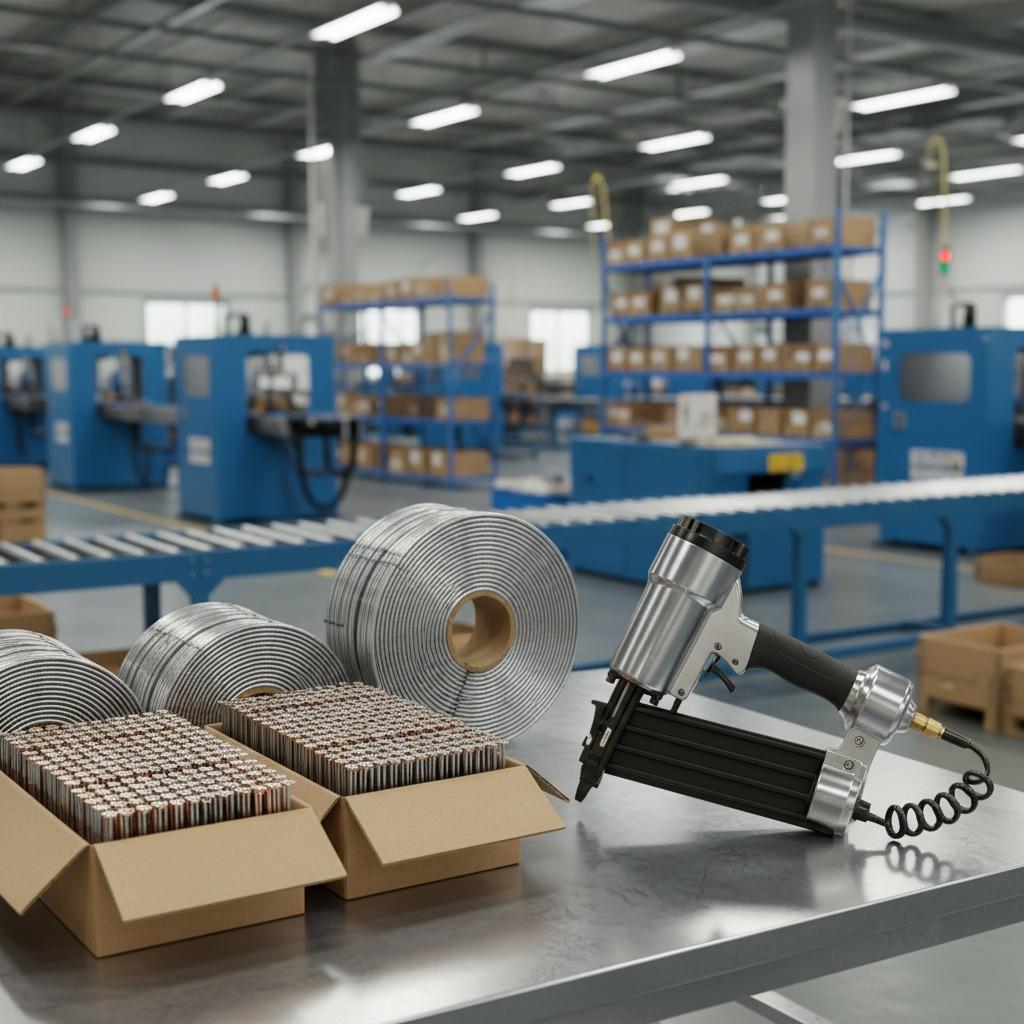
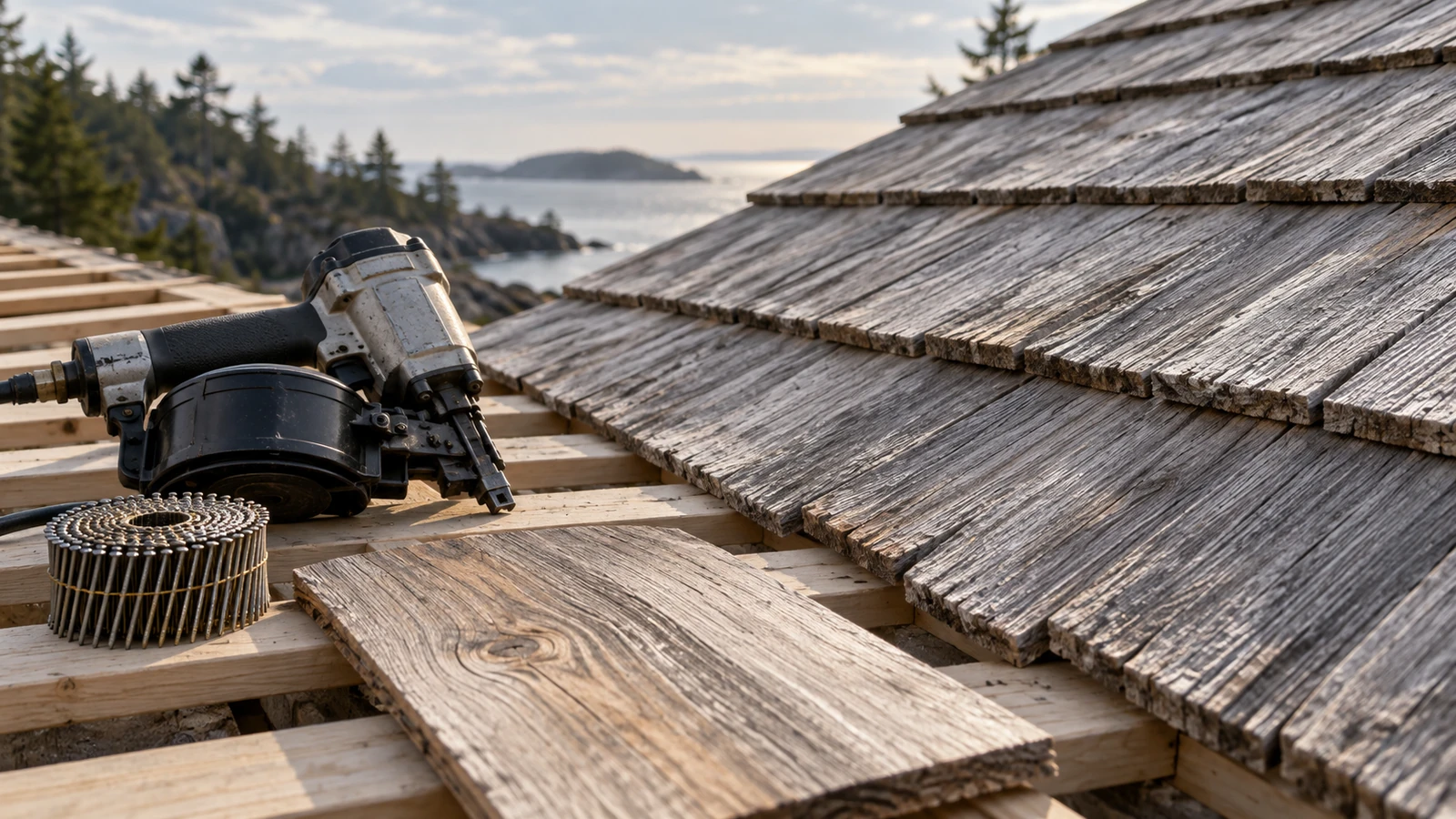
The image of a coil magazine and air-powered nail gun points to a practical reality: buyers usually need a system that can support volume. That can mean choosing a pneumatic fasteners manufacturer that understands both the tool side and the nail supply side, or a bulk pneumatic nails supplier that can keep format consistency across production runs. If the fit between nail coil and tool feed is off, even a strong shop can end up with jams, uneven driving, or wasted labor. Nobody wants that in the middle of a run.
What this kind of product tells a buyer
The visible structure of the tool is straightforward: a metal housing, black grip, cylindrical coil magazine, front nose, and rear air inlet fitting. That combination usually signals industrial handheld use rather than light-duty bench work. The coil format also tells you something useful. Compared with smaller stick-fed arrangements, a coil magazine generally supports higher nail capacity, so operators spend more time fastening and less time reloading. In production settings, that difference can be surprisingly important.
Because the nail details are not visible, a cautious buyer should not assume length range, head style, shank type, coating, or exact compatibility. That is where the technical conversation with an OEM pneumatic nails manufacturer becomes essential. A supplier should be able to discuss collated format, feeding reliability, packaging, and whether the nails are suited to wood framing, pallet lines, or mixed construction work. If they cannot get specific without hand-waving, that is a warning sign.
Key takeaways for sourcing teams
For procurement, the main choice is not simply “which nail.” It is whether the supplier can support the full operating reality: tool compatibility, supply continuity, and repeatable quality. A pneumatic nails wholesale supplier may be attractive on price, but buyers in industrial channels usually need more than a low unit cost. They need predictable collated nails, stable packaging, and the ability to scale without breaking the feed system.
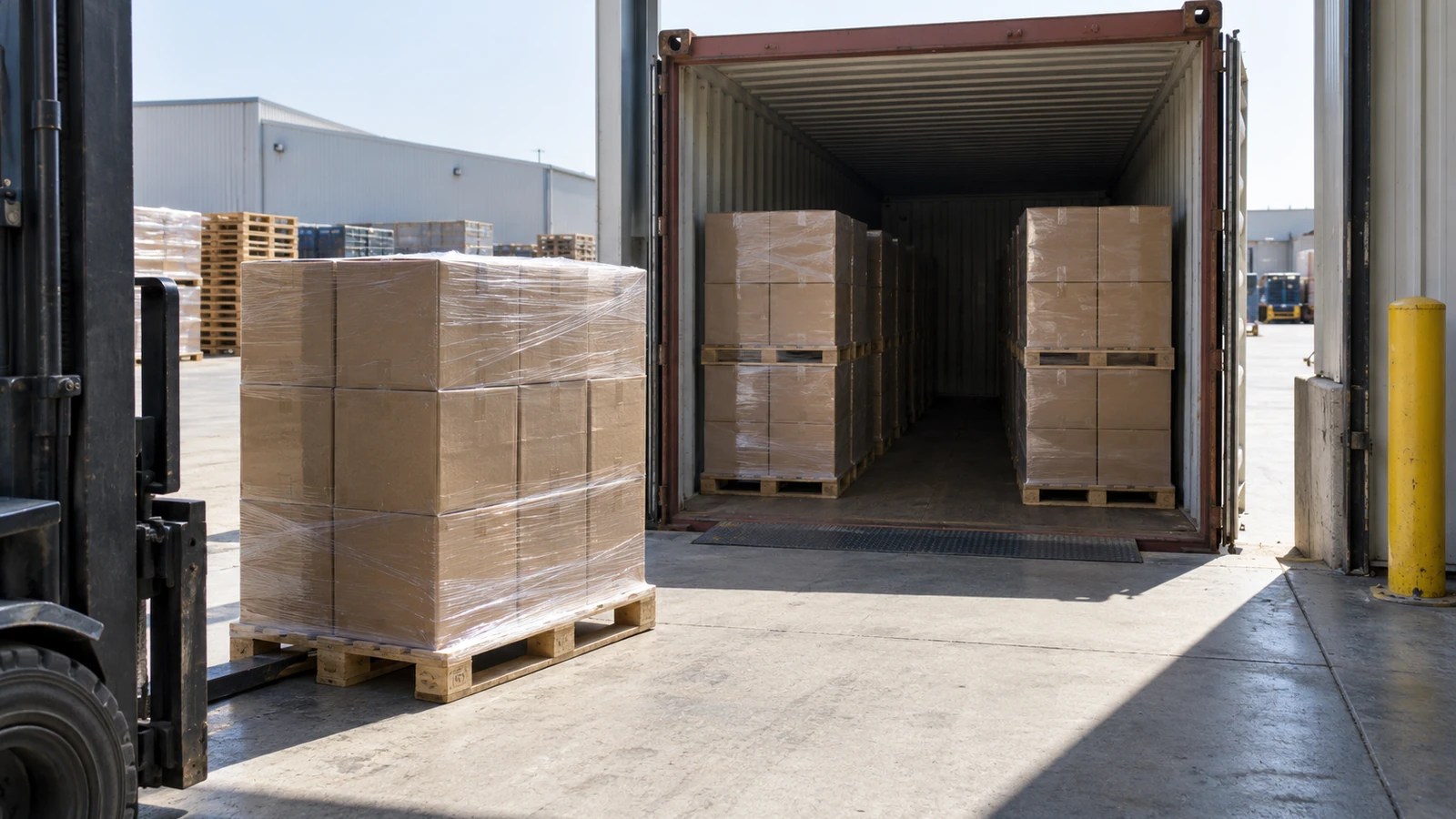
That is especially true when the end use includes pallet and crate production, where fasteners are consumed in volume and the cost of a stoppage is higher than the cost of the nails themselves. In those environments, a pneumatic fasteners manufacturer that treats the nail and the tool as a matched workflow often brings more value than a seller focused only on catalog breadth.
Selection criteria that actually matter
1. Feeding reliability
Coil-fed tools are chosen for speed, but speed only helps if the nail strip advances cleanly. Buyers should ask about collation format and whether the fastener supply is intended for high-volume repetitive driving.
2. Application fit
Framing, sheathing, pallet assembly, and crate construction do not all demand the same nail characteristics. The right supplier should help narrow that down rather than guessing at a “universal” answer. Universal usually means compromises.
3. Supply consistency
If you are buying in bulk, consistency across batches matters nearly as much as nominal specifications. A bulk pneumatic nails supplier should be able to keep packaging, feed behavior, and general quality stable enough for production use.
4. OEM support
For branded resale, private label programs, or channel supply, an OEM pneumatic nails manufacturer may be the better route. The real value there is not the label on the box; it is the ability to align product, packout, and repeat orders with your own distribution needs.
Common buying mistakes
One common mistake is buying nails without checking the actual tool and magazine requirement. Another is assuming that all collated coil nails behave the same once they look similar in a catalog photo. They do not. Feed angle, collation method, and packaging can all affect field performance.
Another practical issue: buyers sometimes focus on the nail and ignore the air tool maintenance side. A pneumatic nailer is only as reliable as its air supply and upkeep. Even a good fastener cannot compensate for a poorly maintained tool or a weak compressor setup.
What a buyer should ask before placing an order
Ask how the nails are collated, what applications they are intended for, and what the supplier can confirm about tool compatibility. If you are sourcing for a plant or a multi-site contractor, ask about volume supply, packaging format, and whether the supplier can support repeat orders without changing the product quietly between batches.
That last point sounds obvious, but it is where a lot of procurement problems start.
A practical next step
If your job is to keep a production line, pallet shop, or construction supply channel moving, the best next step is to request product details tied to your actual fastening use case. A serious pneumatic nails manufacturer should be able to discuss the nail format, the intended tool category, and bulk supply options without making the conversation vague. That is usually the fastest way to separate a real manufacturing partner from a generic reseller.
For sourcing teams, the question is not just who can sell nails. It is who can keep a coil-fed fastening system running when the order volume rises and the margin for downtime gets thinner.