
Why the choice of a pneumatic nails manufacturer matters in production
When a line depends on repetitive fastening, the difference between a decent tool supplier and a disciplined pneumatic nails manufacturer shows up fast. It appears in cycle consistency, feed reliability, operator fatigue, and the amount of downtime a maintenance team has to absorb. For buyers in woodworking, pallet assembly, crate building, or light industrial packaging, the real question is not simply who can supply a nail gun or fasteners. It is who can keep the fastening process stable when volume climbs and tolerances in the process get less forgiving.
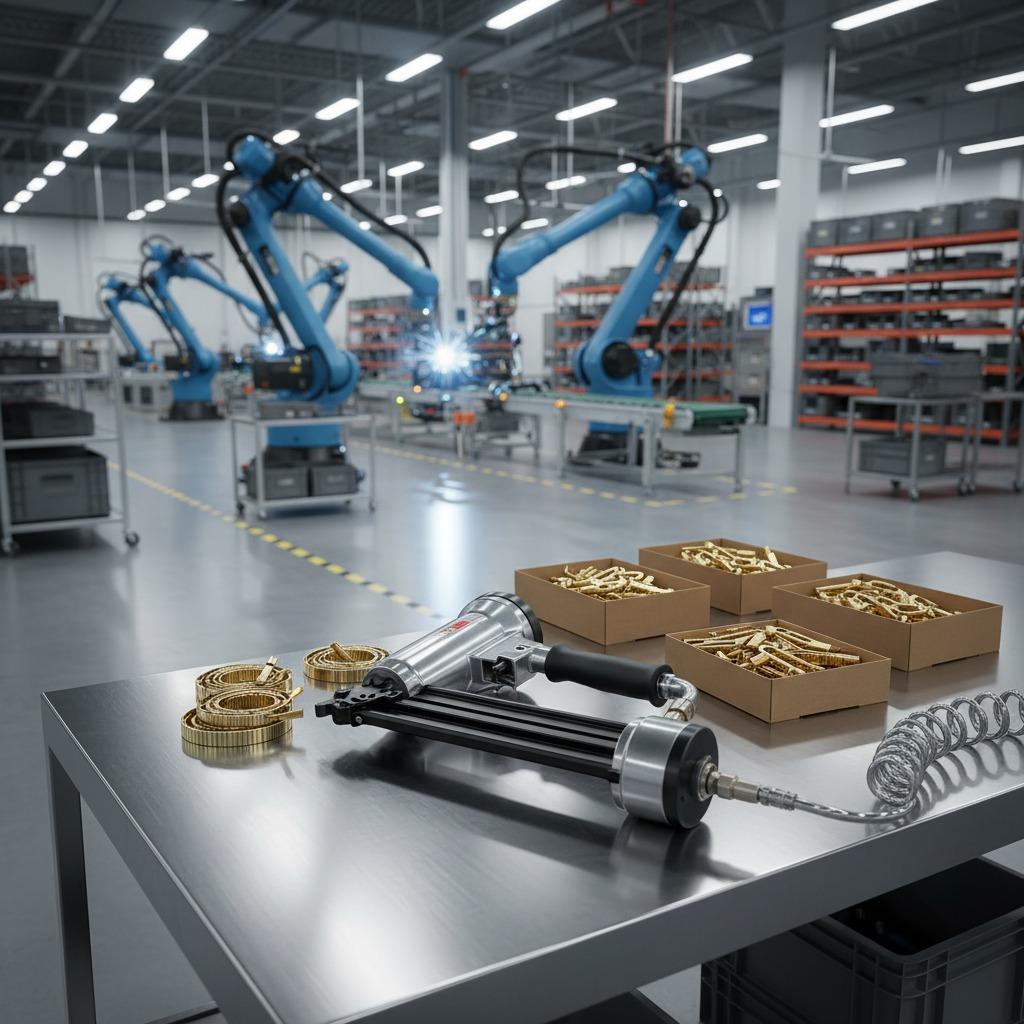
The tool itself tells part of the story. A coil-fed pneumatic nailer is built for repetitive work. The long magazine, air connection, and handheld layout are meant for high-throughput fastening rather than occasional use. That is why buyers often compare an OEM pneumatic nails manufacturer with a more general pneumatic fasteners manufacturer much earlier than they expect. The tool and the fastener are part of the same production system, and a weak link in either one can show up on the shop floor.
What buyers usually need to decide first
Before asking about price, it helps to define the application. Is the fastening task pallet assembly, crate construction, furniture framing, or packaging work? Is the line run by trained operators or by mixed-shift staff? Does the process use coil-fed fasteners because the job is high volume, or because reload interruptions are expensive? These are not academic questions. They determine whether the supplier should be optimized for tool durability, feed geometry, compatibility across fastening media, or simply broad availability.
A bulk pneumatic nails supplier may look attractive when purchasing is focused on unit cost, but volume buying only pays off if the nails feed cleanly and consistently in the actual tool. Likewise, a pneumatic nails wholesale supplier can be useful for standardized replenishment, yet wholesale terms are not a substitute for technical fit. In production, “close enough” often becomes scrap, jams, or rework.
Key features that matter in a coil-fed pneumatic tool
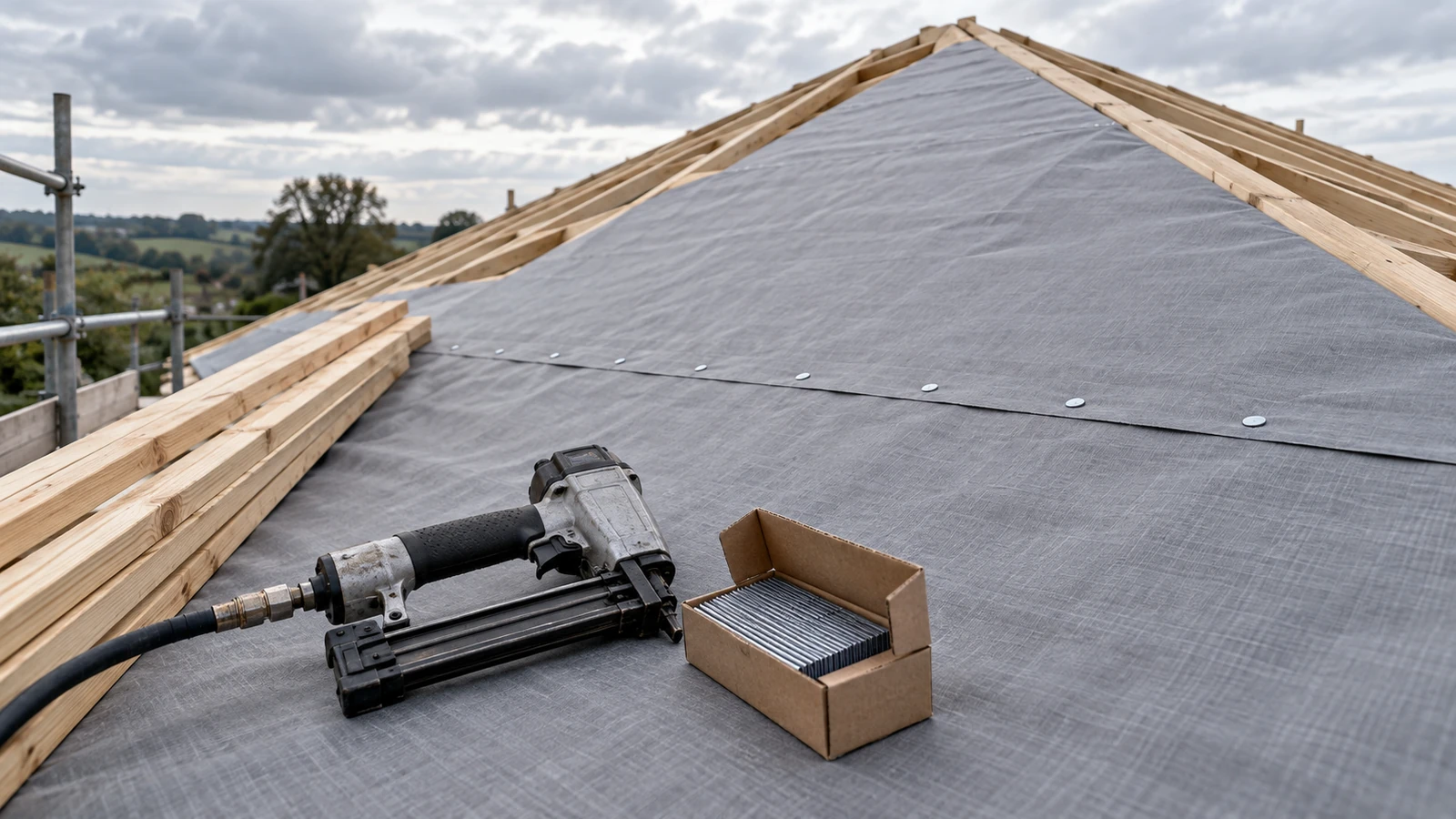
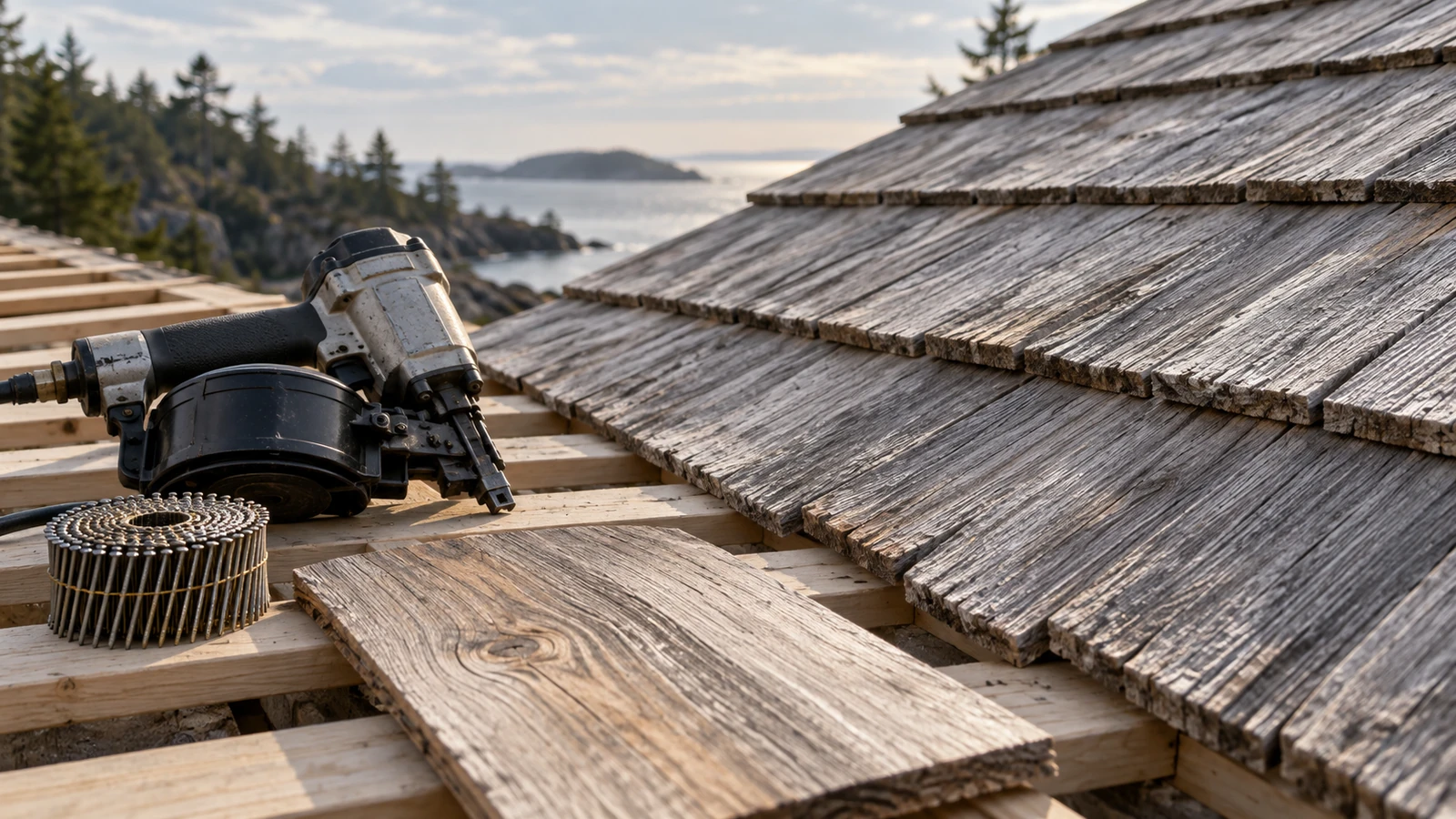
The product shown is a hand-held pneumatic coil nailer with a silver upper housing, black lower magazine and nose assembly, and a coiled air hose connected at the base. That combination suggests a tool intended for repetitive fastening in an industrial environment. The rectangular magazine shape points to coil fastener feed, which is common where operators need longer run time between reloads. For buyers, that matters because magazine design, feed angle, and access to the nose area affect daily throughput more than brochure language usually admits.
There is also a practical maintenance angle. In factory use, tools like this are often judged on how quickly they can be cleared after a misfeed and whether the air connection holds up under long shifts. A compact handheld form is helpful, but only if the trigger response, feed action, and grip comfort remain predictable after hours of use. Those details are not glamorous, yet they are what operators remember.
How to compare suppliers without overcomplicating it
1. Check application fit, not just catalog breadth
Some suppliers are strong in fasteners but less focused on the tool side. Others supply pneumatic tools but do not understand packaging or pallet workflows. The best match depends on whether you need a narrow production solution or a broader sourcing relationship.
2. Ask how fastener consistency is controlled
Even without exact test data, it is fair to ask how the manufacturer manages material consistency, finish stability, and feed behavior across batches. If the answer is vague, that is worth noting.
3. Confirm the tool and fastener are meant for the same process
Buyers sometimes separate the nailer purchase from fastener sourcing and only discover the mismatch during commissioning. That is a costly habit. A tool designed for coil-fed repetitive work should be paired with fasteners supplied for the same use case.
Common mistakes in sourcing pneumatic fastening products
One common mistake is treating all pneumatic products as interchangeable. Another is assuming that an industrial-looking tool automatically means industrial performance. Appearance helps, but only slightly. Also, buyers sometimes focus only on headline capacity and ignore the maintenance burden of the nose assembly, magazine design, or air coupling. Those are the parts that see the most wear.
A smaller but real issue is underestimating operator ergonomics. In repetitive fastening, even a compact tool can become uncomfortable if balance and grip are poor. This is especially relevant where shift length is long and the tool is used continuously.
Practical buying advice for sourcing teams
If you are evaluating a pneumatic fasteners manufacturer or tool supplier, start with the actual production task. Ask for compatibility information, typical application scope, and any available assembly guidance. For OEM projects, confirm whether the supplier can support branded or application-specific configurations. For wholesale procurement, make sure the supply arrangement fits your replenishment rhythm rather than forcing you into oversized inventory.
It is also wise to request samples or a trial run in the real work cell, not a clean demo bench. Packaging lines, pallet stations, and furniture shops each expose different failure modes. A tool that seems smooth in a showroom can behave differently when operators are moving fast and the air line is not perfectly managed.
FAQ
Is a coil-fed pneumatic nailer better for high-volume work?
Usually yes, because coil feed reduces reload interruptions. That said, the right choice still depends on the fastening material, line speed, and operator skill.
Should I source the tool and fasteners from the same supplier?
Often that simplifies compatibility and support, although it is not mandatory. The key is that both parts of the system must work together under production conditions.
What is the safest first step for a new buyer?
Define the application clearly, then compare suppliers against that use case. The right answer for pallet assembly is not always the right answer for furniture framing or packaging.
Where to go next
If you are building a sourcing shortlist, start by separating general catalog suppliers from specialists who understand industrial fastening. Then ask which one can support your actual operating rhythm, not just your purchase order. That approach saves time, and in manufacturing, time saved at the sourcing stage usually becomes fewer surprises on the line.