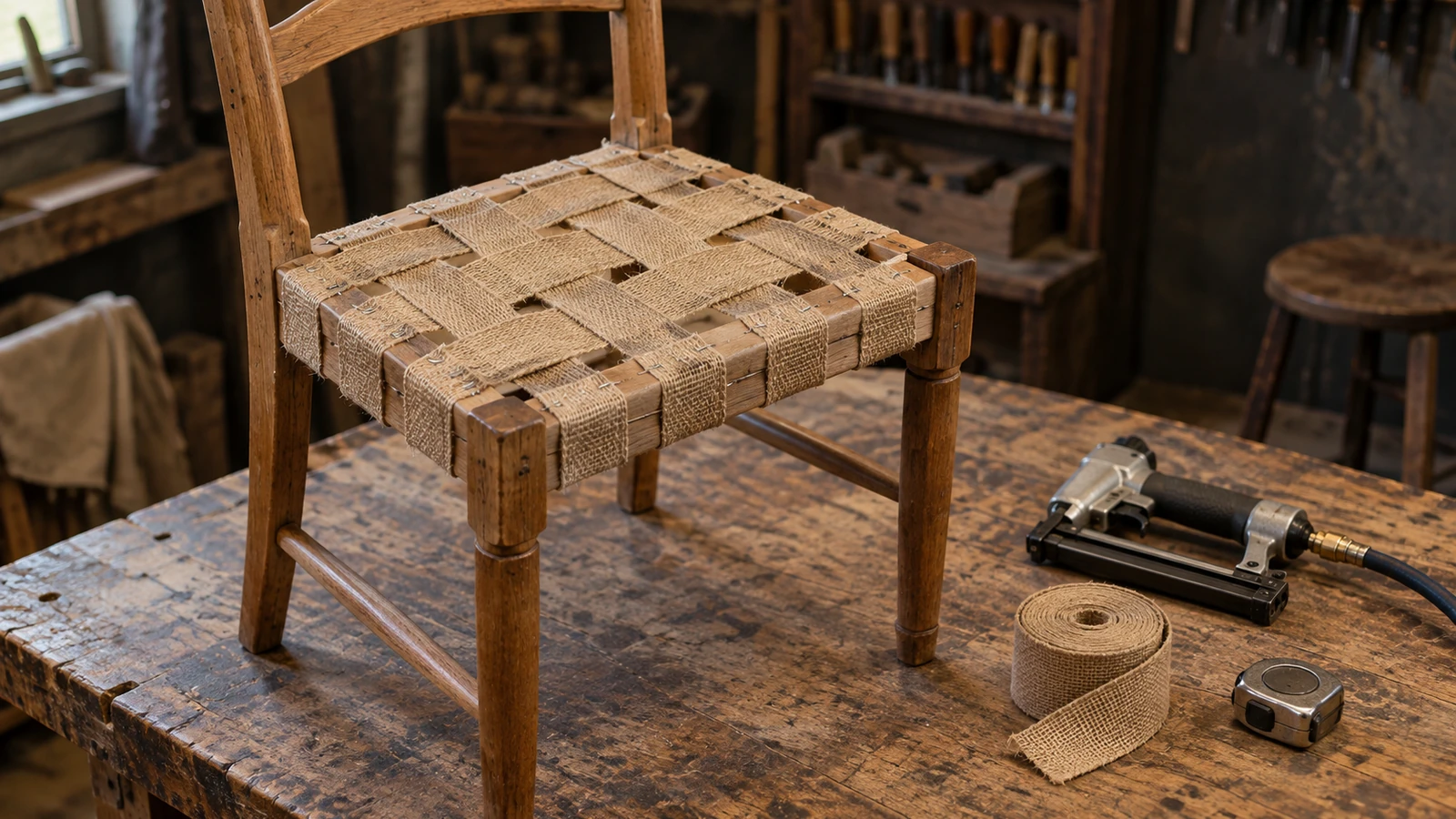

Why buyers still ask for a pneumatic nails manufacturer when they’re not really buying “nails”
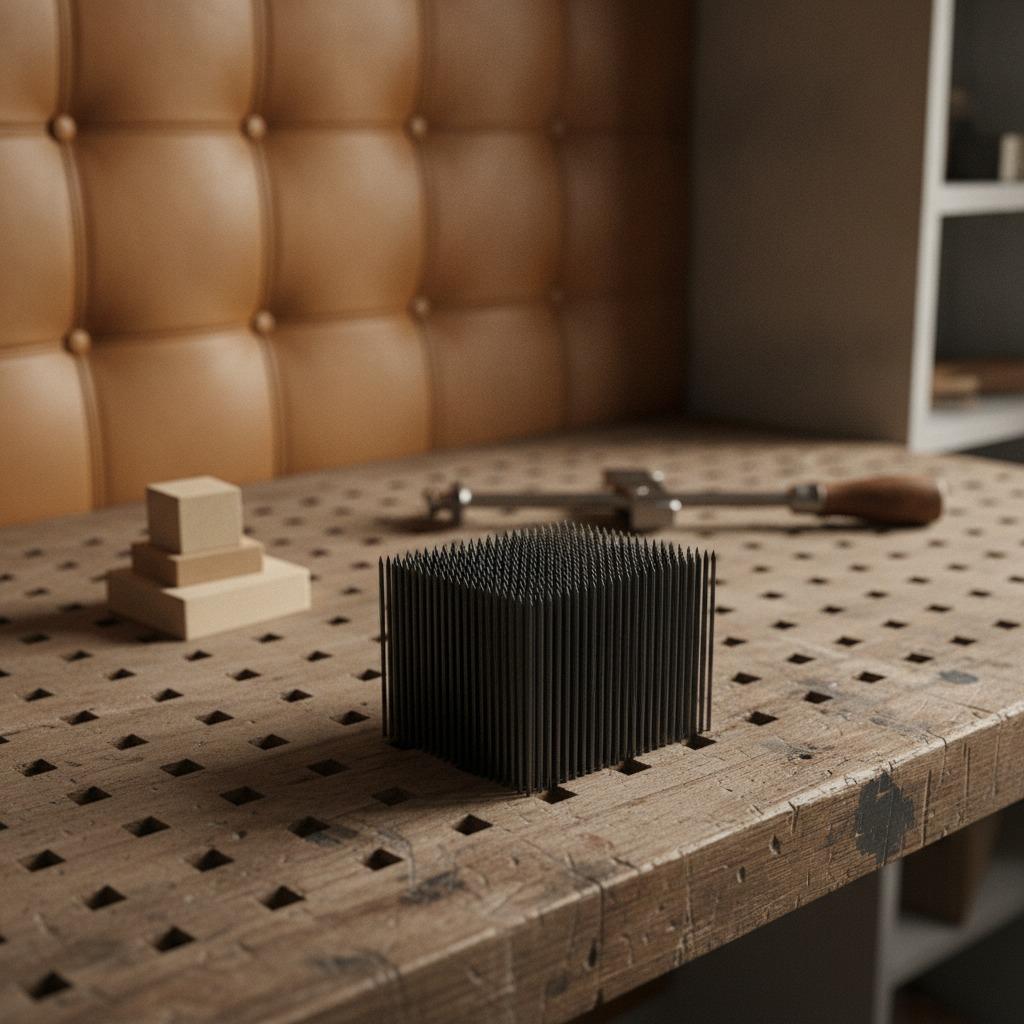
The phrase pneumatic nails manufacturer usually sends people looking in the wrong drawer. In practice, buyers are often trying to source fasteners for air tools, compare a pneumatic nail manufacturer against other suppliers, or figure out which product line fits framing, finishing, or coil-nail work. And then every so often, a product image turns up that looks less like a box of fasteners and more like a dense field of metal pins, a rectangular block with a textured surface that seems to have wandered out of a machinist’s daydream.
That matters because sourcing confusion costs time. Engineers want the right geometry. Purchasing wants the right supply chain. Production wants the tool to feed cleanly, not jam like an offended vending machine. So the real question is not only “who makes the nails?” but “what exact nail format, packaging, and application are we actually buying?”
Start with the application, not the label
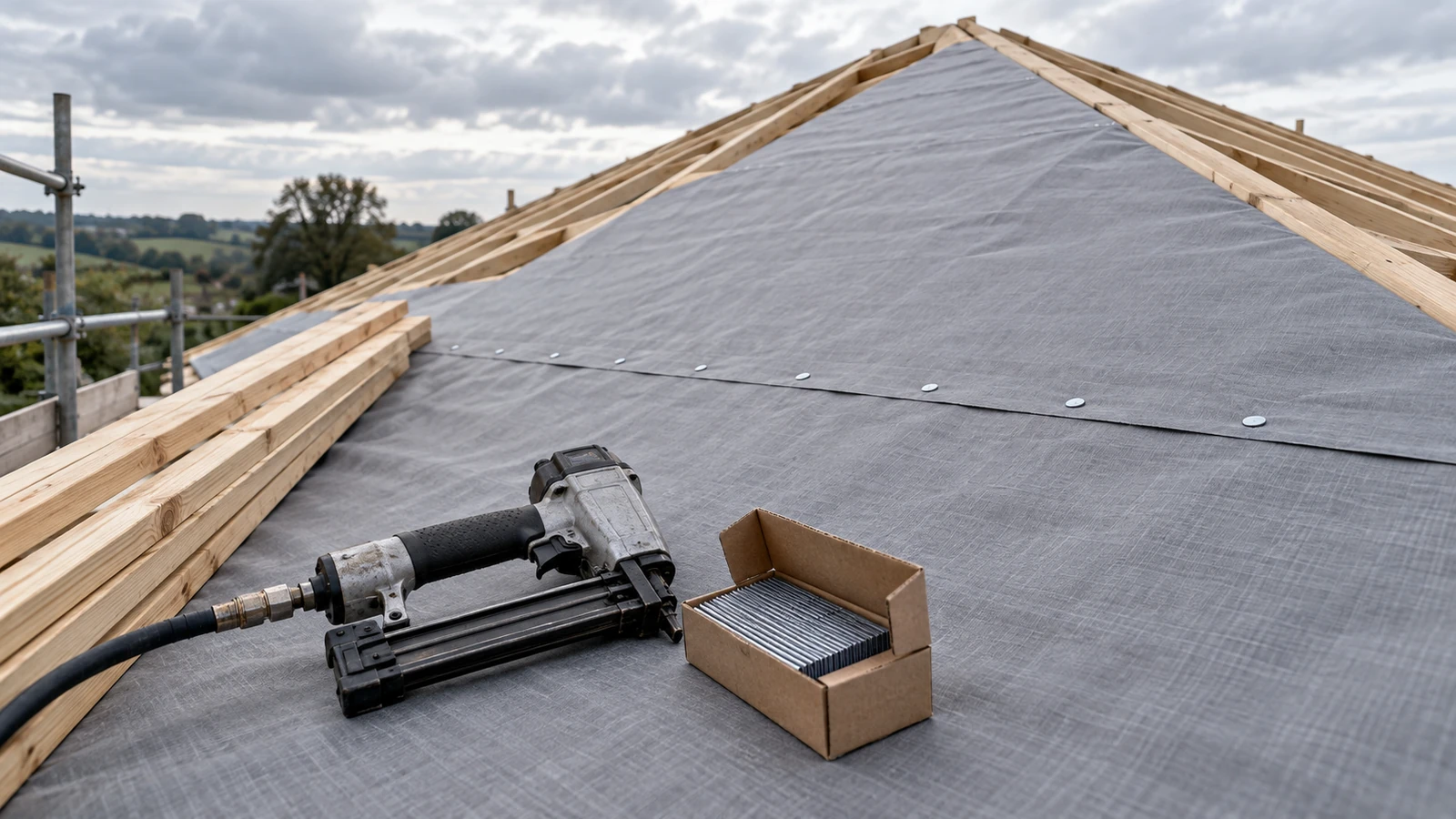
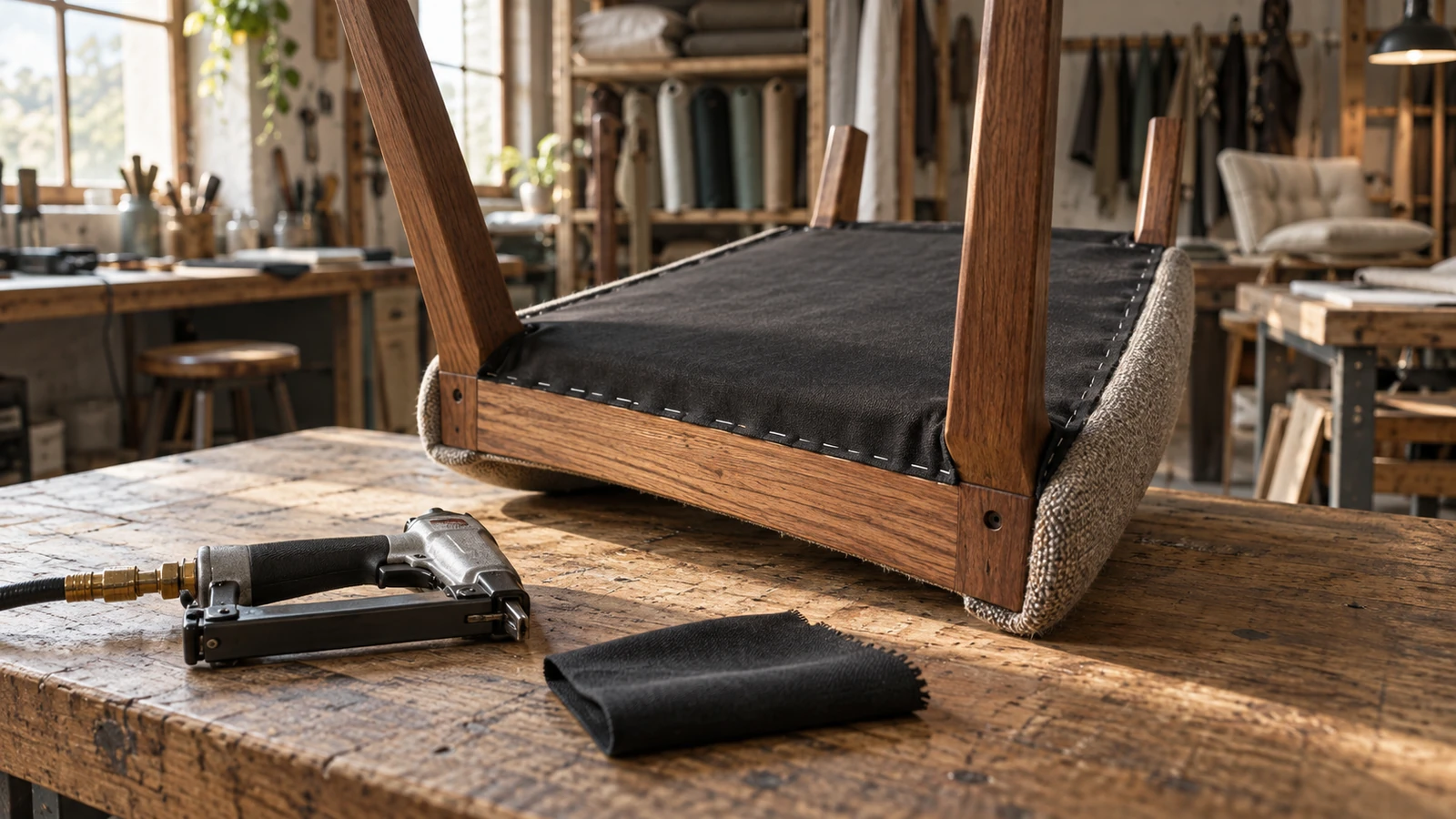
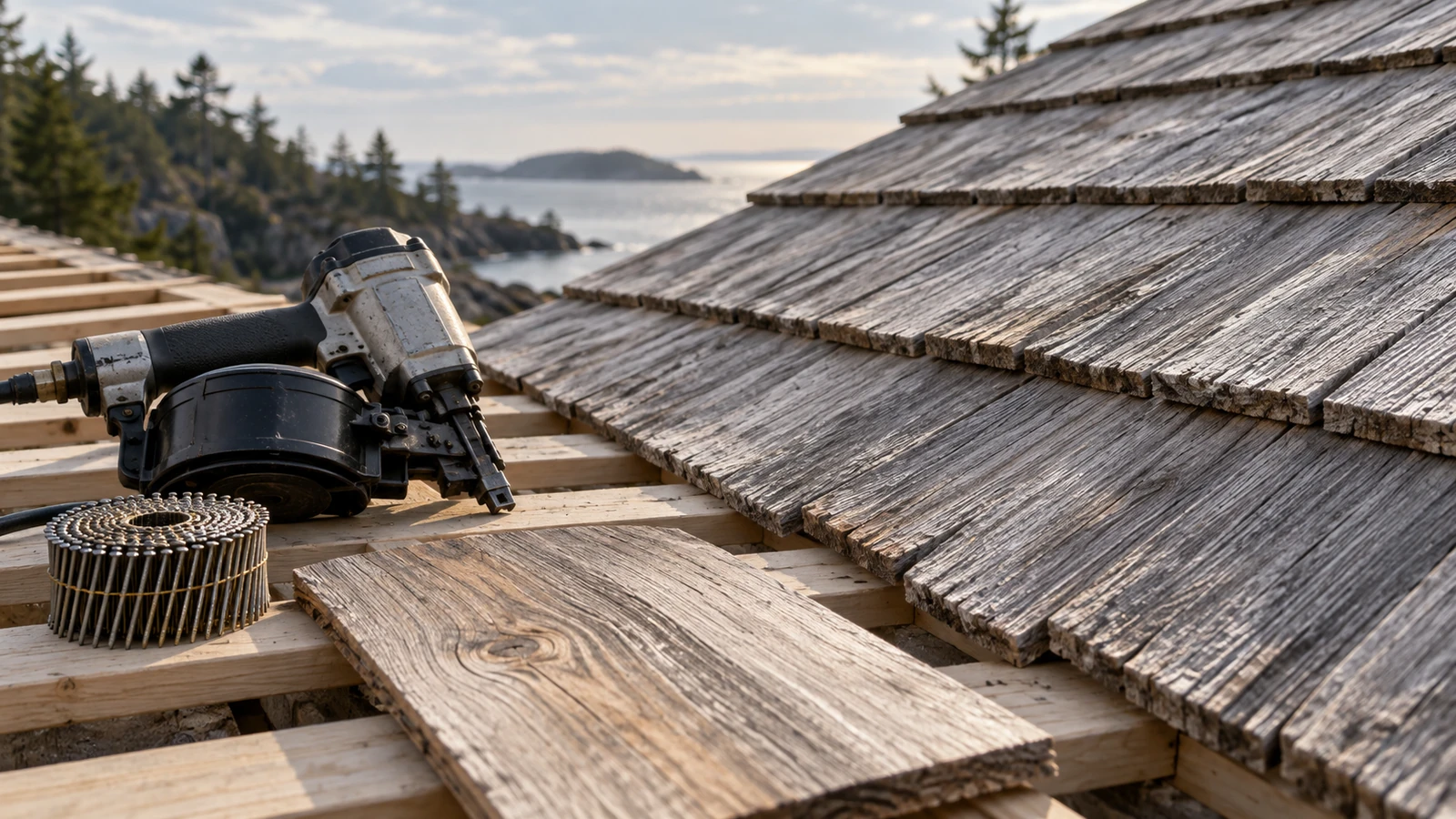
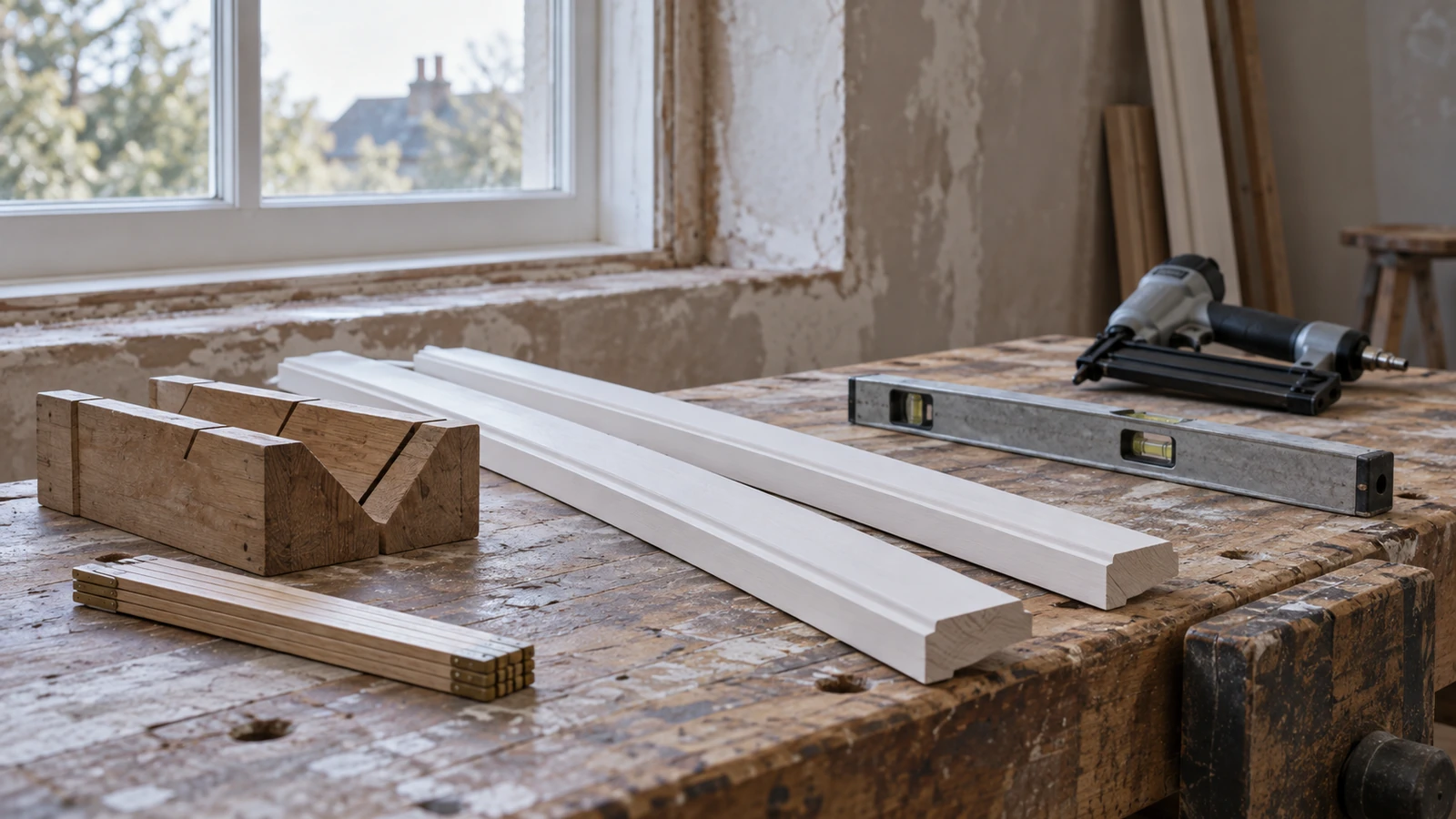
If your team is buying for nailers, the product family matters more than the sales title. A pneumatic finishing nails manufacturer is serving a different need than a pneumatic framing nails manufacturer. Framing fasteners are built for structural work, usually larger and heavier; finishing nails are smaller, intended to disappear into trim and cabinet work. An air nailer nails manufacturer may support multiple formats, including collated nails designed for magazine-fed tools.
That sounds basic, but plenty of sourcing headaches begin with a single vague line in an RFQ. “Pneumatic nails” is like asking for “metal things for construction.” Technically not wrong. Operationally useless.
What a competent supplier should be able to explain
A serious supplier should be able to discuss the nail format, collation style, material, coating, and compatibility with specific tool types. Buyers should expect clarity on whether the fasteners are for framing, finishing, or other air-powered fastening systems, and how the product is packaged for production use. They should also be able to explain any custom geometry or special surface treatment without turning it into folklore.
When the product looks unusual—say, a dense matrix of upright metal pins in a rectangular frame—clarify whether you are dealing with a tooling component, a metrology aid, a prototype assembly, or simply a display object. A lot of procurement confusion comes from assuming every metal part with a “nail-ish” appearance is a fastening product. It is not. The industry contains more odd little contraptions than people outside the shop floor expect.
Quick comparison: the fastener categories most buyers mix up
Pneumatic framing nails
Used for heavier structural applications. These are the workhorses. If the job needs holding power and speed, this is usually where the conversation starts.
Pneumatic finishing nails
Smaller, cleaner, and used where appearance matters. Trim carpenters care about these. So do anyone who has ever had to explain why a visible nail head ruins an otherwise decent panel.
Air nailer nails
This is the broad umbrella term. It may refer to nails made for pneumatic nail guns in general, so buyers should always pin down the exact tool and feed format rather than relying on the umbrella label.
Selection criteria that save real money
For sourcing teams, the practical questions are straightforward. Does the nail feed reliably in the intended tool? Is the collation appropriate for the nailer? Is the finish compatible with the working environment? Will the product behave consistently in production, or will operators spend half the shift clearing jams and muttering about “the machine” like it owes them rent?
If the product is a mechanical array or pin-panel style component rather than a conventional fastener, the same discipline applies. Ask how the pins are mounted, whether the top surface is meant to deform or simply present a tactile contour, and whether the assembly is intended for measurement, molding, demonstration, or some custom industrial use. The dense pin field described in the product data suggests a precision mechanical assembly of some kind, but the exact purpose should be confirmed before anyone writes a spec sheet and calls it wisdom.
Common mistakes buyers make
The first mistake is buying by keyword alone. Search terms are useful, but they are not a specification. The second is assuming all nail products are interchangeable. They are not. The third is ignoring the tool side of the equation; a great fastener in the wrong magazine is just expensive frustration.
Another easy trap is not requesting enough detail on the product’s physical structure. If you are dealing with a pin-array component, the rectangular footprint, the dense spacing, and the independent-looking pin heights may be the whole point. In that case, the conversation belongs with a tooling or component supplier, not a conventional fastener source.
Buyer takeaway
If you are evaluating a pneumatic nails manufacturer, begin by identifying the exact nail type, then confirm tool compatibility and application. If the part in front of you is actually a metal pin array or similar assembly, step back and verify whether you need a fastener supplier at all. That one question can save a week of email tennis.
What to ask before you request a quote
Ask for the product category, intended use, material description, collating or mounting method, and any compatibility notes tied to the equipment. If the supplier cannot describe the product in plain language, that is useful information too—just not the kind procurement usually enjoys.
Next step
Before sending an RFQ, line up the tool model, application, and the exact fastener or component format you need. If the item is a standard pneumatic nail product, compare framing, finishing, and general air-nailer options side by side. If it is the pin-panel style component suggested by the product data, ask for a functional explanation first and the quotation second. In manufacturing, the right question is often the cheapest part of the job.