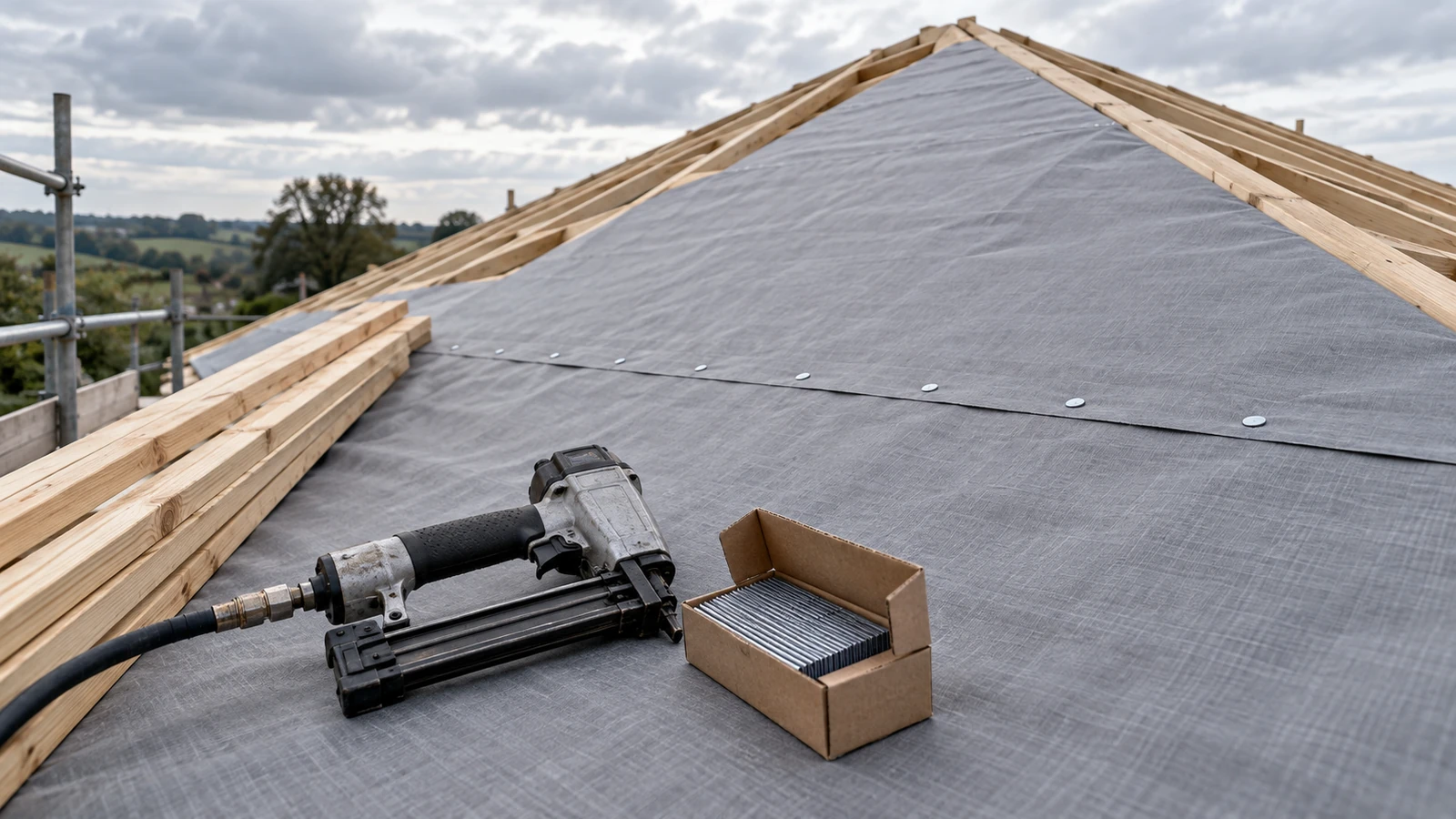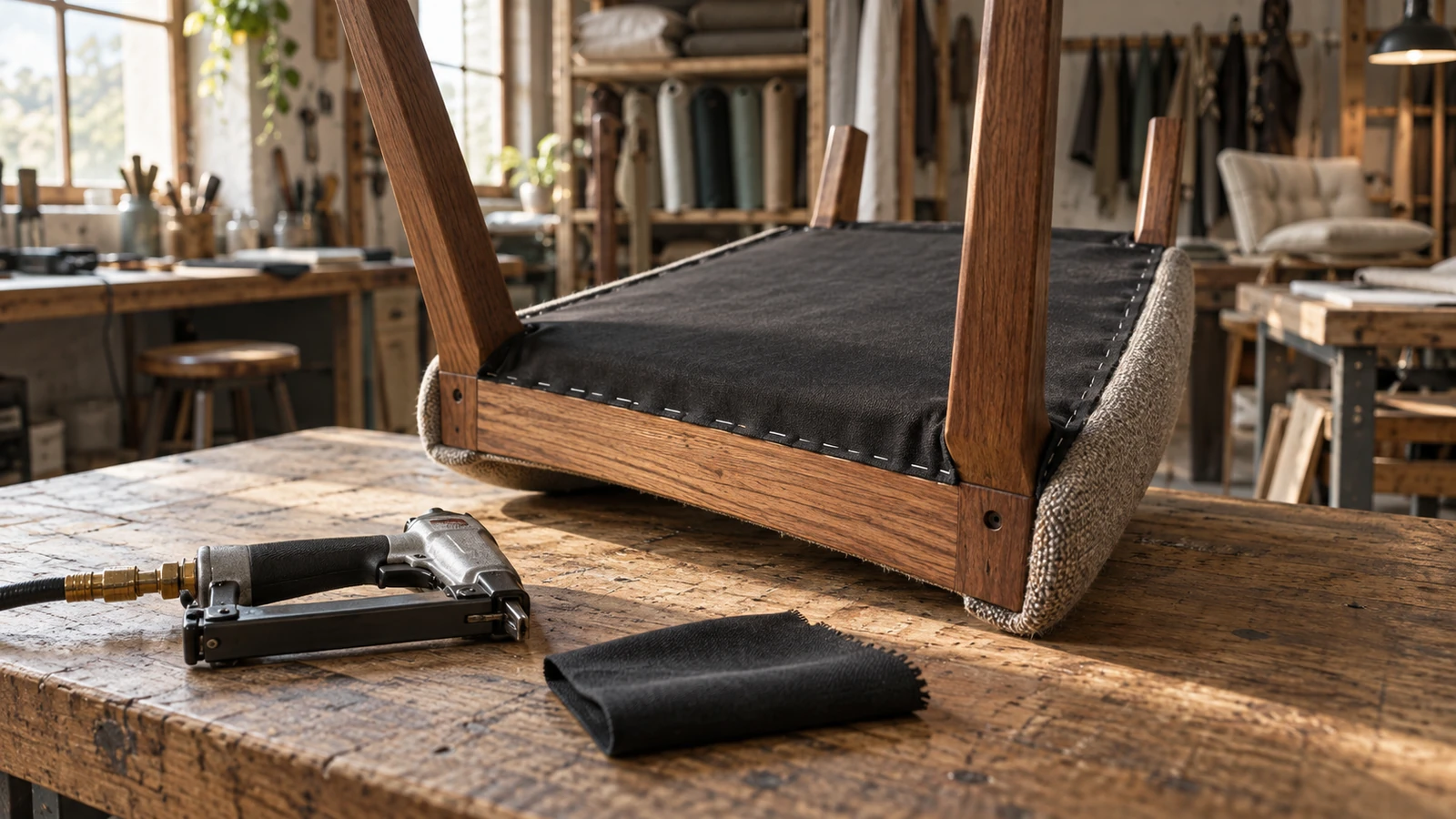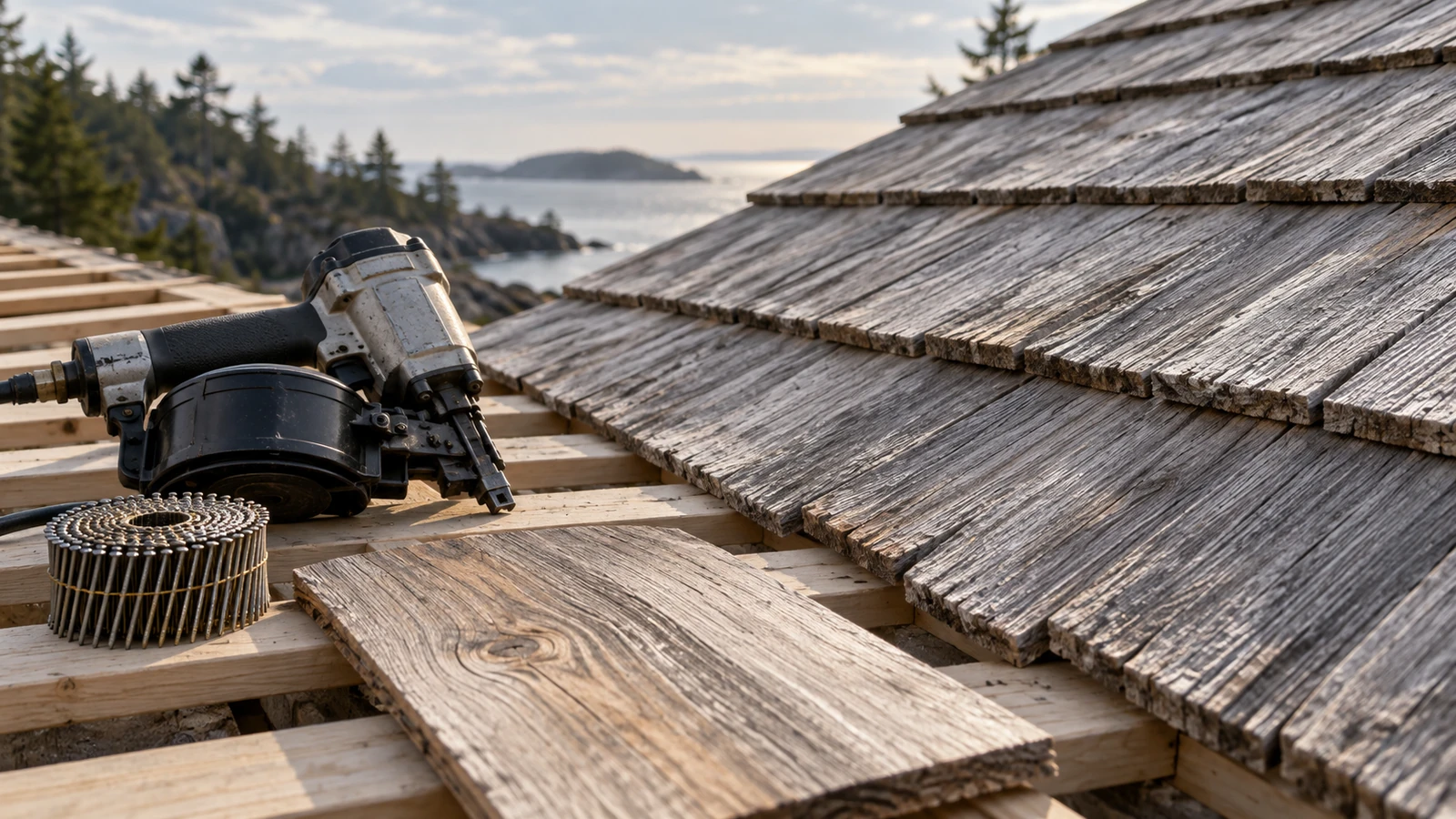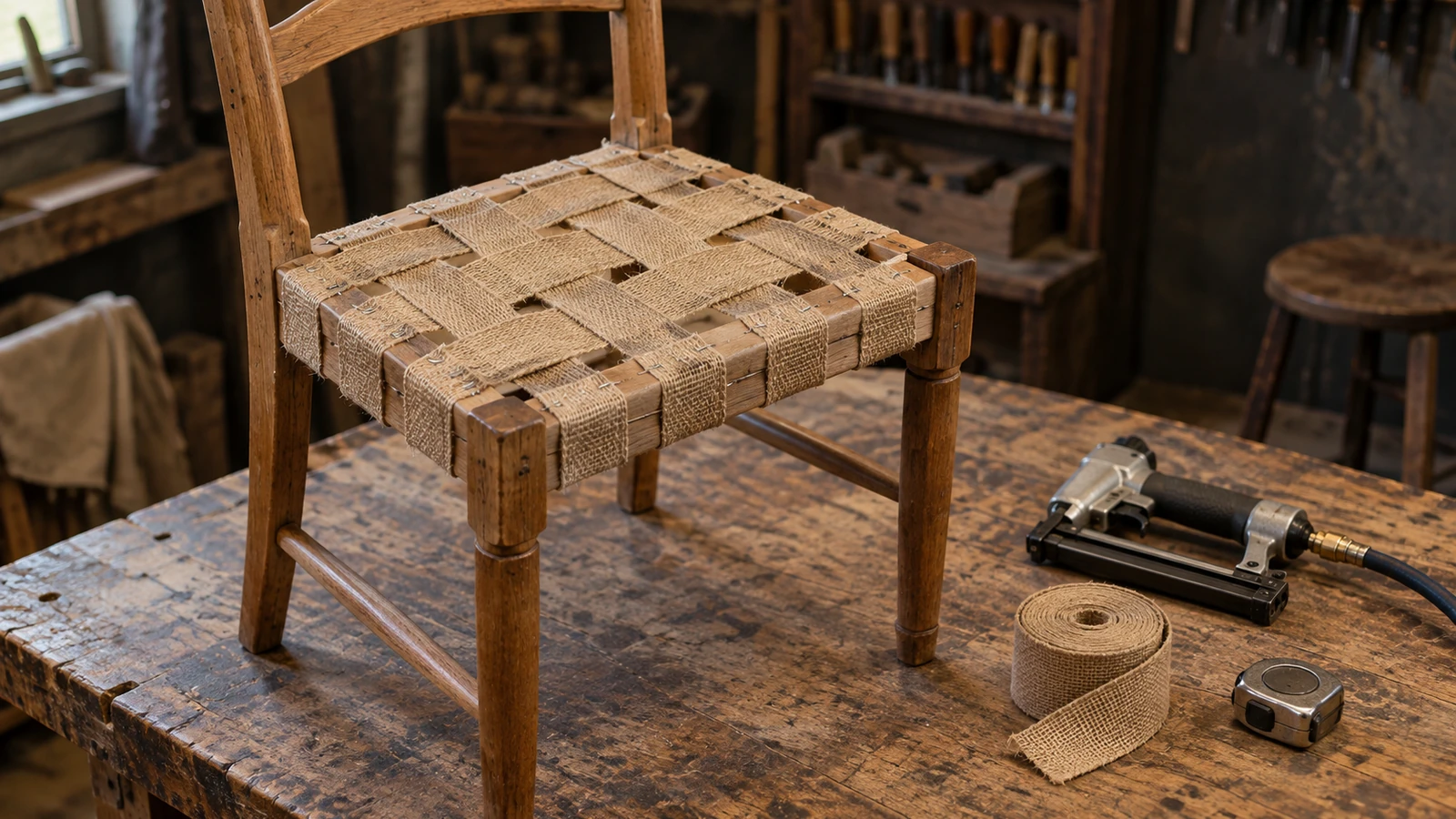

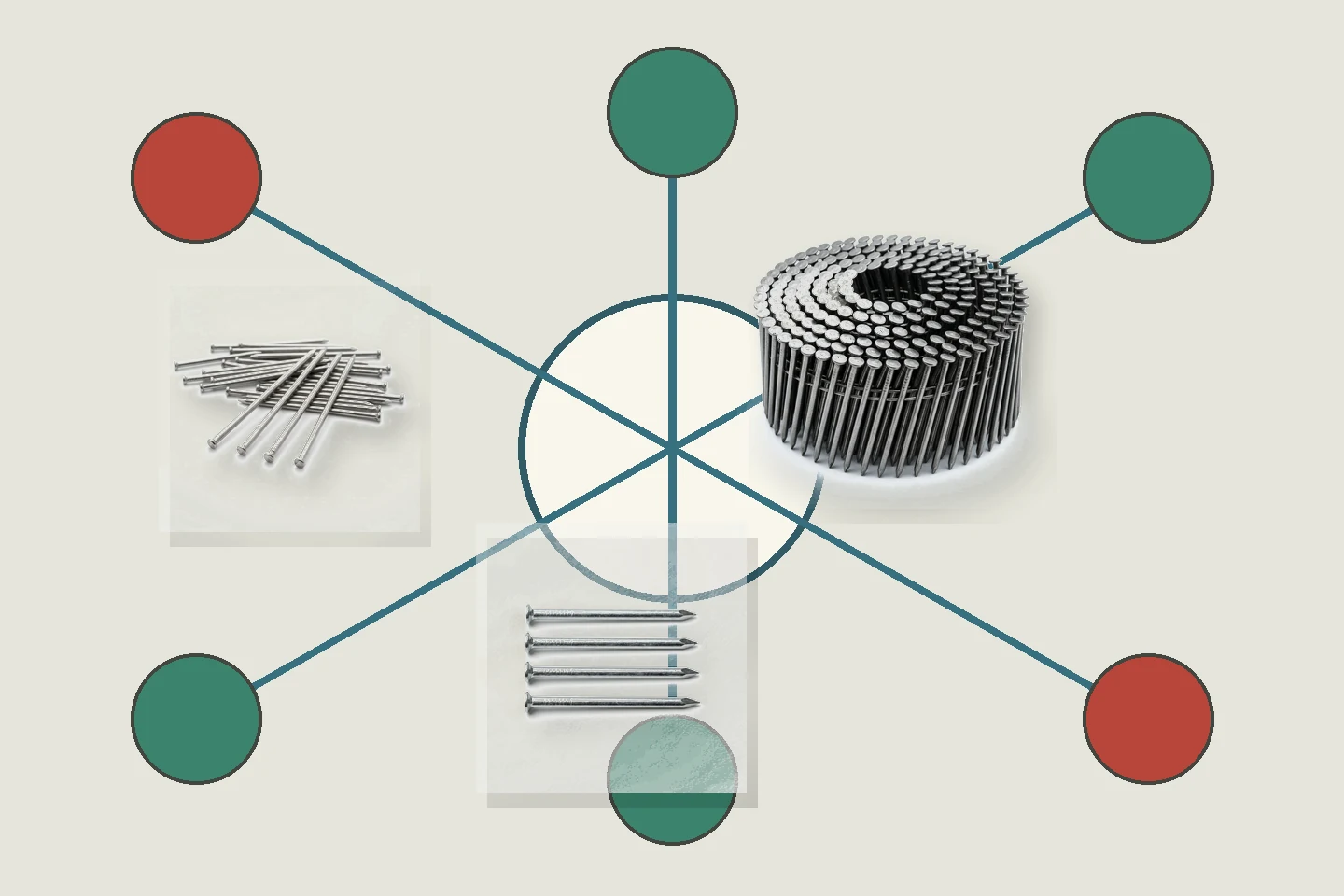
A pneumatic nails supplier should connect each quoted SKU to a product family, controlled drawing, approved sample, named tool, traceable production lot, packaging plan, and reorder rule. That evidence map matters more than a long catalog because buyers need to know which exact route has been verified and what remains only a proposed alternative.
ProAirNails recommends separating product capability, supply capability, and application approval so commercial discussions do not blur technical limits.
Begin with three separate decisions
First, can the fastener be made to the agreed specification? Second, can the supply route deliver the required volume, pack, documents, and timing? Third, has the buyer approved the fastener in the named tool and application? A “yes” in one column cannot substitute for missing evidence in the others.
Build the evidence map by SKU
| Evidence node | Required link | Release question |
|---|---|---|
| Commercial code | Buyer and supplier SKU | Do both parties mean the same item? |
| Technical definition | Drawing, finish, collation, revision | Are measurable limits approved? |
| Application proof | Tool, substrate, settings, trial | Which combinations passed? |
| Production identity | Material, line, lot, inspection | Can the shipment be traced? |
| Logistics identity | Carton, pallet, shipment, destination | Can receiving release the right goods? |
| Reorder control | Approved sample and change notice | What protects repeatability? |
Separate families before consolidating volume
Brad nails, pin nails, coil nails, framing nails, and staples can use different forming, collation, inspection, packaging, and tools. Ask which families are produced on controlled lines, which processes are subcontracted, and which evidence follows each route. A consolidated purchase order should not create one undifferentiated lot.
Use an approved sample as a controlled reference
Record sample quantity, production status, drawing revision, material, finish, collation, tool, substrate, test conditions, findings, date, and approval authority. A hand-selected development sample can support evaluation, but it should not be represented as proof that full-rate commercial production is already stable.
Ask how quality management appears in the order
The official ISO 9001 explained page describes quality-management concepts such as documented information, performance evaluation, and improvement. Certification or alignment can support a supplier review, but it does not approve the buyer's particular fastener, tool, shipment, or application.
Define the lot and sample route
The current ISO 2859-1:2026 page describes AQL-indexed sampling for lot-by-lot attribute inspection. Buyers adopting it must define the lot, inspection level, defect classes, AQLs, sample selection, switching rules, and disposition. A passed lot can still contain nonconforming units because sampling controls risk rather than inspecting every piece.
Test tool feed as a production sequence
Use the named nailer, representative substrate, normal operating window, multiple strips or coils, and a defined number of feed events. Record loading, jams, skips, doubles, bent fasteners, proud heads, overdrive, collation debris, and setting changes. Preserve defects and identify the carton and lot from which they came.
- Record the tool model and service condition.
- Sample across cartons and pallet positions.
- Count events under a written acceptance rule.
- Photograph accepted and failed drives.
- Repeat the check on the first commercial shipment.
Score supply controls beside product controls
| Supply factor | Evidence | Risk if unclear |
|---|---|---|
| Capacity | Line route, shift plan, bottleneck | Unplanned delay or split lots |
| Lead time | Material, production, inspection, freight | Promise without a dated path |
| MOQ | SKU, finish, pack, setup basis | Hidden mixed inventory |
| Documents | Drawing, inspection, certificates, labels | Receiving cannot verify identity |
| Change notice | Timing, scope, approval, first lot | Repeat order differs silently |
Calculate landed usable quantity
Compare product price, tooling or artwork, inspection, inner and export packing, freight, duties, storage, rejected cartons, feed loss, sorting, downtime, and replacement lead time. A pneumatic nails supplier should make these variables visible so savings are measured against usable production output rather than gross shipped pieces.
Design labels for receiving and containment
Specify buyer SKU, supplier SKU, dimensions, finish, collation, quantity, lot, production date or trace code, carton sequence, pallet identity, and approved revision. Use the same identity in the packing list and inspection report. A readable label is a quality control because it lets the buyer isolate the correct scope quickly.
Set response clocks before a problem occurs
Agree acknowledgement, containment, evidence request, replacement or disposition, root-cause response, corrective action, and effectiveness review. Define which photographs, failed pieces, cartons, tool data, and lot records the buyer will preserve. Fast containment protects production while the technical cause remains under investigation.
Send the RFQ as a data package
Include product family, drawing, finish, collation, named tools, application, annual demand, order pattern, MOQ target, forecast, packaging, labels, inspection, documents, destination, Incoterm, complaint route, and change notice. Ask the pneumatic nails supplier to mark confirmed, conditional, and unavailable fields. ProAirNails can review pneumatic nails, brad nails, coil nails, and RFQ details through the inquiry page.
Keep supplier approval within scope
An audit, certificate, sample, or accepted lot does not prove fitness for every tool, material, environment, load, operator, or future change. The buyer remains responsible for product selection, application design, safe tool use, regulatory requirements, and final release. ProAirNails can support evidence exchange within the agreed scope.
Choose the pneumatic nails supplier whose evidence map stays intact from quotation through receiving and whose reorder controls explain what will remain the same.
FAQ
What is the first supplier approval question?
Ask whether the quoted SKU is linked to a controlled drawing, production route, named tool trial, lot, and packaging plan.
Can several nail families share one approval?
No. Separate the technical and production evidence for each family and SKU before consolidating the order.
What makes a sample controlled?
Record revision, material, finish, collation, production status, test conditions, findings, date, and approver.
Does ISO 9001 certification approve the product?
No. It concerns a quality management system; the buyer must still approve the specific fastener and application.
Why define the lot?
A clear lot establishes which population the inspection decision represents and what can be contained after a failure.
Which feed events should be counted?
Track loads, drives, jams, skips, doubles, bent pieces, depth failures, debris, and setting changes.
How should MOQ be compared?
Compare it by SKU, finish, pack, setup basis, consumption rate, inventory exposure, and reorder lead time.
What should labels connect?
Link the buyer SKU, supplier SKU, product definition, quantity, lot, carton, pallet, revision, and shipment documents.
What belongs in a complaint package?
Preserve lot, carton, failed pieces, photographs, tool and substrate data, event counts, containment, and affected quantity.
Which changes require approval?
Control material, tooling, line, finish, collation, subcontractor, inspection method, label, and packaging revisions.