
What buyers actually mean when they ask for a pneumatic nails wholesale supplie
A pneumatic nails wholesale supplier is rarely just a source of loose fasteners. For most buyers, the real need is a steady supply of collated nails that work cleanly in a nail gun, arrive consistently, and do not slow production down. That matters whether you are building pallets, framing walls, assembling crates, or running a carpentry line where a few minutes lost at one station becomes a real cost by the end of the shift.
In practice, the buying decision is not only about price per box. It is about feed reliability, nail consistency, packaging, and whether the supplier understands the difference between one general-purpose fastener and the specific nail format your tool accepts. A batch that looks acceptable on paper can still jam, misfeed, or create finish issues if the collation or coating is off.
A quick interview-style view from the shop floor
Q: What makes wholesale nail supply different from retail buying?
Wholesale buying is about volume and repeatability. A retail order may cover a job. A wholesale relationship is meant to keep production moving over weeks or months. The buyer usually cares less about one carton and more about whether the next shipment will match the last one.
Q: Why do collated nails matter so much?
Because the nailer is only as good as the feed strip. The visible product format here suggests strip-fed nails used in a pneumatic fastening system, where fast, repetitive driving is the whole point. If the strip is uneven, damaged, or packed inconsistently, the operator feels it immediately at the tool.
Common product types buyers compare
In wholesale sourcing, the conversation often centers on three familiar categories: brad nails wholesale, coil nails wholesale, and strip nails wholesale. Each serves a different workflow.
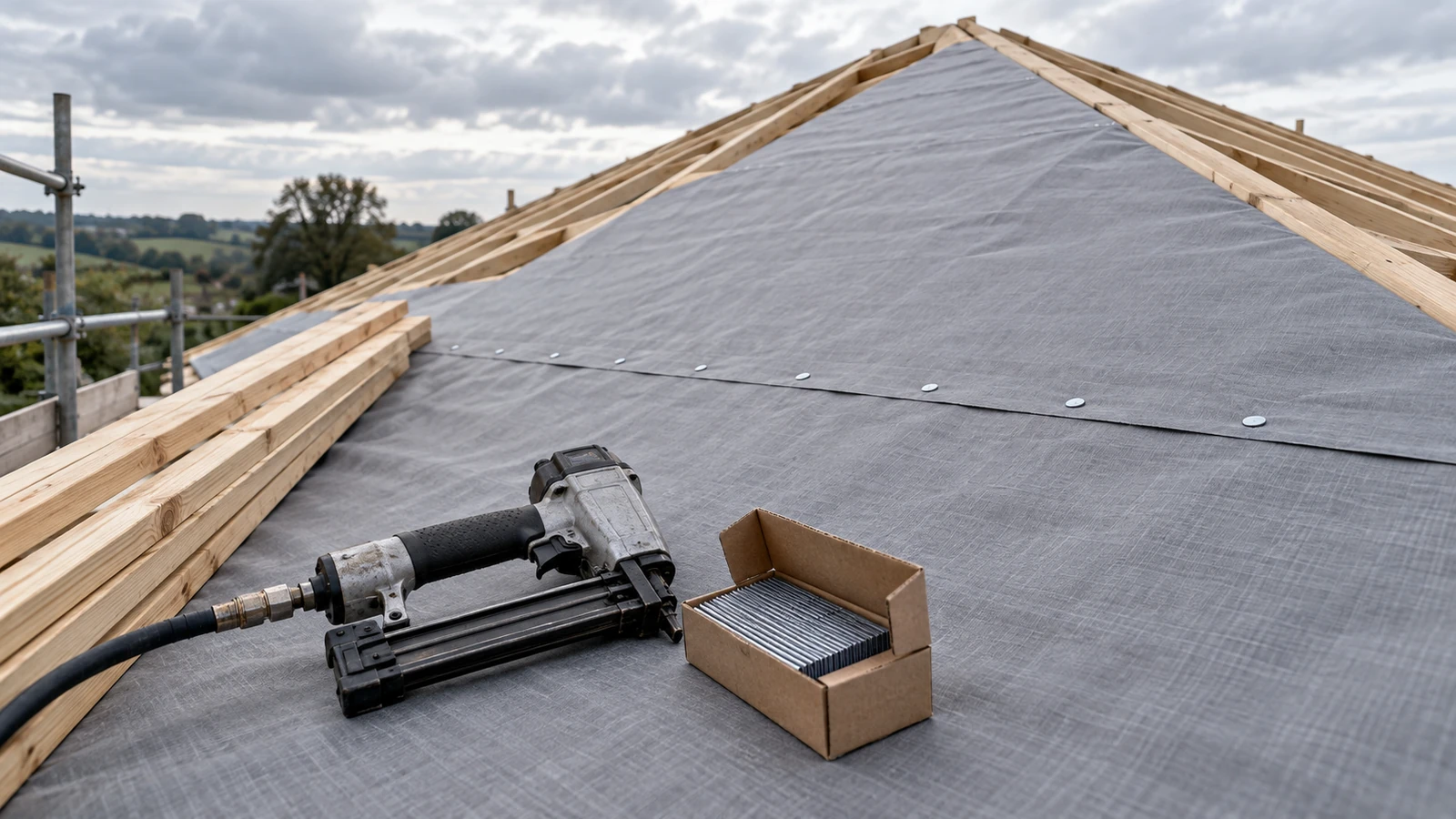
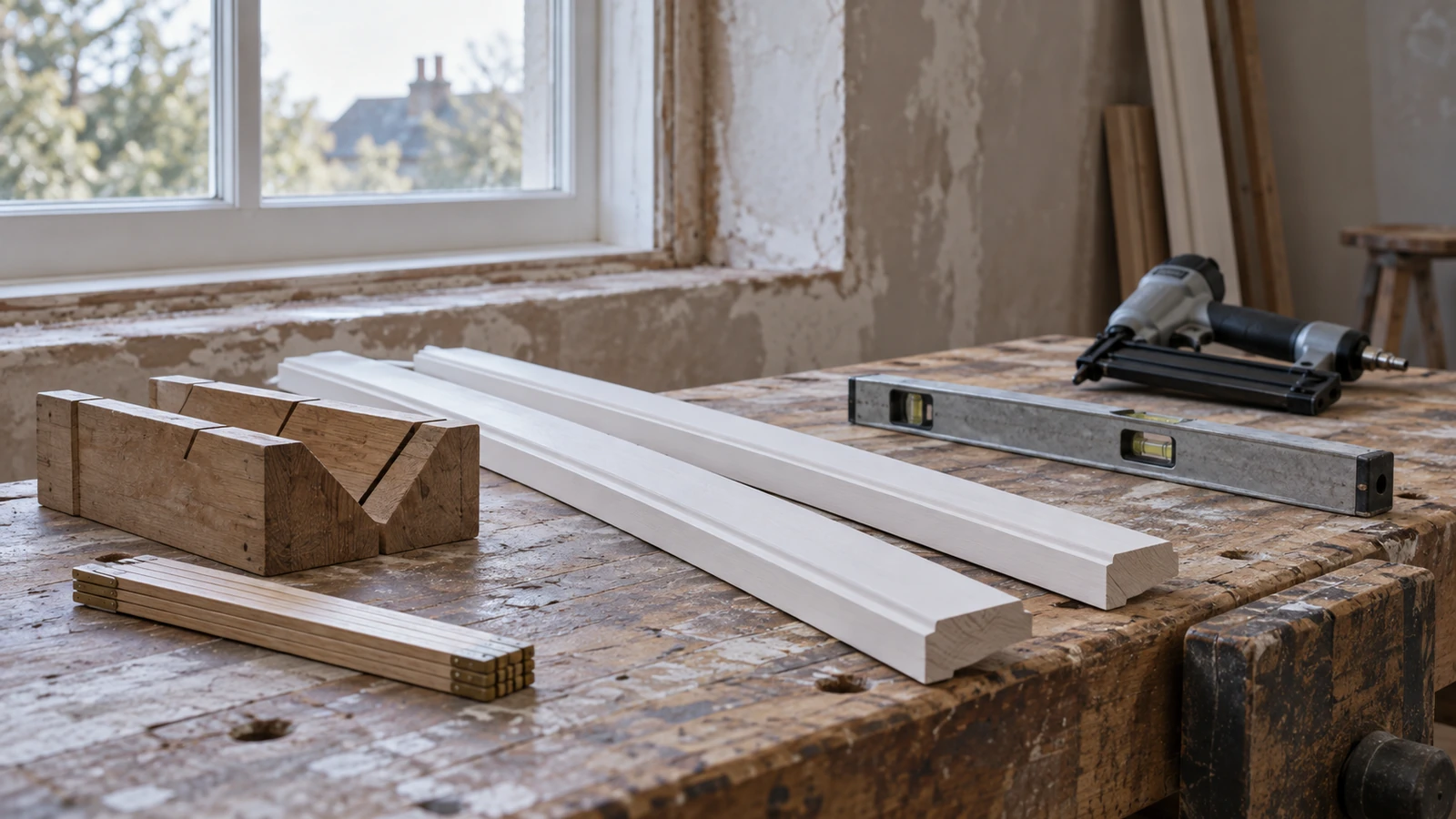
Brad nails are usually chosen for lighter trim and finish work where a smaller fastening profile is useful. Coil nails are common when high capacity matters and reloading time needs to be reduced. Strip nails are often favored in framing and general construction because the feed format is straightforward and widely used.
The right option depends less on the name and more on the tool, the material being fastened, and the appearance requirements after fastening. A hidden fastener in pallet assembly is a different question from a visible fastener in cabinetry, and buyers should treat them that way.
What to check before placing a wholesale order
The first filter is compatibility. That sounds obvious, but it is where many sourcing problems start. You need the nail size, strip format, and collation style that match the pneumatic nailer in use. Do not assume a “standard” specification will work across all tools.
Next comes finish and corrosion resistance. The product image suggests a metal collated strip with a dark or coated appearance, but the exact finish is not verified here, so it is safer to confirm whether the nails are plain steel, galvanized, or otherwise treated. That matters for indoor use, exterior exposure, and product life.
Then look at feed quality. Uniform spacing, stable collation, and cleanly formed nail strips reduce jams. This is one of those details that sounds minor until you are dealing with an operator who has cleared the tool three times before lunch.
Practical cautions that experienced buyers do not ignore
One common mistake is buying by price alone and discovering that the savings disappear in downtime. Another is assuming two nails that look similar will behave the same in the magazine. They may not.
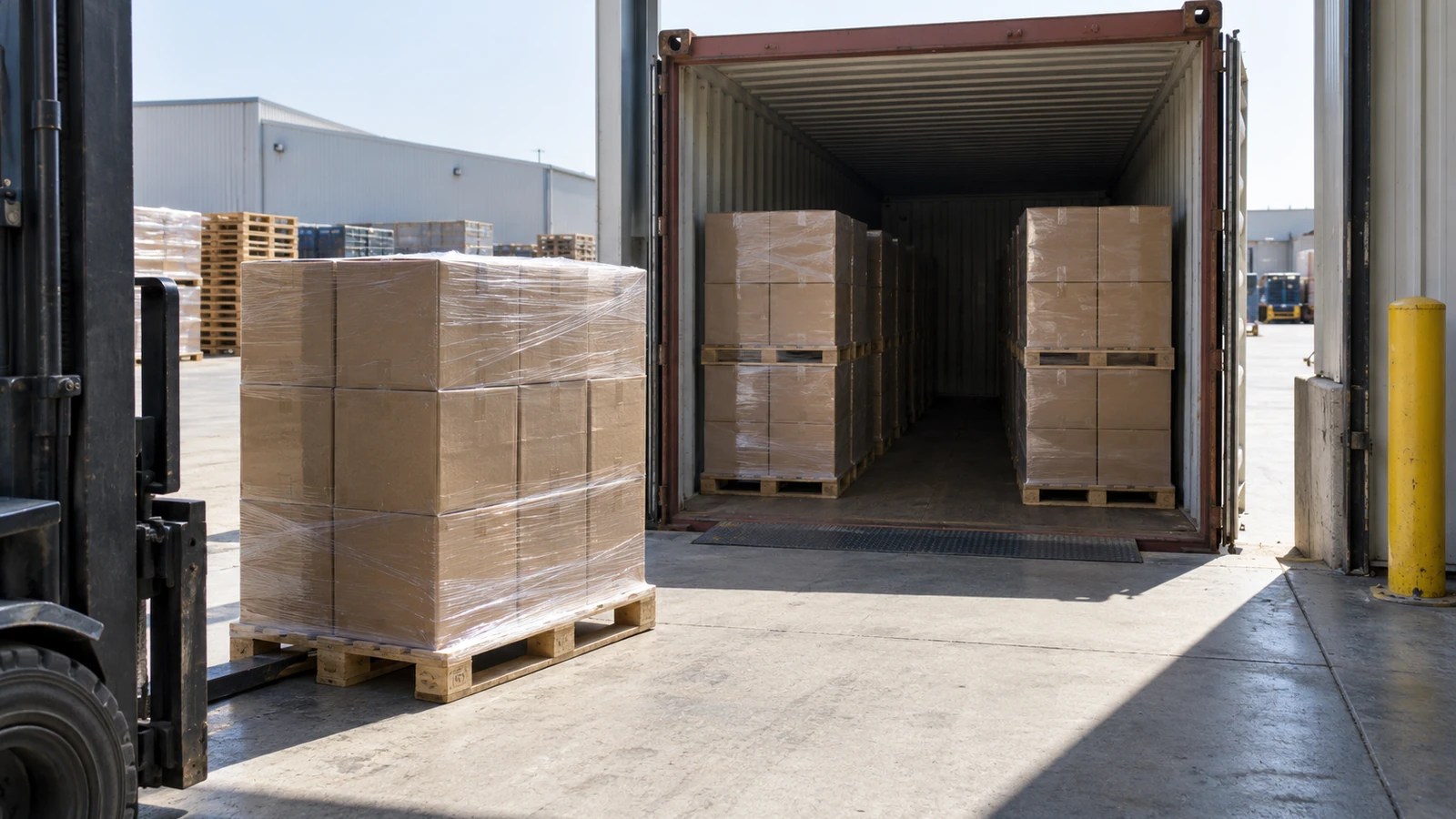
It is also worth checking how the supplier packs and handles cartons. Collated nails can be damaged in transit if packaging is weak. Bent strips and loose nails are not just a nuisance; they are a production risk.
If your operation uses more than one tool type, separate the purchase into the right nail families instead of forcing one universal item into every station. That shortcut often creates more waste than it saves.
How to judge a supplier, not just a product
A solid pneumatic nails wholesale supplier should be able to discuss application, not just inventory. They should know which nail format suits framing, sheathing, fencing, pallet assembly, or production woodworking. They should also be able to explain packaging, loading behavior, and any reasonable limitations instead of promising that one product will suit every gun on the market.
For sourcing managers, that is usually the difference between a transactional vendor and a practical supply partner. The best supplier is not always the one with the loudest claim; it is the one that keeps feeding the line without drama.
Buyer questions worth asking before you commit
Ask what nail format is being supplied, how it is collated, what base material and finish are used, and how the product is packed for transport. If your application is exterior or moisture-prone, ask specifically about corrosion considerations. If your use is high-volume production, ask about consistency from batch to batch.
Next step for sourcing teams
If you are comparing sources now, start with tool compatibility, then narrow by application, finish, and packaging quality. A supplier that can support that conversation is usually the one worth testing first. For teams moving from one-off purchasing to repeat production supply, that simple shift can save more time than any headline discount.