
What buyers really mean when they ask for a pneumatic nails wholesale supplier
When sourcing teams search for a pneumatic nails wholesale supplier, they are usually not just comparing fasteners. They are trying to match a nail supply chain to the way a jobsite or production line actually works: repetitive fastening, consistent feeding, low downtime, and a tool that keeps moving without fuss. If the nails do not collate properly, or if the supplier cannot keep the right format in stock, the whole purchase starts to look cheap in the wrong way.
In an interview-style buying discussion, the first question is rarely “What is the lowest unit cost?” It is more often: what nail format fits the tool, what finish helps in the application, and how much variation can the process tolerate before feeding issues start costing labor? That is where a supplier’s value shows up.
Why the nail format matters as much as the tool
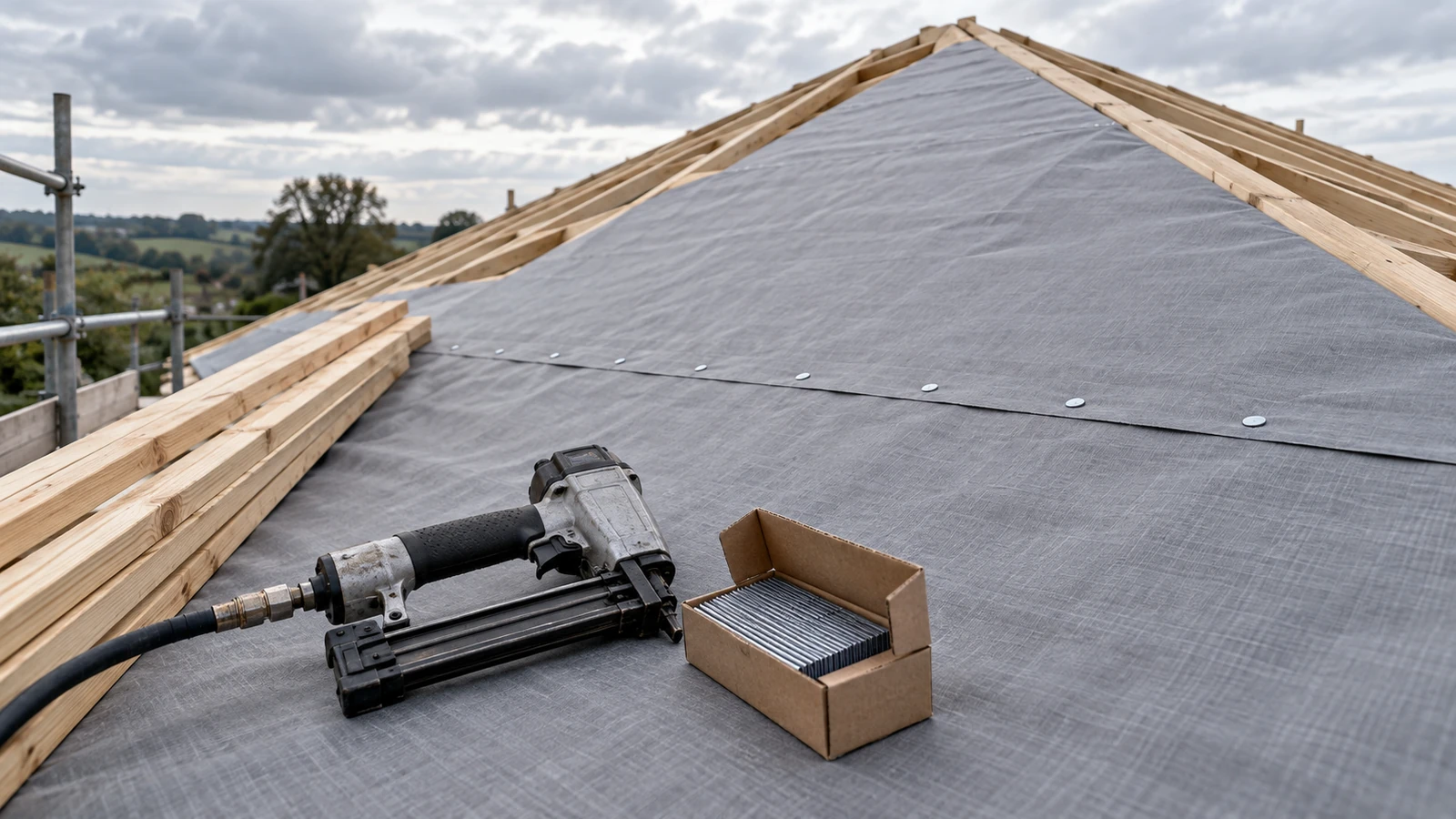
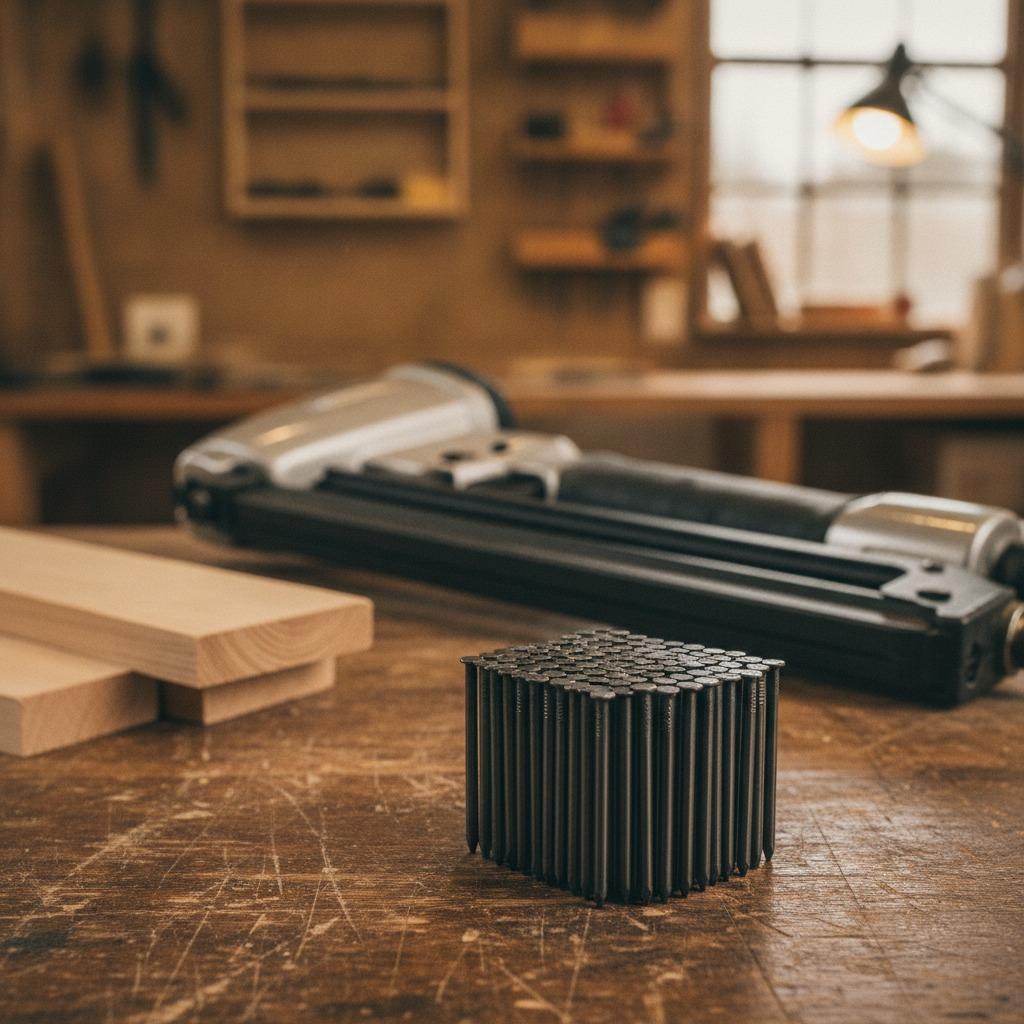
The image supplied here shows a pneumatic nailer tool beside a dense rectangular bundle of collated nails. That pairing is the point. A nailer is only as reliable as the fastener strip it feeds. The magazine, nose, and driver are designed around a specific geometry, and the nails themselves need to arrive in the right strip form so the tool can cycle repeatedly.
For buyers, this is where the common trade categories matter. Brad nails wholesale supply tends to support trim, molding, and finish work where a smaller profile is preferred. Coil nails wholesale is typically associated with higher-volume fastening where repeated loading matters. Strip nails wholesale is often the familiar choice for linear feeding in framing and general construction. The right answer depends less on terminology and more on what the tool accepts and how the line is used.
Interview notes from the shop floor: what experienced users watch first
If you ask an installer or production lead what causes trouble, they usually do not start with the nail shank. They talk about feeding. Does the strip sit cleanly in the magazine? Does it advance without binding? Does the coating or finish reduce sticking, or does it create debris in dusty wood environments? These are plain questions, but they decide whether a “good price” becomes a real saving.
The visible fastener pack in the image appears to be a tightly packed steel strip with a dark finish. That suggests a product aimed at organized, repeated driving rather than loose hand feeding. The exact nail gauge, collation angle, and coating are not readable from the image, so a buyer should verify those points before placing volume orders. It sounds obvious, but this is where many cross-border purchases go wrong: the fastener looks right in a product photo and then fails to match the tool on arrival.
How to evaluate a supplier beyond the catalog photo
A serious supplier conversation should cover a few practical checkpoints.
First, compatibility. The nail format must match the nailer type, magazine design, and application. Second, consistency. Nails in wholesale supply need uniformity in length, shank, and collation so feeding does not become unpredictable. Third, finish. The right surface treatment depends on the work environment and whether the nails are being used in interior trim, furniture assembly, or more demanding construction work.
A buyer should also ask how the nails are packaged for transport. Collated fasteners can be damaged if cartons are handled badly, and bent strips create feed problems that look like tool defects when they are really supply defects. That little distinction matters when the same team owns both tools and consumables.
Common mistakes buyers make
One mistake is buying by generic name only. “Brad,” “coil,” and “strip” are useful shorthand, but they do not replace specification checks. Another is assuming one pneumatic nailer can handle every fastening task. It usually cannot. A tool that works well for trim may not be the right choice for framing or higher-load work.
A second mistake is ignoring the consumable-to-tool ratio. If the fastener supply is cheap but inconsistent, the hidden cost shows up in stoppages, misfires, and rejected work. That is why many sourcing managers focus on supplier stability as much as on price.
What a practical buyer should ask before ordering
When you contact a pneumatic nails wholesale supplier, ask for the exact fastener type, compatible tool category, material and finish description, and packing format. If the application is woodworking, cabinet assembly, or trim installation, ask whether the product is better suited for finish work or heavier duty fastening. If the answer sounds vague, keep digging.
For production buyers, samples are worth the time. Not because samples are glamorous, but because a few test cycles in the real tool will tell you more than a polished product sheet.
Next step
If you are comparing sources for pneumatic nail fasteners, start with compatibility and feeding performance, then move to pricing and supply continuity. A supplier worth keeping should help you choose between brad nails wholesale, coil nails wholesale, and strip nails wholesale based on the job, not just what is easiest to ship.
If you want, share your tool type, application, and nail format, and build the shortlist from there before you commit to volume buying.