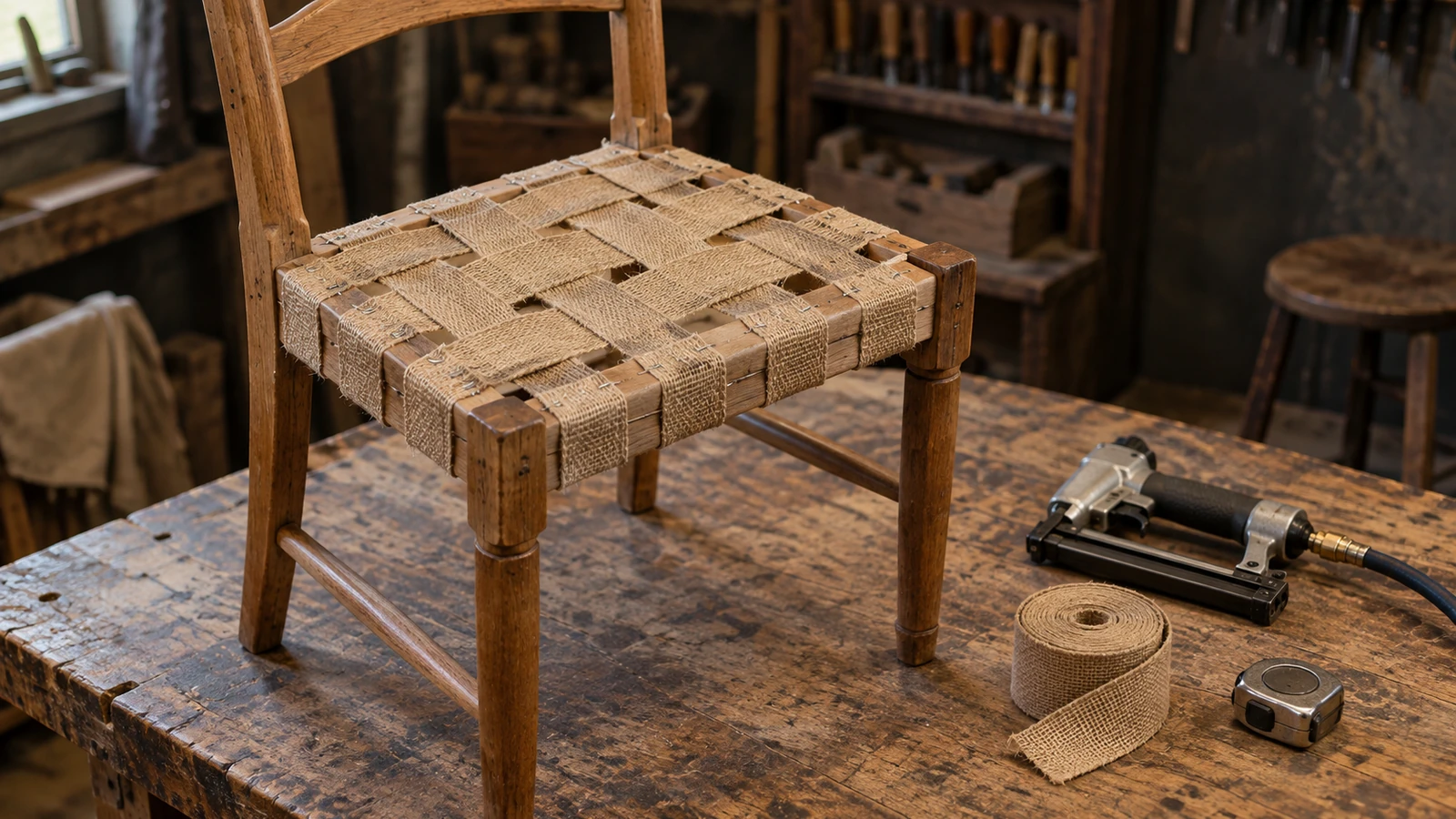

Evaluate a pneumatic staples manufacturer by following one lot from incoming material through forming, point creation, finishing, collation, in-process checks, tool and application trials, packing, release, shipment, and complaint retrieval. At every station, ask what the lot is, what changed, what evidence was recorded, and who could stop it.
ProAirNails recommends choosing a representative buyer SKU rather than tracing a generic demonstration product. This keeps the route connected to a real crown, wire, leg, point, finish, strip, tool, application, and box.
Traveler start: freeze the product identity
Place buyer SKU, supplier SKU, specification revision, crown, wire, leg length, point, finish, collation, strip and box count, tool references, application, and approved sample on the traveler. Record approved exceptions. Similar internal codes should not replace the buyer's controlled identity.
The traveler may be electronic or physical, but revision and status must remain clear when material moves or splits.
Station 1: receive and release input material
| Question | Evidence | Lot decision |
|---|---|---|
| What arrived? | Supplier, receipt, material identity, quantity | Matches the purchase requirement |
| Was it checked? | Defined method, result, status, authorization | Released or held |
| Can it be separated? | Physical and system identification | No uncontrolled mixing |
| Did anything change? | Notice, review, buyer disposition | Approved before use |
Select one input container and trace its identity into the production lot. Then select the lot and show every linked input container.
Station 2: record forming and point creation
Observe how crown geometry, leg parallelism, wire dimensions, straightness, cut, and point are established. Record equipment or line, setup reference, first-piece result, in-process frequency, operator or system authorization, and reaction to an out-of-limit result.
Ask how much material made since the last accepted check must be held. A gauge result is only useful when the response boundary is known.
Station 3: connect finish to the stated product
Follow the defined finish through relevant material, process, inspection, handling, and storage records. Verify that product labels and declarations describe the actual configuration. Do not extend a finish claim from another staple family or production route.
Check surface condition after forming and before collation. Residue, damage, irregular coating, or corrosion exposure can affect both appearance and feeding.
Station 4: make collation traceable
Record strip alignment, spacing, adhesive or carrier, weld condition where relevant, strip count, broken pieces, mixed lengths, leading and trailing condition, and storage sensitivity. Link collation inputs and settings to the production lot.
A pneumatic staples manufacturer should show how a failed strip check contains related material and how reworked strips remain distinguishable from accepted production.
Station 5: challenge the measurement route
| Measurement element | Show | Risk controlled |
|---|---|---|
| Method | Feature, location, sample preparation | Different operators measuring different things |
| Instrument | Identity, range, resolution, status | Unsuitable or uncontrolled equipment |
| Sampling | Size, timing, selection, lot link | Convenient samples hiding variation |
| Reaction | Hold point, review, correction, resample | Failed output continuing downstream |
Repeat a small set with another qualified operator when the feature and risk justify it. Record actual values where comparison and trend matter rather than only “pass.”
Station 6: prove the lot in the intended tool
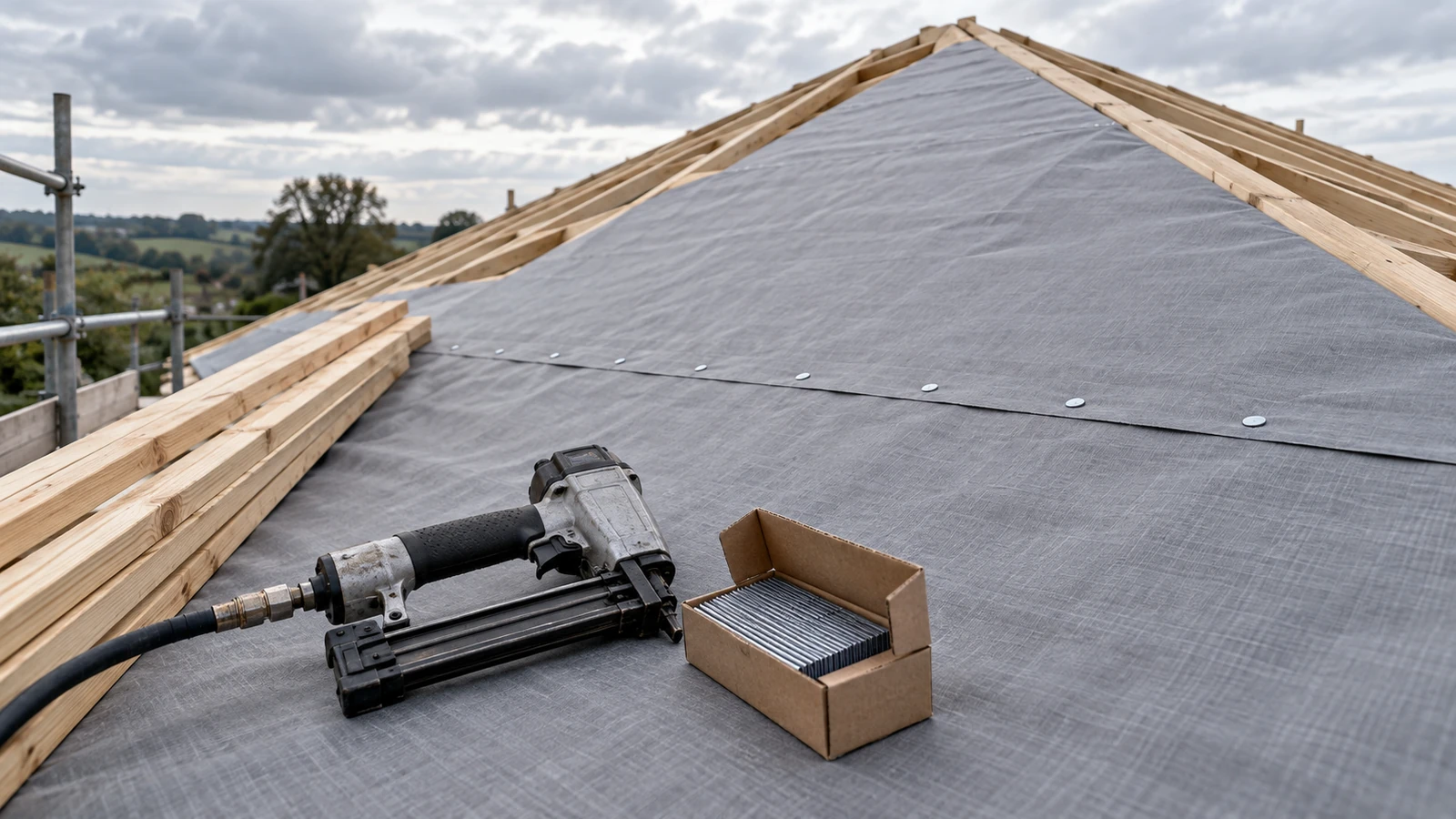
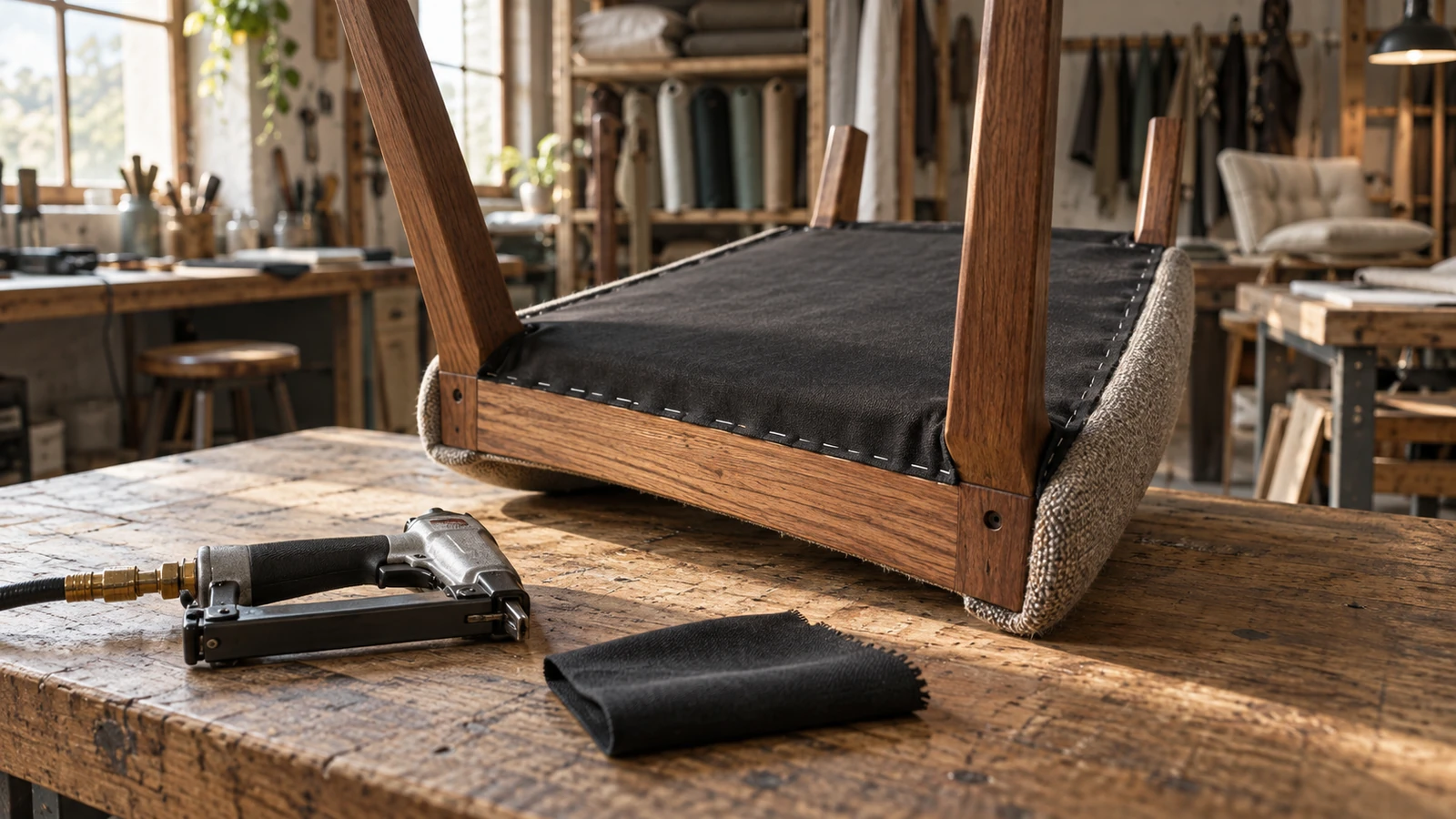
Use named tool models, approved operating ranges, real material stacks, normal support, and production pace. Record loading, follower movement, skips, doubles, jams, tilted staples, depth or closure, crown condition, leg path, material damage, and functional result.
Follow tool instructions and use the NIOSH nail gun safety guide as broader safety context. Do not alter strips or bypass safety features to make the lot pass.
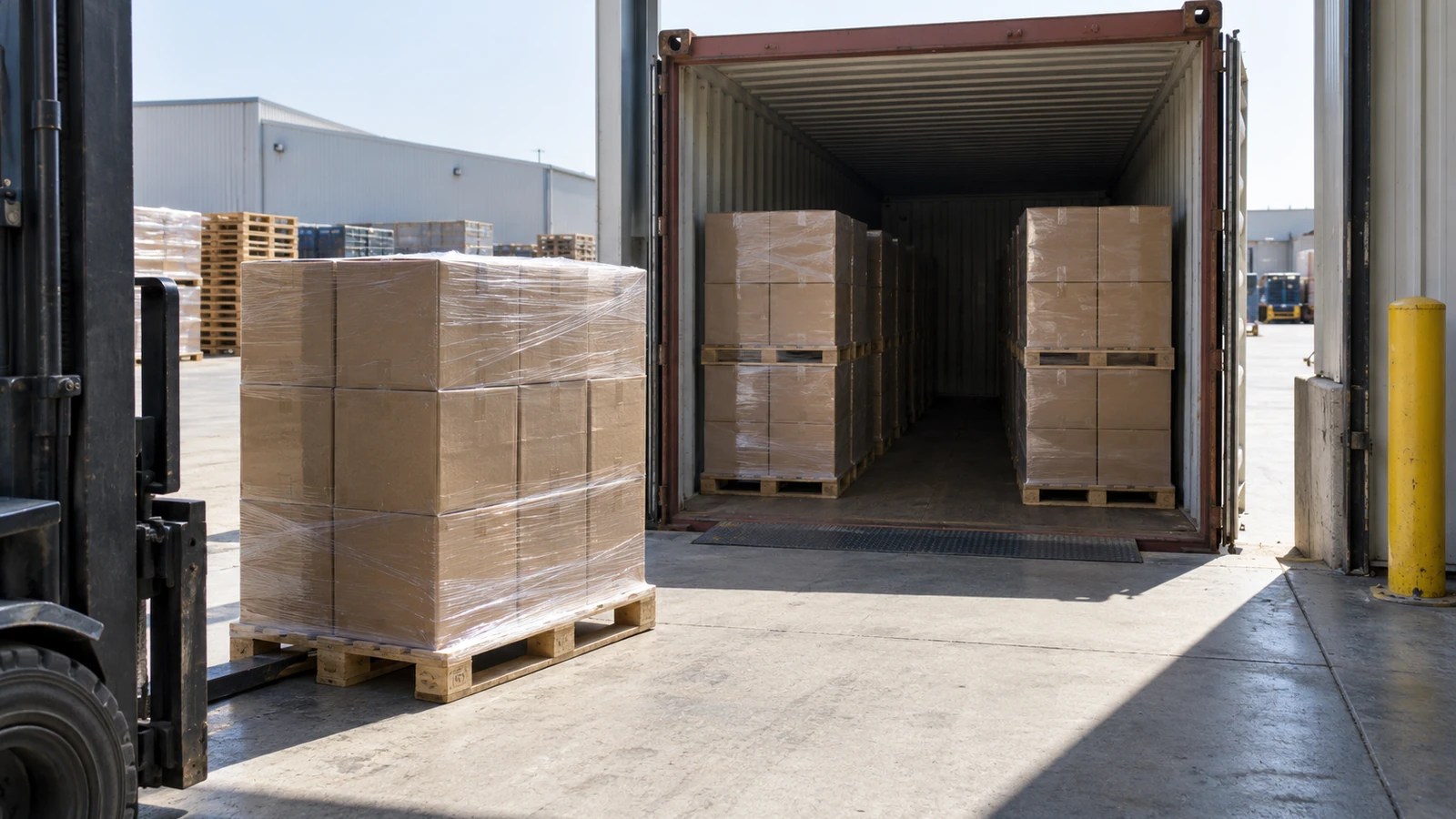
Station 7: preserve identity through packing
- Inner-box support, count, SKU, size, lot, and orientation
- Master-carton strength, labels, quantity, and mixed-SKU prevention
- Pallet pattern, restraint, separation, and lot map
- Moisture and handling protection where required
- Artwork and barcode revision control
- Packing-list connection to cartons and shipment
Inspect after representative handling. If packing breaks strips or loses identity, the delivered lot differs from the protected production sample.
Station 8: release with a recoverable decision
Review product, inspection, tool or application evidence, packing, quantity, exceptions, documents, and authorization. Identify retained samples and record where the lot shipped. The release should state approved, conditionally approved, held, reworked, or rejected.
Run the traveler backward and forward
Select one finished carton and trace it backward to packing, final inspection, collation, forming, and inputs. Then select one production lot and trace it forward to every carton and shipment. Time the exercise and record broken links.
Use a closed complaint with confidential details removed to show containment, retained-sample comparison, root-cause evidence, correction, and effectiveness. The pneumatic staples manufacturer should distinguish product, tool, material, packing, transport, and application factors.
State what one lot cannot prove
A strong traveler demonstrates control and recoverability for the selected route; it does not guarantee every future lot, product, tool, or application. Relevant changes, complaints, performance trends, and new destinations should trigger further review.
The ASTM F1667 standard page can support driven-fastener discussions when applicable. It does not certify the site or its complete system.
Request a ProAirNails lot-trace sample
Review ProAirNails air staple pins, the wider pneumatic fastener range, and related brad nails. Send the controlled SKU, tool, application, quantity, packing, destination, and traceability needs through the ProAirNails inquiry page.
A capable pneumatic staples manufacturer keeps one lot identifiable through every transformation and every decision.
FAQ
What is a staple production lot traveler?
It is the controlled record connecting product identity, inputs, processes, checks, status, packing, release, and shipment for a lot.
Why trace one representative buyer SKU?
It grounds the review in real dimensions, finish, collation, tools, application, packing, and buyer acceptance requirements.
What forming features should be recorded?
Common features include crown geometry, wire dimensions, leg length and parallelism, straightness, cut, point, and surface condition.
How should failed in-process checks be handled?
Define the hold boundary, affected material, review, correction, reinspection, release authority, and record connection before production.
What should collation records include?
Include alignment, spacing, carrier or adhesive, weld condition, strip count, breakage, mixed sizes, inputs, settings, and lot identity.
Why include a tool trial in the traveler?
It links dimensional and strip evidence to actual loading, feeding, driving, closure, material response, and functional performance.
How is backward traceability tested?
Select a finished carton and trace its lot, packing, inspection, collation, forming, and input records without filling gaps from memory.
How is forward traceability tested?
Select a production lot and identify every related carton, pallet, shipment, destination, retained sample, and current stock status.
When should the lot route be reviewed again?
Review after relevant material, process, site, equipment, finish, collation, packing, tool, application, or requirement changes.
What should I send for a manufacturer review?
Send controlled specifications, SKU list, tools, applications, volumes, packing, documents, priority risks, and traceability expectations.