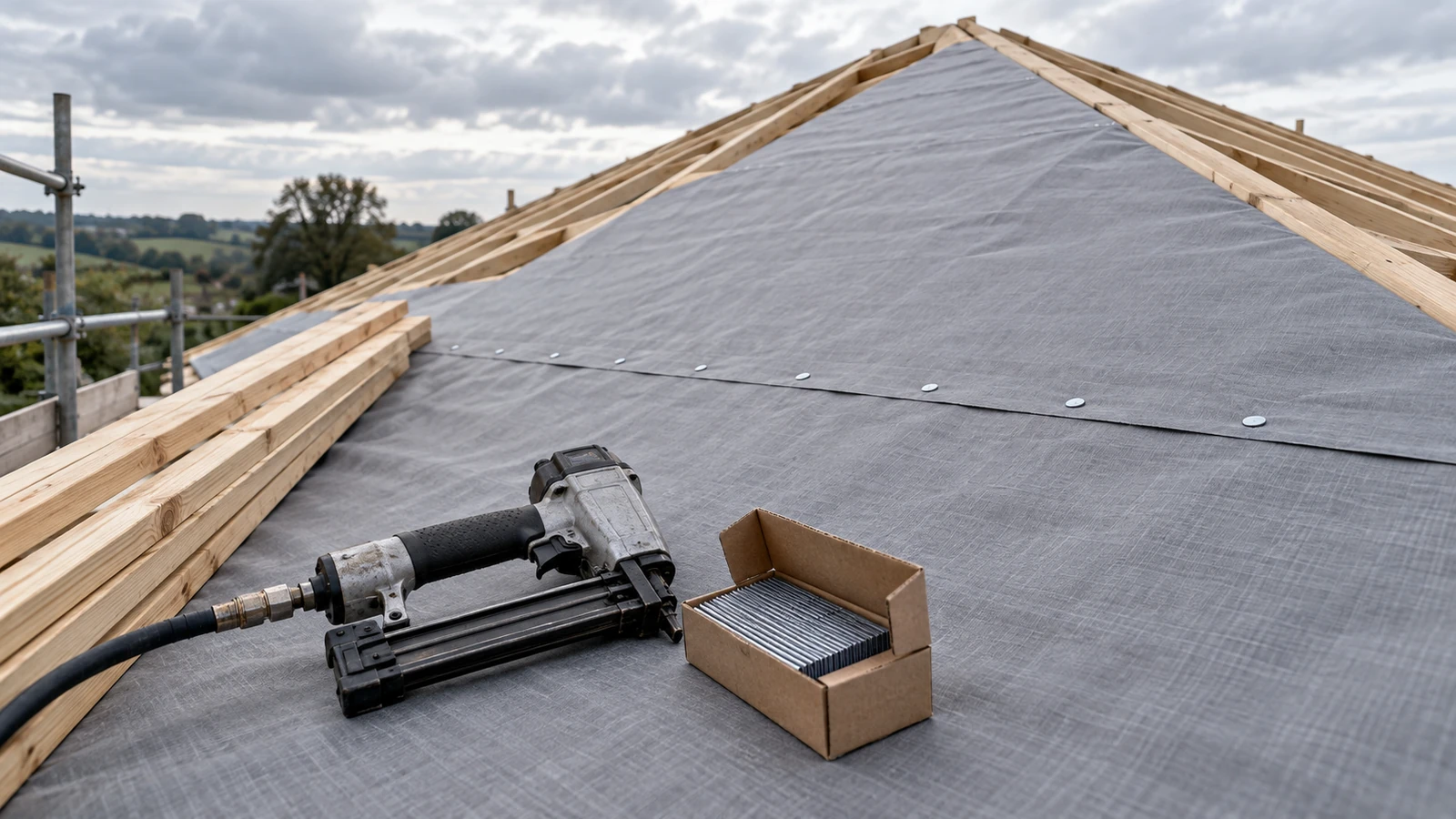

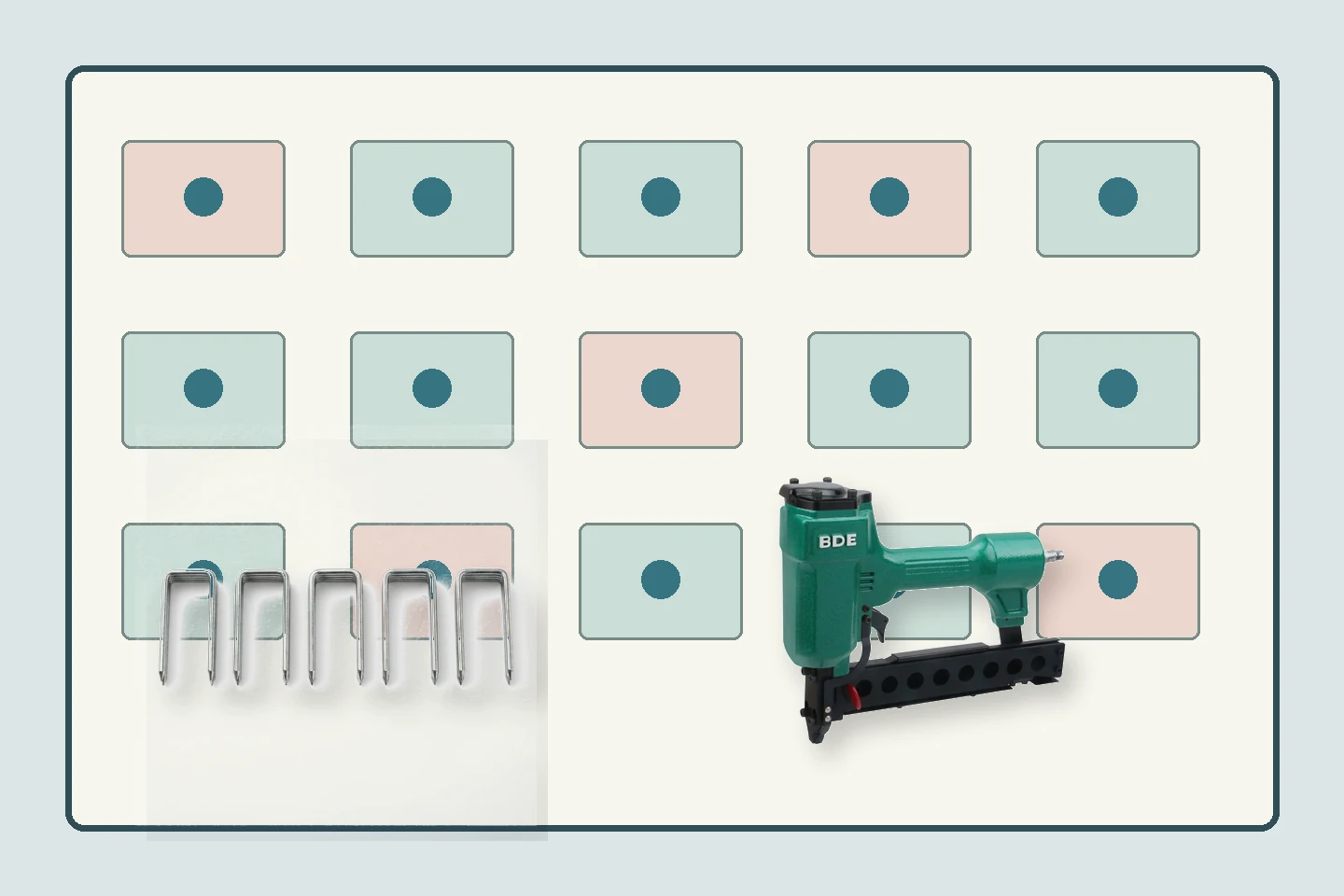
A pneumatic staples supplier should prove compatibility by an agreed fastener-tool-application combination, not by saying that one series name fits every stapler. Crown, wire, leg, point, collation, magazine geometry, driver blade, substrate, and air setting work together during each feed and drive event.
ProAirNails recommends building a family matrix first, then approving representative samples and the first commercial lot under the same recorded conditions.
Map the tool families before requesting samples
List every stapler model, magazine type, driver condition, nominal series, crown range, wire size, leg range, operating pressure, and production station. Mark which tools are current, worn, modified, or scheduled for replacement. A sample that feeds one recently serviced tool cannot automatically release an older mixed fleet.
Create one compatibility matrix
| Decision field | Fastener evidence | Tool or application evidence |
|---|---|---|
| Identity | Series, crown, wire, leg, point | Tool manual and magazine marking |
| Loading | Strip length, straightness, carrier | Magazine and follower movement |
| Feeding | Pitch, collation strength, surface | Cycle count, jam and double log |
| Driving | Leg geometry and finish | Depth, clinch, crown mark, substrate |
| Release | Lot and inspection status | Named owner and approved stations |
Do not translate series names by appearance
Similar-looking staples can differ in crown width, wire thickness, leg width, pitch, angle, strip format, adhesive, or point. Ask for a dimensional drawing and tolerances, then compare them with the tool documentation. Treat a cross-reference chart as a starting hypothesis until representative samples load and cycle correctly.
Use the standard within its stated scope
The active ASTM F1667/F1667M page covers driven fasteners including staples and describes material, physical-property, workmanship, and dimensional requirements. Its scope does not make every collation system interchangeable. The buyer must define the carrier and relative orientation needed by the named application tool.
Run different trials for different work
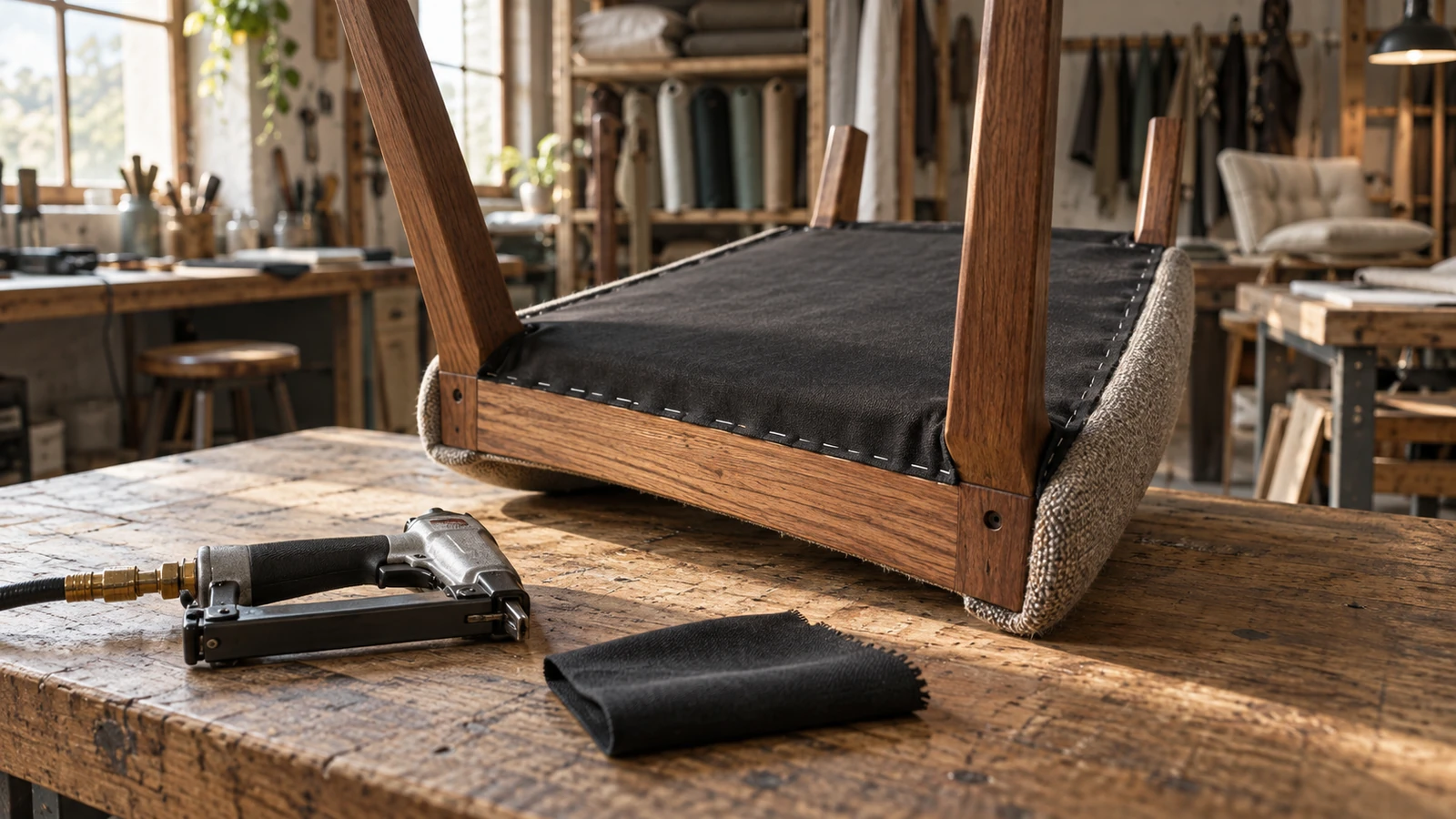
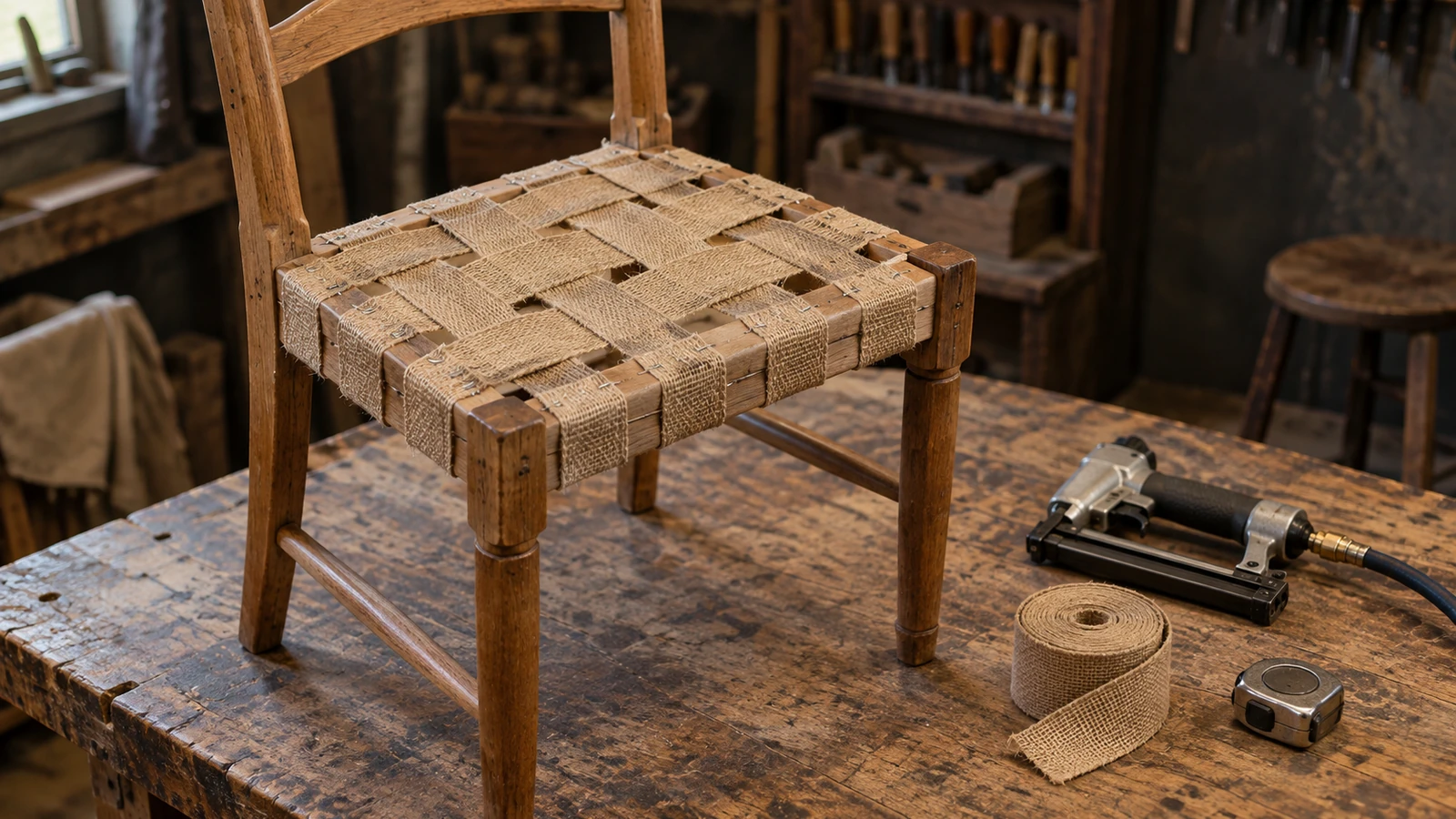
An upholstery trial should observe crown marking, fabric pull-through, hidden substrate splits, and operator control. A cabinet-back trial should examine edge distance, panel seating, leg behavior, and squareness. Packaging or carton closure may require clinch geometry and board-compression checks. Do not average these outcomes into one vague “works well” result.
Count feed events and preserve failures
- Record tool model, serial or station, and service condition.
- Use staple strips from different cartons and lot positions.
- Count jams, skips, doubles, broken crowns, and incomplete drives.
- Photograph crown marks, leg paths, and clinched results.
- Keep failed strips with the lot and tool record.
A supplier trial should state the event count and acceptance rule before testing begins. Changing pressure, nose force, or substrate after each failure can hide whether the fastener, tool, or setup caused the problem.
Release the lot with defined sampling
The official ISO 2859-1:2026 page describes AQL-indexed lot-by-lot inspection schemes for attributes. Use the adopted procedure to define lot size, inspection level, defect classes, sample size, and acceptance numbers. Sampling manages a stated risk and does not certify every staple or every future shipment.
Separate defect classes by consequence
| Finding | Possible consequence | Suggested control |
|---|---|---|
| Wrong crown or wire | Cannot load or creates an unsafe mismatch | Identity hold and full scope trace |
| Broken or weak collation | Jams, doubles, loose pieces | Feed trial and affected-lot containment |
| Bent legs | Surface damage or weak joint | Geometry and substrate review |
| Rust or contamination | Appearance, feed, or service concern | Finish and storage investigation |
| Crushed cartons | Distorted strips and lost identity | Pack hold and carton sampling |
Compare total station cost
Price should include tool stoppage, strip breakage, reload frequency, rejected work, sorting, maintenance, inventory, and replacement freight. A pneumatic staples supplier creates value when stable strips keep the approved station running, not when a low quote transfers inspection and downtime to the buyer.
Control packing by how strips are damaged
Specify inner support, orientation, count, carton strength, moisture protection, label fields, pallet pattern, and maximum handling damage. Inspect top, middle, corner, and bottom cartons after transit. Bent strips found only at pallet edges point to a different control than weak collation across an entire production lot.
Define the reorder rule before approval
Retain sample strips, drawings, tool matrix, trial data, defect photographs, lot labels, and packaging. Require notice for wire, tooling, adhesive, line, coating, subcontractor, or pack changes. ProAirNails can review air staple pins, the wider pneumatic fastener range, and related product families through the inquiry page.
Write an application-specific RFQ
Send tool models, crown, wire, leg, point, finish, strip format, substrates, drive or clinch result, production speed, annual demand, packaging, tests, documents, destination, and change controls. Ask the pneumatic staples supplier to identify untested combinations instead of treating silence as compatibility.
State the decision boundary
Catalog cross-references, samples, and standards do not replace tool instructions, guarding, operator training, joint engineering, or applicable regulations. ProAirNails can help organize product evidence; the buyer remains responsible for approving each tool and application route.
Select the pneumatic staples supplier whose matrix, lot records, and change controls keep the same accepted result across tools, cartons, and repeat orders.
FAQ
Why is the series name not enough?
Series labels may not capture crown, wire, pitch, strip, adhesive, and magazine differences across tool brands.
What should be measured on a staple?
Record crown, wire dimensions, leg length, point, straightness, pitch, strip length, and applicable tolerances.
How many tools should be tested?
Test representative models and conditions from each approved family, including older stations when they remain in production.
What is a useful feed metric?
Count drives, skips, jams, doubles, broken collation, incomplete drives, and any setting changes during the trial.
Can one test cover upholstery and cabinetry?
No. The materials, visible-face limits, holding requirements, and failure consequences differ.
Does ASTM F1667 cover collation compatibility?
Its scope covers driven fasteners but does not make every carrier and orientation interchangeable in every tool.
When should a carton be held?
Hold wet, crushed, open, mixed, unidentified, or strip-distorting cartons until the affected scope is reviewed.
What should appear on the label?
Include SKU, dimensions, finish, series, quantity, lot, production identity, carton number, and approved revision.
What changes require notice?
Control wire, geometry, tooling, adhesive, line, finish, subcontractor, label, inner support, and pallet revisions.
What belongs in the approval file?
Keep the drawing, samples, tool matrix, test data, defects, inspection result, packaging, deviation, and release authority.