
A staple pins manufacturer sample should prove seven things: exact identity, controlled dimensions and features, stable collation, compatibility with the intended tool, acceptable application performance, shipment-ready packing, and a traceable route to repeat production. A neat strip on a white card proves only that one strip looks neat.
ProAirNails recommends building a sample dossier before volume approval. Every photograph, measurement, trial, and retained piece should connect to the same candidate SKU and revision.
Proof 1: the sample has a controlled identity
Record buyer SKU, supplier SKU, staple family, crown, wire, leg length, point, finish, collation, strip and box count, intended tool, application, production source, sample date, and revision. Label loose pieces and trial assemblies so they cannot be separated from the record.
If the supplier proposes a substitute, document the difference and approval status. Do not let a common series name replace dimensional and application evidence.
Proof 2: measurements answer a specification question
| Feature | Record with | Decision supported |
|---|---|---|
| Crown and wire | Defined method, instrument, locations | Tool and application identity |
| Leg length and parallelism | Sample size and individual results | Path, closure, and feed consistency |
| Point and surface | Visual rule and representative images | Driving and material damage risk |
| Strip count and spacing | Counting and spacing method | Loading, feed, and box quantity |
Record actual results rather than “OK” when values matter. Include method, instrument identity, calibration status, sample selection, and specification revision. A measurement without its decision limit is incomplete.
Proof 3: collation survives normal handling
Inspect alignment, spacing, adhesive or carrier condition, leading and trailing pieces, broken staples, mixed lengths, strip straightness, and storage sensitivity. Then expose normal boxes to representative handling before repeating the check.
A staple pins manufacturer should explain how collation is checked during production and how damaged or out-of-limit strips are contained. The sample dossier should distinguish manufacturing, packing, transport, and warehouse evidence.
Proof 4: the strip loads and feeds in the named tool
Record tool brand, model, accepted series and length range, magazine condition, service status, and approved operating range. Use several complete strips. Observe follower movement, loading damage, skips, doubles, jams, tilted staples, depth or closure, and event position within the strip.
Follow the tool manual and use the NIOSH nail gun safety guide as broader safety context. Do not hand-correct strips, bypass safety features, or exceed approved settings to produce a favorable demonstration.
Proof 5: the application meets a written rule
| Application area | Possible observations | Retained evidence |
|---|---|---|
| Material entry | Damage, split, pull, penetration | Accepted and failed surfaces |
| Crown or closure | Depth, shape, compression, marking | Representative assemblies |
| Leg path | Parallelism, bend, curl, side exit | Sections where appropriate |
| Functional result | Holding, closure, alignment, appearance | Test record and acceptance owner |
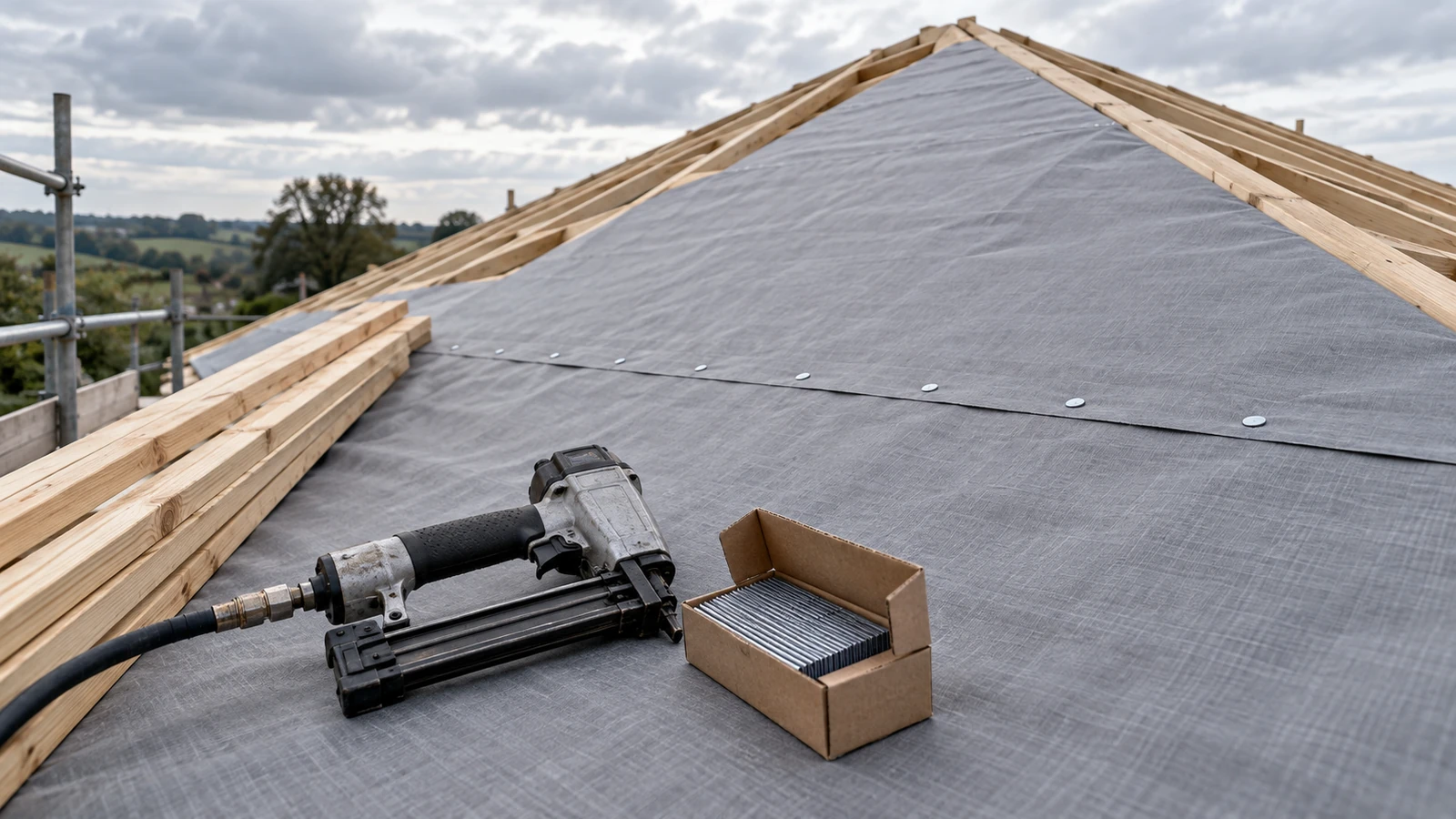
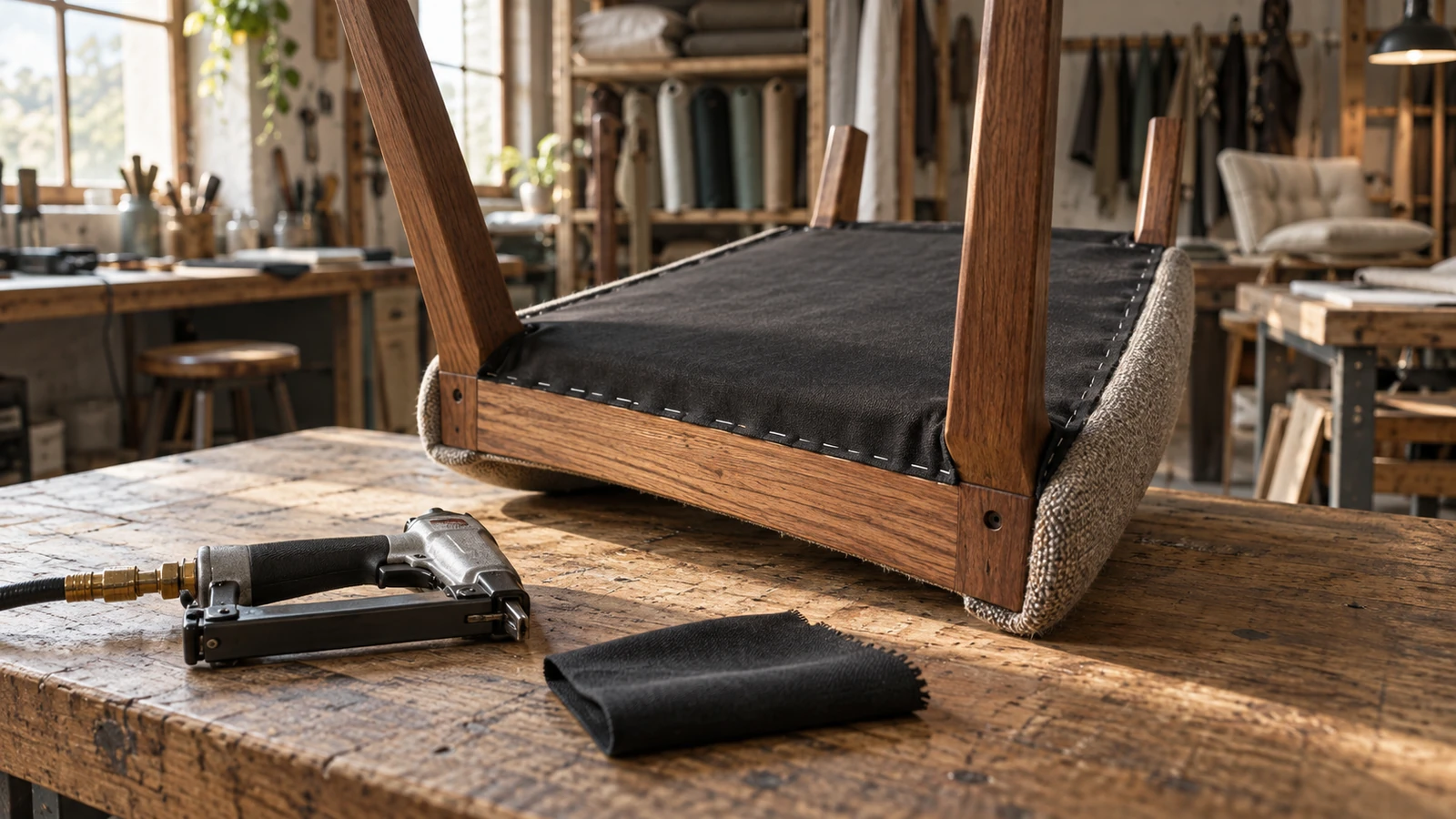
Use real materials, stack, support, direction, pace, and acceptance criteria. A tool demonstration in an unrelated block cannot approve furniture, packaging, upholstery, insulation, or another application.
Proof 6: packing preserves the approved sample
Request a normally packed inner box and master carton, not only a sample pouch. Check strip support, count, label faces, SKU, size, lot, moisture protection, carton strength, orientation, mixed-product separation, pallet pattern, and barcode where required.
Repeat selected tool and strip checks after representative handling. If packing creates broken strips or identity loss, the delivered product is not equivalent to the protected sample.
Proof 7: the sample can be traced into production
Ask which site and line made the sample, which material and process records identify it, what inspection released it, and which retained sample will support a future complaint. Define how a production lot will be linked to carton and shipment labels.
- Signed buyer and supplier sample references
- Controlled drawing, specification, and artwork revision
- Lot code and production-record connection
- Supplier and buyer retained samples
- Change notification and reapproval triggers
- Complaint contact, containment, and response timing
Convert the dossier into a pilot-lot plan
Define pilot quantity, number of boxes and lots, intended tools, applications, operators, pace, sample windows, checks, acceptance limits, retained evidence, and release authority. Include normal packaging and labels. Review both average results and event patterns.
The selected staple pins manufacturer should reconcile the pilot with the dossier. Differences in strip feel, finish, label, count, dimensions, feed, or application result must be classified and closed before routine orders.
Write a verdict that states its limits
Use approved, conditional, rejected, or more-evidence-required. List the exact SKU, tools, applications, packaging, quantity limit, open actions, and requalification triggers. Do not write “supplier approved” when only one product and application were assessed.
The limitation is that a sample dossier cannot guarantee every future lot or substitute for the buyer's design and safety duties. It creates a recoverable baseline for receiving, production, complaints, and changes.
Keep technical standards within scope
The ASTM F1667 standard page can support relevant driven-fastener specification discussions. It does not certify a staple pins manufacturer or prove universal tool and application performance.
Request a ProAirNails sample dossier
Review ProAirNails air staple pins, compare the broader pneumatic fastener range, and see related brad nails and pin nails. Send the specification, tools, application, quantities, packing, destination, and evidence needs through the ProAirNails inquiry page.
A capable staple pins manufacturer turns a sample from a sales object into a controlled reference for repeat production.
FAQ
What should a staple pin sample include?
Include labeled strips, controlled dimensions, finish and collation identity, intended tools, packed samples, lot trace, and an evidence record.
Is one clean strip enough for approval?
No. Evaluate several normal strips and boxes through measurement, handling, loading, feeding, application, packing, and traceability.
Why record actual measurement values?
Values allow comparison with limits, variation review, method questions, pilot reconciliation, and future complaint investigation.
How should staple collation be tested?
Check spacing, alignment, carrier or adhesive, breakage, mixed sizes, handling, storage, loading, and feed behavior in the approved tool.
What tool information belongs in the dossier?
Record brand, model, accepted series and lengths, service status, approved operating range, magazine condition, and trial observations.
Why test the real application material?
Material density, layers, gaps, support, direction, finish, and joint role affect driving and functional results.
What packing sample should be requested?
Request normal inner and master packaging with production labels, counts, lot identity, strip support, protection, and pallet information.
When should a sample be reapproved?
Reapprove after relevant material, dimension, finish, collation, process, tooling, site, packing, tool, application, or acceptance changes.
What makes a pilot lot different from a sample?
A pilot uses normal production, packing, labels, quantities, loading cycles, operators, and application conditions to test repeatability.
What should I send ProAirNails for samples?
Send controlled specifications, tool models, application materials, acceptance rules, requested quantities, packing, destination, and trial plan.