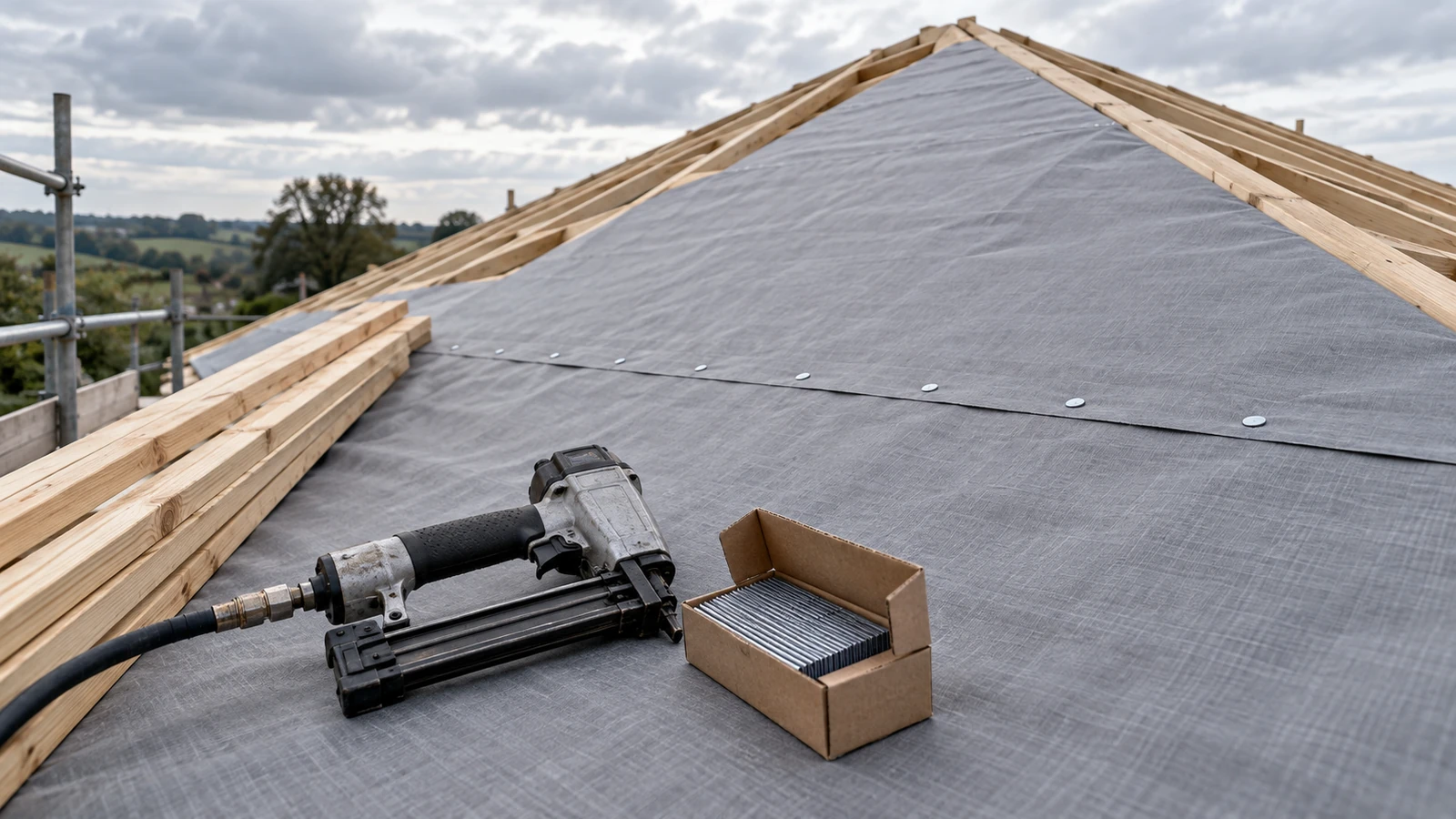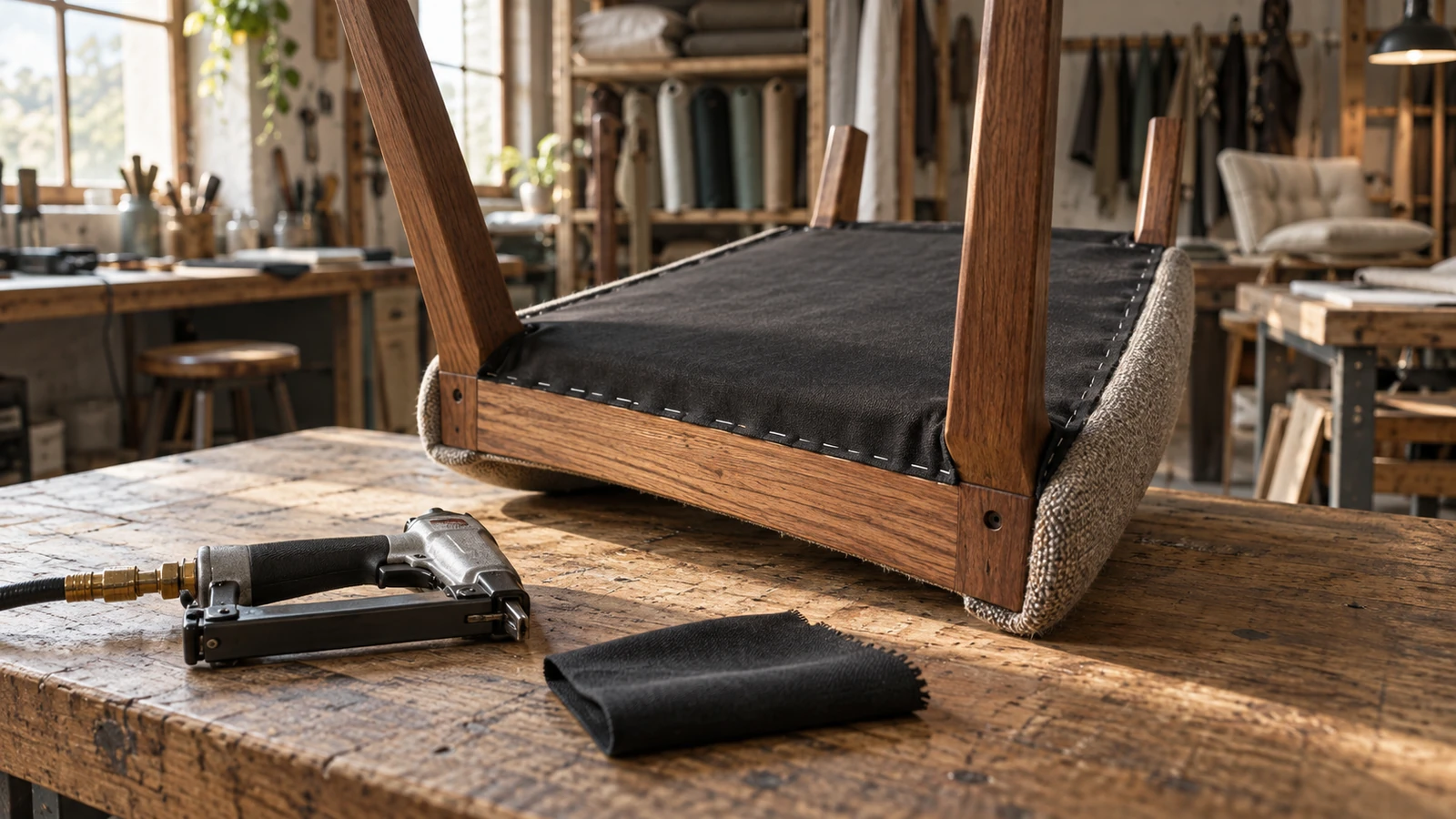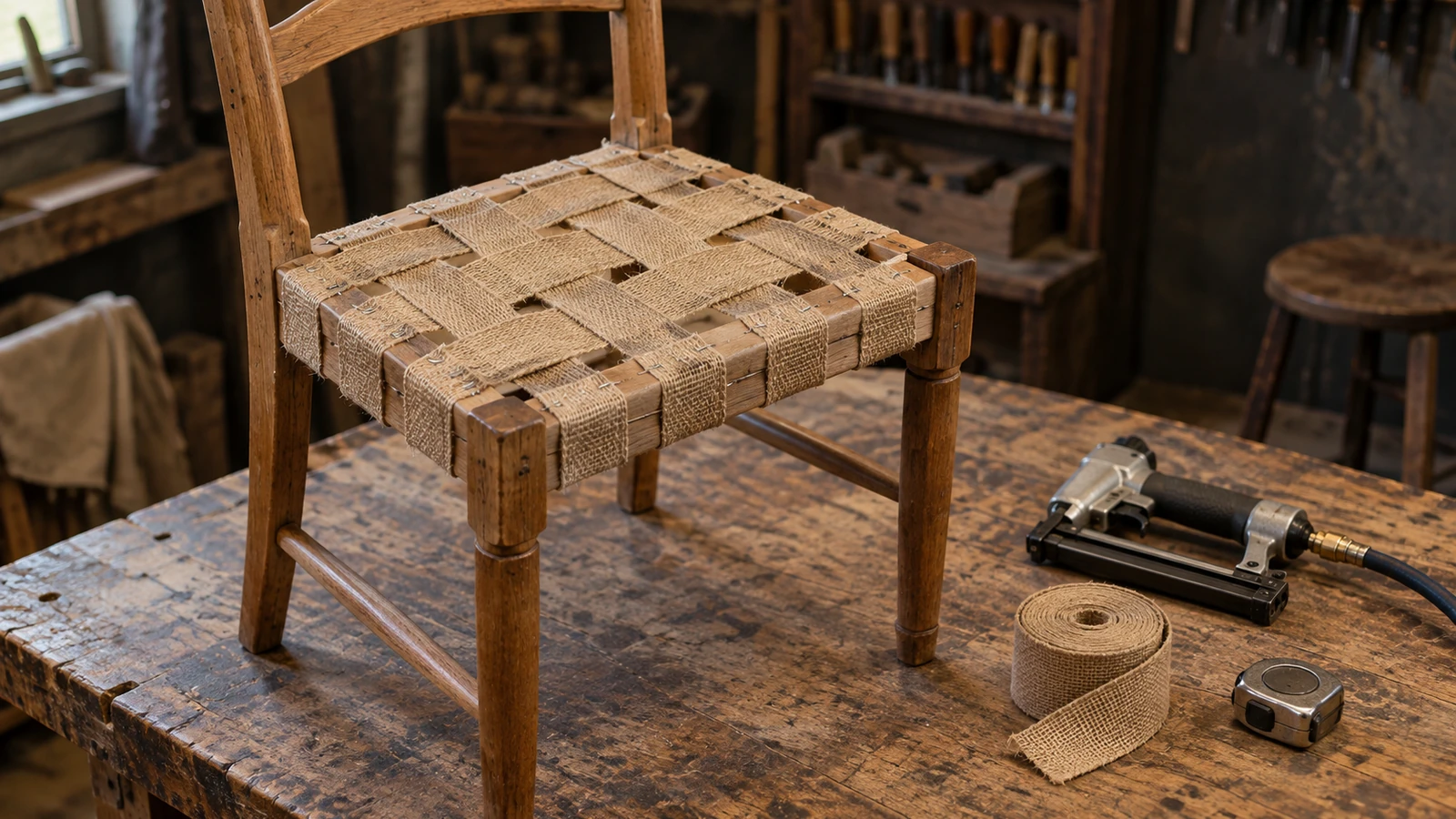

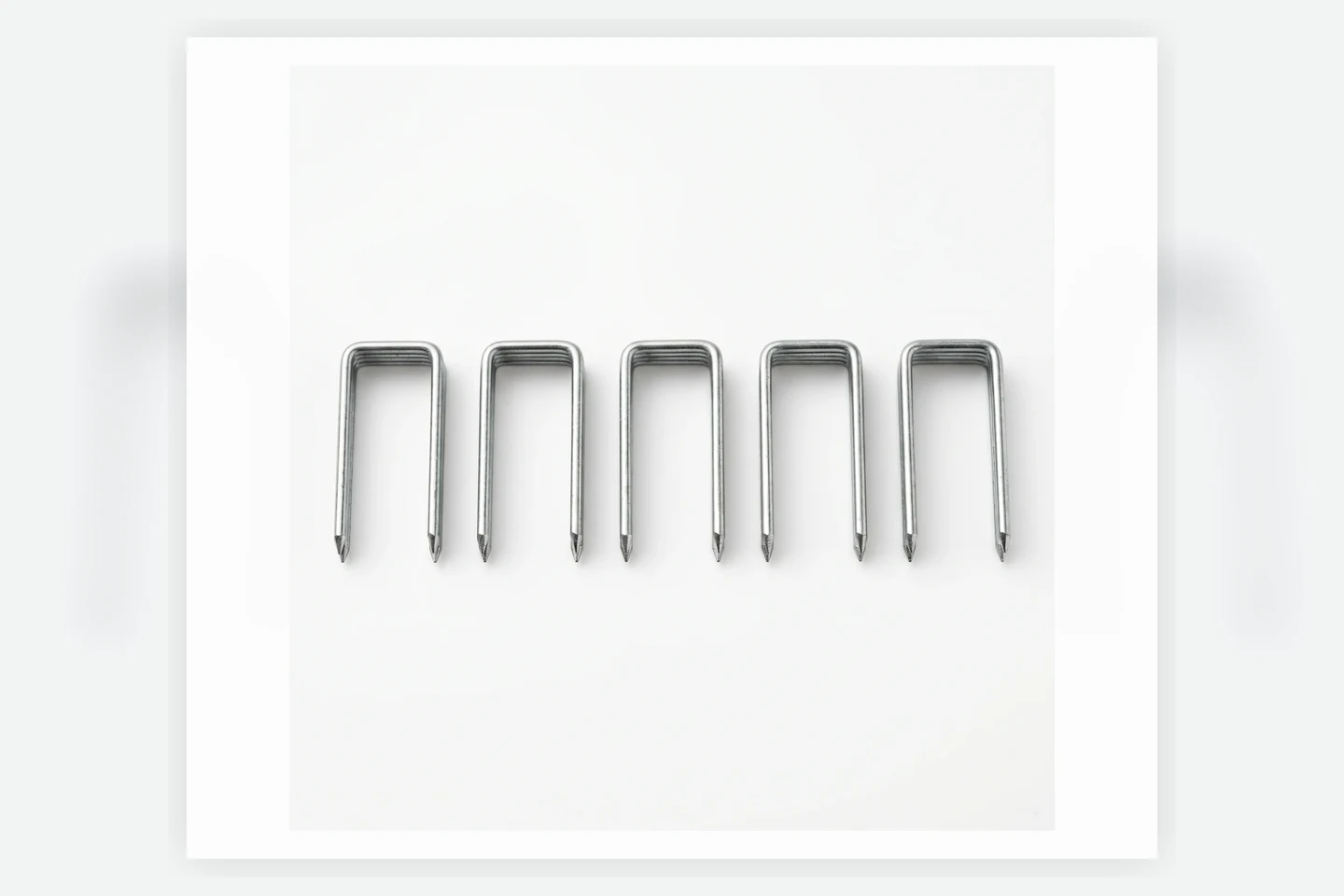
A staple pins supplier should never ask a buyer to approve an order from the words “staple pins” alone. That market term can cover different crown widths, wire dimensions or gauge families, leg lengths, points, finishes, collation formats, and tool systems. ProAirNails recommends beginning with a physical sample or controlled drawing and ending with a tool-and-material trial.
This article is for furniture, upholstery, cabinet, packaging, wooden-product, distribution, and OEM buyers. It is not for selecting a structural connection from a generic table; the application owner must define the load, substrate, safety factor, durability, and acceptance method.
Identify the staple before discussing price
The most expensive sourcing mistake is approving the wrong staple family because two products share a familiar series name. Send the nailer brand and model, existing carton, clear photographs, measured crown, leg length, wire dimensions where available, strip length, finish, point style, and application material. If the buyer is replacing a current product, retain accepted and rejected pieces.
A capable staple pins supplier will separate confirmed facts from assumptions. When dimensions or tool references are incomplete, the quotation should be conditional and samples should come before mass production.
Match the staple family to the buying task
| Application | Typical priority | Approval question |
|---|---|---|
| Upholstery and fabric attachment | Controlled crown mark and consistent penetration | Does the staple secure the layers without cutting or pulling through? |
| Furniture and cabinet components | Tool fit, holding, surface appearance, material splitting | Does the leg path remain controlled in the actual wood or panel? |
| Carton or packaging closure | Closure geometry, clinch where applicable, pack consistency | Does the system close the actual board without damaging contents? |
| Distributor assortment | Clear series mapping and low SKU confusion | Can labels connect each staple to supported tool models? |
| Unknown high-load connection | Engineering and specified fastener take priority | Has the responsible designer approved the connection and test? |
No table can choose the final staple without the tool and material. Crown width affects load distribution and visible marking; leg length affects available engagement; wire dimensions influence stiffness and tool fit. These relationships must be verified in the assembly.
Create a specification cross-reference
Use one controlled sheet that lists buyer SKU, supplier SKU, tool models, crown, wire, leg lengths, finish, point, collation, pieces per strip, pieces per box, label revision, and approved sample code. Add a photograph or dimensional sketch where series names differ between markets.
Ask the staple pins supplier which values are nominal, which are inspected, and which require an agreed tolerance. Do not copy a tolerance from an unrelated SKU. If a standard is contractual, identify its edition and the clauses that apply.
Run a representative sample approval
| Test area | Observe | Record |
|---|---|---|
| Magazine loading | Strip fit, follower movement, broken collation | Tool model, strip orientation, loading result |
| Feeding | Skips, doubles, jams, tilted presentation | Shot sequence and retained failed strip |
| Driving | Crown depth, leg bending, incomplete penetration | Material stack, settings, pace, result distribution |
| Finished assembly | Surface mark, fabric damage, split, pull-through, looseness | Acceptance criteria and control sample |
| Packaging | Loose strips, corrosion, mixed lengths, crushed cartons | Arrival condition, label, lot, box position |
Test more than the easiest material. Include the densest wood, thinnest visible face, layered fabric or board, edge positions, production speed, and any environmental condition that can reasonably affect storage or feeding. Change only one approved variable during comparisons.
Audit repeatability and complaint handling
Ask how the supplier checks crown geometry, parallel legs, cut points, finish, straightness, collation, strip count, and packing. Request an example inspection record and a traceability demonstration. If a customer reports crown breakage or bent legs, how does the supplier isolate the affected production and compare retained samples?
ProAirNails does not claim in this guide that every staple pin SKU has the same material, finish, tolerance, certificate, or production method. Those values should appear in the product-specific quotation and approval documents.
Plan packaging around thin collated products
Staple strips can arrive damaged even when the individual fasteners were made correctly. Define inner support, pieces per box, box orientation, master-carton strength, moisture protection, pallet stacking, maximum mixed-SKU plan, barcode location, and lot visibility. Review a packed sample, not only an empty printed box.
For distributors, make the tool relationship visible without overstating universal compatibility. A label can list confirmed series and models or direct the customer to a controlled compatibility chart. Similar-looking staples should have clearly different SKU codes and carton colors or layout if that reduces warehouse errors.
Compare the commercial offer with risk included
Evaluate minimum quantities by SKU, mixed-order rules, sample charges, artwork process, lead-time start point, production window, carton and pallet quantity, partial shipments, replacement terms, and change control. Calculate the cost of unusable strips, tool downtime, sorting, rework, emergency freight, and distributor returns.
The preferred staple pins supplier may not be the lowest line item. It is the source that can repeatedly deliver the approved fit, assembly result, identification, and packing with a credible response when something changes.
Send a complete RFQ
- Nailer brand, model, magazine reference, and accepted staple family
- Crown, wire dimensions or gauge, leg lengths, point, finish, and collation
- Application layers, material species or grade, thickness, and visible-face rule
- Expected holding or closure test and rejection criteria
- Pieces per strip, box, carton, pallet, and annual quantity by SKU
- Private-label artwork, barcode, languages, declarations, and destination
- Sample plan, retained control, change-notification, and complaint process
Ask the questions that expose an incomplete offer
Before choosing a staple pins supplier, ask which dimensions control tool fit, how the proposed series was matched to the nailer, which product features are inspected, how a lot is identified, what the sample represents, what can change without notice, how strip damage is prevented, how counts are verified, how complaints are traced, and which statements still need buyer confirmation.
Answers should point to a drawing, record, physical sample, tool reference, packaging specification, or quotation note. A confident verbal reply without a controllable reference may be useful background, but it should not become the purchase specification. Record exceptions openly so purchasing, quality, production, and the supplier approve the same product rather than four different interpretations.
Reference standards and tool safety separately
The ASTM F1667 page for driven fasteners is a useful standards reference when its scope matches the product and contract. Confirm the applicable edition and requirements rather than placing a generic ASTM claim on every carton. During pneumatic-tool trials, use the tool manual and the NIOSH nail gun safety guide for safety-program context.
Discuss the range with ProAirNails
Compare the ProAirNails air staple pin range, review the broader pneumatic fastener category, and check brad nails when the application may need a narrow finish fastener instead. Submit the tool, staple measurements, application, quantities, packing, and sample requirements through the ProAirNails inquiry page.
A specification-first staple pins supplier review prevents a familiar series name from becoming an expensive compatibility assumption.
FAQ
What does “staple pins” mean?
It is a broad market term for collated staples used in pneumatic or other stapling systems. It does not define crown, wire, leg, point, finish, or tool compatibility.
What measurements should I provide?
Provide crown width, leg length, wire dimensions where possible, point, finish, strip format, pieces per strip, and a supported tool model or physical sample.
Can two staple series with similar names be different?
Yes. Series naming varies by market and supplier. Use dimensions, tool references, and approved samples as the controlling identification.
How do I test staple compatibility?
Check loading, follower movement, feeding, drive depth, crown condition, leg path, surface damage, holding or closure result, and consistency in representative materials.
Why do staple legs bend?
Possible contributors include material resistance, grain, hard inclusions, angle, support, incorrect length, damaged staples, tool condition, or an unsuitable tool-fastener combination.
What packaging protects staple strips?
Use supported inner boxes, controlled counts, strong master cartons, moisture protection, clear SKU separation, visible lot codes, and a pallet plan validated for handling.
Should a supplier provide a compatibility chart?
A controlled chart is useful, but it should state the basis and revision. The buyer should still approve the product in the actual tool and application.
Can one staple cover upholstery and wood assembly?
Sometimes a product may work in both, but fabric damage, crown marking, penetration, holding, and tool requirements differ. Validate each application separately.
When is a new sample required?
Request reapproval after relevant changes to dimensions, material, finish, collation, packing, production route, tool, application material, or quality criteria.
What makes supplier quotations comparable?
Issue one specification and require each supplier to identify compliance, exceptions, samples, packing, documents, lead-time basis, change control, and total delivered cost.