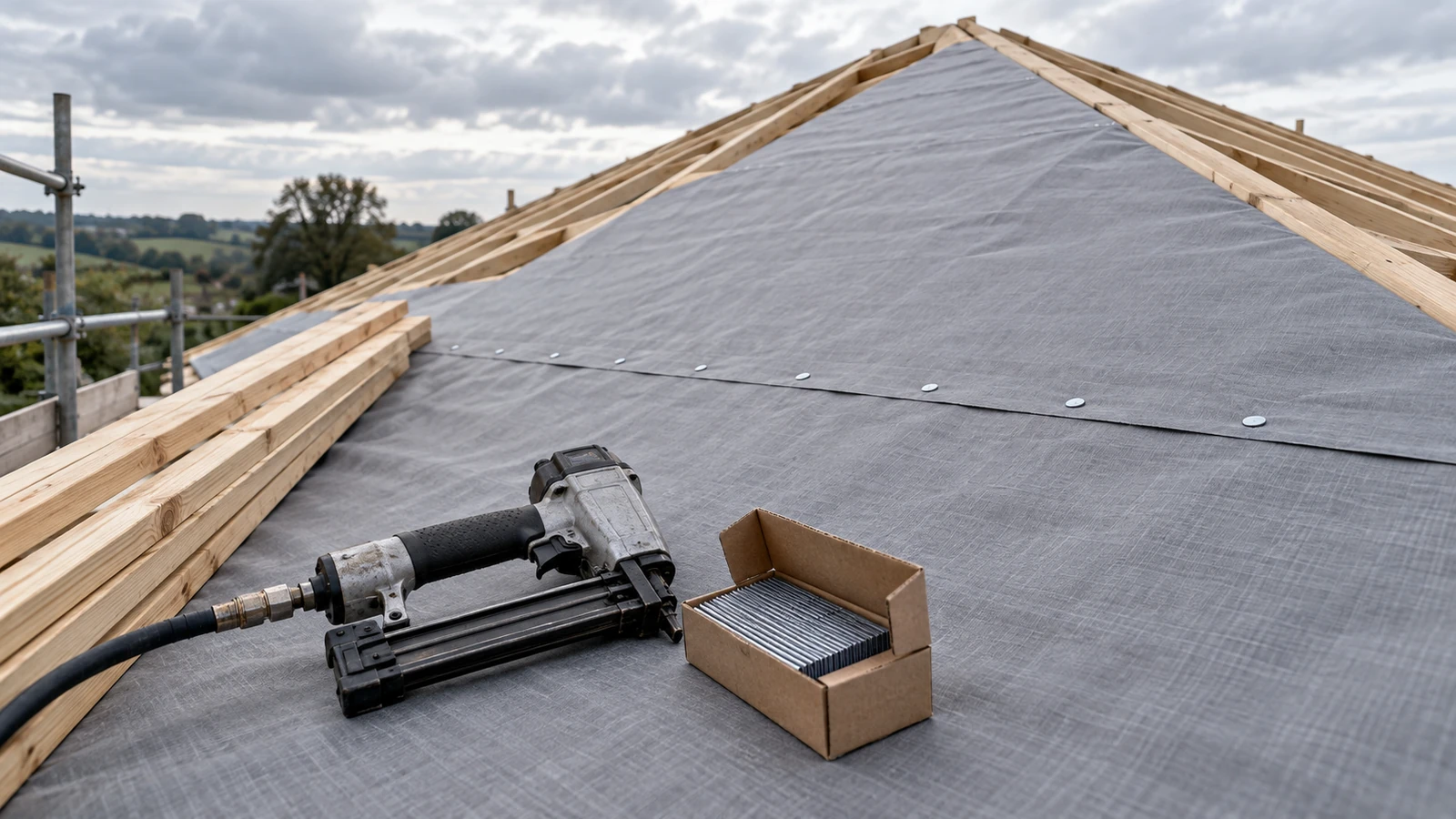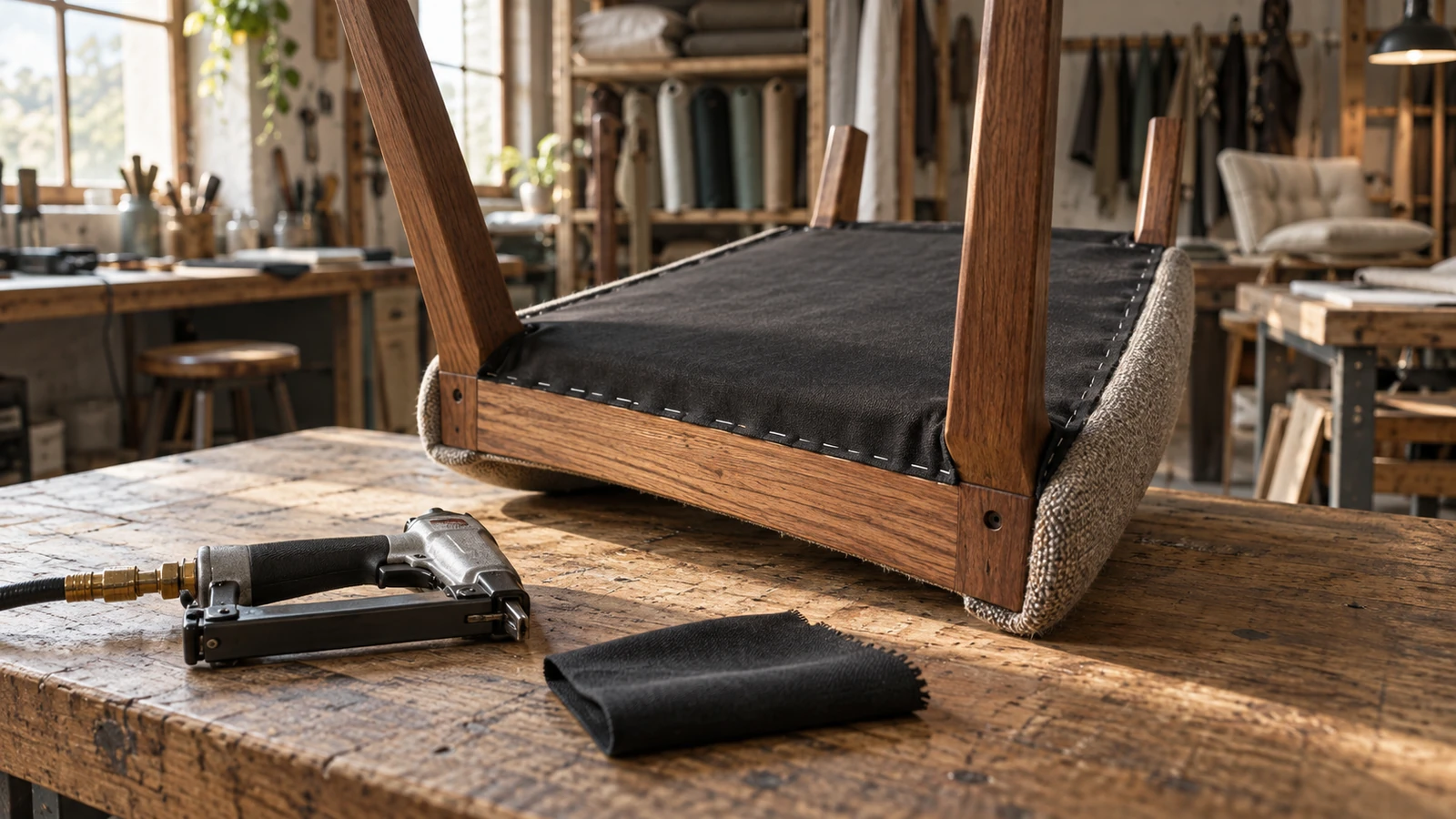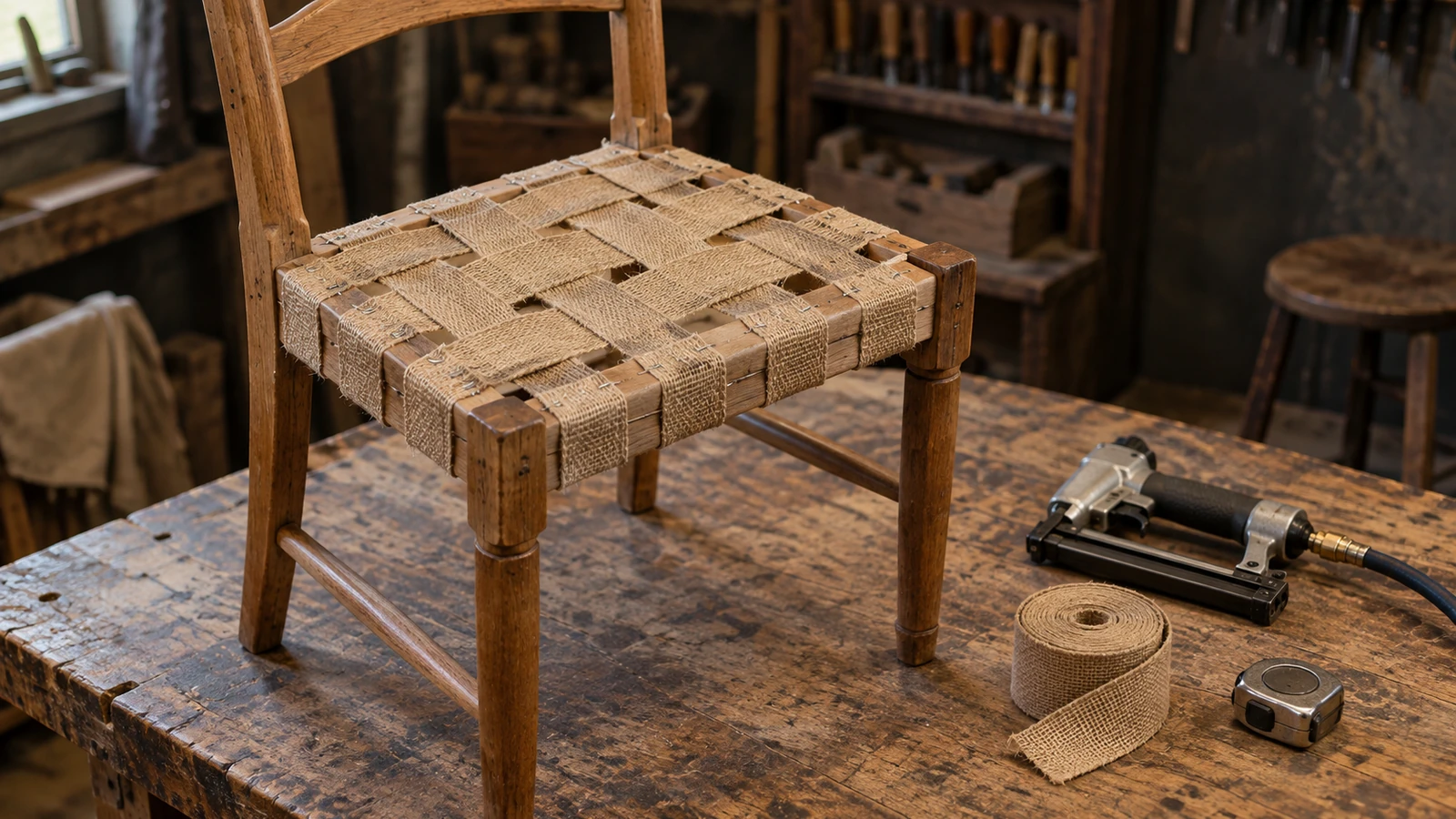

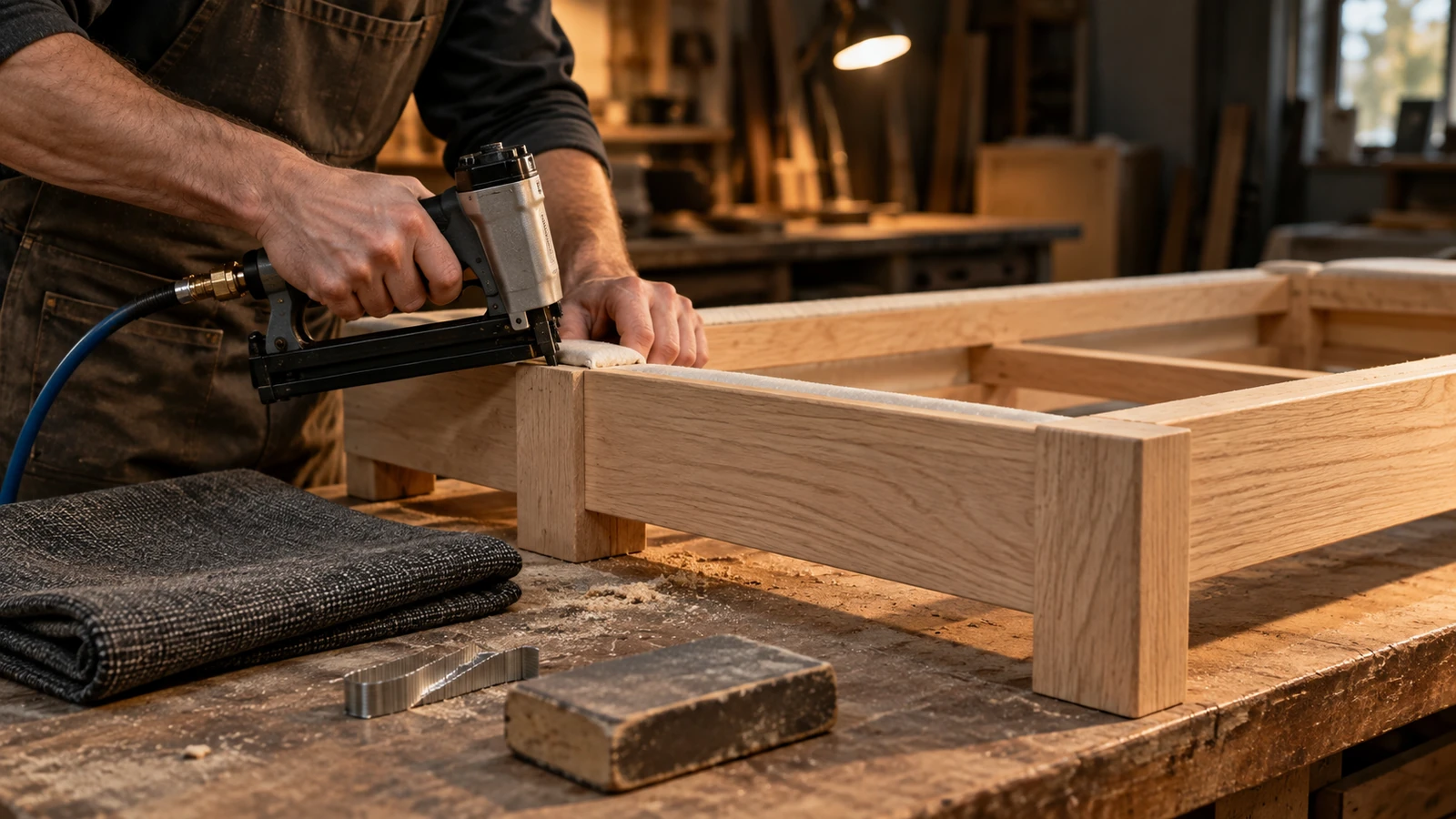
A box spring frame is loaded from above and handled from below, and most staple choices are made for the wrong one of those two situations. The fabric has to stay attached while someone kneels on the foundation, and it also has to survive being dragged across a warehouse floor, tipped on its side and pushed through a doorway.
Staples for box spring frames sit at the meeting point of timber, wire and textile, which is why a specification that looks generous in one material can behave poorly in the next. ProAirNails supplies staples into bedding and furniture assembly, and the questions that come back from those plants are rarely about price. This article follows the load from the top surface to the rail and back down through the handling that happens before the product is ever used.
A box spring is a frame under load from the day it leaves the line
By the time a foundation reaches a bedroom it has already been stacked, strapped, lifted and slid. Each of those events puts a load into a corner joint that was assembled on a bench in a few seconds, and staples for box spring frames are part of what carries it.
Thinking about the distribution chain rather than the bedroom changes the questions. Which corners take the strap? Where does the frame sit on a forklift? Which edges are used as handles? The joint that is damaged in transit is rarely the joint that is discussed in the design review.
Tracing the load through a bed frame
Standing above a foundation, the load path is short. A person's weight goes into the spring unit or the deck, into the slats or the frame members, and out to the rails and the corner blocks. The staples are not usually carrying the primary structure; they are holding the parts that keep the structure aligned and the surfaces in place.
That distinction matters, because it tells you which staples are structural in effect and which are cover, and it is the reason a single line item for staples for box spring frames rarely describes what the line actually runs. A staple that holds the fabric along a rail has to resist a peeling action. A staple that holds a corner block has to resist shear and a racking force, and it needs a different shank.
Staples for box spring frames: crown, leg and what sits behind them
Crown width spreads the load over the fabric or the joint face. A narrow crown concentrates pressure and can cut into a woven material, while a wide crown spreads the same force and holds better against a rail. Leg length has to reach sound material; a leg that stops inside a softwood surface layer has nothing to grip when the frame racks.
The material behind the crown is the third variable and the one most often left to luck. Staple legs that run parallel to the grain close to the end of a rail cause splits, and a split rail releases the staple rather than the other way round.
Where these staples actually fail
Failures tend to cluster in four places, and the pattern repeats across plants that never speak to each other.
| Failure | What causes it | What to check |
|---|---|---|
| Crown pulls through the fabric | Narrow crown or excessive tension at the fixing point | Crown width against the fabric and the tension used when wrapping |
| Leg pulls out of the rail | Short leg, hard timber, or a shank without grip | Leg length into sound material and the shank type for the species |
| Crack along the rail end | Staples placed too close to the end or too near an edge | End distance and the pattern across the width of the member |
| Fabric tears beside a fixing | Pressure set too high or crown edges left sharp | Tool pressure and the countersink behaviour of the staple |
Staple pattern by joint
Pattern is the tool the assembler actually controls, and it should be written down rather than left to habit. A pattern is easier to train, easier to inspect and easier to correct than a description of holding power, which is why ProAirNails asks for the pattern rather than the staple count on a bedding enquiry.
| Joint | Pattern that usually works | Note |
|---|---|---|
| Fabric along a rail | Evenly spaced staples, angled with the wrap direction | Keep the spacing consistent so tension is even |
| Dust cover under the frame | Wider spacing, lighter gauge | The cover carries almost no load, so do not over-fix it |
| Corner block to rail | Two or three staples per face, set back from the end | This joint resists racking, so shank matters more than count |
| Spring unit to frame | Pattern set by the unit supplier | Follow the unit detail rather than the bench habit |
Fabric tension and the parts that pull staples out
Fabric is the only part of the assembly that tries to remove its own fixings. A cover stretched hard and fixed in the middle of its span loads every staple in peel, and peel is the weakest direction a staple has.
Wrapping in a consistent direction, fixing from the centre outward and finishing at the corners all reduce that load. The same principles appear in bedding and furniture standards work, and the BIFMA furniture standards programme is a reasonable reference point for how durability expectations are framed for the industry.
Trial frames and the record they should leave
A trial frame is the cheapest instrument in the plant. It costs an hour and it answers questions that a specification cannot, because the timber, the fabric and the operator all belong to the plant.
- Build one frame with the intended staples for box spring frames, the chosen pattern and the tool pressure, then rack it by hand and look for movement.
- Photograph each joint before and after the racking test, with a tape measure in the frame.
- Record the staple series, crown width, leg length, shank and the tool setting used.
- Tip the frame onto the corner that takes the strap in transit and repeat the inspection.
- Keep the trial record with the order so a repeat delivery can be compared rather than re-argued.
Safety and flammability are separate questions
A well-fixed frame says nothing about whether the finished product meets the requirements that apply to bedding. Those obligations sit with the product and the market it is sold into: in the United States, for example, mattress flammability is regulated under 16 CFR Part 1633, and a staple pattern does not satisfy it.
It is worth being clear about the limit here. Fastening advice can make a frame hold together and behave consistently on a line. It cannot certify a product, and a supplier that implies otherwise has stepped outside its own subject.
FAQ
What crown width works for staples for box spring frames?
Wide enough to spread the load across the fabric or joint face without cutting it. Woven covers usually want more crown than a non-woven dust cover.
How long should the legs be?
Long enough to reach sound material and grip it, but short enough that they do not emerge on a visible face or split an end.
Do corner blocks need a different staple from fabric?
Usually yes. Corner blocks resist racking, so the shank and pattern matter more than they do for a cover.
Why does fabric tear beside a staple?
Most often excess tool pressure, a sharp crown edge, or a staple placed where the fabric is already under high tension.
Is a higher staple count always better?
No. Beyond a point, extra staples add splits and production time without adding holding power.
How do I stop rails splitting at the ends?
Keep fixings back from the end, spread them across the width, and check the pattern against the grain direction.
What should a trial frame prove?
That the intended staple, pattern and pressure hold the joints under handling loads without marking the fabric or splitting the timber.
Does the spring unit change the fixing detail?
It can. Where the unit supplier publishes a fixing detail, that detail belongs in the specification rather than the bench habit.
How is tool pressure set?
By driving into an offcut of the same rail material until the crown sits flush without crushing the surface.
What should accompany a sample?
The joint, the species, the fabric, the tool, the pressure and the pattern you intend to run.
What to send with the sample
A sample strip on its own answers almost nothing. Send the rail species and thickness, the fabric type, the tool and pressure, and a photograph of the joint, and the answer can be a staple and a pattern rather than a box of pins. ProAirNails supplies pneumatic staplers, staple pins and pneumatic nails into furniture assembly, and a trial frame with the right staples for box spring frames on it is the fastest way to settle a specification. Send the detail through Contact Us.