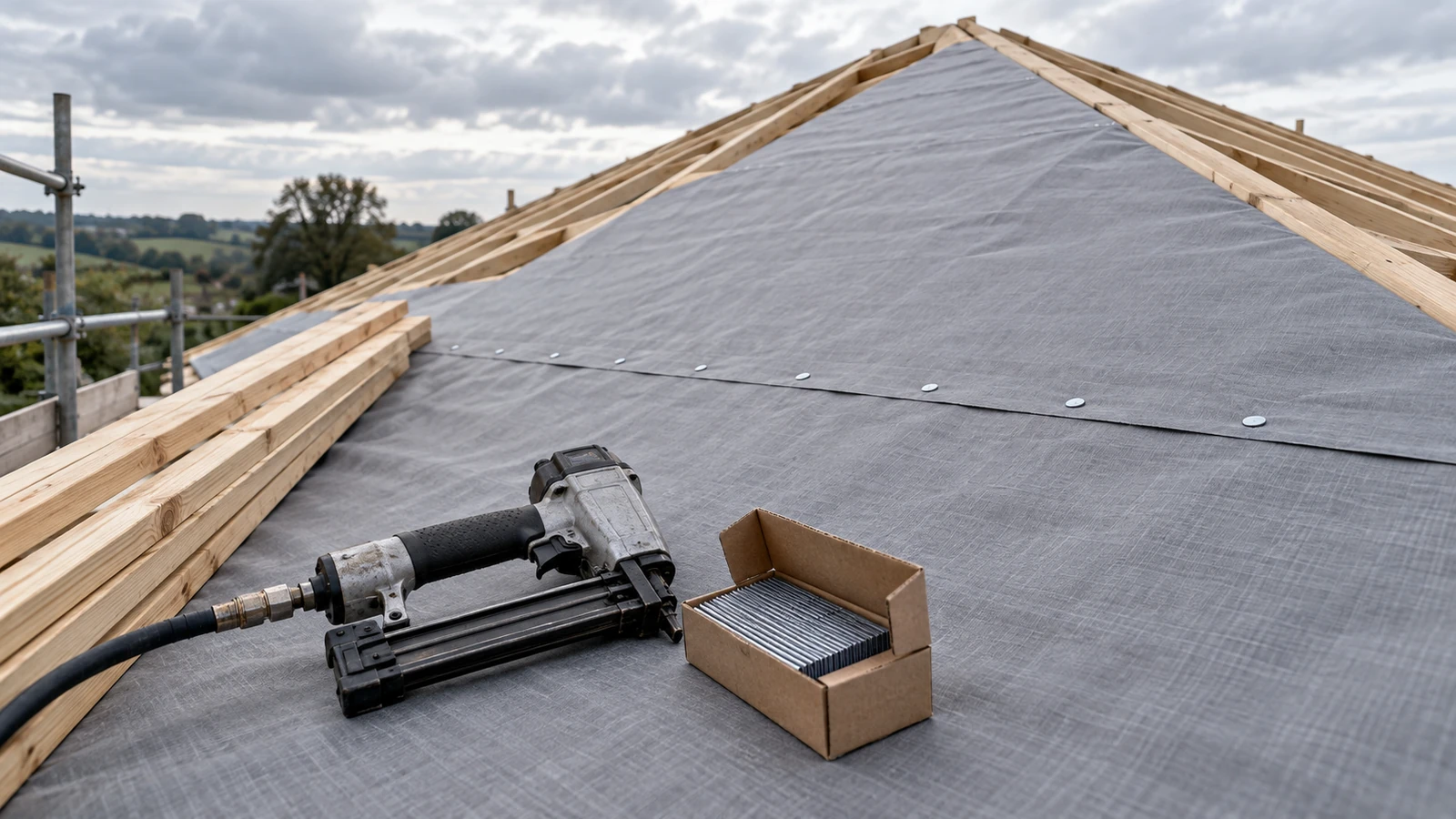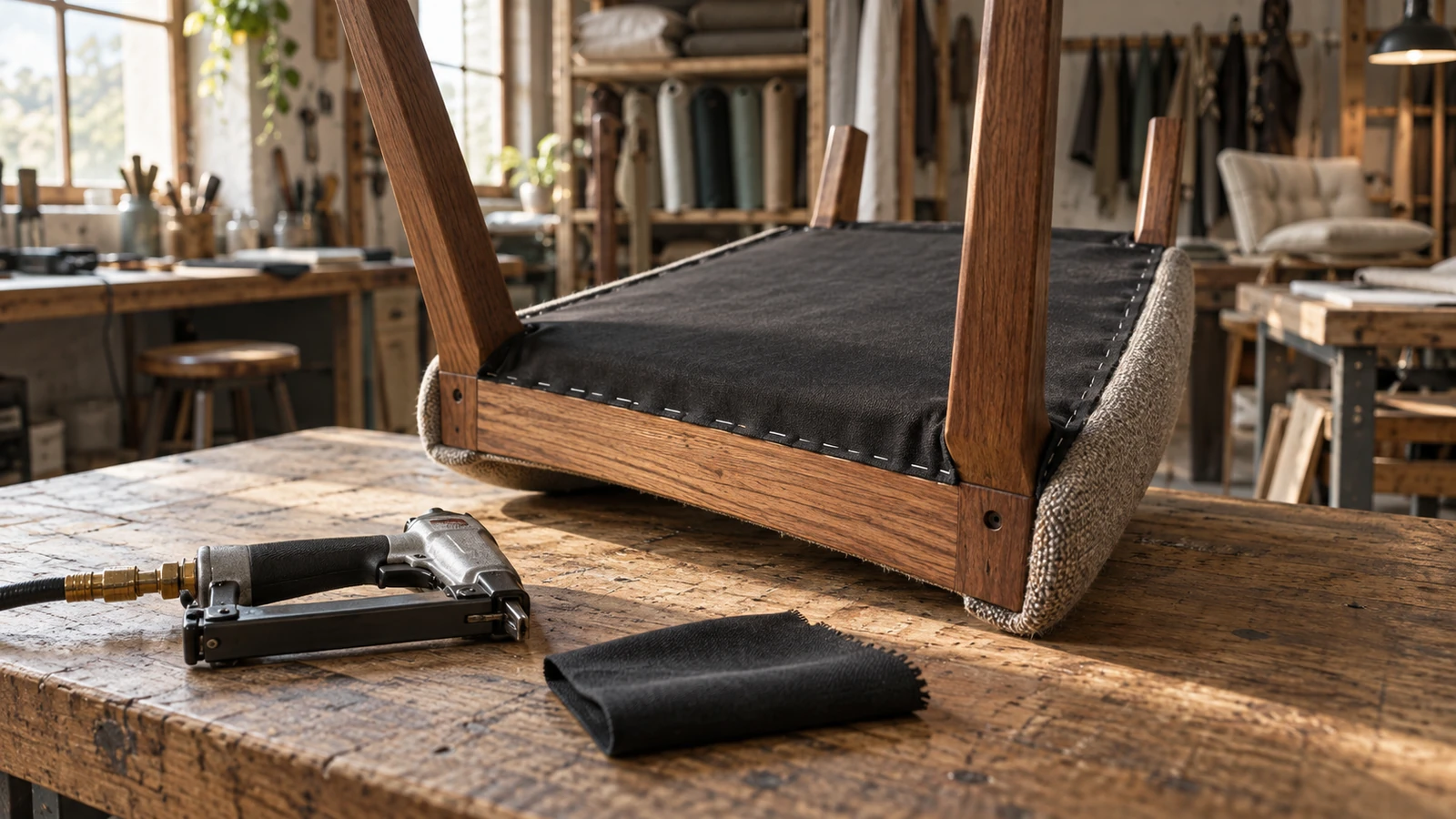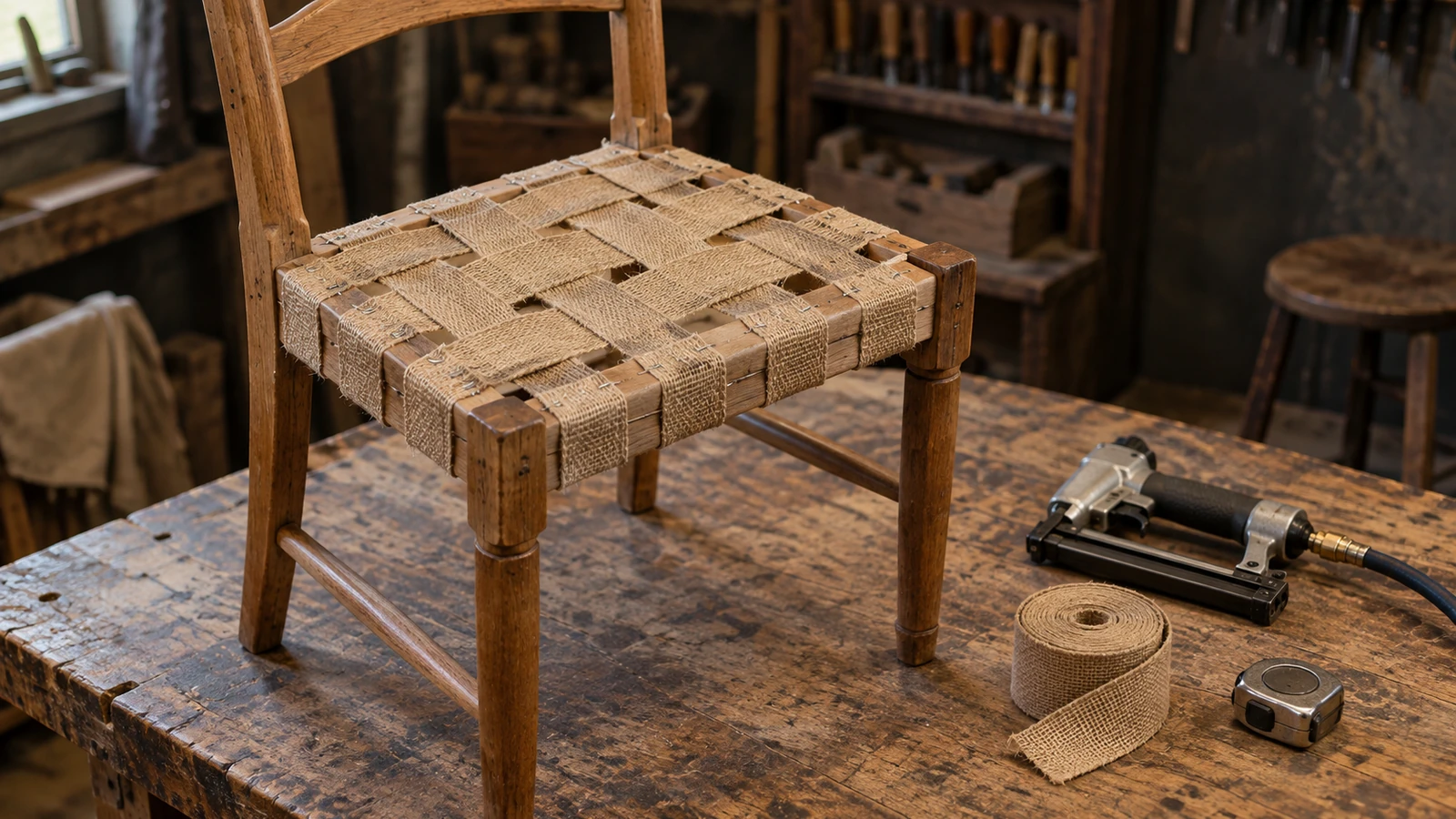

Approve staples for cabinet back panels by measuring cabinet square before fastening, after the fastening sequence, after handling, and after representative loading or installation steps. The back can locate the case, resist racking, close a dust barrier, or simply cover an opening; its role must be defined.
ProAirNails recommends a complete cabinet trial because a staple strip can feed well while the panel shifts, the case racks, or a hidden leg approaches an interior surface.
Define the back panel's role
Record cabinet type, case material, back material, thickness, groove or rabbet, edge support, adhesive, fastener role, hardware, shelves, mounting, finish, and design requirements. State which function is structural, locating, protective, or cosmetic.
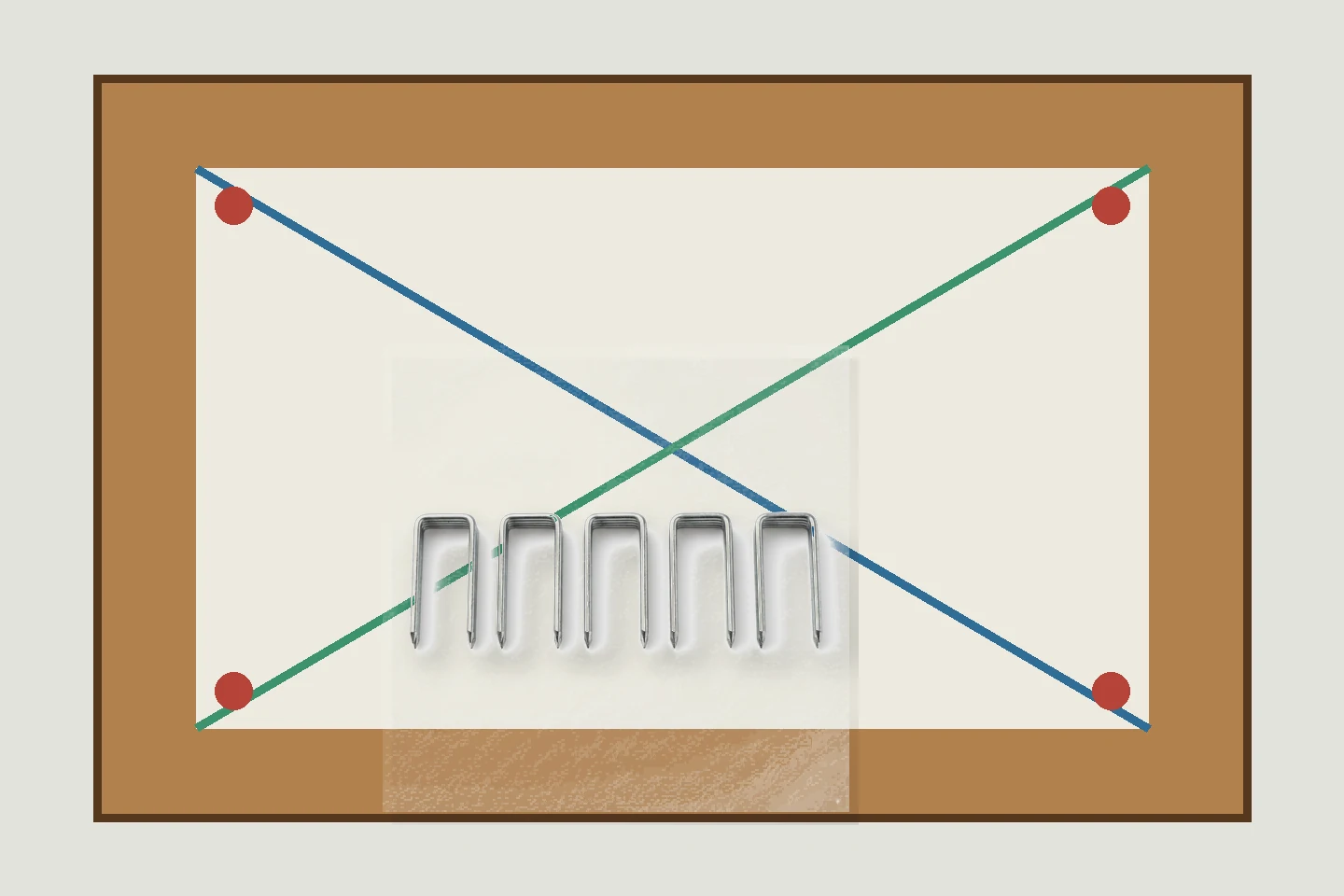
Use diagonals as the first baseline
| Stage | Measure | Decision |
|---|---|---|
| Dry fit | Diagonals, gaps, panel fit | Ready to fasten? |
| Initial locations | Movement and alignment | Sequence working? |
| Complete pattern | Diagonals and edge fit | Cabinet accepted? |
| Handling | Racking and panel movement | Process repeatable? |
Use an agreed measurement method and tolerance from the product owner. Do not use extra staples to force an incorrectly cut or poorly fitted case into square.
Separate groove and overlay routes
A captured groove, rabbet, recessed back, and surface-applied back create different edge support, access, crown placement, leg path, and appearance. Approve each route independently.
Inspect crown and leg paths
| Fastener result | Observe | Risk |
|---|---|---|
| Crown | Flat, tilted, overdriven | Panel cutting or looseness |
| Legs | Parallel, deflected, exposed | Interior hazard or weak path |
| Case edge | Split, bulge, breakout | Reduced margin |
| Panel | Crush, tear, movement | Appearance and function |
Section representative corners, narrow rails, grooves, or composite edges where appropriate and preserve sample identity.
Build the fastening-sequence trial
Compare only product-owner-approved sequences. Record first locations, direction of work, spacing, tool angle, support, adhesive timing, and diagonal change after each stage. Include shelves or stretchers when they affect case stability.
- Mark every intended staple location.
- Count missing and misplaced fasteners.
- Record cabinet diagonals by stage.
- Inspect all interior and exterior surfaces.
- Retain accepted and failed corner samples.
Count tool and feed performance
Test named tools and approved settings at production pace. Count loading problems, skips, doubles, jams, incomplete drives, tilted crowns, tool dents, damaged panels, and rework. Follow tool instructions and consult the NIOSH nail gun safety guide.
Challenge handling and later operations
Move, stack, pack, unpack, install hardware, mount where applicable, and apply qualified loads defined by the product owner. Recheck diagonals, gaps, panel movement, exposed metal, and finish damage. Fastener trials do not replace engineering or furniture safety requirements.
Scale the sample across cabinet families
Include representative sizes, materials, back routes, shelves, hardware, tools, operators, shifts, and lots. Increase coverage where a hidden exposed leg or lost square would be difficult to detect after delivery.
The sample plan for staples for cabinet back panels should define hold boundaries, retest, conditional release, and authority.
Protect supply and receiving
Control series, crown, wire, leg, point, finish, collation, strip count, packing support, labels, and lots. At receipt, inspect strips from multiple boxes and repeat a short cabinet-square confirmation.
The ASTM F1667 page may support applicable fastener requirements but does not approve a cabinet design.
Review usable yield before reorder
Track accepted cabinets, diagonal corrections, panel rework, exposed legs, feed events, downtime, packing damage, shortages, and complaints. Compare the first order and reorder with the approval baseline.
This makes staples for cabinet back panels a cost-per-square-cabinet decision.
Release the first production group by diagonal trend
Do not inspect only one showcase cabinet. Select ordinary units across sizes, shifts, material lots, tools, and operators. Record diagonals at dry fit, after initial locations, after the complete pattern, and after handling. Plot or compare the direction and size of change so repeated sequence or fixture effects become visible.
Define containment for an exposed leg
If a leg exits an interior, edge, or back surface, hold the evidence-based scope: since the last accepted check, by box, staple lot, tool, cabinet family, shift, or another justified boundary. Preserve the failed unit, strip, tool condition, material identity, and surrounding inspection results before repair.
Separate square correction from cosmetic repair
Filler, touch-up, or back-panel replacement can address appearance but does not prove the case remains square or the fastening sequence is controlled. Repeat diagonal, gap, path, and handling checks after correction. Record who authorizes release and whether the cause affects other cabinets.
Define the trial limit
The trial cannot prove every cabinet, load, installation, material lot, or future process. Preserve approved samples, dimensions, photographs, specification, and deviations; reopen affected checks after relevant changes. Name and date the release authority. Preserve reviewer identity.
Request a ProAirNails cabinet-back sample
Review ProAirNails air staple pins, the pneumatic range, and related brad nails. Send cabinet drawings, back route, tools, volume, packing, and criteria through the inquiry page.
Reliable staples for cabinet back panels preserve square while keeping every crown and leg controlled.
FAQ
Why measure cabinet diagonals?
Diagonal comparison provides a practical controlled signal of case square before, during, and after fastening.
Does the back panel always carry structure?
No. Its role may be structural, locating, protective, cosmetic, or combined and must be defined by the product owner.
Why separate groove and overlay backs?
They differ in support, access, crown placement, leg path, panel movement, and appearance.
Which staple defects matter?
Record tilted or overdriven crowns, deflected or exposed legs, splitting, bulging, breakout, panel cutting, and movement.
What belongs in a sequence trial?
Record first locations, direction, spacing, angle, support, adhesive timing, diagonals, fastener events, and final square.
Why test handling?
Moving, stacking, hardware installation, packing, and mounting can expose racking or panel movement missed at assembly.
What tool events should be counted?
Count loading, skips, doubles, jams, incomplete drives, tilted crowns, tool damage, rework, and downtime.
When is a received lot releasable?
Identity, dimensions, collation, packing, feed, cabinet square, crown, leg, and panel results must match approval.
What triggers reapproval?
Review changes to cabinet, back, groove, adhesive, staple, collation, site, tool, sequence, pack, or criteria.
What supports a quotation?
Send cabinet drawings, materials, back route, fastener role, tools, volumes, packing, destination, and acceptance rules.