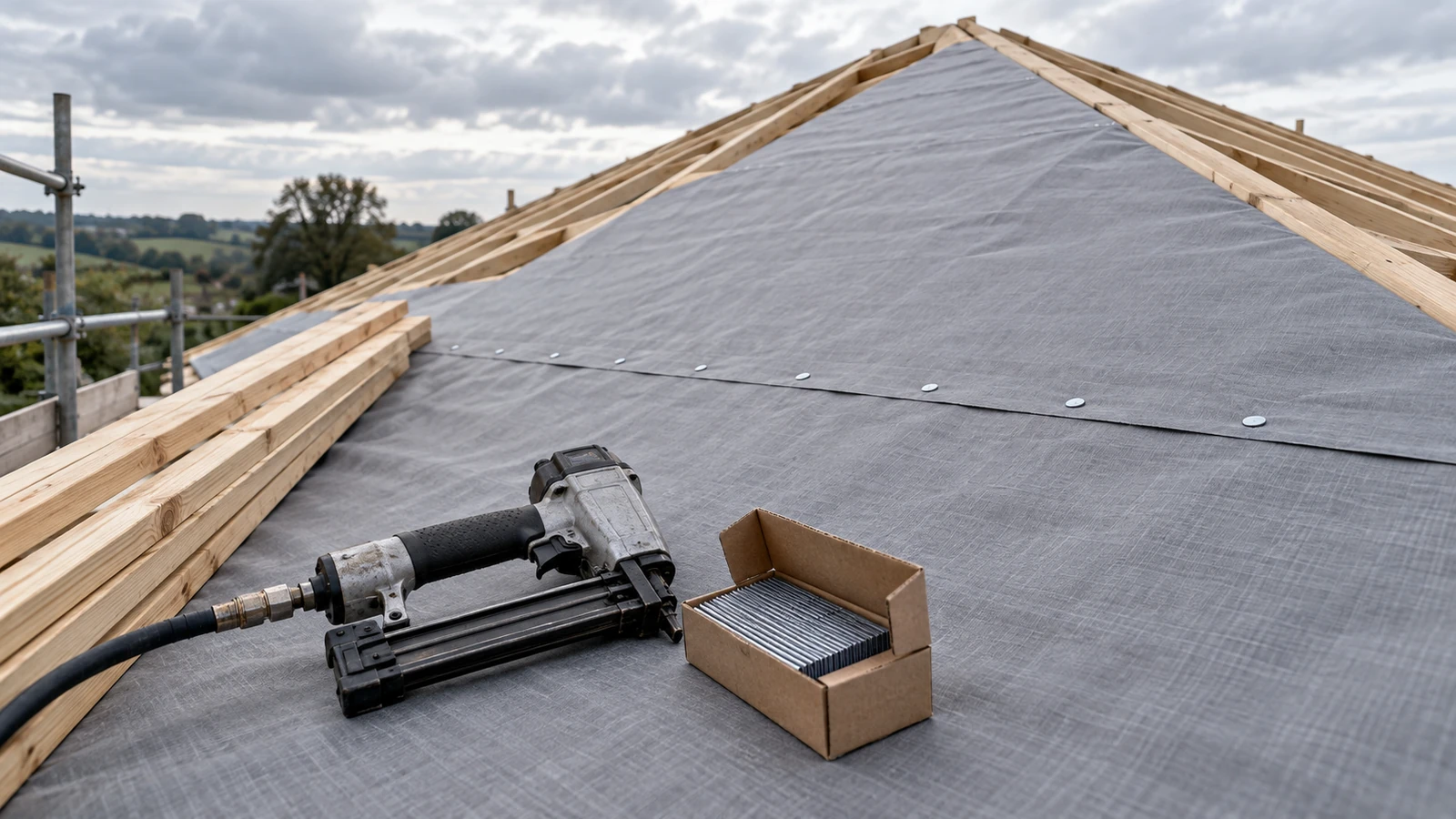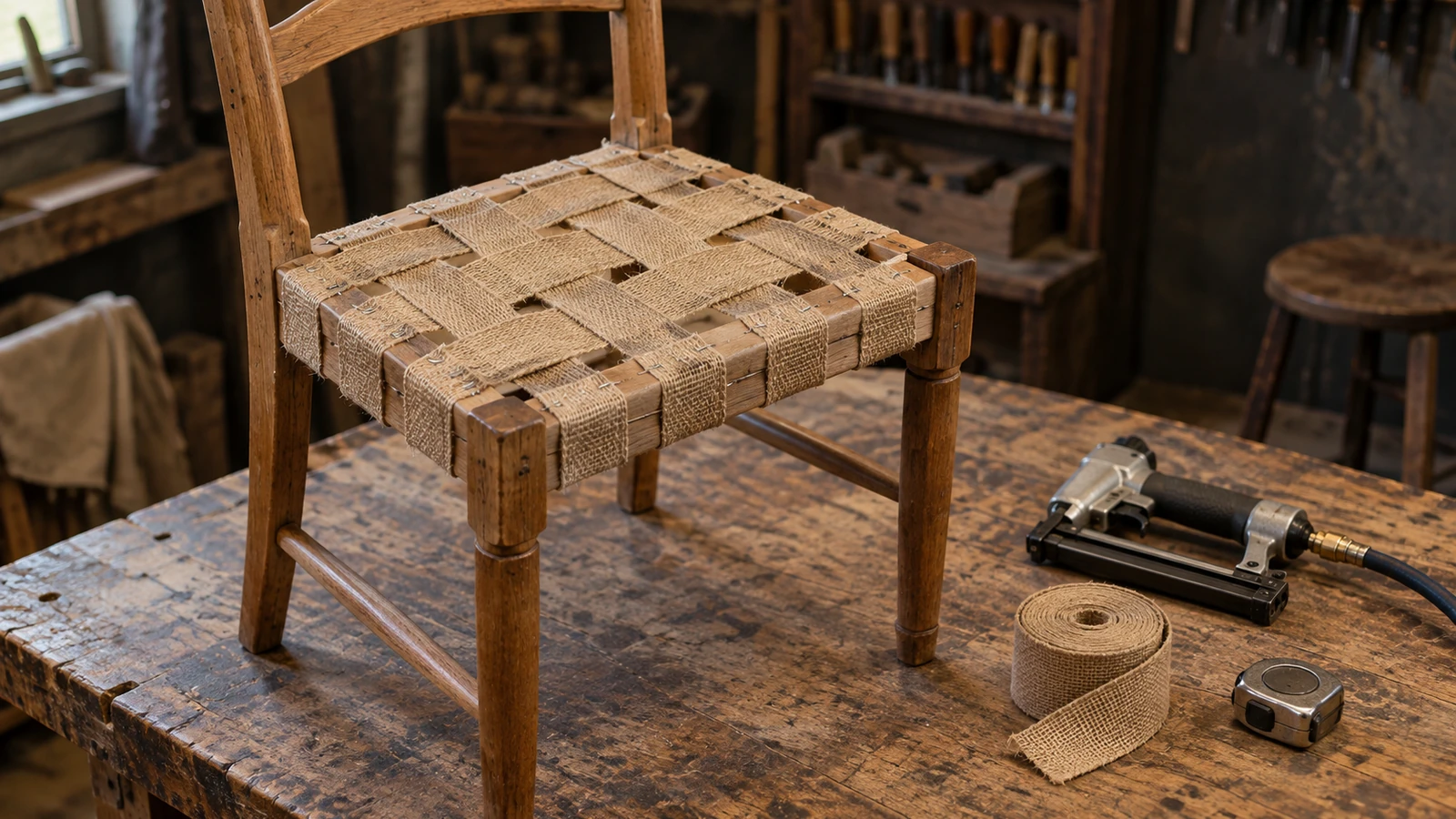


Approve staples for mattress manufacturing by production zone rather than by one generic drive test. Frame or border work, insulation layers, fabric attachment, corner construction, and packaging-related operations can use different materials, tools, access, closure needs, and acceptance rules.
ProAirNails recommends mapping the actual mattress route so a staple approved in a rigid test block is not assumed suitable beside foam, fabric, wire, wood, or compressed layered materials.
Zone 1: map rigid support connections
Where staples attach to wood or another rigid support, define crown, wire, leg length, point, finish, entry angle, penetration, edge distance, and support. Record splitting, incomplete drive, crown damage, pull-through, and material movement.
Zone 2: protect insulation and barrier layers
Identify every layer, thickness, compression, and whether the crown can cut or concentrate load. Check attachment stability without assuming a deeper drive is better. Retain accepted assemblies after normal handling.
Zone 3: control fabric attachment
| Evidence | Observe | Risk |
|---|---|---|
| Crown contact | Flat, tilted, overdriven | Cut fabric or visible ridge |
| Leg path | Parallel, deflected, exposed | Weak hold or injury hazard |
| Tension | Normal and challenge range | Puckering or pull-through |
| Finish | Surface and environmental fit | Staining or corrosion |
Use the real fabric direction, folds, seams, and padding support. A flat coupon does not represent a tensioned corner.
Zone 4: challenge corners and transitions
Corners combine multiple layers, narrow access, changing angles, and operator hand position. Test the approved tool nose, work support, spacing, and sequence. Inspect hidden legs and any location that could approach a user-contact surface.
Zone 5: verify temporary and packaging tasks
Temporary attachment, wrapping, tags, or protective packaging may need a different staple and removal rule. Prevent a temporary fastener from being confused with a product-critical one through codes, colors, storage, and line clearance.
Build one zone control matrix
| Zone field | Define | Release evidence |
|---|---|---|
| Product | Series, crown, wire, leg, finish | Specification and sample |
| Tool | Model, nose, operating window | Feed and drive trial |
| Stack | Materials, order, thickness, tension | Representative assembly |
| Result | Closure, damage, stability, exposure | Measured acceptance |
Keep each zone's approval independent while using one shared format for identity, evidence, and change control.
Measure usable yield at production pace
Count good strips, loading issues, skips, doubles, jams, tilted crowns, incomplete drives, cut materials, exposed legs, rework, downtime, and accepted units. Report rates against defined drives or output.
- Use normal operators and shifts.
- Include realistic replenishment and strip handling.
- Test relevant material variation.
- Record tool maintenance condition.
- Separate product, tool, material, and setup causes.
Keep safety inside the approval route
Follow every tool manual, fixture requirement, and workplace procedure. The NIOSH nail gun safety guide provides broader context; it does not replace site-specific controls or training.
Protect staple strips through logistics
Specify strip support, count, inner box, carton, labels, lots, pallet separation, moisture protection, and handling. Repeat zone checks after representative transport exposure. Use the ICC Incoterms resource to clarify international responsibilities where applicable.
Plan samples around shifts and material lots
Choose enough drives to represent every approved zone, tool model, operator group, material stack, and normal setup range. Sample ordinary strips from several boxes rather than using only hand-selected pieces. Increase coverage for user-contact locations or failures that are difficult to detect after upholstery closes the assembly.
A sample plan for staples for mattress manufacturing should state drive counts, defect definitions, hold boundaries, and who may release each zone.
Use first-order data to set the reorder
Review accepted output, feed events, damaged layers, exposed legs, repair, sorting, downtime, carton condition, shortages, and response time by zone. Compare the first shipment with pilot evidence and retain representative accepted and failed assemblies.
This prevents staples for mattress manufacturing from being reordered only because the unit price and delivery date were acceptable.
Define the approval limitation
A five-zone plan cannot prove every mattress design, material supplier, future lot, or tool condition. New stacks, finishes, tools, sites, or safety-related observations must reopen affected zones. Purchasing controls the ordered configuration and commercial exceptions; quality controls evidence and release; receiving protects box and lot identity; maintenance records tool condition; production reports yield and zone failures. Each exception needs an owner, due date, affected material, required evidence, and authorized disposition. Use approved, conditional, held, reworked, or rejected status instead of an informal verbal release.
The ASTM F1667 page may inform applicable fastener requirements, but it does not approve a complete mattress assembly. Retain the approved zone matrix with the current product specification so later reviewers can distinguish a controlled change from an undocumented substitution.
Build a ProAirNails zone sample
Review ProAirNails air staple pins, the wider pneumatic range, and related brad nails. Send zone stacks, tools, volumes, packing, and criteria through the inquiry page.
Reliable staples for mattress manufacturing earn approval in every zone where they will actually be used.
FAQ
Why divide mattress assembly into zones?
Materials, access, tool position, closure, comfort exposure, holding needs, and failure consequences change across production tasks.
What should a fabric attachment test measure?
Measure crown position, leg path, tension response, pull-through, cutting, puckering, exposure, stability, and visible appearance.
Why are corners a separate zone?
Corners combine more layers, tension, folds, narrow access, changing angles, and higher risk of hidden fastener exposure.
Should temporary staples use the same code?
No. Use distinct identity, storage, line clearance, and removal rules to prevent confusion with product-critical staples.
How is usable yield calculated?
Compare accepted output with total strips and drives while including jams, skips, damage, rework, sorting, and downtime.
Which product details require control?
Control series, crown, wire, leg, point, finish, collation, strip count, box count, production route, and lot identity.
What packing damage matters?
Broken strips, shifted collation, mixed sizes, abrasion, corrosion, shortages, and label loss can affect feed and receiving.
When should a zone be reapproved?
Reapprove after relevant changes to product, process, site, tool, nose, setting, material stack, tension, packing, or criteria.
Can one standard approve the application?
No. Applicable standards support requirements, but actual zone trials must establish tool, material, closure, and safety results.
What should a mattress producer send?
Send zone descriptions, material stacks, tools, current staples, volumes, failures, packs, destinations, and acceptance rules.