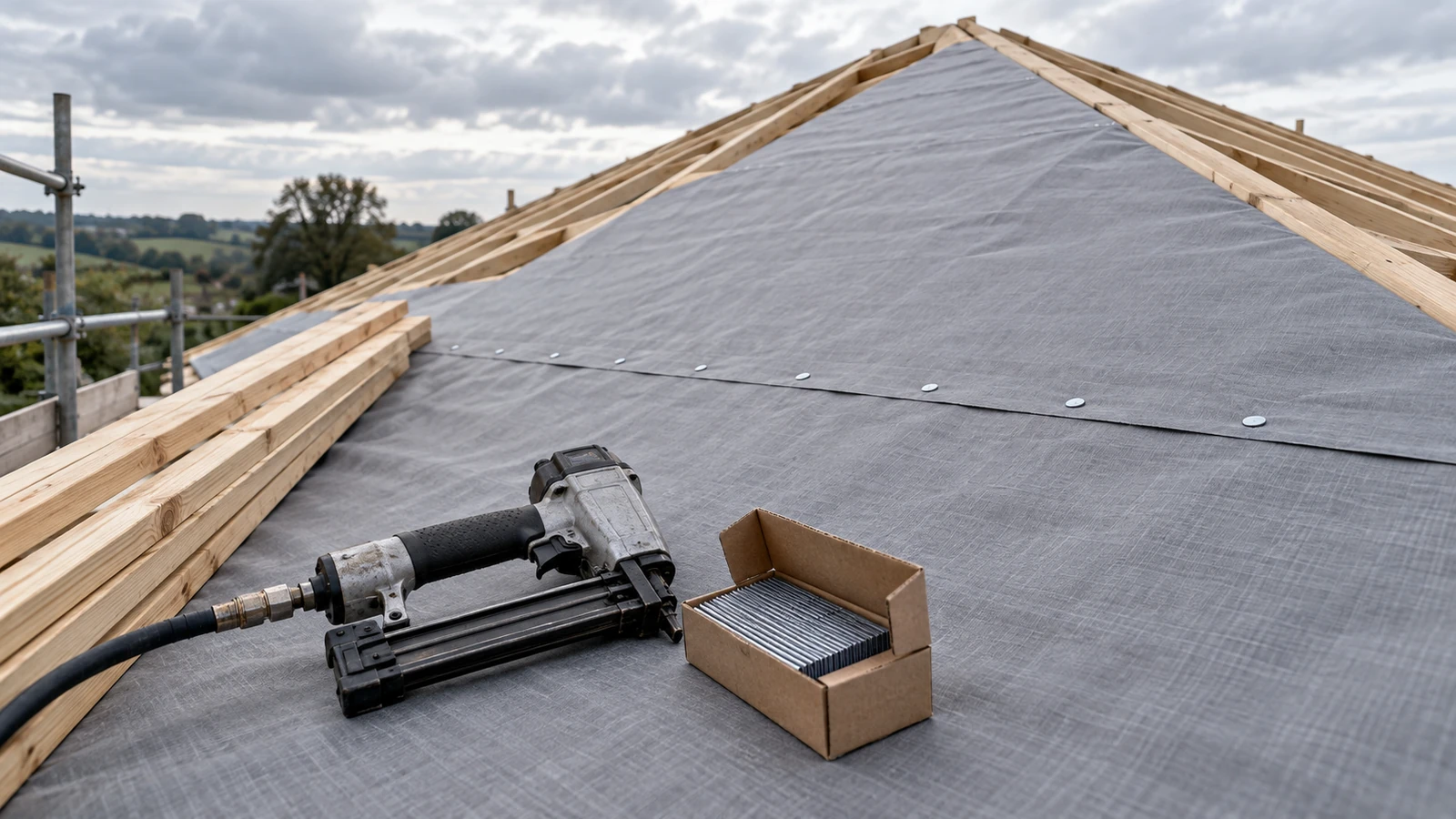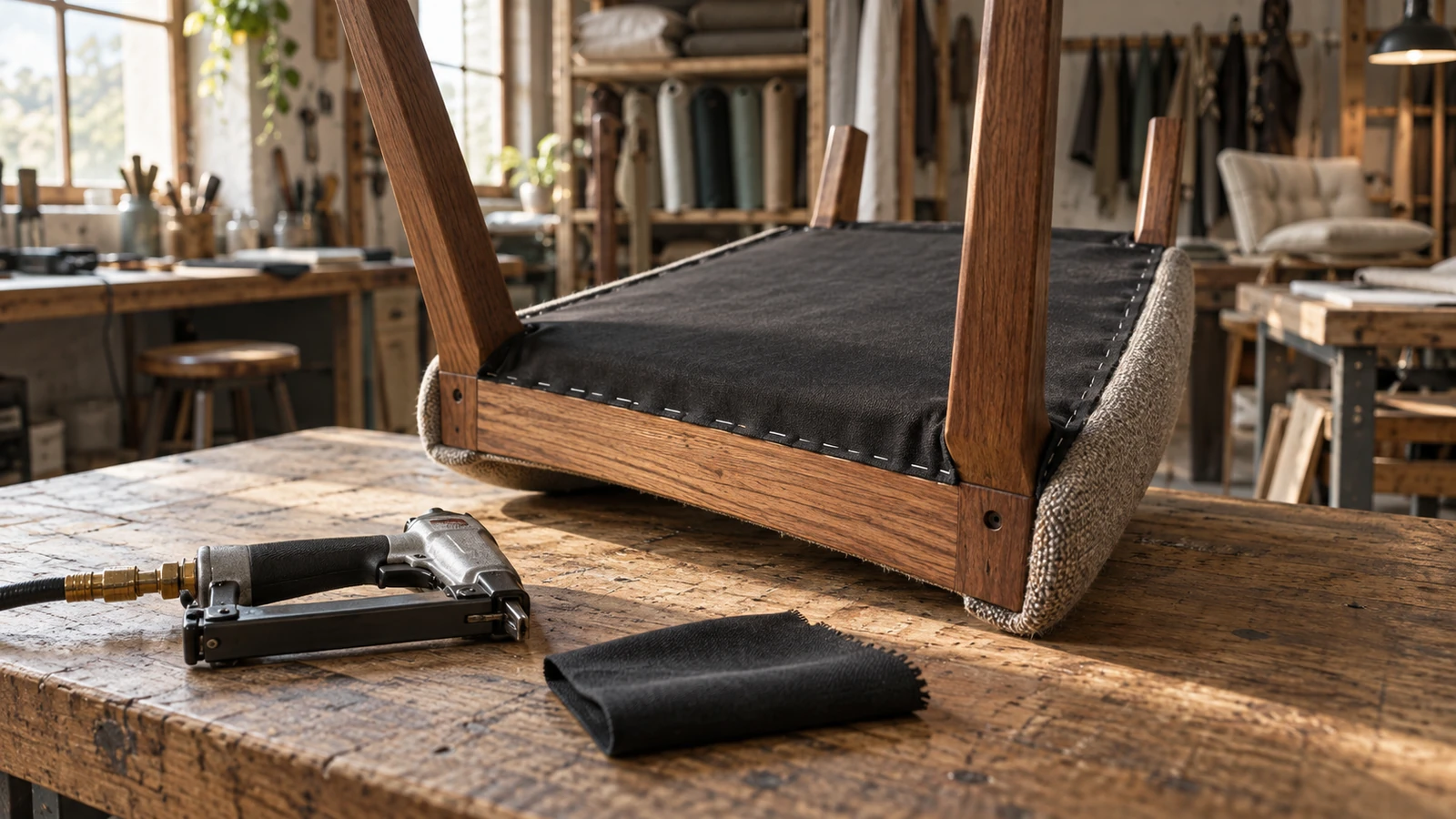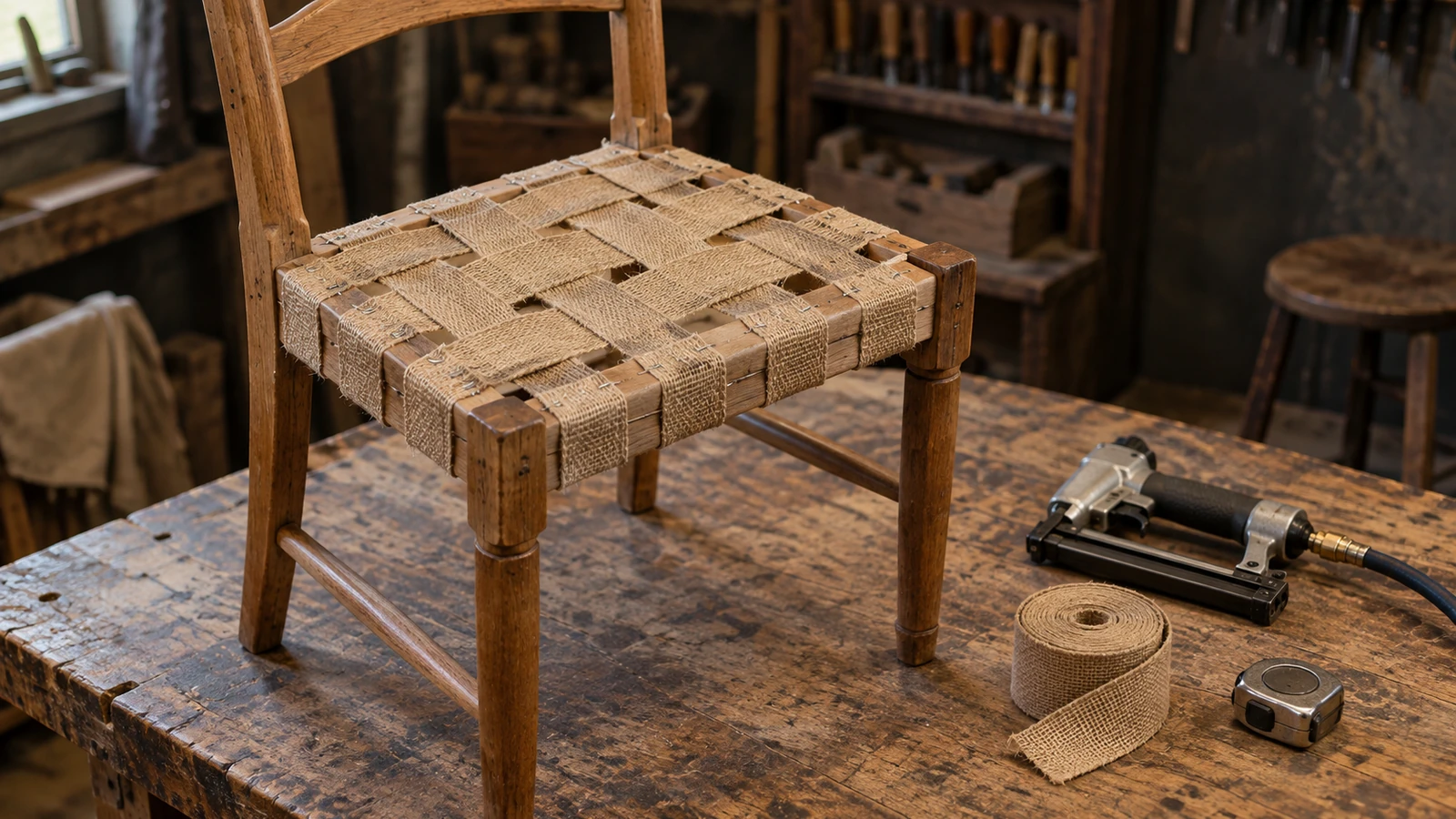

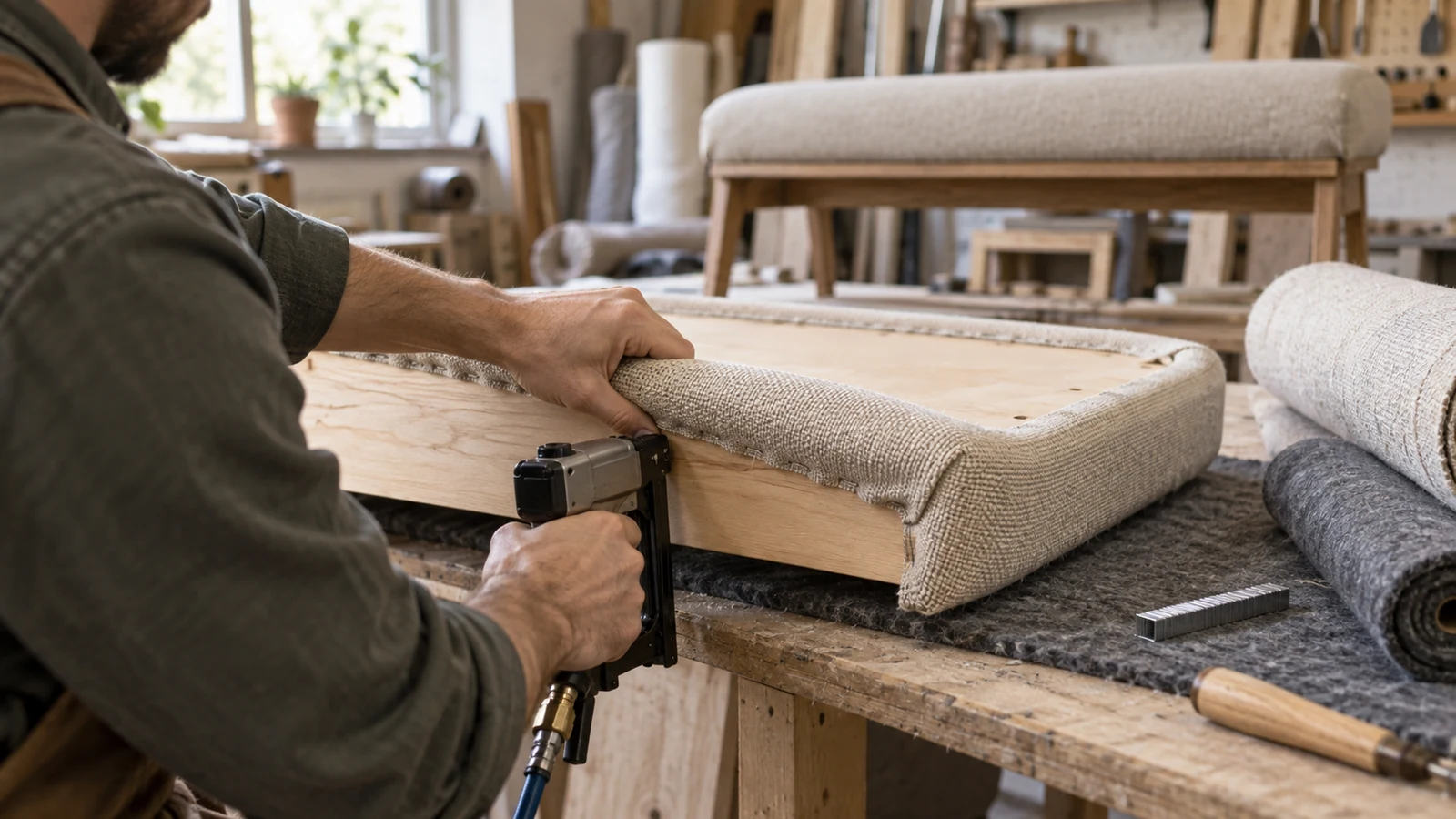
Staples for upholstered bench panels should be approved through the wrap sequence, not from a loose fabric coupon. A bench panel changes as the operator pulls the centre, works toward the ends, folds the corners, and closes the concealed return. The staple affects tension and edge shape, while the material and sequence determine whether the face stays smooth.
ProAirNails recommends a sequence card that names the panel, foam or padding stack, cover direction, crown and leg dimensions, tool, pressure, and inspection lights. The card keeps a fabric problem from being misdiagnosed as a fastener problem.
Mark the centre before the first staple
Mark the panel centre, fabric grain or pattern, seam position, corner fold, and no-print-through zones. Photograph the unfastened face in the production light. If the cover has a repeat or directional nap, record the orientation before turning the panel over.
The first staples should establish balanced tension rather than close one side completely. Work outward in the approved order and pause if the face develops a wave, diagonal pull, or hard line. More staples cannot correct a cover cut or foam transition that is already out of control.
Divide staples for upholstered bench panels into four zones
| Zone | Operator objective | Inspection risk |
|---|---|---|
| Centre run | Set the pattern and hold balanced tension | Skewed grain or a centre ripple |
| Long edge | Keep the face flat while advancing | Uneven pull, crown marks, or loose fabric |
| Corner fold | Manage layered material without a hard lump | Cut fibre, stacked bulk, or a raised corner |
| Concealed return | Close the back edge and protect handling | Proud crown, sharp leg, or mounting interference |
Each zone should have its own pass condition. A staple that is excellent on one fabric layer may cut a folded corner or fail to seat through the rear stack.
Use the wrap order as the trial structure
Trial the panel in the same order used on the line. Start with the centre marks, move to opposing sides, then close the ends and corners. Keep the operator, tool, pressure, and material stack constant while comparing staple options.
- Check the crown against the fabric and backing before changing leg length.
- Keep the tool nose square to the substrate where access allows.
- Stop at the corner transition and inspect the front before folding further.
- Record any adjustment and whether it corrected tension or only buried the crown.
- Retain a short strip, carton label, and complete panel photograph.
For staples for upholstered bench panels, the useful sample includes both a clean long edge and the most difficult corner. Do not release the staple from an easy centre section alone.
Separate fabric tension from seating depth
| Observation | Check first | Do not assume |
|---|---|---|
| Face wave | Pull direction, cover cut, foam, and sequence | More staples will flatten it |
| Crown mark | Pressure, crown, nose, and material hardness | A longer leg solves surface damage |
| Loose corner | Fold build, support, access, and placement | Higher pressure is a safe correction |
| Proud rear staple | Driver, depth control, backing, and tool angle | Hand finishing is an approved process |
ASTM F1667 describes driven staples and related fastener requirements, but it does not choose a fabric stack or production setting. Review the ASTM driven-fastener reference alongside the upholstery material data and the physical bench panel.
Inspect the panel after standing and packaging
A flat bench panel can change when stood on edge, mounted to a frame, wrapped, stacked, and unpacked. Repeat the face and rear-edge inspection after the normal handling route. Look for fabric drift, corner pressure, loose returns, sharp points, and interference with brackets or upholstery trim.
This is the main limitation of a coupon trial. A coupon can compare penetration and material damage, but it cannot show full-panel tension, gravity, packaging pressure, or mounting contact. Approve the complete panel before ordering a production quantity.
Keep safety in the sequence
Pneumatic staplers and nailers can cause serious injury. The NIOSH nail-gun safety guidance emphasizes training, procedures, protective equipment, and safer trigger controls. Follow the tool manual and workplace safety program during sampling and production.
Do not defeat a safety contact to reach a tight fold. Change the approved access method or fixture. A smooth fabric face is not a reason to bypass a tool safeguard.
Reorder from the approved cover stack
ProAirNails can help buyers compare staples, review air staple pins, coordinate related pneumatic fasteners, and submit a panel brief through Contact Us. Include frame, padding, cover, fold zones, tool, current staple, pack count, quantity, destination, and timing.
At reorder, verify crown, leg, gauge, point, finish, strip geometry, adhesive bond, count, carton label, and lot identity. The approval for staples for upholstered bench panels should link those fields to the front-and-rear inspection photos and the exact wrap sequence. ProAirNails can retain the sequence card with the approved cover stack.
FAQ
What should be mapped before choosing staples for upholstered bench panels?
Map centre marks, long edges, corners, padding transitions, concealed returns, mounting hardware, and no-print-through areas.
Why does the pull order matter?
Balanced opposing pulls help control fabric direction and reduce the chance that one edge locks in a wave or skew.
Should the corner be tested separately?
Yes. Layered folds and tight access can change crown seating, leg penetration, material damage, and the safe tool position.
Can a higher pressure fix a proud staple?
It can also cut fabric or overdrive the crown. Check the entire tool, material, and staple combination.
Does a coupon approve the production panel?
No. Use the coupon to compare options, then release a complete panel through handling, mounting, and packaging checks.
What should a sequence card contain?
Record material stack, cover direction, centre marks, zone order, crown and leg, gauge, tool, pressure, photos, and acceptance notes.
What is the main visual pass condition?
The face should remain aligned, smooth, and free of unacceptable crown or fold marks under the agreed inspection light.
What changes need a new trial?
Review changes to fabric, padding, frame, folds, staple, collation, tool, pressure, sequence, mounting hardware, or packaging.
What should a panel RFQ include?
Send the zone drawing, full material stack, tool, current staple, defect concerns, quantity, pack format, destination, and schedule.
What should be checked at reorder?
Compare dimensions, finish, strip, adhesive, count, label, lot identity, retained panel, and the approved wrap sequence.