
Manage a staples supplier with two parallel lanes: a technical lane for product identity, tool fit, application evidence, and usable yield; and a commercial lane for quantity, packing, documents, cost, delivery, and responsibility. The order moves forward only when both lanes meet at a defined release point.
ProAirNails recommends using one board per buyer SKU or tightly controlled family. This prevents a passed sample from hiding an unresolved carton, delivery, or document issue, and prevents an attractive quotation from outrunning technical approval.
Set up the board with one shared identity row
Start with buyer SKU, supplier SKU, staple series, crown, wire, leg length, point, finish, collation, strip and box count, intended tools, applications, destination, and revision. Link drawings, approved samples, artwork, and exceptions to this row.
If two documents conflict, stop and name which one controls. A common family name cannot resolve a dimensional or packing difference.
Technical lane: move from specification to evidence
| Technical card | Required evidence | Exit condition |
|---|---|---|
| Identity | Dimensions, point, finish, collation, count | Controlled match or approved exception |
| Tool | Named models, loading and feed trials | Compatible under approved settings |
| Application | Real materials, stack, pace, acceptance rule | Function and appearance accepted |
| Pilot | Normal strips, boxes, operators, lots | Repeatability and usable yield reviewed |
Retain accepted and failed samples. Record skips, doubles, jams, tilted staples, depth or closure, leg path, material damage, and rejected assemblies. Separate fastener evidence from tool, material, setup, and handling evidence.
Commercial lane: expose the complete obligation
| Commercial card | Confirm | Hidden risk |
|---|---|---|
| Quantity | Pieces, strips, boxes, overrun, MOQ | Different counting bases |
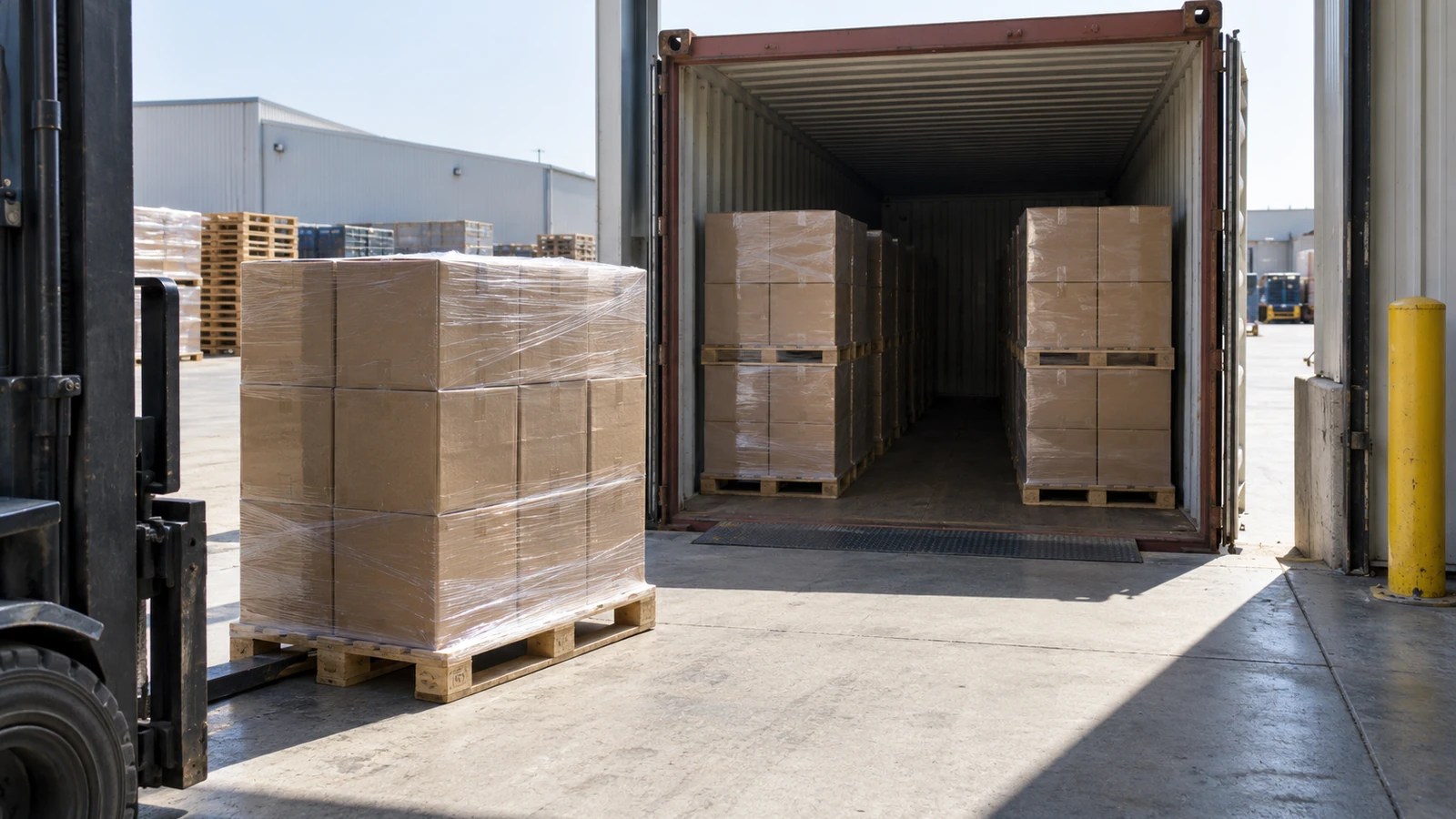
| Packing | Inner, carton, pallet, labels, separation | Damage or receiving rework |
| Delivery | Lead-time basis, milestones, partial shipment | One delayed SKU holds the order |
| Documents | Entity, product, destination, timing | Irrelevant or late paperwork |
| Cost | Price basis, freight, inspection, handling | Low unit price, high landed loss |
Use the ICC Incoterms rules resource to define the rule, named place, and responsibilities where international trade applies. Record the version instead of relying on three letters alone.
Meeting point 1: release the sample request
The technical lane defines exact candidates, tools, materials, and checks. The commercial lane defines sample quantity, packing format, courier responsibility, timing, and whether the sample is free, credited, or charged. Both must identify which production source and process the sample represents.
Ask the staples supplier to label every sample with SKU, size, lot or sample reference, date, and revision. Unidentified loose strips should not become approval masters.
Meeting point 2: release the purchase order
Do not issue the PO until the approved sample, specification, exceptions, artwork, quantity, carton, pallet, destination, documents, price basis, and delivery logic agree. Attach or reference the controlled pack and state the change-notification rule.
- Approved buyer and supplier SKU cross-reference
- Tool and application approval scope
- Product, strip, box, carton, and pallet requirements
- Inspection, acceptance, and release authority
- Overrun, delayed line, partial shipment, and complaint terms
- Reapproval triggers for relevant product or process changes
Meeting point 3: receive the actual shipment
Verify carton condition, labels, count, lots, mixed-SKU separation, strip support, and required documents before line release. Sample dimensions and collation under the agreed method. Then run representative loading and application checks against the approved baseline.
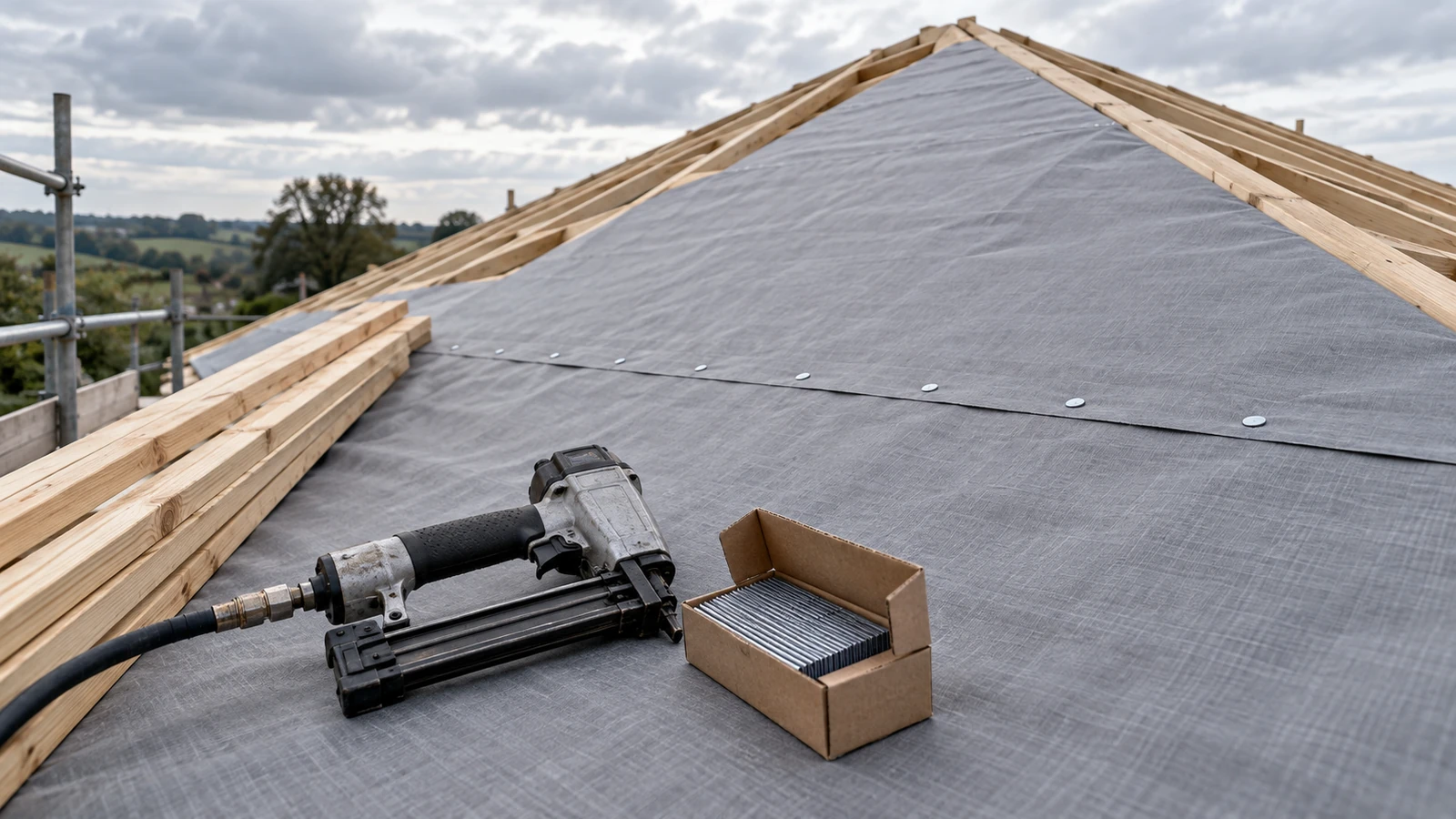
Follow the tool manual and use the NIOSH nail gun safety guide as broader safety context. Never force a received product to pass by modifying strips, bypassing safety features, or exceeding approved settings.
Meeting point 4: decide the reorder from real data
Bring the lanes together again with usable pieces, feed events, rejects, sorting time, carton damage, shortages, label accuracy, delivery performance, document accuracy, and complaint response. Use rates per defined drives or output rather than isolated anecdotes.
A reorder should carry forward the approved configuration, close previous actions, and identify any new quantity, route, application, or packing assumptions.
Keep an exception parking area
Put every unresolved difference on the board with owner, evidence required, due date, risk, and release effect. Examples include an untested tool, a substitute finish, a nearby leg length, provisional artwork, a delayed certificate, or an alternate carton.
Do not erase an exception because the schedule is tight. Use approved, conditionally approved, blocked, or not applicable so the decision remains visible.
Define who owns each move
Purchasing owns commercial completeness; engineering or application owners define joint and tool needs; quality controls evidence and release; receiving protects identity; production reports use data; logistics controls shipment handoff. Adapt ownership to the buyer's organization, but avoid anonymous cards.
The limitation is that a board organizes facts and decisions; it cannot create missing tests or guarantee every future lot. Relevant changes and performance evidence must reopen affected cards.
Use standards only where they apply
The ASTM F1667 standard page can support driven-fastener discussions when its scope and edition apply. It does not approve a staples supplier, prove universal tool fit, or replace application testing.
Build a ProAirNails two-lane order
Review ProAirNails air staple pins, related pneumatic fasteners, brad nails, and pin nails. Send the SKU, tools, application, quantity, packing, destination, documents, and schedule through the ProAirNails inquiry page.
A reliable staples supplier keeps technical proof and commercial execution synchronized from sample through reorder.
FAQ
Why use separate technical and commercial lanes?
They prevent a passed sample from hiding delivery or packing gaps and prevent a low quote from bypassing application approval.
What belongs in the shared identity row?
Include buyer and supplier codes, dimensions, finish, collation, counts, tools, applications, destination, documents, samples, and revision.
When is a staple sample ready to test?
When it is clearly identified, linked to the proposed production source, and supplied in enough quantity for the defined checks.
What is usable yield?
It includes correct intact strips, successful loading and feeding, accepted application results, and sorting or downtime needed to use them.
Should packing be technically approved?
Yes. Packing must preserve strip condition, count, identity, separation, traceability, and practical receiving through normal handling.
How should open exceptions be managed?
Record the difference, owner, evidence, due date, risk, approval effect, and final disposition without hiding it in email.
What should trigger reapproval?
Define relevant changes to material, dimensions, finish, collation, process, site, tool, application, packing, labels, or acceptance rules.
How should similar staple sizes be separated?
Use distinct codes, multi-face labels, barcodes, physical separation, receiving controls, and production line-clearance rules.
What data belongs in a reorder review?
Use yield, feed events, rejects, handling, damage, shortages, labels, delivery, documents, complaints, and relevant changes.
What should I send for a staple quotation?
Send specifications, tools, applications, quantities, strip and box counts, labels, pallets, destination, documents, and requested timing.