
What buyers usually mean when they search for a Pneumatic Nails Manufacturer
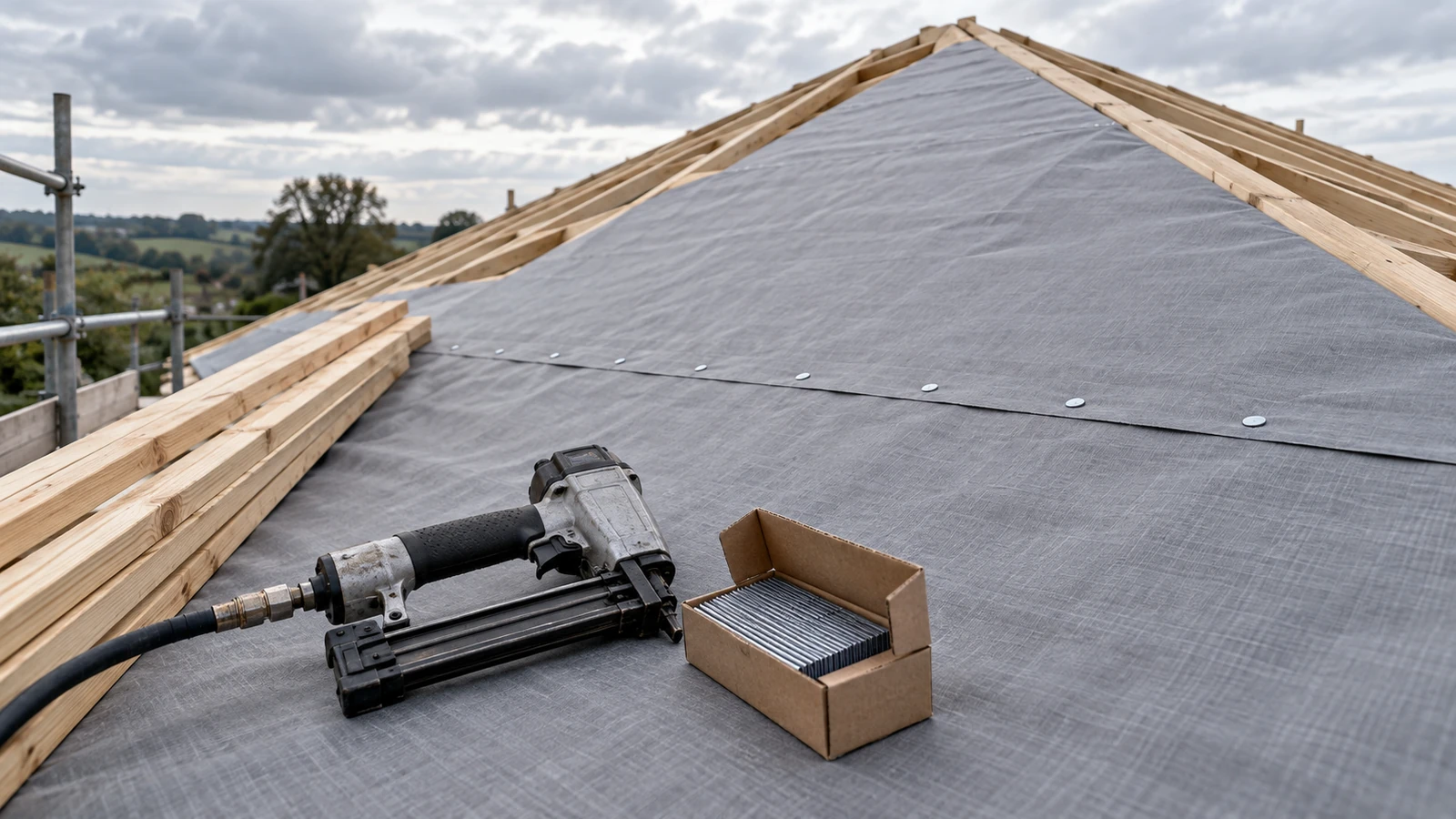
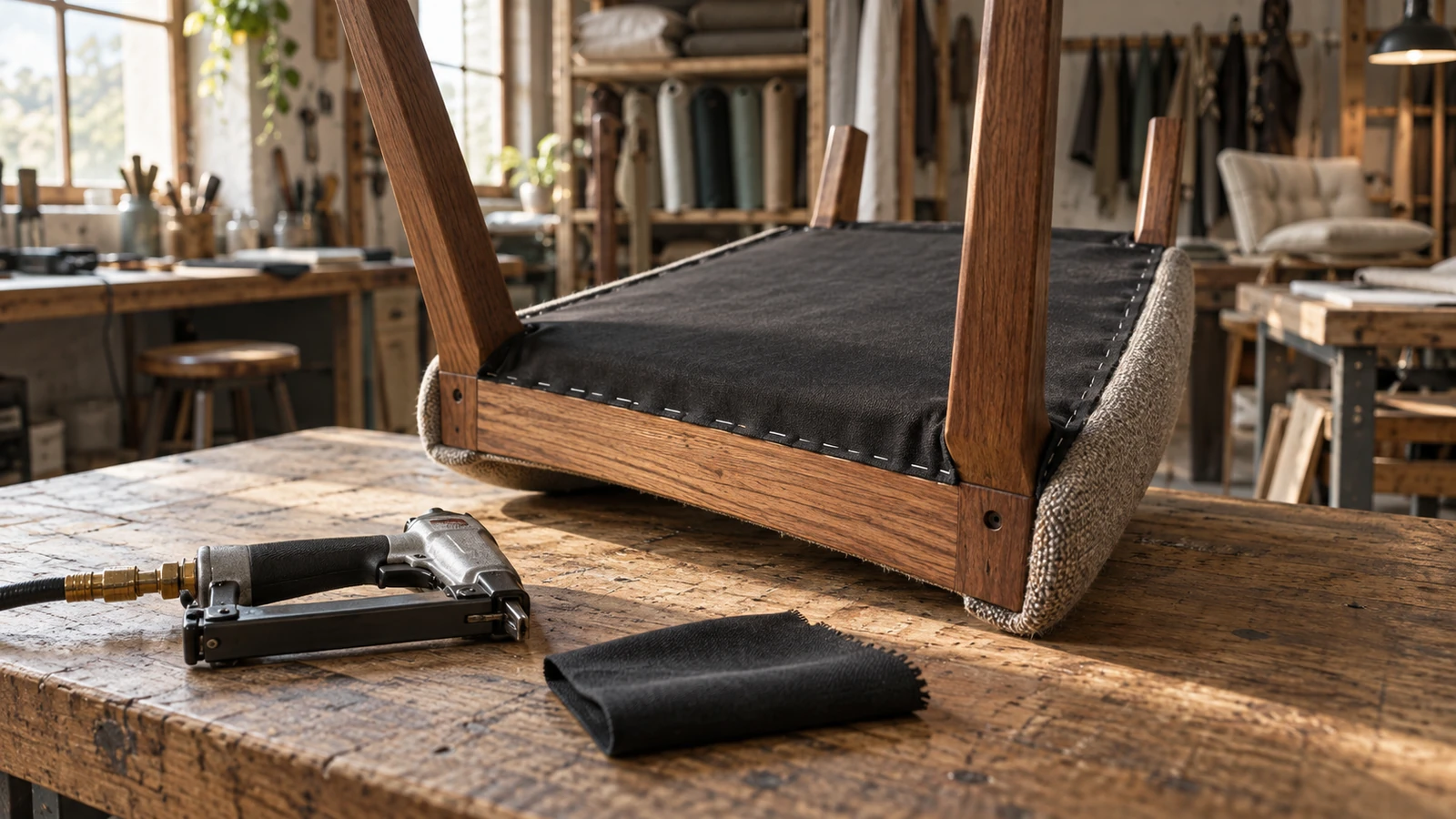
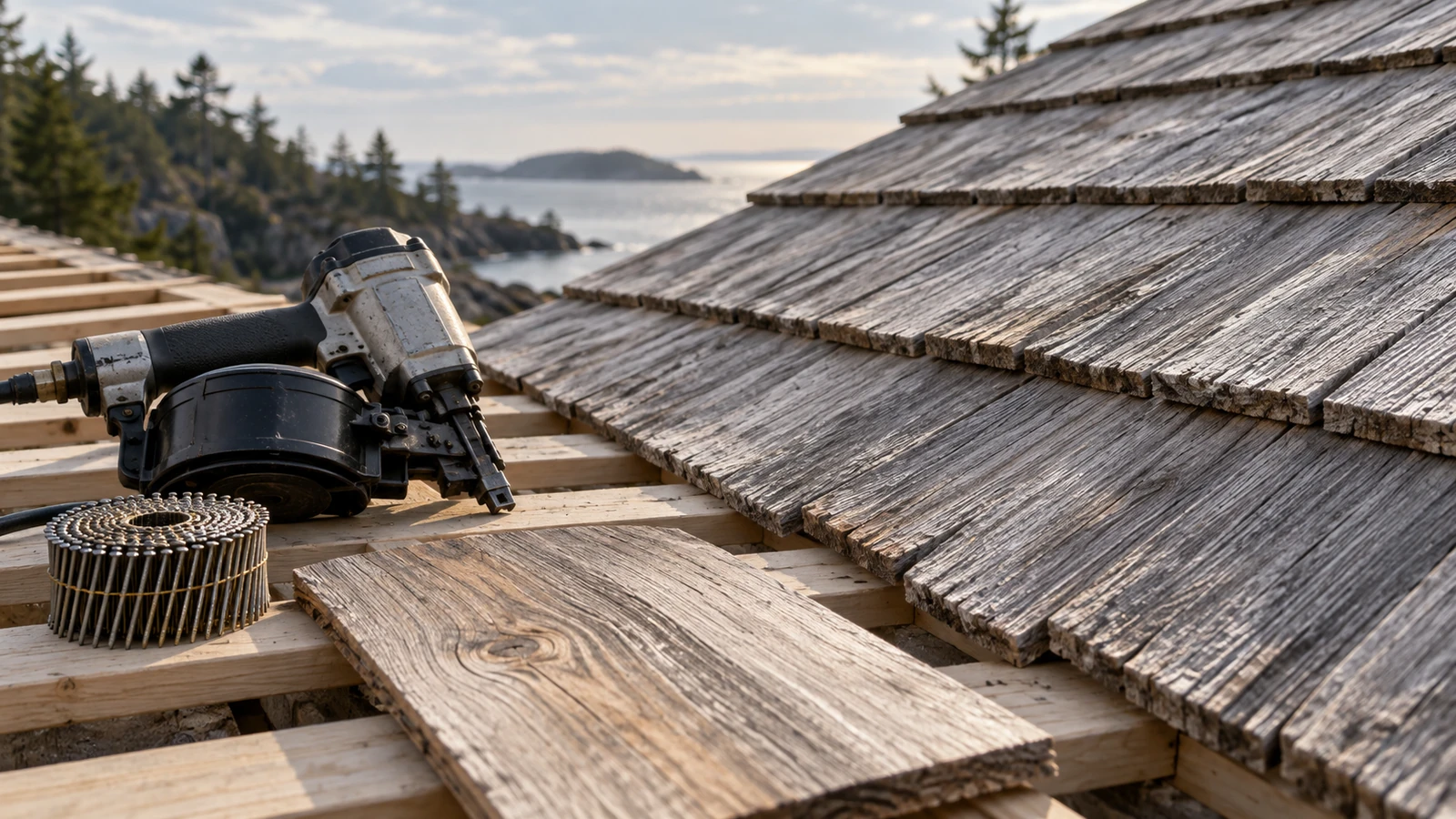
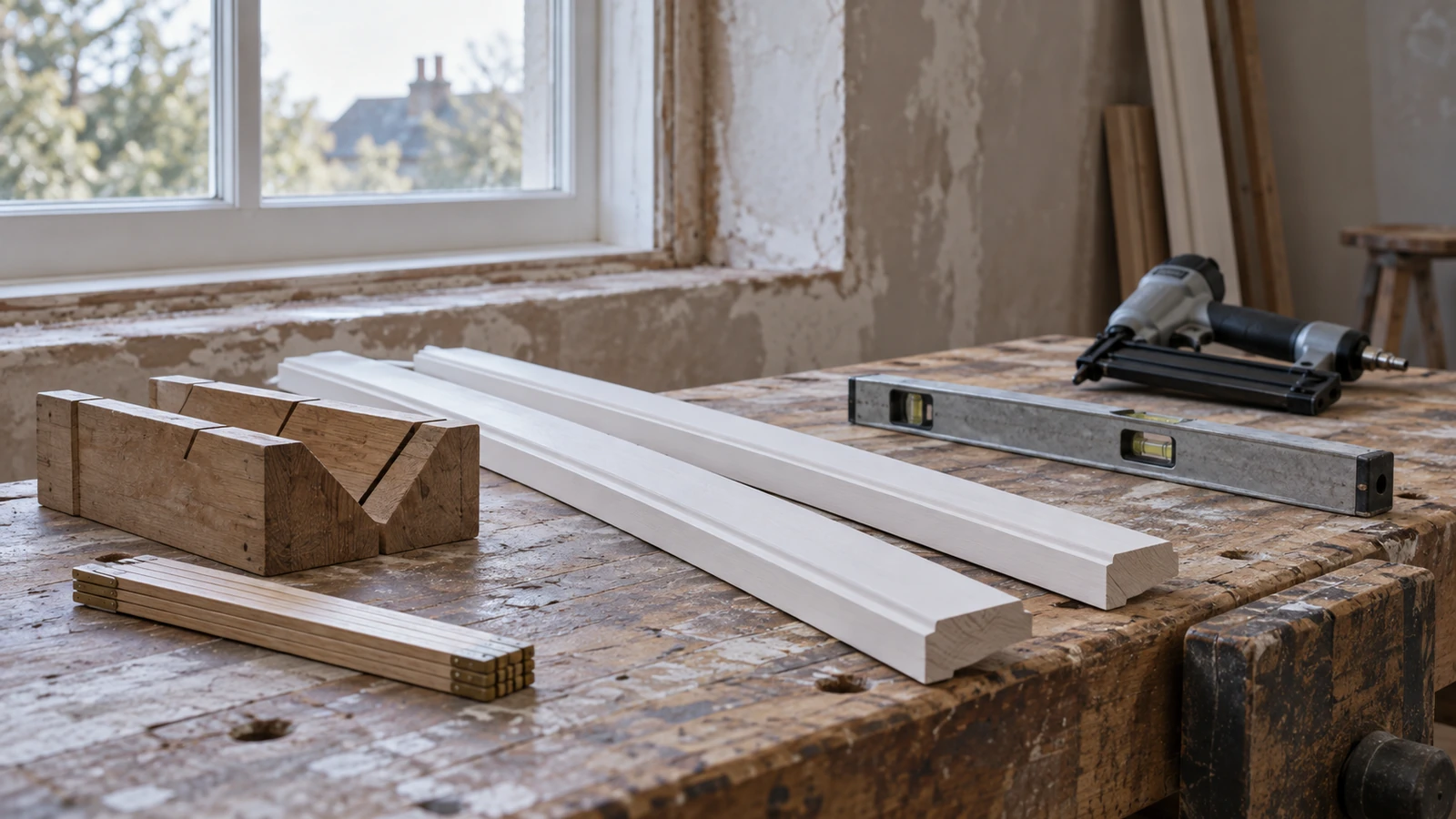
When procurement teams search for a Pneumatic Nails Manufacturer, they are often not looking for a catalog page alone. They are trying to identify a supplier that can produce fasteners or pin-based components with the consistency needed for repeat industrial use. In practice, that can mean standard pneumatic nails for tools and assemblies, or a more specialized pinned component with a dense, uniform pattern like the one described in the product data.
That distinction matters. A buyer who only compares prices may miss the real issue: whether the supplier can hold spacing, geometry, and repeatability from batch to batch. For engineers, that is usually where field problems begin. A nail that feeds poorly or a pin array that loses uniformity can slow production, damage material, or force unnecessary rework.

Why the product details matter more than the marketing label
The visible part described here is a rectangular block with hundreds of closely spaced vertical pins or needles. It has a dark metallic finish and a very even layout. That is not the profile of a commodity item you buy by name alone. It suggests a controlled industrial component, possibly used to grip, clean, pierce, align, separate, or texture material surfaces depending on the machine and process.
For sourcing teams, the takeaway is simple: do not assume every “nail” supplier is qualified for every job. A Pneumatic Nails Factory might be excellent for conventional pneumatic fasteners, but a pinned or needle-bed assembly often demands a different process mindset. Precision wire forming, insertion into a carrier, and consistency across a dense grid are not the same thing as making bulk fasteners for tools.
Quick reference: what to check before you place an order
1. Geometry and spacing
Uniform pin height and even spacing are not cosmetic details. They influence surface contact, feed behavior, and the stability of the tool or insert during operation.
2. Material and finish
The observable metallic pins appear matte to low-gloss, which usually suggests an industrial finish rather than decorative treatment. Buyers should still confirm steel type, coating, corrosion resistance, and hardness if the application is demanding.
3. Base construction
The base is not clearly visible in the supplied data, but it is central to performance. Whether the pins are mounted in a block, carrier, or other assembly will affect durability, replacement, and how the part integrates with equipment.
4. Application fit
Ask the supplier what the part is intended to do: pierce, align, separate, clean, hold, or texture. If the answer is vague, that is a warning sign.
Where a Pneumatic Nails Supplier can add value
A capable Pneumatic Nails Supplier does more than ship boxes. The better ones understand feed reliability, packaging that protects uniformity, and the reality that industrial buyers often need stable replenishment rather than one-off bargains. For buyers working in production environments, wholesale supply can make sense only if the supplier can maintain the same dimensions and construction across repeat orders.
That is why Pneumatic Nails Wholesale should not be treated as a pure price conversation. Lower cost is useful only when it does not come with higher jam rates, inconsistent pin seating, or brittle parts that fail under vibration. In industrial settings, the hidden cost is usually downtime.
Common mistakes buyers make
One mistake is buying from a Pneumatic Nails Distributor who can move product quickly but cannot explain manufacturing details. Speed is helpful, but it is not a substitute for process control.
Another common error is over-specifying the wrong thing. Teams sometimes focus on packaging or unit price and ignore the functional features that actually matter: spacing, consistency, surface finish, and compatibility with the machine or assembly. If the component is a pinned insert or needle bed, those details decide whether the part performs or simply looks correct on arrival.
Practical advice for engineers and sourcing managers
If you are evaluating Industrial Pneumatic Nails or a related pinned component, ask for samples and inspect them for evenness under real handling conditions. Look for bent pins, uneven height, weak carrier retention, and any sign that the array is less rigid than it should be. A visually tidy sample can still fail once vibration, pressure, or repeated contact enters the picture.
It also helps to align the buying conversation around function rather than labels. If the part is used in surface treatment, textile handling, or specialized tooling, tell the supplier what the part must do, what material it touches, and what failure would look like. That shortens the gap between purchasing language and manufacturing reality.
What a serious buyer should ask next
Before approving a supplier, ask for the exact product structure, the production method used for the pin array, material options, and any limits on customization. If the supplier cannot describe the construction clearly, keep looking. A factory that understands the application will usually talk about uniformity, retention, and repeatability before it talks about volume.
If you are comparing options, start with the parts that affect performance most: the pin layout, the base, and the intended process. From there, compare the Pneumatic Nails Manufacturer, Pneumatic Nails Factory, and Pneumatic Nails Wholesale offers on technical fit rather than on headline price alone.
Final buyer takeaway
The real decision is not just who can make nails. It is who can make a consistent industrial component that behaves the same way every time it enters production. That is the difference between a supplier and a manufacturing partner.
If you are sourcing for a production line, ask for technical clarification early, especially when the component resembles a dense pin or needle array rather than a conventional fastener. A few careful questions up front usually save a much more expensive conversation later.