
Why buyers care about a Pneumatic Nails Manufacturer before they care about the nails themselves

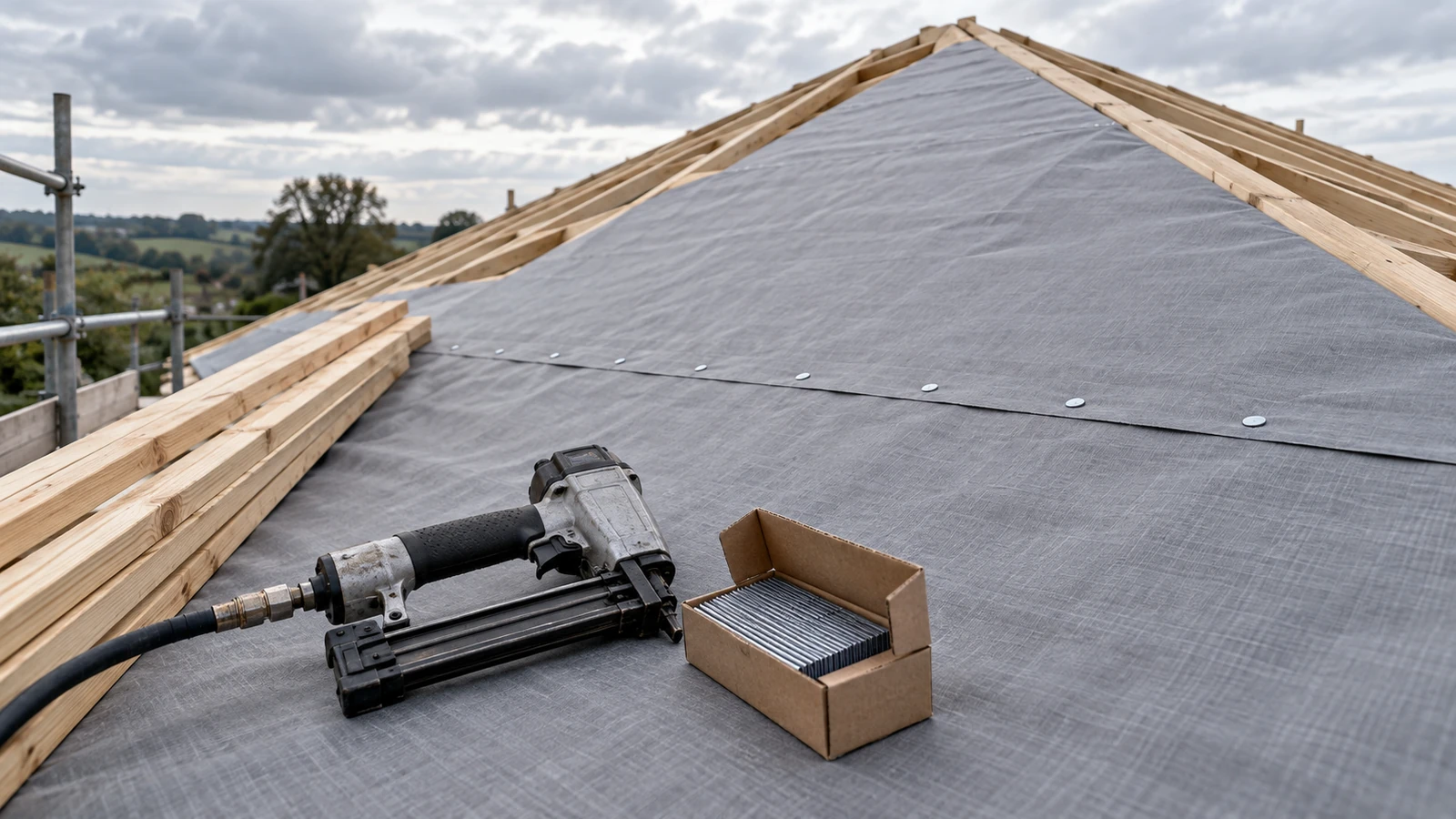
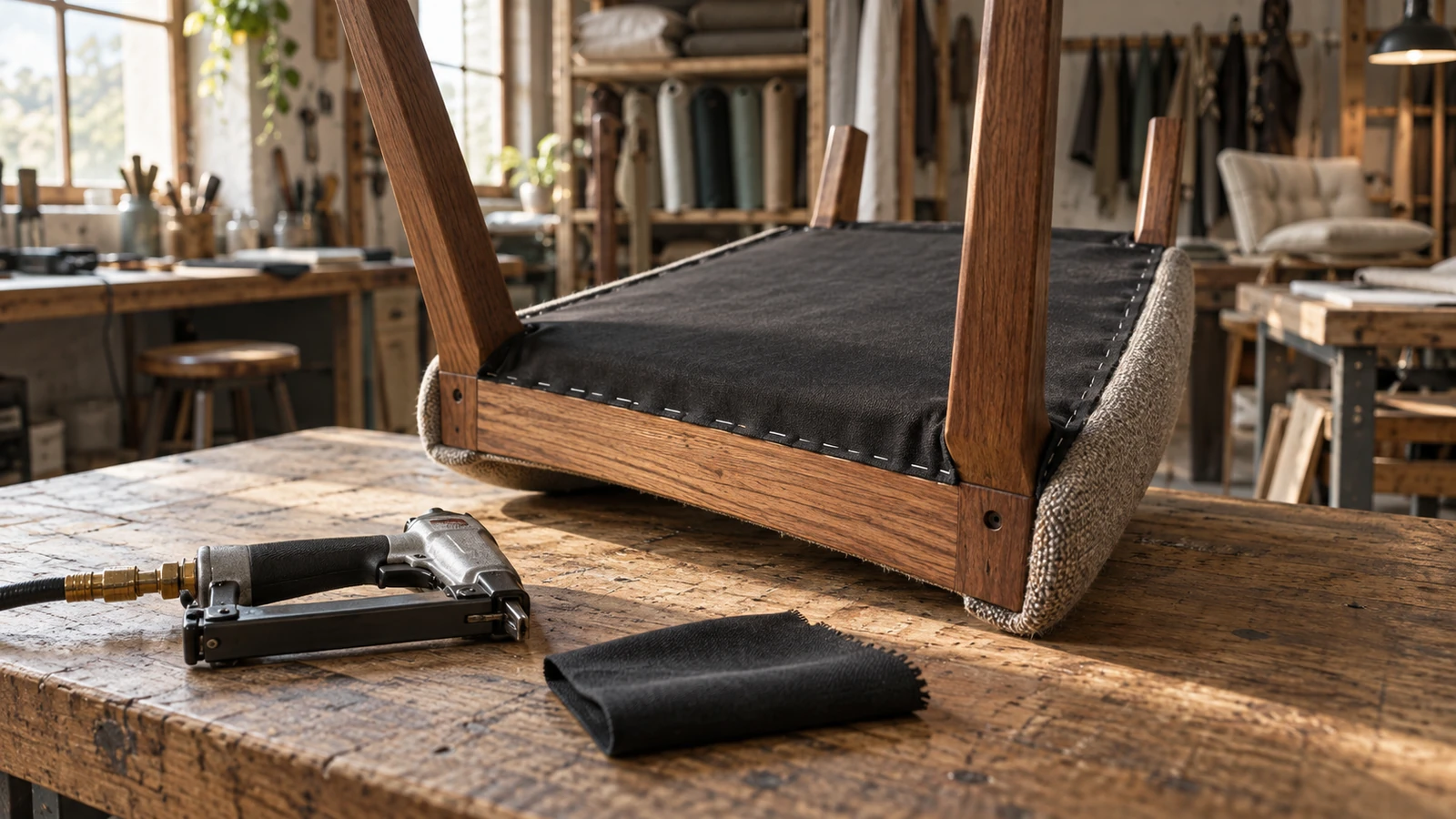
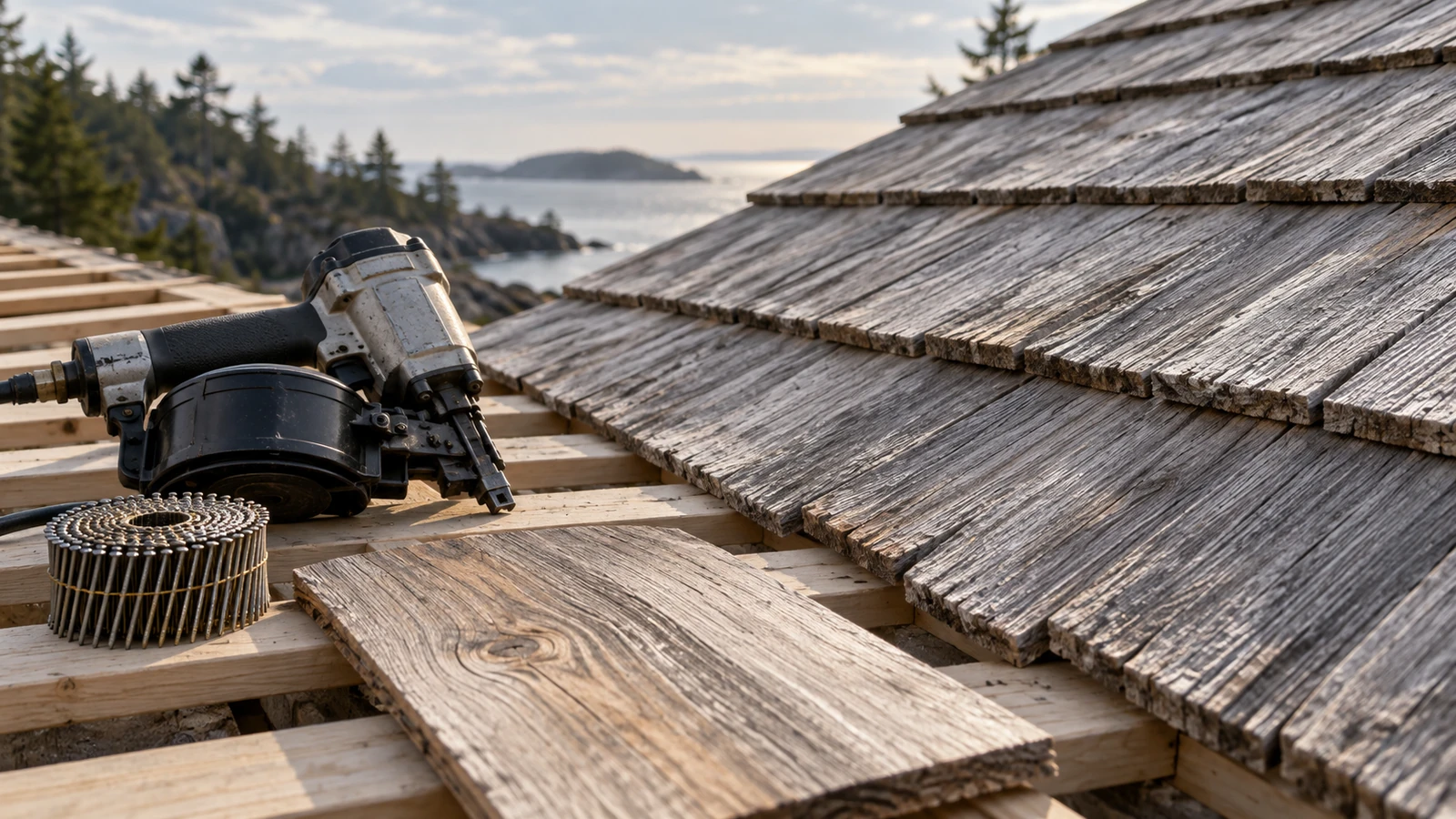
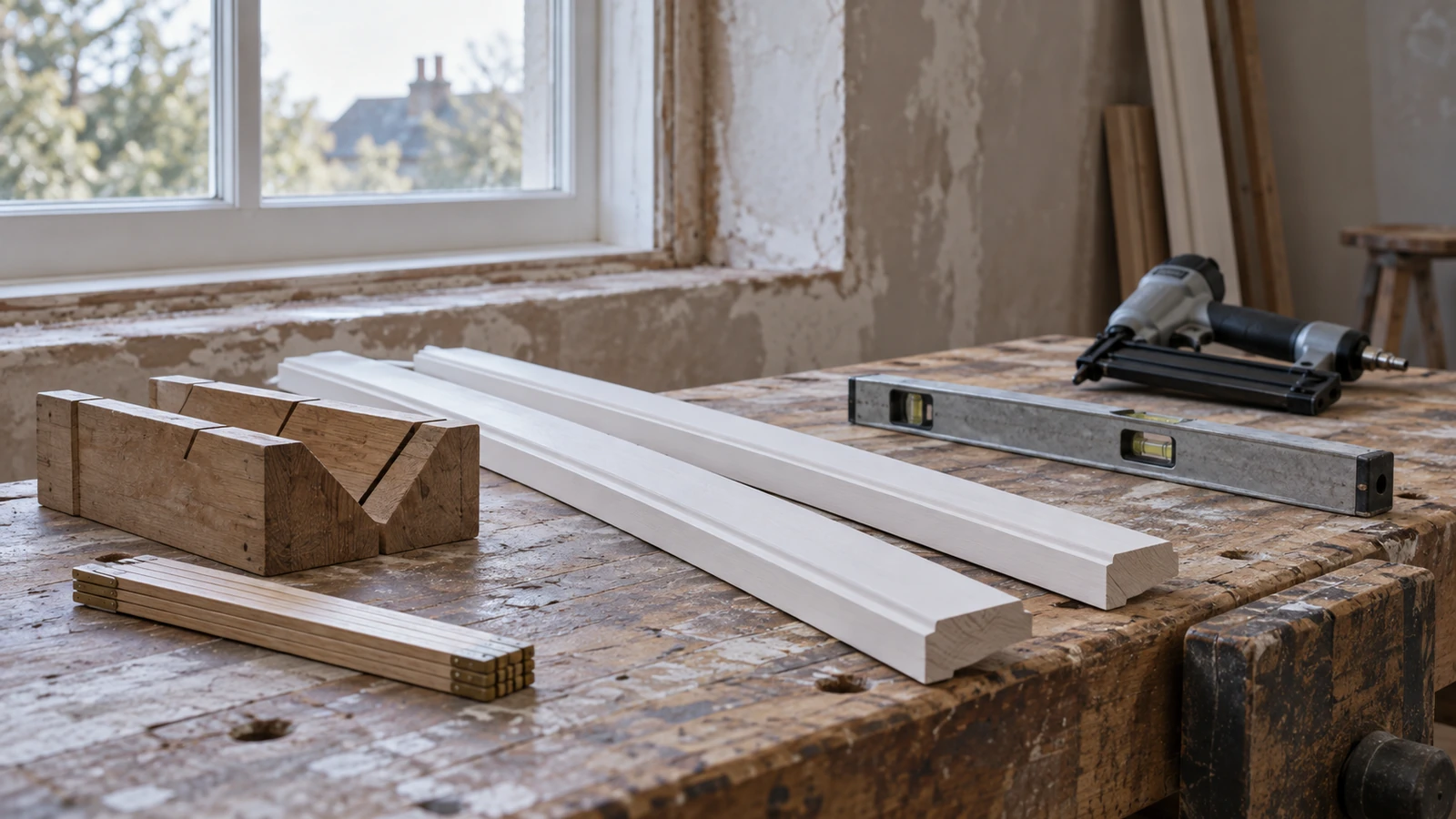
When a line slows down because fasteners are feeding badly, the problem usually looks small on paper and expensive in real life. That is why people searching for a Pneumatic Nails Manufacturer are rarely only comparing catalog pages. They are trying to reduce jams, protect tool performance, and keep production moving in woodworking, trim installation, furniture assembly, upholstery, and other high-throughput fastening work.
The product itself may look simple: a dense collated block of thin metal pins or nails, tightly aligned for machine feeding. But that uniformity is the point. In industrial fastening, the difference between an ordinary fastener and a reliable one shows up in the feed path, the drive consistency, and the amount of rework the crew has to do afterward.
What industrial pneumatic nails are really solving
Industrial Pneumatic Nails are built for speed more than ceremony. They are used in tools that drive many small fasteners quickly into wood or similar materials. The visible format in the supplied product data suggests a collated strip or block, with narrow shanks and pointed tips designed for repeated mechanical feeding.
That matters because production teams do not buy these parts in isolation. They buy them as part of a system: tool, compressor or power source, feed mechanism, substrate, and operator workflow. If the fastener geometry is off, the whole system starts behaving badly. You see misfeeds, inconsistent penetration, and sometimes surface damage that creates more finishing work than expected.
What a Pneumatic Nails Factory should get right
A Pneumatic Nails Factory is more than a cutting line. In practice, it has to turn wire or metal stock into fasteners with consistent form, then collate them so the tool can feed them smoothly. The data supplied here points to a likely process chain that includes metal wire drawing, cut-to-length forming, and bundling or collating for tool feeding.
That sounds straightforward, but industrial buyers know the hidden issues are usually in the details: alignment, coating consistency, and how well the strip holds together during transport and use. A dark coated or oxidized finish may be visible on the product, but the exact coating or material grade is not confirmed here, so it is safer to treat finish claims carefully and ask for specifications.
Signs of a capable supplier
A Pneumatic Nails Supplier worth dealing with should be able to answer practical questions without hedging every sentence. Buyers should ask how the fasteners are collated, what tool types they are intended for, and how feed consistency is controlled. If the supplier cannot clearly explain the product category, that is usually a warning sign.
The best suppliers also understand that packaging, strip integrity, and dimensional repeatability matter almost as much as the base metal. A cheap fastener that jams twice as often is not cheap for long.
Wholesale buying: where cost savings can disappear
Pneumatic Nails Wholesale purchases often look attractive because the unit price drops with volume. That part is easy. The harder question is whether the batch behaves consistently across the full order.
This is where sourcing teams should resist the habit of buying only against price. If the fasteners are used in cabinet assembly, trim, or furniture manufacturing, even a small inconsistency can create a visible defect rate. For workshops, that means downtime. For production lines, it can mean missed output targets. A Pneumatic Nails Distributor may offer convenience and faster fulfillment, but buyers still need to verify compatibility and feed quality rather than assuming all collated fasteners are interchangeable.
Selection criteria that actually matter
Start with the tool and the application, not the product photos. The supplied information confirms a dense, uniform fastener block, but it does not verify size, gauge, length, head shape, or exact compatibility. Those details are not minor. They are the difference between a smooth drive cycle and a costly mismatch.
Ask these questions before placing a production order
Is the fastener a nail, staple, or pin in practical use?
What substrate is it intended for?
Does the collation style match the feeder and magazine design?
Is the finish suitable for the working environment?
Can the supplier support repeat orders with consistent geometry?
That last point is often overlooked. A sample may look fine. A second shipment that feeds differently is where buyers lose confidence.
Common mistakes buyers make
The first mistake is treating all collated fasteners as equivalent. They are not. The second is buying by visual similarity alone. The third is assuming a tool that drives one strip well will handle another strip without issue. That assumption creates more scrap than most sourcing teams expect.
Another practical caution: if the application involves visible surfaces or exposed joinery, a matte dark finish may be acceptable or unacceptable depending on the design intent. It should not be guessed. Ask for the exact finish and its purpose.
What this means for engineers and sourcing teams
If you are qualifying a Pneumatic Nails Manufacturer, the real decision is not whether the fasteners look tidy in a photo. It is whether they will feed, drive, and hold up in your process. The supplied product description points to a high-density, machine-fed fastening format with uniform spacing and pointed tips, which is exactly what many industrial users want. Still, the unanswered specification details are just as important as the visible ones.
A cautious buyer will test compatibility, inspect batch consistency, and ask for product definitions in writing before committing to volume.
Next step
If you are evaluating a Pneumatic Nails Supplier or comparing Pneumatic Nails Wholesale options, build your shortlist around application fit first, then verify collation, finish, and repeatability. That usually saves more money than chasing the lowest quote.
For procurement teams, the smartest next move is to request a technical sample and compare feed performance in your own tool and substrate, not just on a spec sheet.